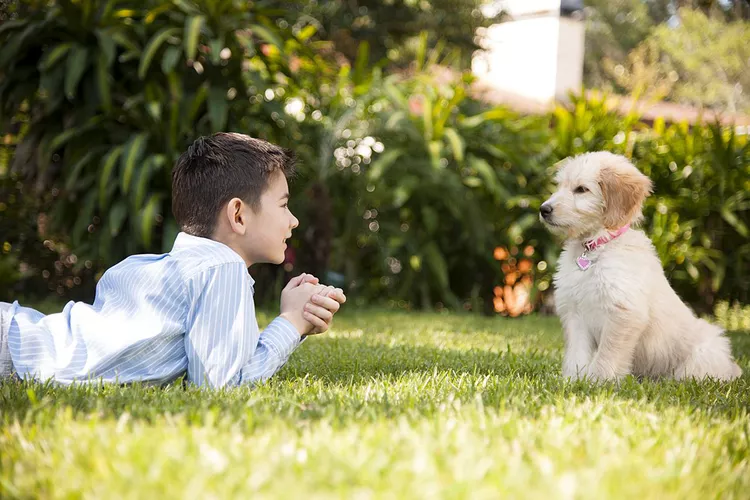
Dogs are social creatures that live together, and so they need a dog language in order to get along. How dogs communicate with one another is based on a system of common signals. Obviously, dogs can't talk, so their "language" is comprised of other signals—primarily body language, such as movement and positioning of the ears and tail, as well as how a dog positions himself near other dogs.
Your dog's ancestors survived by forming packs that hunted together, communally protected young, and defended territory from outsiders. And while two individuals can get along, the more individuals added to a group increase the chance of arguments. Constant fights and injuries weaken the group. Survival depends on every dog—and puppy—in the group staying healthy and productive.
Dog language not only allows dogs to communicate and understand each other. It also is a system used for conflict resolution, including calming signals that head off fights. In fact, once you understand how dogs communicate and the way they interpret your verbal and silent body language, you can better communicate with your puppy.
Canine communication is a complex system of body language, vocalization, and even scent cues. These signals reinforce the dog's social position within the group.
Dogs are pretty flexible with members of their family group. That’s why it’s so important to socialize your puppy early and continue throughout his or her life. Your dog considers you—and other people and pets in the household—to be a part of his family group, and acts accordingly.
Many behavior problems arise from normal dog behaviors such as chewing, barking, and more. Oftentimes, though we think we are being clear by directing and vocalizing to our pets: we are actually are not communicating in a way that our dog can understand. Even though your communication to your pet seems obvious to you, it is often as if trying to understand a foreign language to a dog. They can only interpret the best way they know-how.
If your relationship is to reach its full potential, it is important that you understand how your dog communicates so that you can be more effective at teaching him. Don’t expect puppies (or adult dogs for that matter) to automatically understand and read your mind. Puppies make behavior mistakes because they don’t know any better and more often than not it's a communication failure on our side! Participating in puppy training classes and working with certified dog trainers from an early age can be very helpful.
Compared to your puppy, humans are hearing-deaf and scent-blind. That makes it impossible for us to understand some of the more subtle signals of the canine language. But by paying close attention to body language and apparent vocal cues that our pets give us, we can learn to interpret the more obvious canine signals.
Dogs evolved with the ability and fascination of paying close attention to the humans they love. So your puppy will meet you halfway, given a chance, and learn a large human vocabulary, particularly when words and tone and training efforts are used with consistency.
Dogs use body language, vocalizations, and scent alone or in combination. Each type of communication has advantages and disadvantages.
Body language is one of the main ways that pets communicate and it can be so subtle that even an experienced dog owner can miss cues from time to time. Being aware of the eye, ear, tail, and body movement and positioning and the various meanings are very important for understanding your pet.
Though it seems subtle, body language is one of the few ways dogs have of communicating with us! Dogs have spent centuries trying to understand humans so as to please them. We could do a lot more to try to understand them. The more time you spend with your pet socializing, going for walks, working with certified trainer's and purposely paying attention to their body language, the better you will get. The best dog owners are consistent with this.
Sound carries over long distances. Howls, barks, yips, snarls, and growls are more easily understood amongst dogs. However, a bark may alert adversaries as well as pack members, so it’s not effective for stealth communication. Barks can communicate a lot of different messages such as excitement, fear, need for food or water, and more.
Scent signals don’t require the dog’s presence to get a message across. The scent of urination can be left behind to alert other dogs of their presence. Anal gland scents can be left when a dog defecates which is normal or in instances when a dog is extremely nervous or fearful, anal glands may be expressed leaving a lingering odor.
Dogs use combinations of each technique to communicate meaning. Very basically, canine communication is used to either decrease the distance between individuals with signals that ask for attention—a wagging puppy tail, for example—or to increase the distance between individuals with warning signals such as growls.
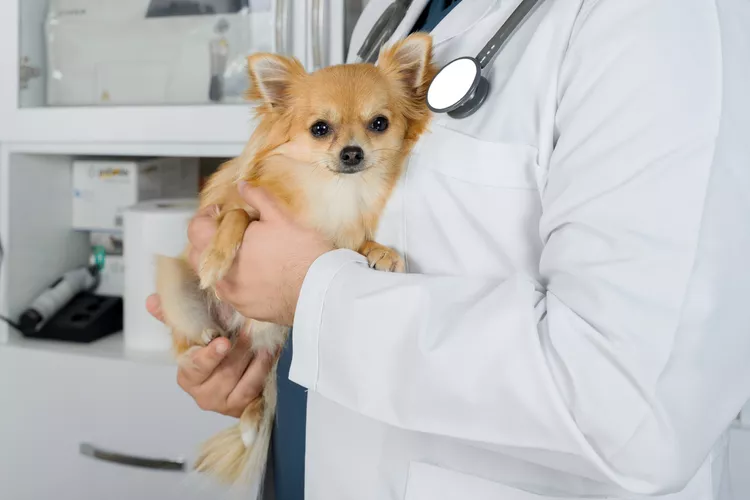
Legg-Calve-Perthes Disease in Dogs
Legg-Calve-Perthes is a congenital disorder affecting the hip joints of dogs—particularly small breeds. Learn the causes, treatment, and prevention.
Bloat in Dogs
Bloat, or gastric dilation volvulus (GDV), is an emergency that generally affects large breed dogs. Learn the causes, treatment, and prevention.
Anemia in Dogs
Anemia is a low red blood cell count. In dogs, it can indicate various problems—some of them serious. Learn the causes, treatment, and prevention.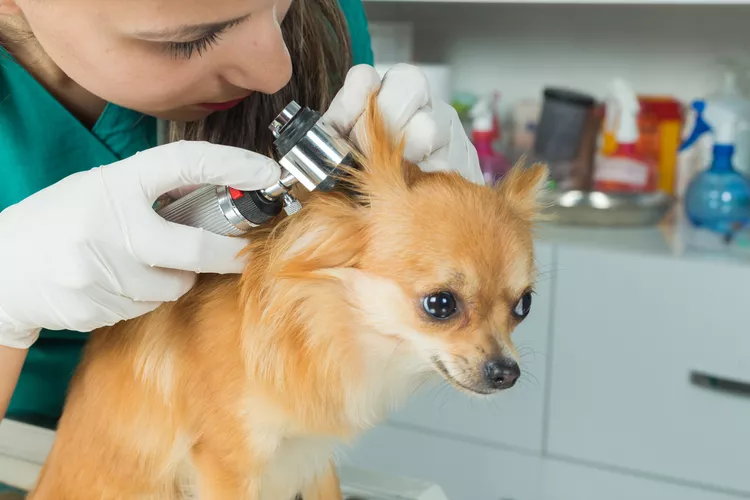
Ear Yeast Infections in Dogs
Ear yeast infections in dogs are common, uncomfortable, smell bad, and dangerous if untreated. Learn the causes, treatment, and prevention.
Neutering Your Dog Explained
What does it mean to neuter a dog? Learn about neutering or castration in dogs and why it is done. Find out what to expect when your dog is neutered.
Pyoderma in Dogs
Pyoderma is a skin infection commonly seen in puppies that may indicate a compromised immune system. Learn the causes, treatment, and prevention.
Dog Hiccups: How to Get Rid of Them
Dog hiccups in dogs are a fleeting nuisance in most cases, but sometimes they can mean something more. Learn what to watch for and find out how to get rid of dog hiccups.
5 Common Foods In Your Pantry That Are Not Safe For Your Pets
One potato chip is not going to hurt your pet, but there are other foods that can. Learn which to avoid and some safe foods that can be used as treats.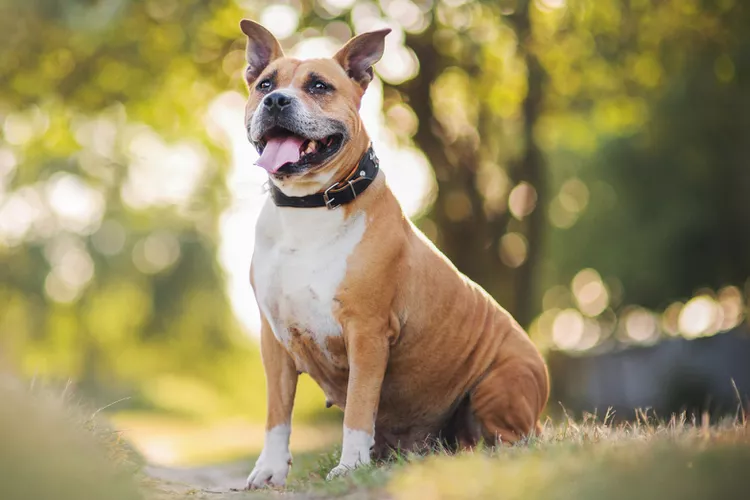
American Staffordshire Terrier: Breed Characteristics & Care
The American Staffordshire terrier is a type of pit bull with a friendly nature. Learn about the Am Staff's history, training, health, and more.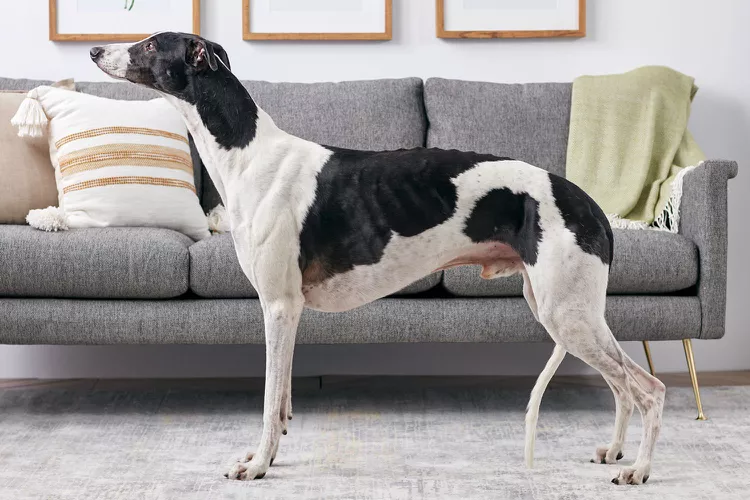
Greyhound: Dog Breed Characteristics & Care
Learn about the greyhound, the fastest dog breed in the world. They're also a loyal companion that's non-aggressive and good with children.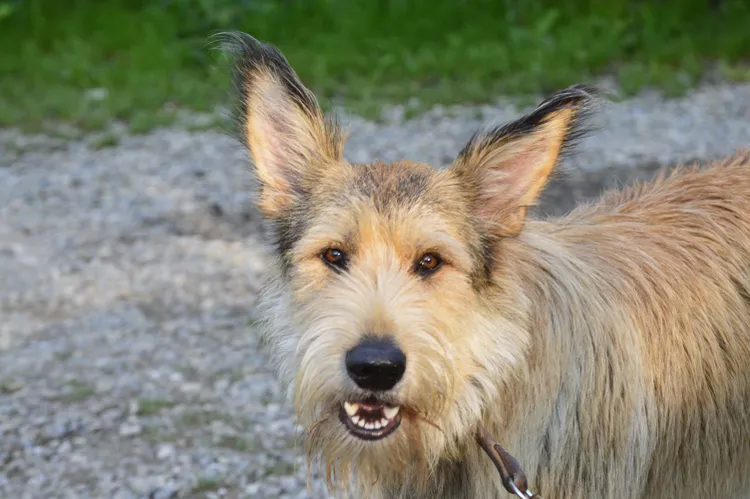
Berger Picard: Dog Breed Characteristics & Care
The Berger Picard is a French herding dog with a friendly smile and shaggy beard. Learn about its history, health, exercise needs, and more.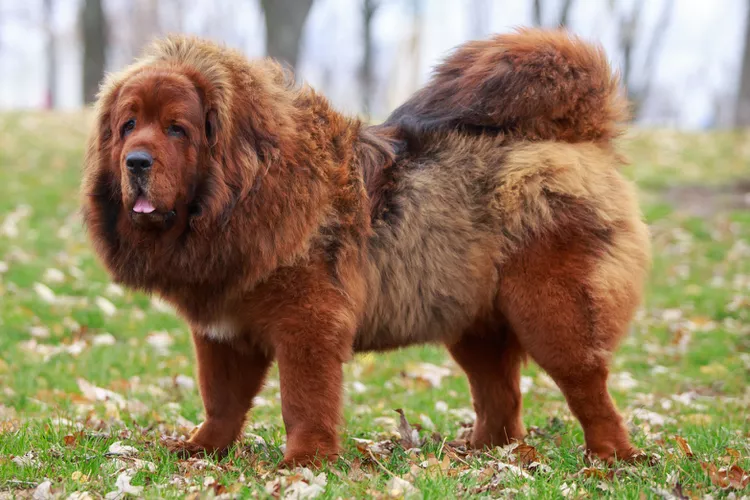
Tibetan Mastiff: Dog Breed Characteristics & Care
Learn about the Tibetan mastiff, an ancient guardian dog breed. This breed is known for their massive stature, flowing mane, and protective personality.
Can Dogs Eat Cantaloupe?
Find out if dogs can eat cantaloupe and if it's healthy. Learn how to feed dogs cantaloupe safely and what to watch out for.
Are Bones Safe for Dogs?
Are bones safe for dogs? Find out if it's really safe to give bones to dogs. Learn about the dangers of feeding bones to your dog.
Can Dogs Eat Kale?
Kale is rich in nutrients, but because it contains compounds that can harm dogs, veterinarians caution against making it a regular part of their diet.
Here’s How to Stop Your Dog from Jumping on You When Excited
Although it can be cute the first few times your dog jumps on you, it can quickly turn into a bad habit, especially if your pooch starts jumping on strangers. Here’s how to stop your dog from jumping on you when excited.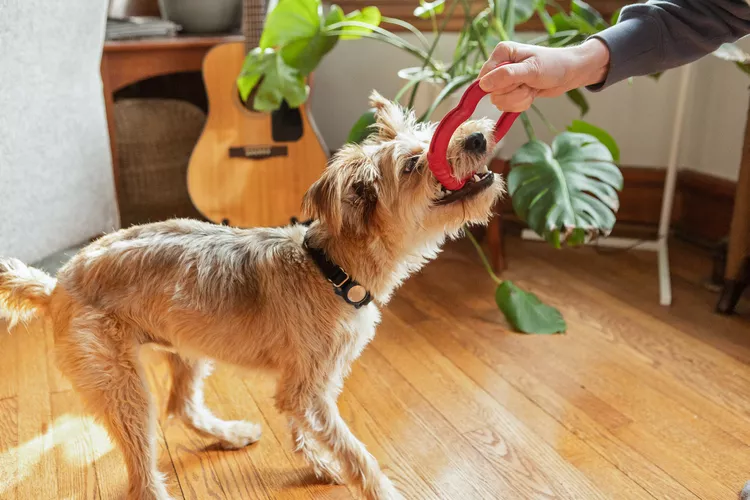
How to Stop Sudden Aggression in a Dog
It's not normal for a friendly dog to suddenly become aggressive. Sudden behavior changes may indicate a health problem and should not be ignored.
Different Meanings of a Dog's Wagging Tail
A dog wagging his tail is a common sight, but it may mean more than you think. Find out why dogs wag their tails and what canine tail wagging means.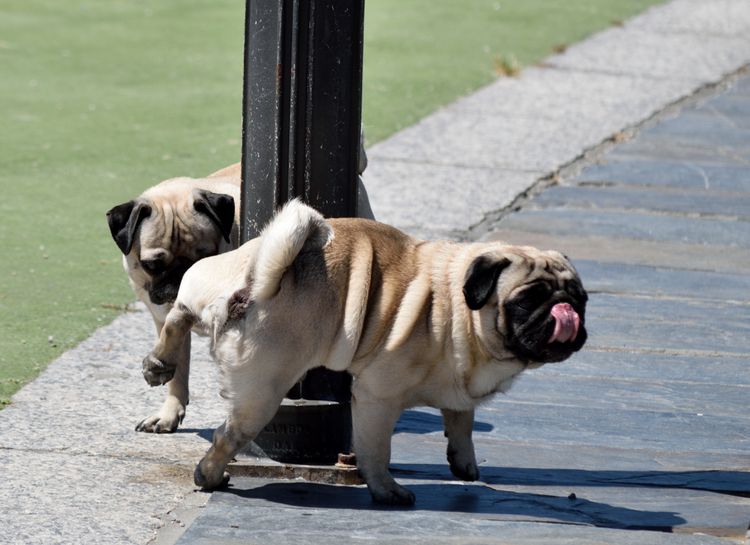
Why Do Dogs Lick Other Dogs' Pee?
Sometimes a dog will lick another dog's urine. Find out why dogs lick other dogs' pee and learn how to stop it.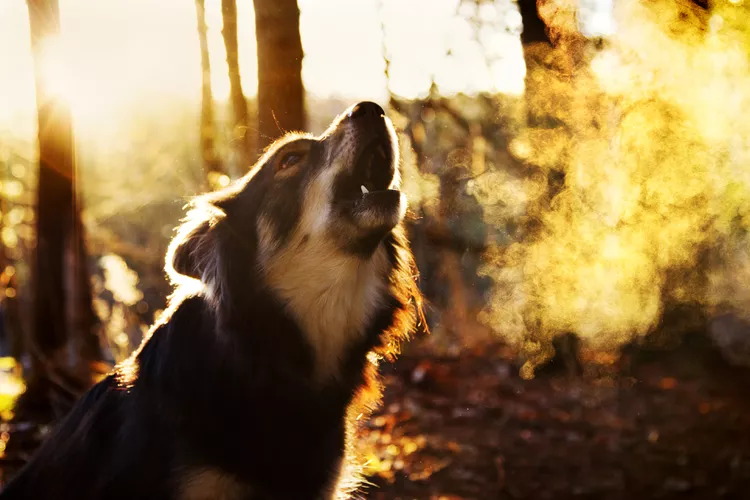
How to Stop Your Dog From Barking Excessively
All dogs bark, but excessive barking is a behavior problem. Learn how to help stop excessive barking and prevent it from happening all the time.