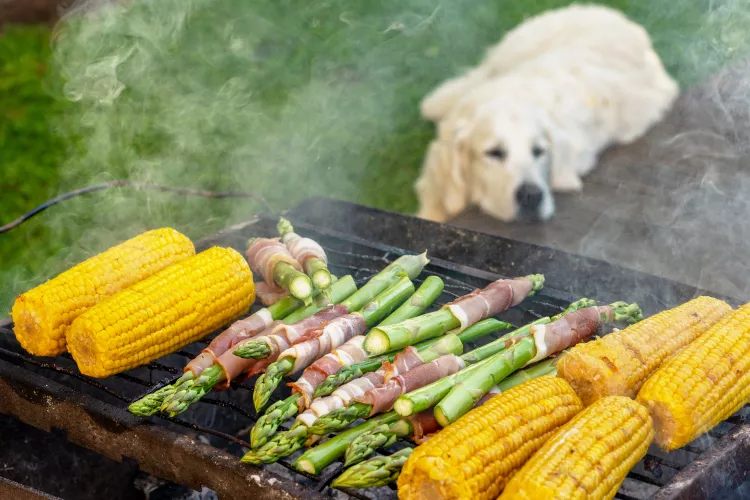
The question here isn't so much "can dogs eat asparagus?" It's more a query of whether you want to take the time to prepare it for them. That's because dogs can have asparagus—just as long as it's cooked, cut, and unseasoned.
That's a lot of work when your pup could just eat baby carrots or green beans, raw veggies that need little preparation. Nevertheless, asparagus offers dogs excellent nutritional value when fed in moderation. Just make sure your dogs aren't trying to consume a large, fiber-heavy piece that can make him sick.
"There are many other veggie options that are safe for dogs, many without the hassle of so much tough fiber, that might make better options for a daily treat," says Gabrielle Fadl, DVM and director of primary care at Bond Vet.
Here's what else to know about asparagus and dogs:
When it's prepared properly, asparagus has several health benefits for dogs. Namely, it encourages "healthy gut bacteria" and regular poops, Fadl says. That's because it's high in fiber.
Asparagus is healthy for dogs for many of the same reasons it's healthy for us. It's a low-calorie snack that includes a myriad of vitamins—B, A, C— as well as iron and potassium. It even offers a little bit of protein, so it can be an excellent compliment to your dog's diet.
So yes, Fadl agrees that asparagus is a healthy option for dogs looking to keep their weight in check or avoid obesity. Dogs' asparagus just needs to be cooked first and consider avoiding any thick fibrous stalks.
You have to cook asparagus plain for your dog to safely consume it, Fadl says. That might mean boiling it because cooking oil and popular asparagus seasonings can make your pup sick. (More on that below.)
After cooking the asparagus, you'll want to cut the stalks into pieces so your dog can eat them. Big pieces, especially when a small dog is eating, can be a choking or digestive hazard. In fact, it's probably a good idea to save the bottom of the stalk—the toughest part—for yourself or the trash can.
If you plan to feed your dog asparagus, check with your veterinarian first. They'll tell you how to specifically prepare it for your dog or whether you should look for an alternative snack.
No, dogs should not eat raw asparagus. While the veggie's fiber is healthy for dogs, it's also what makes raw asparagus tough, Fadl says. Dogs ingesting the harder pieces can experience:
Remember, these risks persist even if you cook the asparagus and cut the stalk up for your dog properly. That's why you should check with your vet before purposely feeding your dog asparagus.
Dogs shouldn't eat flavored asparagus, either. That means no butter, salt, garlic, and other seasonings. Some are unhealthy for dogs—offering high amounts of fat or calories—while garlic and onions can cause anemia.
If your dog does consume a flavored piece of asparagus that falls on the floor, Fadl recommends keeping a close eye on them, monitoring them for any of the above signs. If your dog becomes especially sick, know how to reach an emergency vet or pet poison hotline quickly.
Because we humans usually don't consume that much unseasoned asparagus, it might be better for your dog to enjoy one of the following:
As always, talk with your vet before you make any significant change to your dog's diet.
Legg-Calve-Perthes Disease in Dogs
Legg-Calve-Perthes is a congenital disorder affecting the hip joints of dogs—particularly small breeds. Learn the causes, treatment, and prevention.
Bloat in Dogs
Bloat, or gastric dilation volvulus (GDV), is an emergency that generally affects large breed dogs. Learn the causes, treatment, and prevention.
Anemia in Dogs
Anemia is a low red blood cell count. In dogs, it can indicate various problems—some of them serious. Learn the causes, treatment, and prevention.
Ear Yeast Infections in Dogs
Ear yeast infections in dogs are common, uncomfortable, smell bad, and dangerous if untreated. Learn the causes, treatment, and prevention.
Neutering Your Dog Explained
What does it mean to neuter a dog? Learn about neutering or castration in dogs and why it is done. Find out what to expect when your dog is neutered.
Pyoderma in Dogs
Pyoderma is a skin infection commonly seen in puppies that may indicate a compromised immune system. Learn the causes, treatment, and prevention.
Dog Hiccups: How to Get Rid of Them
Dog hiccups in dogs are a fleeting nuisance in most cases, but sometimes they can mean something more. Learn what to watch for and find out how to get rid of dog hiccups.
5 Common Foods In Your Pantry That Are Not Safe For Your Pets
One potato chip is not going to hurt your pet, but there are other foods that can. Learn which to avoid and some safe foods that can be used as treats.
American Staffordshire Terrier: Breed Characteristics & Care
The American Staffordshire terrier is a type of pit bull with a friendly nature. Learn about the Am Staff's history, training, health, and more.
Greyhound: Dog Breed Characteristics & Care
Learn about the greyhound, the fastest dog breed in the world. They're also a loyal companion that's non-aggressive and good with children.
Berger Picard: Dog Breed Characteristics & Care
The Berger Picard is a French herding dog with a friendly smile and shaggy beard. Learn about its history, health, exercise needs, and more.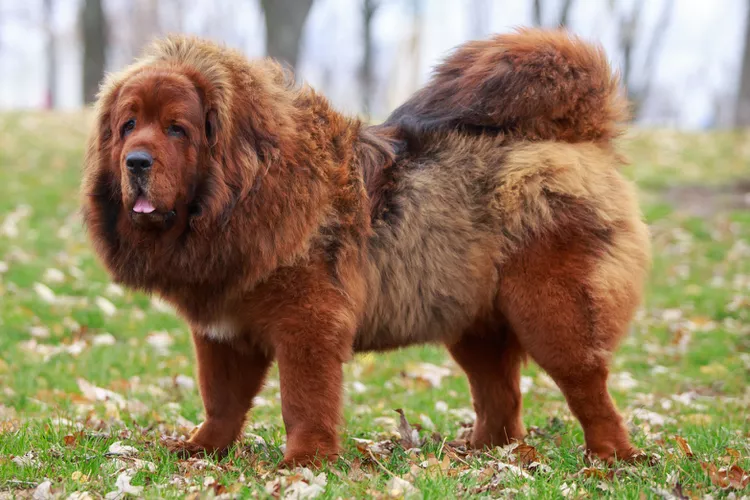
Tibetan Mastiff: Dog Breed Characteristics & Care
Learn about the Tibetan mastiff, an ancient guardian dog breed. This breed is known for their massive stature, flowing mane, and protective personality.
Can Dogs Eat Cantaloupe?
Find out if dogs can eat cantaloupe and if it's healthy. Learn how to feed dogs cantaloupe safely and what to watch out for.
Are Bones Safe for Dogs?
Are bones safe for dogs? Find out if it's really safe to give bones to dogs. Learn about the dangers of feeding bones to your dog.
Can Dogs Eat Kale?
Kale is rich in nutrients, but because it contains compounds that can harm dogs, veterinarians caution against making it a regular part of their diet.
Here’s How to Stop Your Dog from Jumping on You When Excited
Although it can be cute the first few times your dog jumps on you, it can quickly turn into a bad habit, especially if your pooch starts jumping on strangers. Here’s how to stop your dog from jumping on you when excited.
How to Stop Sudden Aggression in a Dog
It's not normal for a friendly dog to suddenly become aggressive. Sudden behavior changes may indicate a health problem and should not be ignored.
Different Meanings of a Dog's Wagging Tail
A dog wagging his tail is a common sight, but it may mean more than you think. Find out why dogs wag their tails and what canine tail wagging means.
Why Do Dogs Lick Other Dogs' Pee?
Sometimes a dog will lick another dog's urine. Find out why dogs lick other dogs' pee and learn how to stop it.
How to Stop Your Dog From Barking Excessively
All dogs bark, but excessive barking is a behavior problem. Learn how to help stop excessive barking and prevent it from happening all the time.