Jumping up is a common behavior problem among dogs, but there are several solutions to stop a dog from jumping on you when excited. Most of the time, jumping only indicates that your dog is seeking attention. The good news is that you can train your dog to stop jumping on people and start greeting everyone more politely.
Here's how to curb your dog's bunny rabbit-like behavior.
You might inadvertently be rewarding your dog for jumping up on you by giving them what they want; your attention. Even negative attention may be better than no attention to some dogs so if you are yelling or reacting in a dramatic way when your dog jumps, this can still reinforce the behavior. Your dog doesn't necessarily realize that when you push them off or yell at them to get down that you're attempting to discourage them.
In this case, any attention your dog gets from you or others may be perceived as a reward. It makes sense then that if you want to teach your dog not to jump, it will need to be rewarded for keeping all four paws on the ground, instead of jumping up.
Training your dog not to jump up on people takes patience and persistence on your part. Be aware that there are actions that you should take and others that you should avoid. Be consistent when you're training your dog, and you'll be rewarded with a best friend who keeps its front paws to itself.
The first part of teaching a dog not to jump up involves withholding your attention. There are a couple of ways to do this:
When you're working on preventing unwanted jumping, it can really help to keep some treats close at hand. As soon as your dog is standing in front of you with all four paws on the ground, toss it a treat. Praise your dog as well, but keep things low-key. Too much excitement or high-pitched squeals from you may stimulate another round of jumping. Try to project a calm, quiet, presence.
It helps if you can set up situations to practice with your dog. For instance, if the jumping occurs most often when you come home after work, spend a few minutes several times a day coming and going. Don't make a big fuss over your dog and step back outside if it jumps up. Offer a reward anytime all four feet are simultaneously on the floor.
Once your dog is able to keep four paws on the floor for a few seconds or more, start asking it to sit. Walk into a room or through the front door and give the command "sit." As soon as the dog sits, offer a treat. Practice this over several training sessions. With plenty of repetitions, your dog will start sitting as soon as you walk through the door or enter the room.
It's not enough that you practice with your dog. You should also involve friends and family in this training. Otherwise, your dog may learn that it's not OK to jump up on you but everyone else is fair game. Having other people help with this training teaches your dog to keep all four paws down no matter who comes into the room.
You may have heard about methods of training a dog not to jump that call for physical punishment or aversive. One such method is a knee to the dog's chest. Another is using leash correction—pulling or yanking on the leash—to get the dog off you. There are several problems with these methods:
Lavender is an essential oil commonly used for aromatherapy and is known to be soothing to the central nervous system and calming when inhaled by humans and animals alike!
Disciplining using painful or scary stimuli will not be as effective as rewarding good behavior. Always prioritize positive reinforcement with your dog.
Legg-Calve-Perthes Disease in Dogs
Legg-Calve-Perthes is a congenital disorder affecting the hip joints of dogs—particularly small breeds. Learn the causes, treatment, and prevention.
Bloat in Dogs
Bloat, or gastric dilation volvulus (GDV), is an emergency that generally affects large breed dogs. Learn the causes, treatment, and prevention.
Anemia in Dogs
Anemia is a low red blood cell count. In dogs, it can indicate various problems—some of them serious. Learn the causes, treatment, and prevention.
Ear Yeast Infections in Dogs
Ear yeast infections in dogs are common, uncomfortable, smell bad, and dangerous if untreated. Learn the causes, treatment, and prevention.
Neutering Your Dog Explained
What does it mean to neuter a dog? Learn about neutering or castration in dogs and why it is done. Find out what to expect when your dog is neutered.
Pyoderma in Dogs
Pyoderma is a skin infection commonly seen in puppies that may indicate a compromised immune system. Learn the causes, treatment, and prevention.
Dog Hiccups: How to Get Rid of Them
Dog hiccups in dogs are a fleeting nuisance in most cases, but sometimes they can mean something more. Learn what to watch for and find out how to get rid of dog hiccups.
5 Common Foods In Your Pantry That Are Not Safe For Your Pets
One potato chip is not going to hurt your pet, but there are other foods that can. Learn which to avoid and some safe foods that can be used as treats.
American Staffordshire Terrier: Breed Characteristics & Care
The American Staffordshire terrier is a type of pit bull with a friendly nature. Learn about the Am Staff's history, training, health, and more.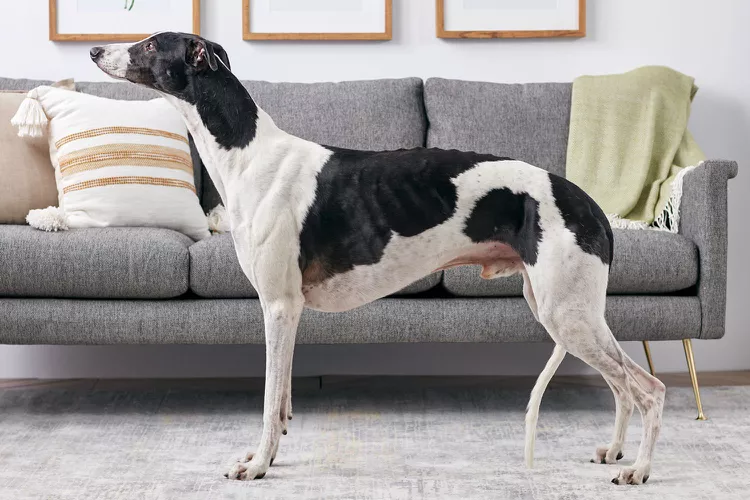
Greyhound: Dog Breed Characteristics & Care
Learn about the greyhound, the fastest dog breed in the world. They're also a loyal companion that's non-aggressive and good with children.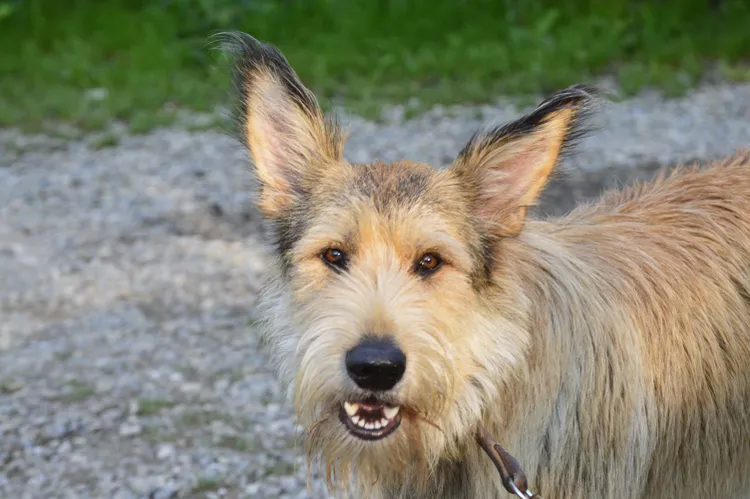
Berger Picard: Dog Breed Characteristics & Care
The Berger Picard is a French herding dog with a friendly smile and shaggy beard. Learn about its history, health, exercise needs, and more.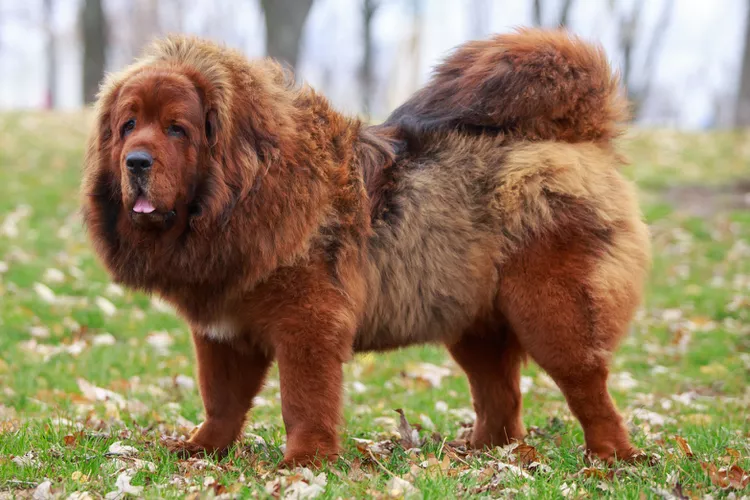
Tibetan Mastiff: Dog Breed Characteristics & Care
Learn about the Tibetan mastiff, an ancient guardian dog breed. This breed is known for their massive stature, flowing mane, and protective personality.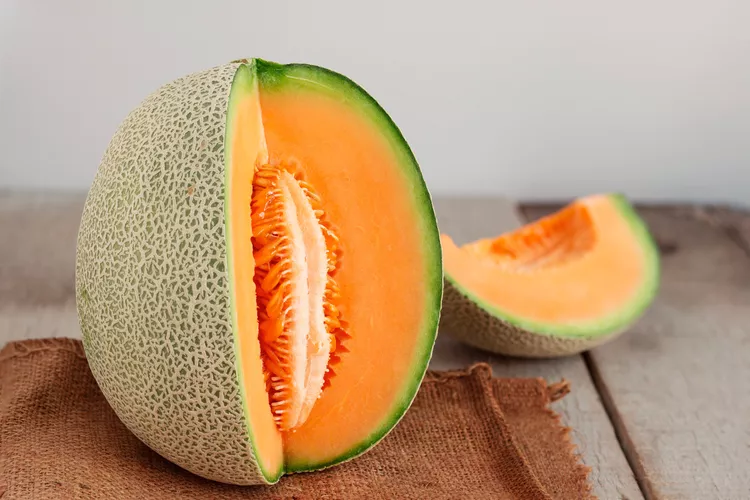
Can Dogs Eat Cantaloupe?
Find out if dogs can eat cantaloupe and if it's healthy. Learn how to feed dogs cantaloupe safely and what to watch out for.
Are Bones Safe for Dogs?
Are bones safe for dogs? Find out if it's really safe to give bones to dogs. Learn about the dangers of feeding bones to your dog.
Can Dogs Eat Kale?
Kale is rich in nutrients, but because it contains compounds that can harm dogs, veterinarians caution against making it a regular part of their diet.
Here’s How to Stop Your Dog from Jumping on You When Excited
Although it can be cute the first few times your dog jumps on you, it can quickly turn into a bad habit, especially if your pooch starts jumping on strangers. Here’s how to stop your dog from jumping on you when excited.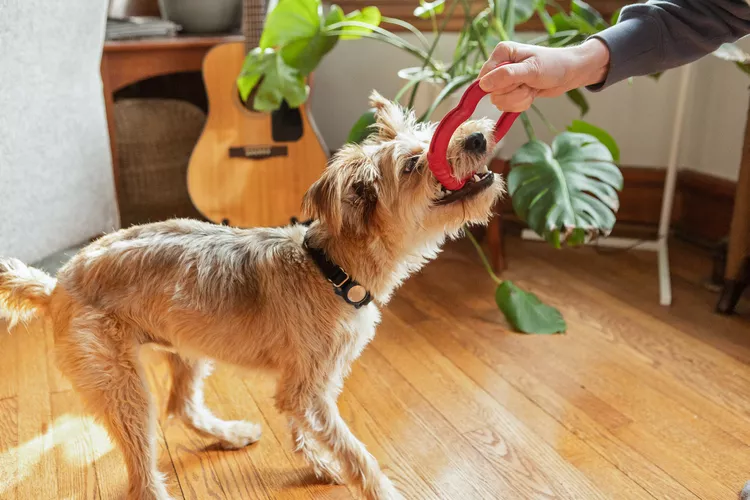
How to Stop Sudden Aggression in a Dog
It's not normal for a friendly dog to suddenly become aggressive. Sudden behavior changes may indicate a health problem and should not be ignored.
Different Meanings of a Dog's Wagging Tail
A dog wagging his tail is a common sight, but it may mean more than you think. Find out why dogs wag their tails and what canine tail wagging means.
Why Do Dogs Lick Other Dogs' Pee?
Sometimes a dog will lick another dog's urine. Find out why dogs lick other dogs' pee and learn how to stop it.
How to Stop Your Dog From Barking Excessively
All dogs bark, but excessive barking is a behavior problem. Learn how to help stop excessive barking and prevent it from happening all the time.