Dogs love to chew on bones. And we dog lovers want to give dogs what they want. So, we often give our dogs big delicious bones that make them so happy. However, this might not be the safest way to treat your dog.
In general, bones are not the safest or healthiest treats for dogs. Most bones are dangerous for dogs because they can cause certain health problems. While not all pet experts agree on this topic, most veterinary health professionals can tell you plenty of bone-related horror stories.
The longtime assumption that bones are appropriate canine treats is off track. Cooked bones are the riskiest. Raw bones, on the other hand, are a subject of debate because they are softer and potentially more digestible. However, raw bones are not completely safe. The same goes for other raw parts, such as chicken feet.
Some dogs will chew bones their whole lives and never experience an issue. Others will have an emergency with just one bone. In part, it depends on the chewing style of the dog. The size, shape, and type of bone is also a factor. Unfortunately, much depends on luck.
There are several potential complications associated with bones and dogs. These problems can occur in dogs after eating bones, even if they are raw bones.
Sure, dogs love bones, but it doesn’t mean they should all be allowed to eat them. The risks associated with feeding bones to dogs apply to bones from all kinds of animals, whether they are raw or cooked. However, the risks are highest with cooked bones, especially those from poultry because they tend to splinter.
If you wish to feed your dog raw meaty bones, talk to your vet about raw turkey necks. Not all experts agree that they are safe, but they are comprised mainly of cartilage and soft bones. Therefore, they may be considered digestible when raw. However, raw food also comes with risk, including salmonella or septicemia, a severe blood infection. Additionally, humans in the house could be at risk of salmonella from cleaning up the remains of the turkey neck or picking up pet waste that contains them.
Animal hooves and antlers can be equally dangerous. The size of your dog is not necessarily a factor either; any type of dog can be affected. However, small dogs eating large bones are obviously at a greater risk.
Even if you have given bones to your dog in the past without complications, it does not mean that everything will turn out fine the next time you feed a bone. Be sure you understand the risks before giving your dog any type of bone or chew. Then, make sure you supervise your dog's chewing in case something goes wrong.
Chewing is instinctively necessary for dogs. To help satisfy your dog's need to chew without giving bones, look for safer alternatives. No matter what you give your dog to chew on, always be certain that you supervise your dog.
Specially made dog toys, dental chews, and other dog treat varieties can be excellent ways to satisfy your dog's need to chew. Again, be sure to talk to your veterinarian about the best options for your dog.
Use caution when discarding bones that are leftover from food. Your best bet is to take them directly to the outside trash provided it is out of your dog's reach. Treat bones as you would all other foods that are toxic to dogs.
If you suspect your dog has experienced a bone-related complication, contact a veterinarian immediately.
Legg-Calve-Perthes Disease in Dogs
Legg-Calve-Perthes is a congenital disorder affecting the hip joints of dogs—particularly small breeds. Learn the causes, treatment, and prevention.
Bloat in Dogs
Bloat, or gastric dilation volvulus (GDV), is an emergency that generally affects large breed dogs. Learn the causes, treatment, and prevention.
Anemia in Dogs
Anemia is a low red blood cell count. In dogs, it can indicate various problems—some of them serious. Learn the causes, treatment, and prevention.
Ear Yeast Infections in Dogs
Ear yeast infections in dogs are common, uncomfortable, smell bad, and dangerous if untreated. Learn the causes, treatment, and prevention.
Neutering Your Dog Explained
What does it mean to neuter a dog? Learn about neutering or castration in dogs and why it is done. Find out what to expect when your dog is neutered.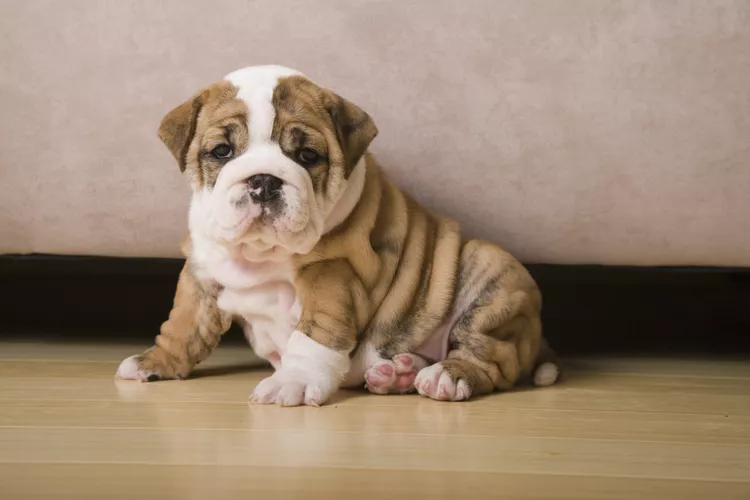
Pyoderma in Dogs
Pyoderma is a skin infection commonly seen in puppies that may indicate a compromised immune system. Learn the causes, treatment, and prevention.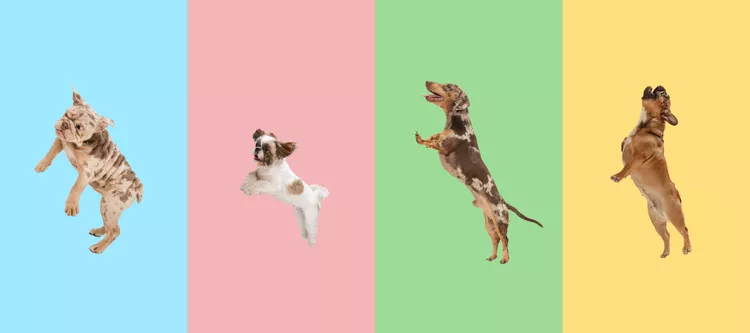
Dog Hiccups: How to Get Rid of Them
Dog hiccups in dogs are a fleeting nuisance in most cases, but sometimes they can mean something more. Learn what to watch for and find out how to get rid of dog hiccups.
5 Common Foods In Your Pantry That Are Not Safe For Your Pets
One potato chip is not going to hurt your pet, but there are other foods that can. Learn which to avoid and some safe foods that can be used as treats.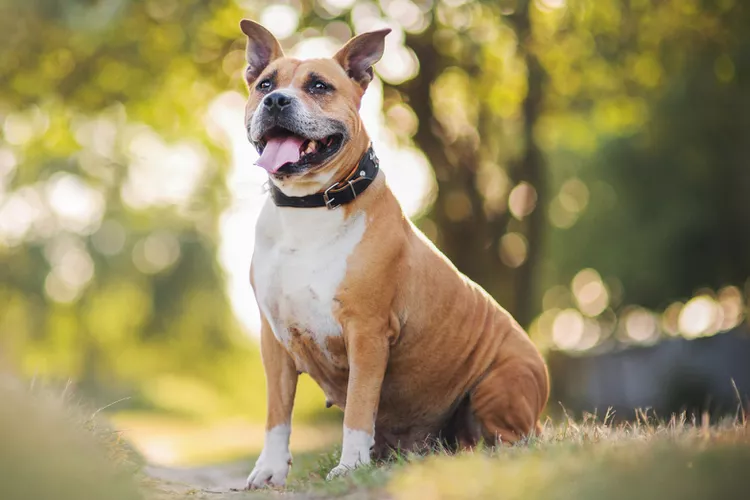
American Staffordshire Terrier: Breed Characteristics & Care
The American Staffordshire terrier is a type of pit bull with a friendly nature. Learn about the Am Staff's history, training, health, and more.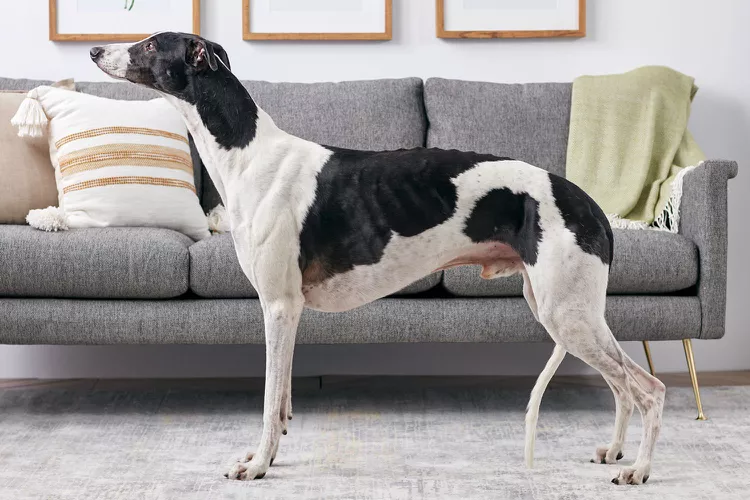
Greyhound: Dog Breed Characteristics & Care
Learn about the greyhound, the fastest dog breed in the world. They're also a loyal companion that's non-aggressive and good with children.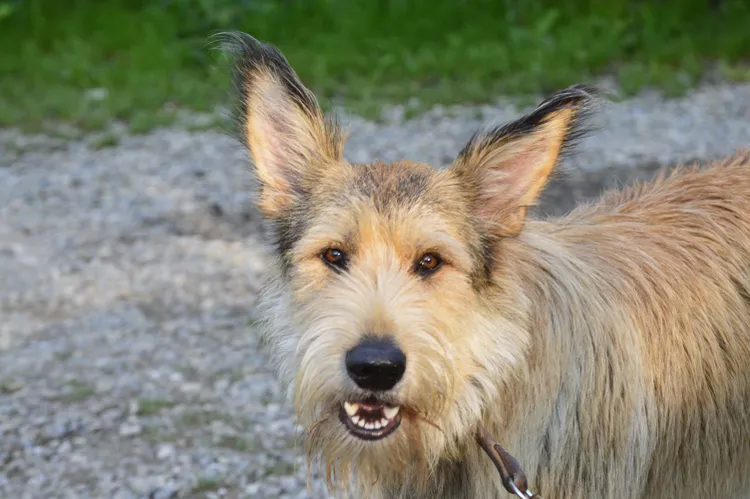
Berger Picard: Dog Breed Characteristics & Care
The Berger Picard is a French herding dog with a friendly smile and shaggy beard. Learn about its history, health, exercise needs, and more.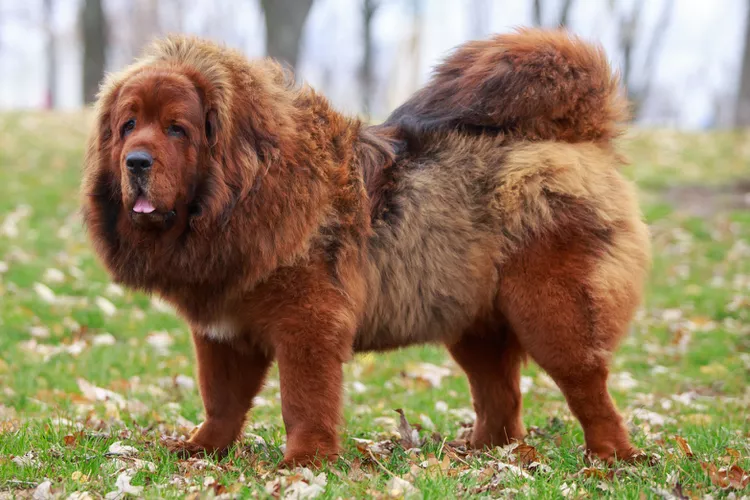
Tibetan Mastiff: Dog Breed Characteristics & Care
Learn about the Tibetan mastiff, an ancient guardian dog breed. This breed is known for their massive stature, flowing mane, and protective personality.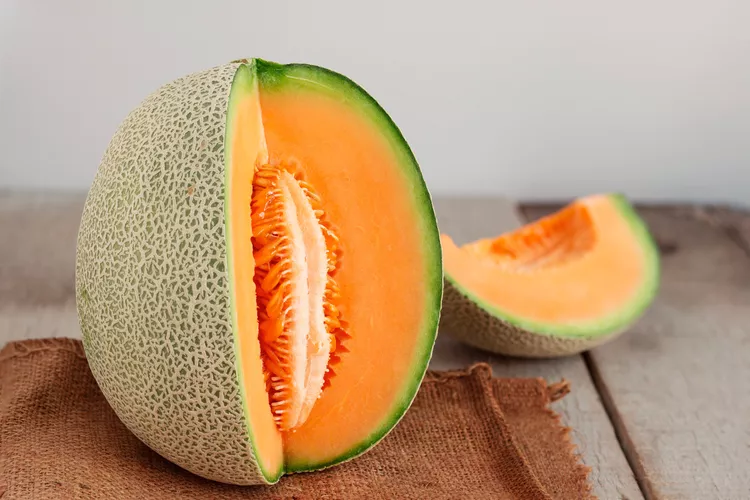
Can Dogs Eat Cantaloupe?
Find out if dogs can eat cantaloupe and if it's healthy. Learn how to feed dogs cantaloupe safely and what to watch out for.
Are Bones Safe for Dogs?
Are bones safe for dogs? Find out if it's really safe to give bones to dogs. Learn about the dangers of feeding bones to your dog.
Can Dogs Eat Kale?
Kale is rich in nutrients, but because it contains compounds that can harm dogs, veterinarians caution against making it a regular part of their diet.
Here’s How to Stop Your Dog from Jumping on You When Excited
Although it can be cute the first few times your dog jumps on you, it can quickly turn into a bad habit, especially if your pooch starts jumping on strangers. Here’s how to stop your dog from jumping on you when excited.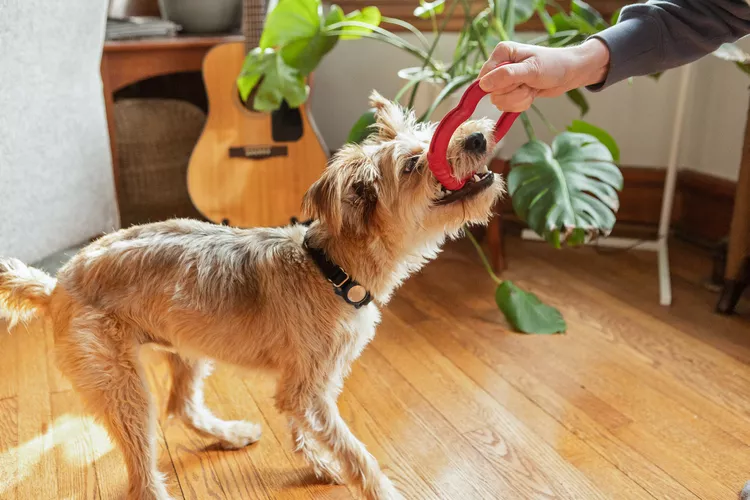
How to Stop Sudden Aggression in a Dog
It's not normal for a friendly dog to suddenly become aggressive. Sudden behavior changes may indicate a health problem and should not be ignored.
Different Meanings of a Dog's Wagging Tail
A dog wagging his tail is a common sight, but it may mean more than you think. Find out why dogs wag their tails and what canine tail wagging means.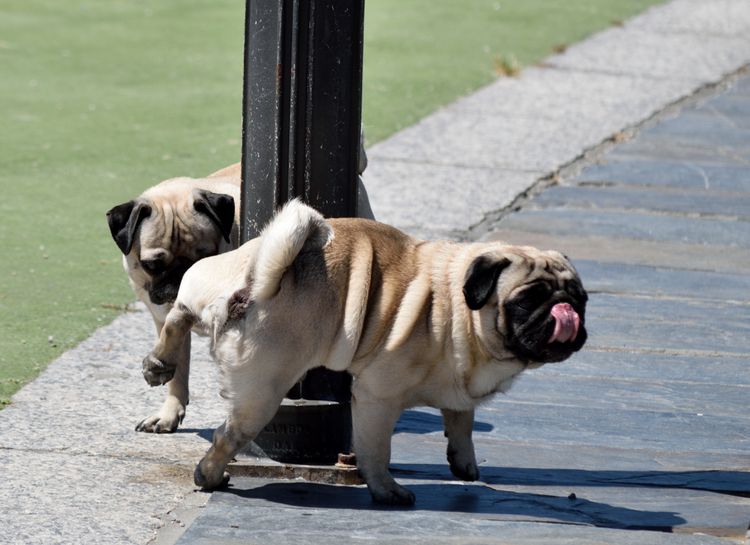
Why Do Dogs Lick Other Dogs' Pee?
Sometimes a dog will lick another dog's urine. Find out why dogs lick other dogs' pee and learn how to stop it.
How to Stop Your Dog From Barking Excessively
All dogs bark, but excessive barking is a behavior problem. Learn how to help stop excessive barking and prevent it from happening all the time.