The term "neuter" is used to describe castration in a dog. It is the surgical removal of a male dog's testicles. Neutering must be performed under general anesthesia by a licensed veterinarian. Neutering is sometimes referred to as getting the dog "fixed."
Dogs are neutered for many reasons, including to eliminate the possibility of reproduction. Another reason for neutering is to prevent reproductive cancers and other health problems that occur in intact (un-neutered) male dogs, and to avoid certain behaviors associated with male hormones. Hormone-related behaviors like marking and humping may be prevented or decreased by neutering. In addition, an intact male dog can go to extremes to pursue a female in heat. This can lead to the dog escaping, getting injured, or fighting with other dogs.
Puppies are usually neutered between six and twelve months of age although it can safely be done at any age, including in much older dogs. Some dogs are neutered earlier, especially in shelter settings. These dogs have not yet reached sexual maturity (puberty) but early neutering allows these dogs to be adopted sooner and ensures they will not be bred. Neutering eliminates the risk of testicular cancers and testicular torsions, and reduces the risks for other health problems including prostate infections, certain kinds of bladder stones, and perineal hernias. In some cases, neutering is done as part of a treatment for these medical conditions.
While neutering is considered a routine surgery, the procedure is not without risk. As with any surgical procedure, risks include an adverse reaction to anesthesia, bleeding, bruising, and infection. Fortunately, complications are uncommon.
It's important for a veterinarian to thoroughly examine the dog and perform lab work prior to surgery. The veterinarian can detect health issues that increase the risks of complications during and after surgery.
Overall, the prognosis for a full recovery is excellent in healthy dogs.
Prior to surgery, the dog is anesthetized. This typically involves a painless injection of an anesthetic drug through an intravenous catheter. Pain medication may be given in advance or during recovery. Next, a breathing tube is placed in the dog's trachea to maintain an open airway and deliver oxygen mixed with gas anesthesia. The gas percentage is adjusted to maintain the optimum anesthesia level.
Once the dog is anesthetized, monitors that measure the dog's vital parameters (breathing rate, heart rate, blood oxygenation level) are attached. Vital signs are monitored and recorded to ensure the dog is safe during the procedure. Technicians take measures to keep the dog warm because body temperature naturally drops during anesthesia. Intravenous fluids may be administered to maintain blood pressure during surgery.
Next, the anesthetized dog is placed on his back. A technician shaves the hair above the scrotum (below the penis) and scrubs the skin with a special surgical cleanser that removes dirt and microbes. The veterinarian "scrubs in" by thoroughly cleaning their hands, wrists, and forearms with a specialized surgical cleanser. They put on a sterile surgical gown and gloves. To prevent the spread of germs, all staff members in the operating room wear caps to cover their hair and masks to cover their mouths and noses and covers over their shoes.
Before making the first cut, the veterinarian covers the dog with sterile drapes to keep germs and debris from getting into the surgery site. A scalpel is used to make a small incision through the layers of skin and tissue between the scrotum and the penis. Using special surgical instruments, the vet isolates the spermatic cord which contains the blood supply and skillfully ties it off with sutures before carefully cutting away the testicles. The incision is often closed with absorbable internal sutures so you don't have to return to the veterinarian to have them removed. Some vets use special skin glue to cover the knot in the suture for extra security, other cases may require visible external sutures. This is based on the vet's expertise and the dog's specific needs.
After the surgery is complete, a technician will clean the incision gently and move the dog to recovery. Additional pain medication may be given depending on the dog's needs and sometimes ice is applied to reduce inflammation around the incision. The goal is for the dog to wake up in a soft, warm bed with as little pain as possible.
The entire process from the time anesthesia starts to the time the dogs is awake lasts between 30-60 minutes. The surgery itself typically takes about 20 minutes.
Most dogs recover quickly after surgery. However, it is important to restrict your dog's activity for about two weeks after surgery. This allows the surgery site to heal properly. Running and jumping can cause stitches to tear or cause inflammation and bleeding that impedes healing.
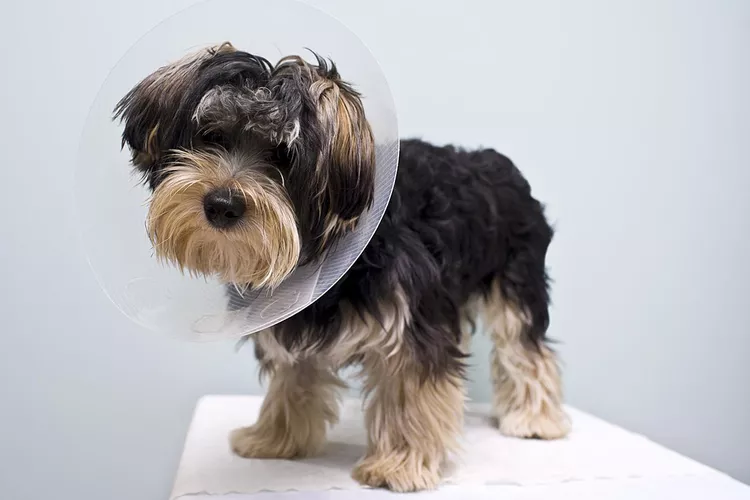
In addition, it's important to keep your dog from licking the incision. Licking causes irritation and introduces bacteria, both of which can cause infection. Some dogs can actually chew out their stitches as well if they are able to lick and this may require an additional surgery to close the wound. For this reason, many vets recommend using an e-collar after surgery. This piece of dog recovery wear is the conical collar jokingly called the "cone of shame."
Many times dogs are sent home with a few days' worth of pain medication. This should be given as prescribed even if your dog seems to be acting just fine, as these medications help to reduce inflammation and can prevent a cycle of pain and inflammation from setting in.
If your vet placed external sutures, these will need to be removed about 10 to 14 days after surgery. This can be done during a brief visit to your vet's office.
Legg-Calve-Perthes Disease in Dogs
Legg-Calve-Perthes is a congenital disorder affecting the hip joints of dogs—particularly small breeds. Learn the causes, treatment, and prevention.
Bloat in Dogs
Bloat, or gastric dilation volvulus (GDV), is an emergency that generally affects large breed dogs. Learn the causes, treatment, and prevention.
Anemia in Dogs
Anemia is a low red blood cell count. In dogs, it can indicate various problems—some of them serious. Learn the causes, treatment, and prevention.
Ear Yeast Infections in Dogs
Ear yeast infections in dogs are common, uncomfortable, smell bad, and dangerous if untreated. Learn the causes, treatment, and prevention.
Neutering Your Dog Explained
What does it mean to neuter a dog? Learn about neutering or castration in dogs and why it is done. Find out what to expect when your dog is neutered.
Pyoderma in Dogs
Pyoderma is a skin infection commonly seen in puppies that may indicate a compromised immune system. Learn the causes, treatment, and prevention.
Dog Hiccups: How to Get Rid of Them
Dog hiccups in dogs are a fleeting nuisance in most cases, but sometimes they can mean something more. Learn what to watch for and find out how to get rid of dog hiccups.
5 Common Foods In Your Pantry That Are Not Safe For Your Pets
One potato chip is not going to hurt your pet, but there are other foods that can. Learn which to avoid and some safe foods that can be used as treats.
American Staffordshire Terrier: Breed Characteristics & Care
The American Staffordshire terrier is a type of pit bull with a friendly nature. Learn about the Am Staff's history, training, health, and more.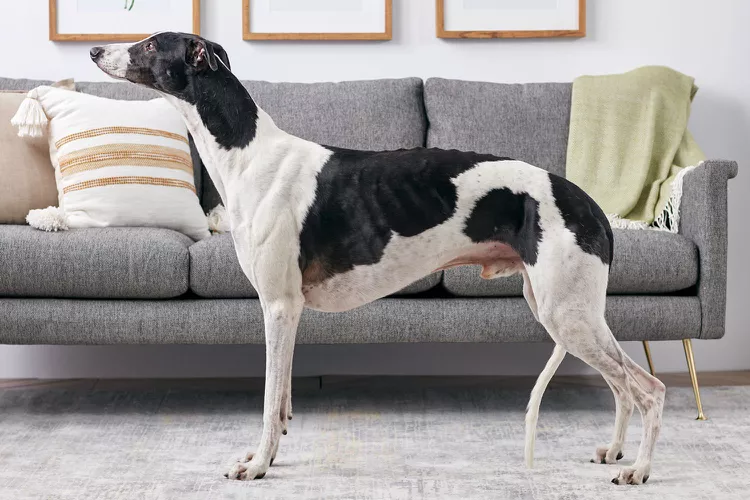
Greyhound: Dog Breed Characteristics & Care
Learn about the greyhound, the fastest dog breed in the world. They're also a loyal companion that's non-aggressive and good with children.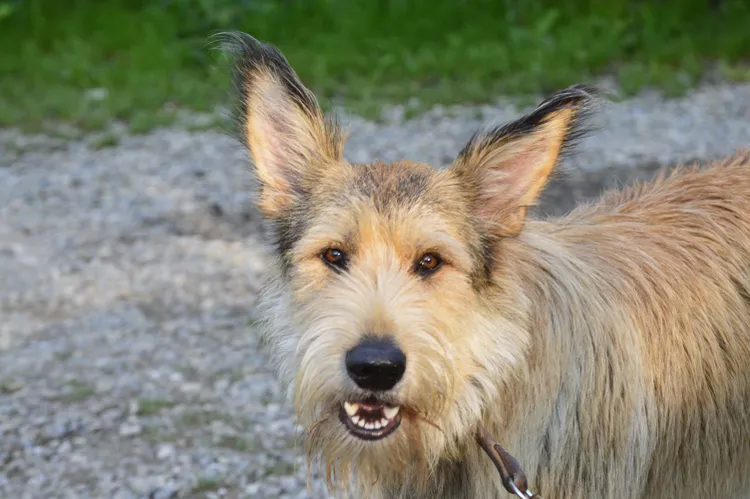
Berger Picard: Dog Breed Characteristics & Care
The Berger Picard is a French herding dog with a friendly smile and shaggy beard. Learn about its history, health, exercise needs, and more.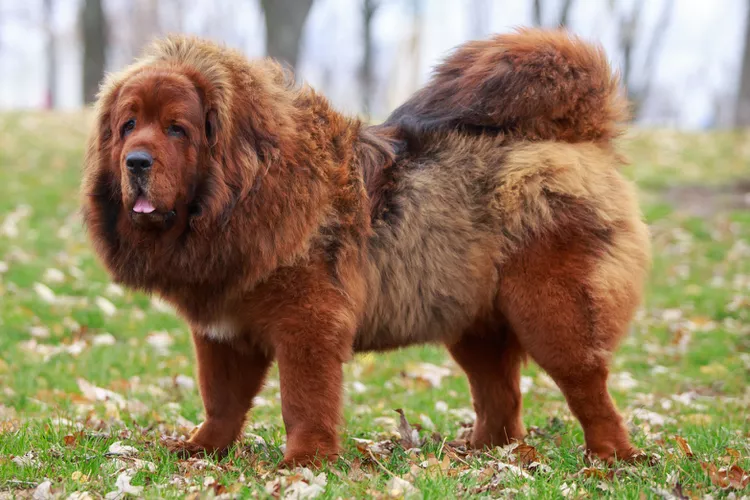
Tibetan Mastiff: Dog Breed Characteristics & Care
Learn about the Tibetan mastiff, an ancient guardian dog breed. This breed is known for their massive stature, flowing mane, and protective personality.
Can Dogs Eat Cantaloupe?
Find out if dogs can eat cantaloupe and if it's healthy. Learn how to feed dogs cantaloupe safely and what to watch out for.
Are Bones Safe for Dogs?
Are bones safe for dogs? Find out if it's really safe to give bones to dogs. Learn about the dangers of feeding bones to your dog.
Can Dogs Eat Kale?
Kale is rich in nutrients, but because it contains compounds that can harm dogs, veterinarians caution against making it a regular part of their diet.
Here’s How to Stop Your Dog from Jumping on You When Excited
Although it can be cute the first few times your dog jumps on you, it can quickly turn into a bad habit, especially if your pooch starts jumping on strangers. Here’s how to stop your dog from jumping on you when excited.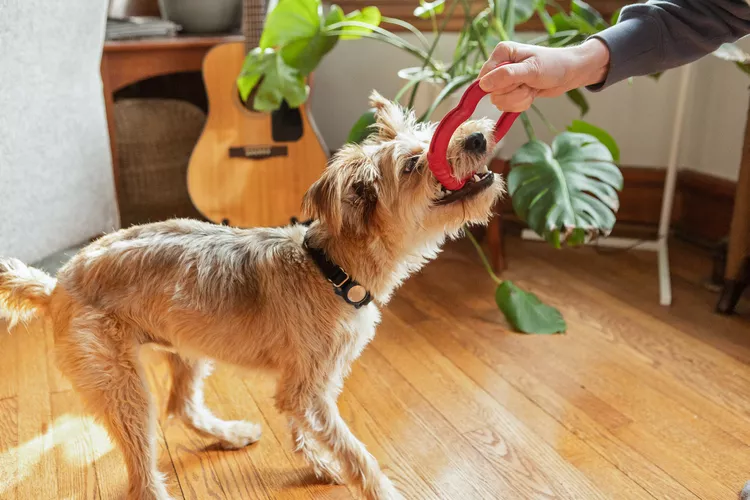
How to Stop Sudden Aggression in a Dog
It's not normal for a friendly dog to suddenly become aggressive. Sudden behavior changes may indicate a health problem and should not be ignored.
Different Meanings of a Dog's Wagging Tail
A dog wagging his tail is a common sight, but it may mean more than you think. Find out why dogs wag their tails and what canine tail wagging means.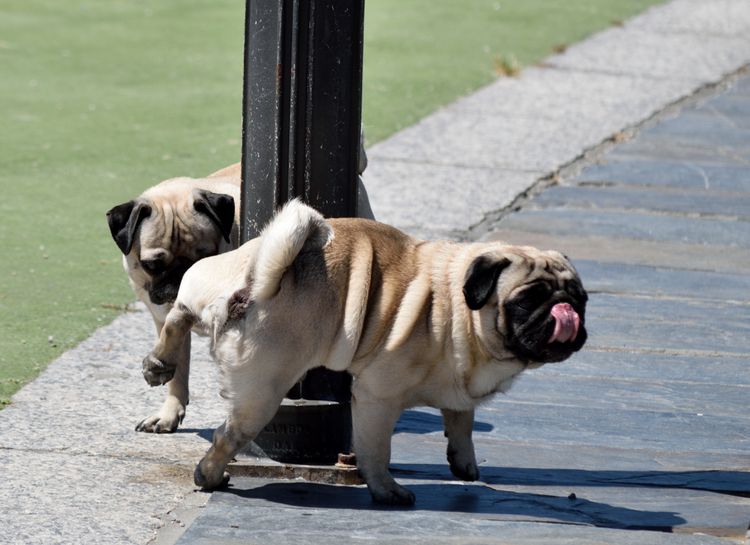
Why Do Dogs Lick Other Dogs' Pee?
Sometimes a dog will lick another dog's urine. Find out why dogs lick other dogs' pee and learn how to stop it.
How to Stop Your Dog From Barking Excessively
All dogs bark, but excessive barking is a behavior problem. Learn how to help stop excessive barking and prevent it from happening all the time.