
Feists are small, energetic dogs developed in the southeastern United States to hunt squirrels and catch vermin.
Their short, low-maintenance coat comes in a wide variety of colors and combinations. These intelligent, prey-driven dogs make great companion animals—so long as you give them enough exercise and attention.If you’re looking for a new four-legged friend to add to your family, consider the feist.
Here’s what to know about this lovable breed.
Group: Terrier
Height: 10-18 inches
Weight: 15-30 pounds
Coat: Short, straight
Coat color: Any and all
Life span: 15 to 18 years
Temperament: Energetic, loyal, curious
Hypoallergenic: No
Origin: United States
Feists are affectionate, outgoing, energetic dogs who absolutely adore their human family members. They make wonderful companions and are “certainly man’s best friend,” says Steve Buckley, who runs Buckley Farm Kennels in Prestonsburg, Kentucky.
"They are an all-around loving dog and very intelligent,” says Buckley, whose family has been raising, breeding, training, and advocating for feists for more than 100 years. “A first-time pet owner would have no problem keeping one.”
Originally bred as hunting dogs, they’re also curious and instinctual—so don’t be surprised if your dog’s temperament changes on a dime when they smell or see a prey animal.
"They can be happy, playful, or cuddly,” says Buckley. “However, turn them into the woods and they become all business. They love to hunt.”
These “dual-purpose” dogs are adaptable and can thrive in many different living arrangements and situations, says Buckley.
With proper socialization, feists get along with just about anyone—kids, other dogs, and even cats. One word of caution: Since their hunting drive is so strong, they may not be the best fit for households with small mammal pets, like guinea pigs, mice, rats, hamsters, and gerbils.
“They make wonderful family dogs,” he says.
The feist’s origin story is a little murky. However, in broad brushstrokes, these pups are descendants of hunting dogs brought to the United States by immigrants from Ireland and Germany. They were developed for hunting, catching vermin, and providing companionship in the southeastern United States, where they remain popular today. Feists hunt squirrels, as well as rabbits and raccoons; they can also help flush game birds.
As the legend goes, their name derives from “fice” or “fyst,” a German word that loosely translates as “stinky.” It’s not entirely clear how feists got their name (for the record, they’re not usually smelly), but it may have originated from the term “fysting curres,” which means “stinking dogs.”
Theodore Roosevelt, the 26th president of the United States, reportedly had a feist that kept the White House free of rodents. He began calling his dog a “rat terrier,” which is why we have a Teddy Roosevelt terrier dog breed today.
Many feist breeders have specific bloodlines they’ve been maintaining for decades. For Buckley’s family, for example, it’s the Appalachian prick-eared mountain feist.
Feists are not recognized by the American Kennel Club, though they are by the Continental Kennel Club, the National Kennel Club and the United Kennel Club. The UKC considers mountain feists and treeing feists to be separate breeds.
Here's how to best care for this spunky breed, from meeting their exercise needs to training your pup.
As their name suggests, these dogs are feisty. As such, they have a lot of energy to burn off every day—and they need an owner who’s willing to accommodate them. Long hikes, spirited fetch sessions, nosework, and other activities will help keep your feist on her best behavior. Without enough exercise, these little pups can become bored and destructive.
Since they’re highly prey driven and bred to chase squirrels and other scurrying creatures, keep a tight hold on your feist’s leash unless you’re in a securely fenced area.
Feists are also skilled athletes who often excel at canine sports. They are particularly well-suited for flyball, agility, and weight pull. And, of course, feists love to go on hunts for small animals.
Stimulate your feist’s keen sense of smell and keep her mentally engaged with interactive toys, like puzzles that require her to sniff out tasty treats.
"These dogs are very active and love to roam and play,” says Buckley. They need to be taken on walks, turned loose in the yard, or, if you are a hunter, hunted.”
Feists are relatively low-maintenance when it comes to grooming. Unless they roll around in mud, their short, sleek, low-shedding coats don’t need much tending to—a good bath every now and then should suffice. Brushing can be a good way to bond with your feist, too.
The feist grooming regimen should also include nightly tooth brushing and deeper teeth cleanings as recommended by your vet. Check your feist’s ears regularly for any debris or build-up, and clean them as necessary using an ear-cleaning solution.
Since feists are active pups, their nails may grind down naturally from running on pavement or other rough surfaces. But this varies from dog to dog, so you may need to trim your pup’s nails.
Feists are highly intelligent pups who are eager to please their human owners. This is a win-win scenario for pet parents, because it means training should be relatively easy using positive reinforcement techniques. After your feist learns the basics—like sit, down, stay, and come—start leveling up the difficulty and work on tackling progressively more challenging tricks together. More than likely, your feist will be an eager student—and the training sessions will help keep this high-energy pup stimulated.
“Pleasing their master makes them the happiest,” says Buckley. “They love to please and be rewarded for it.”
Feists are sturdy little dogs who usually lead long, happy lives. They’re generally free of major health problems, but may be susceptible to:
Feed your feist a nutritious, high-quality dog food (or consider making your own), and ensure she always has access to fresh, clean water. Since feists are so active, they aren't usually at risk of being overweight with a proper diet. But your veterinarian can help you determine—and maintain—the best weight for your individual pup, based on her frame, exercise levels, and other factors. Keep different kinds of treats on hand to reward good behaviors but, remember, they should never make up more than 10% of your dog’s daily calories.
Feists are most abundant in the southeastern United States so, if you live in that region, you’ll likely have no trouble finding a reputable breeder. If you live elsewhere, you may have a more difficult time finding one. Keep an eye on animal shelters and local rescue organizations to see if any feists become available for adoption. Feist puppies typically cost around $500.
Manageable size
Eager to please
Low-maintenance grooming
Needs lots of exercise
Not widely available outside the southeastern U.S.
Strong prey drive
Feists are versatile dogs who will dutifully keep your yard free of vermin one minute, then happily cuddle on the couch the next. If you’re looking for a lovable, spunky companion, a feist may be the right option for you. But do your homework by talking to feist breeders and owners to determine whether to add a feist to your family.
If you’re interested in similar breeds, check out:
There’s a whole world of potential dog breeds out there-with a little research, you can find the right one to bring home!
No dog is truly hypoallergenic. But because they have low-shedding coats, feists may be a good option for people who suffer from allergies.
Feists usually only bark for a reason—such as when they’ve successfully cornered a squirrel while hunting.
Like all high-energy dogs with strong drive, feists need regular exercise and stimulation. Without it, they may tear up or chew whatever they can find. Keep plenty of tough toys and dog chews around to help redirect your feist’s energy.

Legg-Calve-Perthes Disease in Dogs
Legg-Calve-Perthes is a congenital disorder affecting the hip joints of dogs—particularly small breeds. Learn the causes, treatment, and prevention.
Bloat in Dogs
Bloat, or gastric dilation volvulus (GDV), is an emergency that generally affects large breed dogs. Learn the causes, treatment, and prevention.
Anemia in Dogs
Anemia is a low red blood cell count. In dogs, it can indicate various problems—some of them serious. Learn the causes, treatment, and prevention.
Ear Yeast Infections in Dogs
Ear yeast infections in dogs are common, uncomfortable, smell bad, and dangerous if untreated. Learn the causes, treatment, and prevention.
Neutering Your Dog Explained
What does it mean to neuter a dog? Learn about neutering or castration in dogs and why it is done. Find out what to expect when your dog is neutered.
Pyoderma in Dogs
Pyoderma is a skin infection commonly seen in puppies that may indicate a compromised immune system. Learn the causes, treatment, and prevention.
Dog Hiccups: How to Get Rid of Them
Dog hiccups in dogs are a fleeting nuisance in most cases, but sometimes they can mean something more. Learn what to watch for and find out how to get rid of dog hiccups.
5 Common Foods In Your Pantry That Are Not Safe For Your Pets
One potato chip is not going to hurt your pet, but there are other foods that can. Learn which to avoid and some safe foods that can be used as treats.
American Staffordshire Terrier: Breed Characteristics & Care
The American Staffordshire terrier is a type of pit bull with a friendly nature. Learn about the Am Staff's history, training, health, and more.
Greyhound: Dog Breed Characteristics & Care
Learn about the greyhound, the fastest dog breed in the world. They're also a loyal companion that's non-aggressive and good with children.
Berger Picard: Dog Breed Characteristics & Care
The Berger Picard is a French herding dog with a friendly smile and shaggy beard. Learn about its history, health, exercise needs, and more.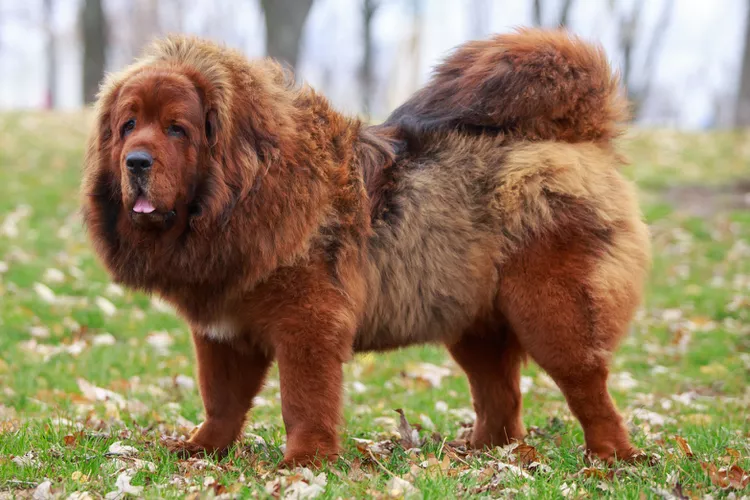
Tibetan Mastiff: Dog Breed Characteristics & Care
Learn about the Tibetan mastiff, an ancient guardian dog breed. This breed is known for their massive stature, flowing mane, and protective personality.
Can Dogs Eat Cantaloupe?
Find out if dogs can eat cantaloupe and if it's healthy. Learn how to feed dogs cantaloupe safely and what to watch out for.
Are Bones Safe for Dogs?
Are bones safe for dogs? Find out if it's really safe to give bones to dogs. Learn about the dangers of feeding bones to your dog.
Can Dogs Eat Kale?
Kale is rich in nutrients, but because it contains compounds that can harm dogs, veterinarians caution against making it a regular part of their diet.
Here’s How to Stop Your Dog from Jumping on You When Excited
Although it can be cute the first few times your dog jumps on you, it can quickly turn into a bad habit, especially if your pooch starts jumping on strangers. Here’s how to stop your dog from jumping on you when excited.
How to Stop Sudden Aggression in a Dog
It's not normal for a friendly dog to suddenly become aggressive. Sudden behavior changes may indicate a health problem and should not be ignored.
Different Meanings of a Dog's Wagging Tail
A dog wagging his tail is a common sight, but it may mean more than you think. Find out why dogs wag their tails and what canine tail wagging means.
Why Do Dogs Lick Other Dogs' Pee?
Sometimes a dog will lick another dog's urine. Find out why dogs lick other dogs' pee and learn how to stop it.
How to Stop Your Dog From Barking Excessively
All dogs bark, but excessive barking is a behavior problem. Learn how to help stop excessive barking and prevent it from happening all the time.