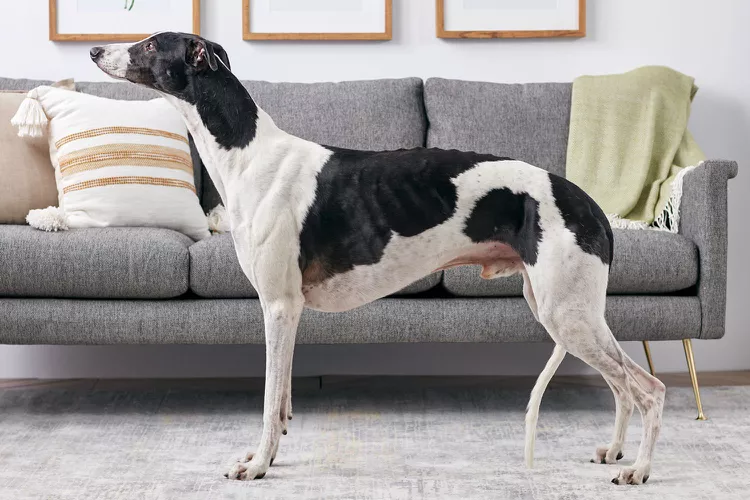
The greyhound is a large-size hound dog breed from Egypt with long, muscular legs, a narrow, streamlined body, and a short, smooth coat. A narrow head, long neck, and deep chest are also recognizable aspects of this breed.
The greyhound is the fastest breed in the world, with the ability to race at speeds upwards of 45 miles per hour. This sighthound hunts prey using their sight, as well as their speed.
Learn all about the greyhound, including the breed’s history, care needs, and temperament.
Greyhounds can make excellent companions for all kinds of people. Even though these dogs are large, many do well with children. They are extremely affectionate with their families and may prefer not to be left alone.
Because they have a high prey drive, greyhounds may not be suitable for families with other pets, including cats. Also because of this prey drive, they should be kept on a leash while going for walks to prevent them from running after wildlife.
These dogs are rarely aggressive and respond well to strangers. Greyhounds are also sensitive, requiring patience and understanding. It's best for these dogs to live in a peaceful household and be spoken to with kindness.
Archaeological evidence of greyhound-like dogs dates back 8,000 years to the Middle East, making it one of the most ancient dog breeds. Much preferred by the ancient Egyptians, greyhounds were likely also owned by Romans and Greeks. By the ninth century, the breed could be found throughout Europe, and Spanish explorers brought them to the Americas in the 1500s.
Greyhounds were classically used for their hunting prowess and coursing. They were admired by everyone from kings to artists for their inverted S shape. In addition, the greyhound is the first breed of dog mentioned in English literature over the centuries, and was specifically mentioned in many of William Shakespeare's plays. Greyhounds also held a place in the hearts of English nobility, including King James 1 and Queen Victoria's husband, Prince Albert, who owned a famous greyhound named Eos that happily appeared in many court portraits.
The modern greyhound derives from dogs bred in England during the 18th and 19th centuries. The breed was officially recognized by the American Kennel Club (AKC) in 1885. Shortly after, modern greyhound racing started in the 1920s in both the United States and England.
The greyhound is typically not used for hunting in more modern times, and live game coursing and racing greyhounds are now illegal in many places. Even England's once-revered Waterloo Cup coursing meet is no longer in existence, thanks to the Hunting Act of 2004 deeming it an act of cruelty.
The breed has experienced a surge in popularity in the U.S. since racing the dogs has stopped in many states and rescue organizations have begun to place retired racing greyhounds for adoption.
Greyhounds need slightly different care than other types of large dogs. You'll have to honor their need for short stints of exercise rather than long hauls. Maintaining their coat is never a problem since it's short and smooth. Training will be your biggest challenge since this breed has a highly sensitive nature and will need help adapting to their new environment.
Contrary to popular belief, greyhounds are not usually hyperactive or overly energetic. Though excellent athletes, they can also be couch potatoes most of the day, and do very well living in apartments. They love to run and sprint, but a moderate amount of daily exercise, about an hour a day including a 30-minute walk, should be enough to keep a greyhound motivated and fit.
Don't allow a greyhound off-leash, however, as they are prey-driven and will bolt away after small animals. It's best to have a fenced-in area where they can run around. When exercising your greyhound, remember that while they can tolerate hot weather, they will get chilled in cold weather because they lack body fat. You may need to provide a sweater for your pup in the winter while going on a walk.
The greyhound's short, smooth coat needs little grooming. The breed sheds at a low to moderate rate, so an occasional once-over with a soft brush or grooming mitt should be sufficient.
The typical greyhound only needs occasional bathing. Trim their nails regularly, keeping them short to prevent slipping on slick floors. Look in their ears at least weekly for wax buildup and irritation. It is also good to pay attention to dental hygiene and brush your dog's teeth two to three times per week.
Both proper training and socialization are very important for greyhounds. Fortunately, most can learn and adjust well. Cats and small pets may provoke their predatory instinct until they learn the other animals are family members.
It helps to know that a rescued racing dog has had a very different life from the average companion dog. When a dog is not racing, they spend a lot of time in kennels and usually never see the inside of a typical home. The dog may be leash-trained but has typically not been exposed to things like stairs and glass doors, so they will need a bit of extra training.
Responsible breeders strive to maintain the highest breed standards as established by kennel clubs like the AKC. Dogs bred by these standards are less likely to inherit health conditions. However, some hereditary health problems can occur in the breed.
Greyhounds are generally healthy dogs, but the following are some conditions to be aware of:
Male greyhounds need 2.5 to 4 cups of dry food per day, and females need 1.5 to 3 cups. Divide this into two meals—because they are prone to bloat, they are at risk of stomach torsion if they gulp their food or eat too much at once.
It is common for greyhounds to gain 5 pounds after they retire from racing, but you should monitor your pet's weight to ensure they don't gain more than that. If your dog is putting on too much weight, discuss the proper diet with your veterinarian and get recommendations for feeding schedules, amounts, types of dog food, and exercise.
If you go through a breeder, expect to pay between $1,500 to $2,500 for a purebred greyhound puppy.
Though greyhounds can sometimes be obtained from a breeder as puppies, the majority of available dogs are retired racers. Adopting a retired racer is a wonderful thing to do.
If you would like to share your life with this unique dog breed, take the time to do your research first. Talk to your veterinarian, other greyhound pet parents, greyhound rescue groups, and reputable breeders to learn more.
The most likely place to adopt a greyhound is from a breed-specific rescue group. Luckily, there are many resources where you can find a retired greyhound, such as:
The National Greyhound Association also offers a list of endorsed regional greyhound rescue groups on its website.
Known primarily for their speed and athleticism, greyhounds make wonderful and loyal companions. They are friendly, affectionate, sensitive, and playful. However, because they have a high prey drive, they might not get along with other pets.
Greyhounds are terrific dogs. If you’re interested in these dogs, take a look at some similar breeds to compare the pros and cons.
There’s a whole world of potential dog breeds out there—with a little research, you can find the right one to bring home.
Greyhounds are very friendly and affectionate. They even do well when introduced to new people.
Greyhounds are great pets. They are good with children and other dogs. But because of their high prey drive, they might not be a good fit for homes with other pets, such as small pets and cats.
Although they get spurts of energy and need daily physical exercise, greyhounds can also be a little lazy, having no problem relaxing on the couch.
Legg-Calve-Perthes Disease in Dogs
Legg-Calve-Perthes is a congenital disorder affecting the hip joints of dogs—particularly small breeds. Learn the causes, treatment, and prevention.
Bloat in Dogs
Bloat, or gastric dilation volvulus (GDV), is an emergency that generally affects large breed dogs. Learn the causes, treatment, and prevention.
Anemia in Dogs
Anemia is a low red blood cell count. In dogs, it can indicate various problems—some of them serious. Learn the causes, treatment, and prevention.
Ear Yeast Infections in Dogs
Ear yeast infections in dogs are common, uncomfortable, smell bad, and dangerous if untreated. Learn the causes, treatment, and prevention.
Neutering Your Dog Explained
What does it mean to neuter a dog? Learn about neutering or castration in dogs and why it is done. Find out what to expect when your dog is neutered.
Pyoderma in Dogs
Pyoderma is a skin infection commonly seen in puppies that may indicate a compromised immune system. Learn the causes, treatment, and prevention.
Dog Hiccups: How to Get Rid of Them
Dog hiccups in dogs are a fleeting nuisance in most cases, but sometimes they can mean something more. Learn what to watch for and find out how to get rid of dog hiccups.
5 Common Foods In Your Pantry That Are Not Safe For Your Pets
One potato chip is not going to hurt your pet, but there are other foods that can. Learn which to avoid and some safe foods that can be used as treats.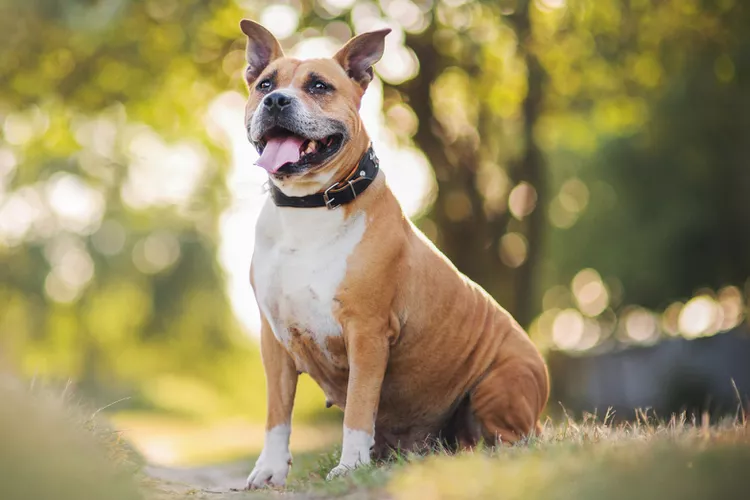
American Staffordshire Terrier: Breed Characteristics & Care
The American Staffordshire terrier is a type of pit bull with a friendly nature. Learn about the Am Staff's history, training, health, and more.
Greyhound: Dog Breed Characteristics & Care
Learn about the greyhound, the fastest dog breed in the world. They're also a loyal companion that's non-aggressive and good with children.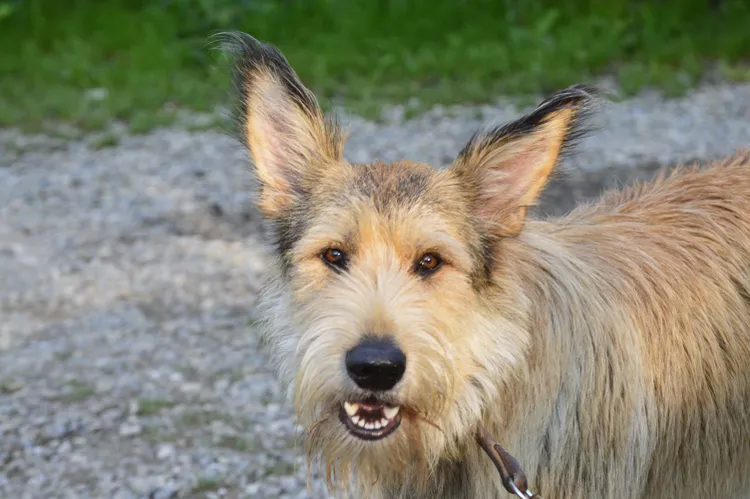
Berger Picard: Dog Breed Characteristics & Care
The Berger Picard is a French herding dog with a friendly smile and shaggy beard. Learn about its history, health, exercise needs, and more.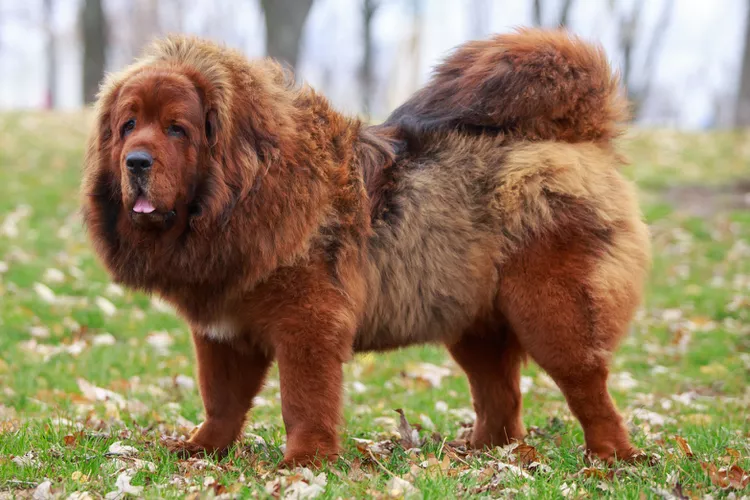
Tibetan Mastiff: Dog Breed Characteristics & Care
Learn about the Tibetan mastiff, an ancient guardian dog breed. This breed is known for their massive stature, flowing mane, and protective personality.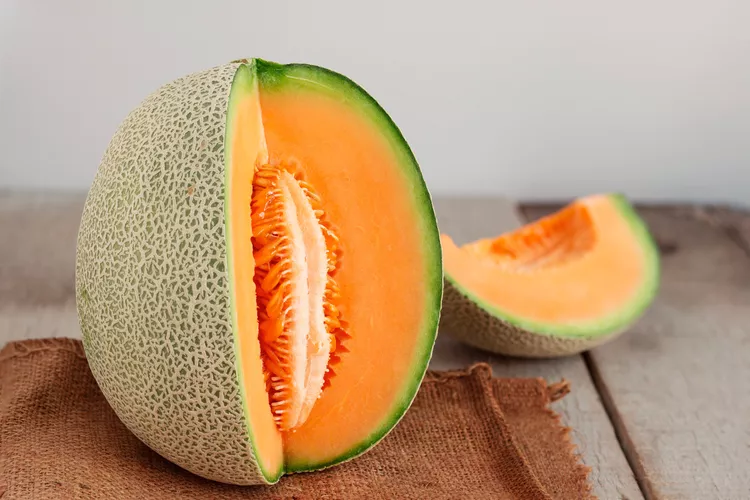
Can Dogs Eat Cantaloupe?
Find out if dogs can eat cantaloupe and if it's healthy. Learn how to feed dogs cantaloupe safely and what to watch out for.
Are Bones Safe for Dogs?
Are bones safe for dogs? Find out if it's really safe to give bones to dogs. Learn about the dangers of feeding bones to your dog.
Can Dogs Eat Kale?
Kale is rich in nutrients, but because it contains compounds that can harm dogs, veterinarians caution against making it a regular part of their diet.
Here’s How to Stop Your Dog from Jumping on You When Excited
Although it can be cute the first few times your dog jumps on you, it can quickly turn into a bad habit, especially if your pooch starts jumping on strangers. Here’s how to stop your dog from jumping on you when excited.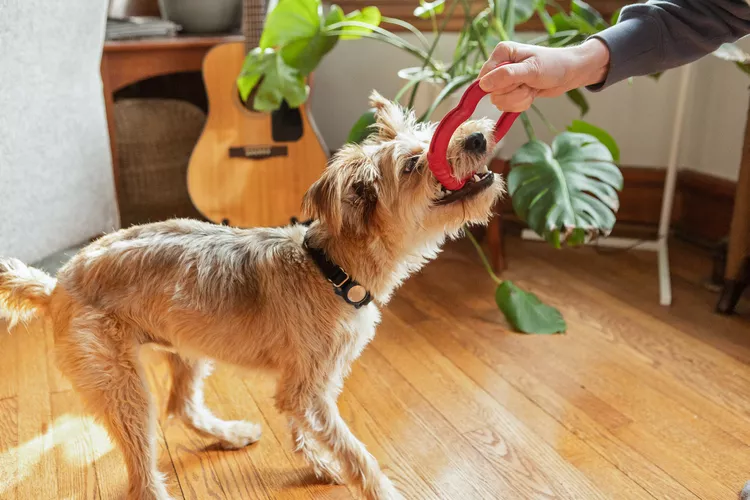
How to Stop Sudden Aggression in a Dog
It's not normal for a friendly dog to suddenly become aggressive. Sudden behavior changes may indicate a health problem and should not be ignored.
Different Meanings of a Dog's Wagging Tail
A dog wagging his tail is a common sight, but it may mean more than you think. Find out why dogs wag their tails and what canine tail wagging means.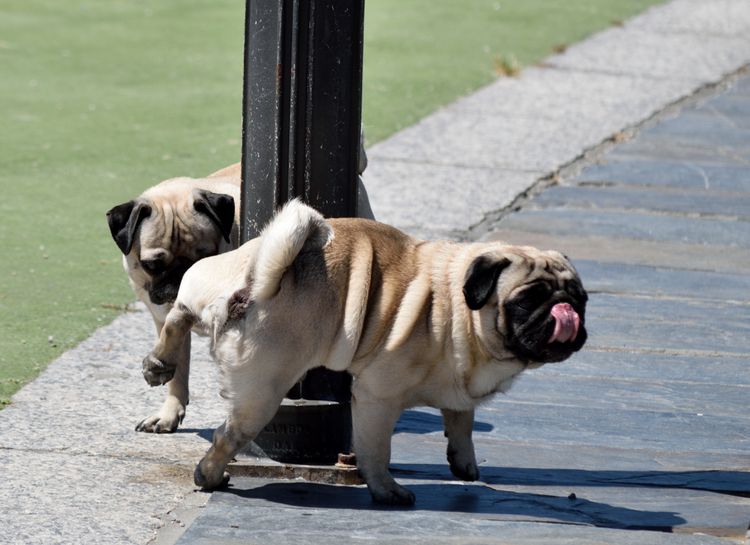
Why Do Dogs Lick Other Dogs' Pee?
Sometimes a dog will lick another dog's urine. Find out why dogs lick other dogs' pee and learn how to stop it.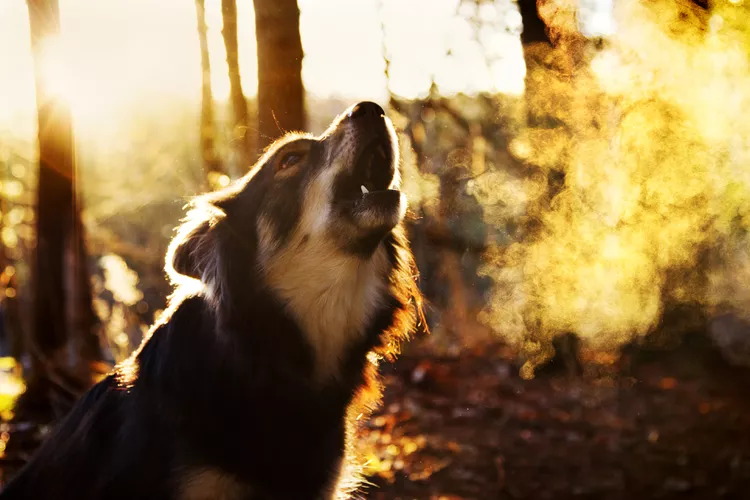
How to Stop Your Dog From Barking Excessively
All dogs bark, but excessive barking is a behavior problem. Learn how to help stop excessive barking and prevent it from happening all the time.



:strip_icc():format(webp)/GettyImages-1073782172-acc1394b560a441fbd25ec92b8ed88aa.jpg)