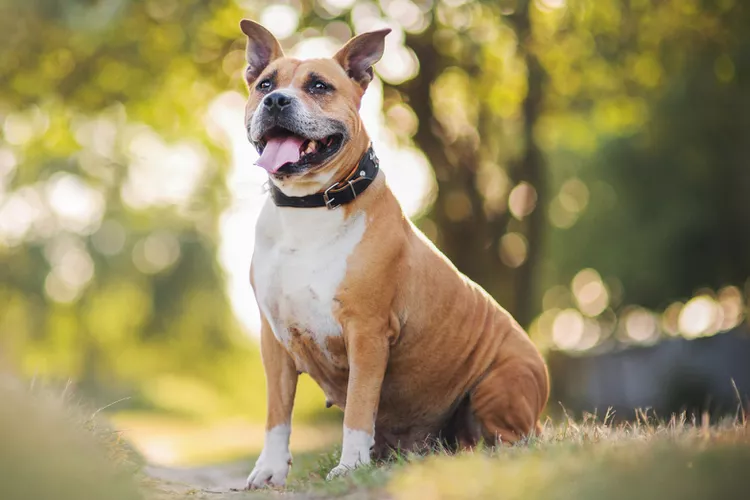
The American Staffordshire terrier is a medium-to-large, muscular dog breed with a square head and short, stiff fur that was developed in the United States.
Also called the Am Staff, this type of pit bull breed is known for its courage and power, but it also generally has an affectionate and loyal disposition. And, contrary to its tough appearance and ancestor, it is a gentle dog breed.
Group: Terrier
Height: 17 to 18 inches (female), 18 to 19 inches (male)
Weight: 40 to 55 pounds (female), 55 to 70 pounds (male)
Coat: Short, stiff fur
Coat Color: Variety of colors, including black, brown, blue, fawn, red, and liver; brindle and/or white markings also possible
Life Span: 12 to 16 years
Temperament: Courageous, affectionate, protective
Hypoallergenic: No
Origin: United States
Most Am Staffs have a confident and friendly temperament. They typically don’t bark excessively, and they strike a good balance between being high-energy dogs and couch potatoes. However, they do have a protective side to their personality that must be managed with training and socialization.
The American Staffordshire terrier's roots can be traced back to the 18th and 19th centuries in England. The bulldogs and terriers of the time were commonly used in inhumane blood sports. And they were bred for desirable traits, including their muscular build, energy, stamina, confidence, and agility.
A mix of these dogs went into creating the British Staffordshire bull terrier. While this breed still was used in blood sports, it also was kept as a companion and used on farms and for other work. Eventually, those dogs arrived in the United States in the mid-1800s.
U.S. breeders created a larger Staffordshire terrier that ultimately became a distinct breed from the Staffordshire bull terrier, bearing the name American Staffordshire terrier. They also bred it to have a calmer and friendlier temperament than its ancestors. Since their arrival on the scene, Am Staffs have had a prominent place in American culture, including in film and TV and the armed forces. The American Kennel Club recognized the breed in 1936.
In general, the American Staffordshire terrier can become a loving and loyal companion for many types of households. With proper training and socialization, it can even coexist well with children and other household pets. And its exercise and grooming requirements typically aren't excessive.
Am Staffs have a moderate energy level. They should get between one to two hours of exercise per day, including walks, jogs, fetch, and other active play. Puzzle toys also can help to challenge them mentally, and dog sports will provide both mental and physical stimulation. However, be cautious not to overdo activity in hot weather, as this breed can be sensitive to heat.
The short, stiff coat of the Am Staff is easy to maintain. Use a soft-bristle brush on it weekly to remove any loose fur and debris and to distribute oils. You can expect heavier shedding in the spring and fall as the weather changes, which will likely necessitate brushing two to three times per week to help capture all the loose fur.
Give your dog a bath roughly every couple of months or more often if it gets dirty. And trim its nails roughly every month. Also, aim to brush its teeth daily.
As with any dog breed, proper training is a must. Because there are misconceptions about pit bull-type dogs being labeled as dangerous, it's ideal for anyone who owns an Am Staff to be a positive ambassador for the breed with a well-mannered dog.
Am Staffs are a fairly smart breed, but they can be stubborn. Combine that with their exuberance and power, and training isn't always easy. So it's important to be consistent with your training and to start from puppyhood. Am Staff puppies should ideally go to puppy classes where they learn basic obedience and socialization. Consistent and positive reinforcement also can help both puppies and adults in training.
This breed is generally healthy throughout its life. But some hereditary health problems can occur in the American Staffordshire terrier, including:
Offer your dog a quality, nutritionally balanced diet. Most owners feed two meals per day. But discuss the amount and types of food with your vet, as this can vary depending on such factors as age and activity level. Always monitor your dog's weight, and factor treats into their total daily food consumption. Also, make sure your dog always has access to clean water.
Check your local animal shelters and rescue groups for American Staffordshire terriers in need of homes. Expect to pay around $2,000 on average for a breeder puppy, but this can vary widely depending on bloodline and other factors. Shelters and rescues typically charge much less for puppies and adults. Make sure you're able to keep an Am Staff where you live, as some areas have breed restrictions.
A number of nationwide groups for Am Staffs provide online resources to find a dog, including:
Good-natured, playful, and sociable
Intensely loyal
Good watchdog
Requires early and consistent socialization
Can be overly protective
Stubborn nature can complicate training
Before you decide whether the American Staffordshire terrier is the right dog for you, be sure to do plenty of research. Talk to other Am Staff owners, reputable breeders, and rescue groups to learn more.
If you’re interested in similar breeds, check out:
There’s a whole world of potential dog breeds out there—with a little research, you can find the right one to bring home!
There is no technical breed called a pit bull. There is, however, a breed called the American pit bull terrier. Generally speaking, the American Staffordshire terrier is nearly the same as the American pit bull terrier. The main difference is Am Staffs conform to a narrower size range, per the AKC standard, and American pit bull terriers have greater variances in size and other physical traits.
Properly trained and socialized Am Staffs can be good for families with children. However, their exuberance and strength might be too much around young children unless they are very well-mannered.
American Staffordshire terriers are generally good-natured dogs. Like any dog, they need proper training and socialization to help ward off aggression. They don't always get along well with other dogs, especially if they haven't been properly socialized.

Legg-Calve-Perthes Disease in Dogs
Legg-Calve-Perthes is a congenital disorder affecting the hip joints of dogs—particularly small breeds. Learn the causes, treatment, and prevention.
Bloat in Dogs
Bloat, or gastric dilation volvulus (GDV), is an emergency that generally affects large breed dogs. Learn the causes, treatment, and prevention.
Anemia in Dogs
Anemia is a low red blood cell count. In dogs, it can indicate various problems—some of them serious. Learn the causes, treatment, and prevention.
Ear Yeast Infections in Dogs
Ear yeast infections in dogs are common, uncomfortable, smell bad, and dangerous if untreated. Learn the causes, treatment, and prevention.
Neutering Your Dog Explained
What does it mean to neuter a dog? Learn about neutering or castration in dogs and why it is done. Find out what to expect when your dog is neutered.
Pyoderma in Dogs
Pyoderma is a skin infection commonly seen in puppies that may indicate a compromised immune system. Learn the causes, treatment, and prevention.
Dog Hiccups: How to Get Rid of Them
Dog hiccups in dogs are a fleeting nuisance in most cases, but sometimes they can mean something more. Learn what to watch for and find out how to get rid of dog hiccups.
5 Common Foods In Your Pantry That Are Not Safe For Your Pets
One potato chip is not going to hurt your pet, but there are other foods that can. Learn which to avoid and some safe foods that can be used as treats.
American Staffordshire Terrier: Breed Characteristics & Care
The American Staffordshire terrier is a type of pit bull with a friendly nature. Learn about the Am Staff's history, training, health, and more.
Greyhound: Dog Breed Characteristics & Care
Learn about the greyhound, the fastest dog breed in the world. They're also a loyal companion that's non-aggressive and good with children.
Berger Picard: Dog Breed Characteristics & Care
The Berger Picard is a French herding dog with a friendly smile and shaggy beard. Learn about its history, health, exercise needs, and more.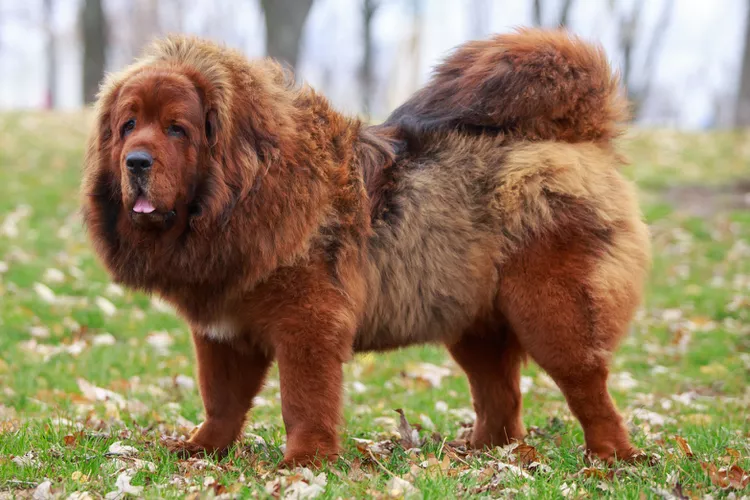
Tibetan Mastiff: Dog Breed Characteristics & Care
Learn about the Tibetan mastiff, an ancient guardian dog breed. This breed is known for their massive stature, flowing mane, and protective personality.
Can Dogs Eat Cantaloupe?
Find out if dogs can eat cantaloupe and if it's healthy. Learn how to feed dogs cantaloupe safely and what to watch out for.
Are Bones Safe for Dogs?
Are bones safe for dogs? Find out if it's really safe to give bones to dogs. Learn about the dangers of feeding bones to your dog.
Can Dogs Eat Kale?
Kale is rich in nutrients, but because it contains compounds that can harm dogs, veterinarians caution against making it a regular part of their diet.
Here’s How to Stop Your Dog from Jumping on You When Excited
Although it can be cute the first few times your dog jumps on you, it can quickly turn into a bad habit, especially if your pooch starts jumping on strangers. Here’s how to stop your dog from jumping on you when excited.
How to Stop Sudden Aggression in a Dog
It's not normal for a friendly dog to suddenly become aggressive. Sudden behavior changes may indicate a health problem and should not be ignored.
Different Meanings of a Dog's Wagging Tail
A dog wagging his tail is a common sight, but it may mean more than you think. Find out why dogs wag their tails and what canine tail wagging means.
Why Do Dogs Lick Other Dogs' Pee?
Sometimes a dog will lick another dog's urine. Find out why dogs lick other dogs' pee and learn how to stop it.
How to Stop Your Dog From Barking Excessively
All dogs bark, but excessive barking is a behavior problem. Learn how to help stop excessive barking and prevent it from happening all the time.