Normal puppies hear much better than we do, but some are born deaf or are genetically predisposed to deafness. Dalmatians and Jack Russell Terriers may inherit a nerve disorder of the ear that causes deafness.
Aging dogs commonly suffer hearing loss, and some become completely deaf, but you won’t have to worry about that for many years. But a puppy may suffer hearing loss at birth or any age from an ear infection, ear mites or chronic otitis. Hearing loss can be accelerated by damage from loud noises. Dogs that hunt and are exposed to gunshots for years and years are more prone to damage. Chronic ear infections may also result in hearing loss.
A normal dog typically hears the same low-pitched sounds as humans, as well as frequencies as high as 100,000 cycles per second. People can only hear sound waves up to 20,000 cycles per second. Puppies that startle easily or ignore interesting sounds may suffer from hearing loss.
Puppies may be born deaf when the nerves of the ear fail to properly form. Congenital deafness is often associated with merle or piebald coat patterns. Commonly affected breeds include the Dalmatian, Australian Shepherd, Old English Sheepdog, Collie, Shetland Sheepdog, and Bull Terrier. Ethical breeders are aware of potential problems and are working to eliminate deafness in these dogs through stringent breeding practices.
You may not immediately be aware your puppy is deaf. Specialized electrodiagnostic tests available at some veterinary universities can determine the extent of hearing loss. Most owners realize there's a problem during training when voice commands are ignored or other noise fails to draw the puppy’s attention.
Deaf dogs may bark less than other dogs, and the voice may sound odd. They frequently develop behavior problems because of their inability to understand human communication, and because they may be easily startled or frightened by the unexpected. Some deaf dogs may be able to hear the frequencies of special whistles, or feel the vibration of a stomped foot, and may compensate enough for day-to-day living.
Dogs with a gradual hearing loss tend to do well as long as they remain in familiar, safe surroundings. Routine exams with the vet and ear cleaning is important to stay ahead of possible health problems. Dogs with hearing loss are a challenge for many owners but can be trained with patience to understand hand signals rather than voice commands.
Dogs can’t tell us that they’re hard of hearing, and they compensate by paying more attention with their other senses. They watch owners and other pets more closely and cue off of their behavior to know that somebody’s at the door, for example. Deaf puppies also pay closer attention to vibration and air currents—the breeze made by an open door may cue them you’ve come home from work. Even when they can’t hear the can opener, the pet’s internal “clock” will announce suppertime.
Deaf puppies are still happy pets. Some hearing loss is a natural, normal part of the aging process. Making simple accommodations for a hearing-impaired pet isn’t difficult. Besides, it’s what we do for our friends.
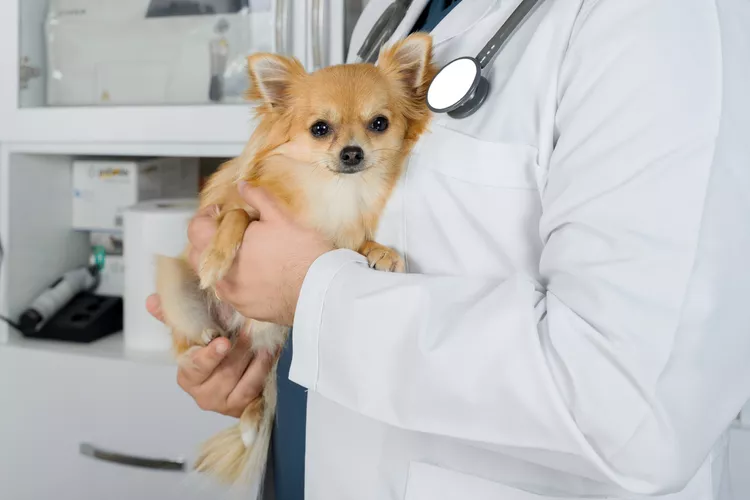
Legg-Calve-Perthes Disease in Dogs
Legg-Calve-Perthes is a congenital disorder affecting the hip joints of dogs—particularly small breeds. Learn the causes, treatment, and prevention.
Bloat in Dogs
Bloat, or gastric dilation volvulus (GDV), is an emergency that generally affects large breed dogs. Learn the causes, treatment, and prevention.
Anemia in Dogs
Anemia is a low red blood cell count. In dogs, it can indicate various problems—some of them serious. Learn the causes, treatment, and prevention.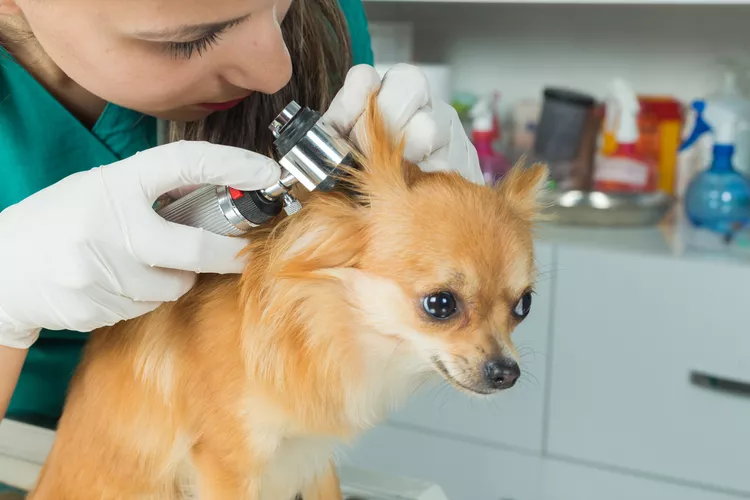
Ear Yeast Infections in Dogs
Ear yeast infections in dogs are common, uncomfortable, smell bad, and dangerous if untreated. Learn the causes, treatment, and prevention.
Neutering Your Dog Explained
What does it mean to neuter a dog? Learn about neutering or castration in dogs and why it is done. Find out what to expect when your dog is neutered.
Pyoderma in Dogs
Pyoderma is a skin infection commonly seen in puppies that may indicate a compromised immune system. Learn the causes, treatment, and prevention.
Dog Hiccups: How to Get Rid of Them
Dog hiccups in dogs are a fleeting nuisance in most cases, but sometimes they can mean something more. Learn what to watch for and find out how to get rid of dog hiccups.
5 Common Foods In Your Pantry That Are Not Safe For Your Pets
One potato chip is not going to hurt your pet, but there are other foods that can. Learn which to avoid and some safe foods that can be used as treats.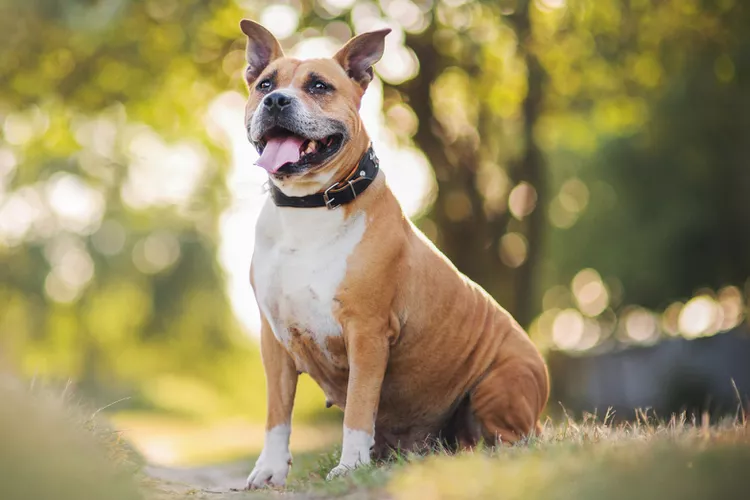
American Staffordshire Terrier: Breed Characteristics & Care
The American Staffordshire terrier is a type of pit bull with a friendly nature. Learn about the Am Staff's history, training, health, and more.
Greyhound: Dog Breed Characteristics & Care
Learn about the greyhound, the fastest dog breed in the world. They're also a loyal companion that's non-aggressive and good with children.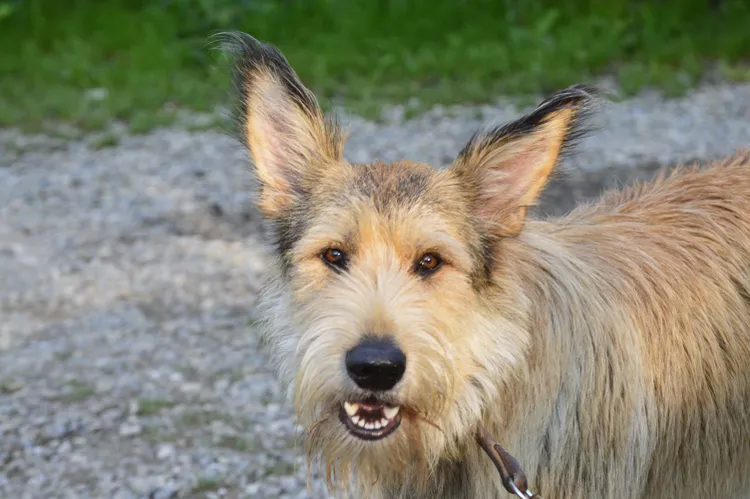
Berger Picard: Dog Breed Characteristics & Care
The Berger Picard is a French herding dog with a friendly smile and shaggy beard. Learn about its history, health, exercise needs, and more.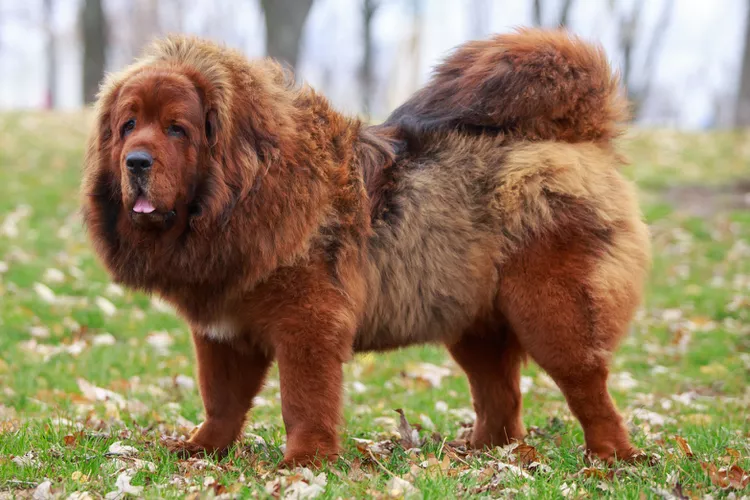
Tibetan Mastiff: Dog Breed Characteristics & Care
Learn about the Tibetan mastiff, an ancient guardian dog breed. This breed is known for their massive stature, flowing mane, and protective personality.
Can Dogs Eat Cantaloupe?
Find out if dogs can eat cantaloupe and if it's healthy. Learn how to feed dogs cantaloupe safely and what to watch out for.
Are Bones Safe for Dogs?
Are bones safe for dogs? Find out if it's really safe to give bones to dogs. Learn about the dangers of feeding bones to your dog.
Can Dogs Eat Kale?
Kale is rich in nutrients, but because it contains compounds that can harm dogs, veterinarians caution against making it a regular part of their diet.
Here’s How to Stop Your Dog from Jumping on You When Excited
Although it can be cute the first few times your dog jumps on you, it can quickly turn into a bad habit, especially if your pooch starts jumping on strangers. Here’s how to stop your dog from jumping on you when excited.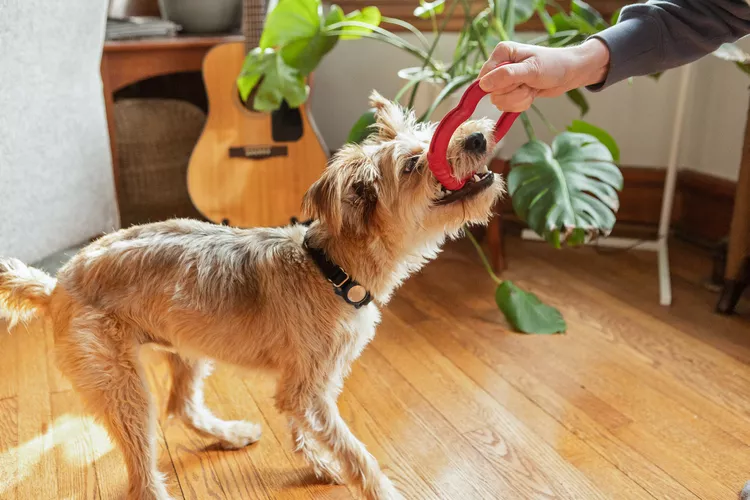
How to Stop Sudden Aggression in a Dog
It's not normal for a friendly dog to suddenly become aggressive. Sudden behavior changes may indicate a health problem and should not be ignored.
Different Meanings of a Dog's Wagging Tail
A dog wagging his tail is a common sight, but it may mean more than you think. Find out why dogs wag their tails and what canine tail wagging means.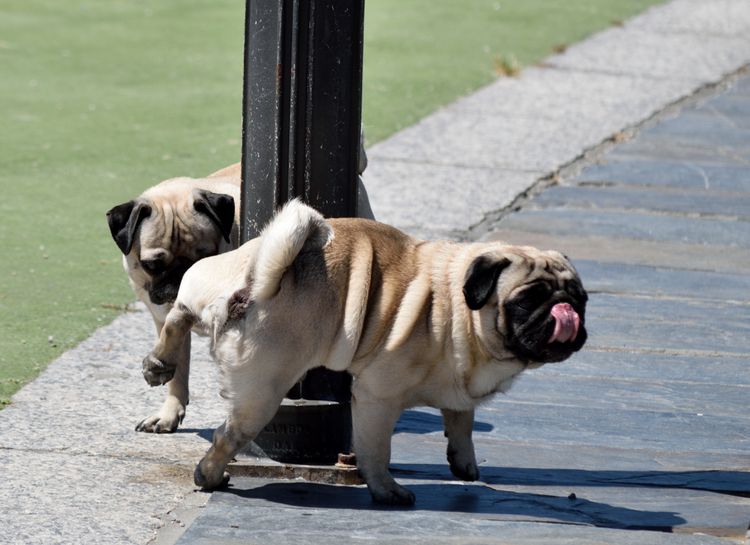
Why Do Dogs Lick Other Dogs' Pee?
Sometimes a dog will lick another dog's urine. Find out why dogs lick other dogs' pee and learn how to stop it.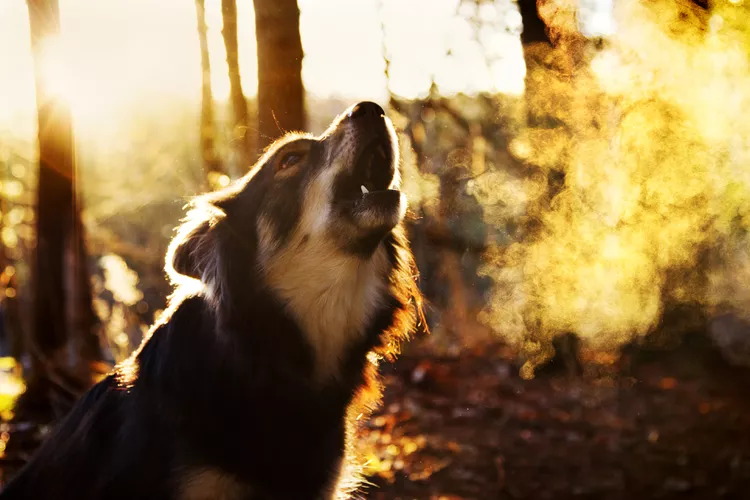
How to Stop Your Dog From Barking Excessively
All dogs bark, but excessive barking is a behavior problem. Learn how to help stop excessive barking and prevent it from happening all the time.