Training your dog to release, or "drop it," means teaching your dog to let go of whatever is in its mouth when given a verbal cue. The release command is very important to train your dog. It can protect a dog when it has something dangerous in its mouth, plus it allows you and your dog to play games like tug-of-war and fetch safely. It only takes a few minutes to teach most dogs the release command "drop it." Some dogs can become easily distracted, so be patient and persistent. The idea behind this training method is to offer your dog a trade basically: "let go of the object in your mouth, and something good will happen."
To start, offer your dog one of its favorite toys, saying, "take it." If your dog is highly excited to see the toy, you might want to let it have a minute or so to play before you start training. Do not wait so long that your dog gets bored with the toy.
While the toy is in your dog's mouth, hold a treat up to its nose. As soon as your dog releases the toy, give it the treat. Repeat steps this several times until you feel your dog is responding well.
Add the verbal cue, such as "drop it." Say the cue firmly and clearly while still holding the treat near the dog's nose. After a while, try holding the treat farther away. Gradually increase the distance if your dog still responds to the verbal cue. Then, try the command without the treat, praising your dog if it complies.
Once your dog has mastered the "drop it" command, the next, more complicated step is to get it to leave the item it has dropped, instead of picking it up again. If your dog goes to pick up the item it has just dropped, do not try to take away the item or yell at the dog.
Remember, dogs respond best to positive reinforcement. Give a "leave it" command and give the dog a treat when it doesn't touch the dropped item again. "Leave" is not as easy for some dogs to grasp as "drop" so be patient and offer lots of praise when your dog gets it right.
Although it may seem instinctive, you should never pull a toy (or anything else) from a dog's mouth or grab its head to try to remove something. Never try to pry open a dog's jaws. This can send the wrong message, making the action seem like a game or punishment to the dog. Also, it will probably cause your dog to hold the item more tightly, or worse, swallow it. You also may get bitten for your trouble. If your dog has something in its mouth that may be harmful to it, the best way to get it to release when all else fails is to dump a handful of treats in front of the animal.
Another common mistake owners make when training their dogs in this behavior is choosing cue words that too closely mimic other commands. For example, "drop" and "stop" rhyme, and will likely confuse the dog if you use both of them for different commands. Use a unique word or phrase that you can say in an upbeat, positive voice, and that your dog will come to associate with the "drop" behavior.
To proof this behavior, continue the training regularly, changing up the item the dog is supposed to "leave." Once it gets to the point where the dog is able to obey "leave" for its favorite toy, you can feel confident that the dog has got the behavior down.
Legg-Calve-Perthes Disease in Dogs
Legg-Calve-Perthes is a congenital disorder affecting the hip joints of dogs—particularly small breeds. Learn the causes, treatment, and prevention.
Bloat in Dogs
Bloat, or gastric dilation volvulus (GDV), is an emergency that generally affects large breed dogs. Learn the causes, treatment, and prevention.
Anemia in Dogs
Anemia is a low red blood cell count. In dogs, it can indicate various problems—some of them serious. Learn the causes, treatment, and prevention.
Ear Yeast Infections in Dogs
Ear yeast infections in dogs are common, uncomfortable, smell bad, and dangerous if untreated. Learn the causes, treatment, and prevention.
Neutering Your Dog Explained
What does it mean to neuter a dog? Learn about neutering or castration in dogs and why it is done. Find out what to expect when your dog is neutered.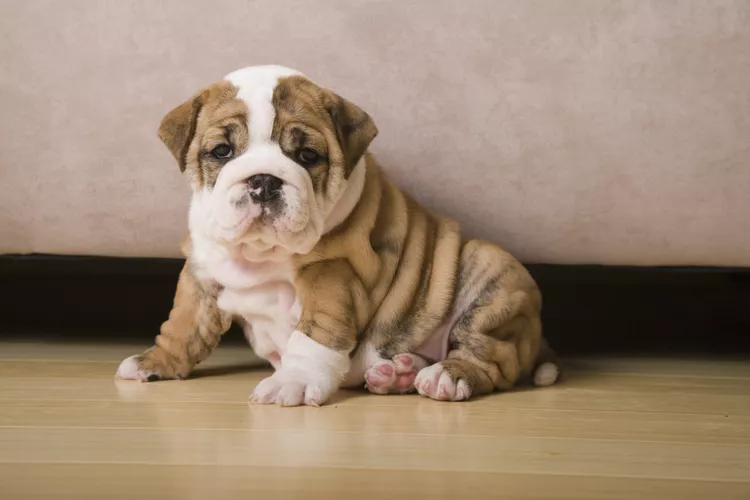
Pyoderma in Dogs
Pyoderma is a skin infection commonly seen in puppies that may indicate a compromised immune system. Learn the causes, treatment, and prevention.
Dog Hiccups: How to Get Rid of Them
Dog hiccups in dogs are a fleeting nuisance in most cases, but sometimes they can mean something more. Learn what to watch for and find out how to get rid of dog hiccups.
5 Common Foods In Your Pantry That Are Not Safe For Your Pets
One potato chip is not going to hurt your pet, but there are other foods that can. Learn which to avoid and some safe foods that can be used as treats.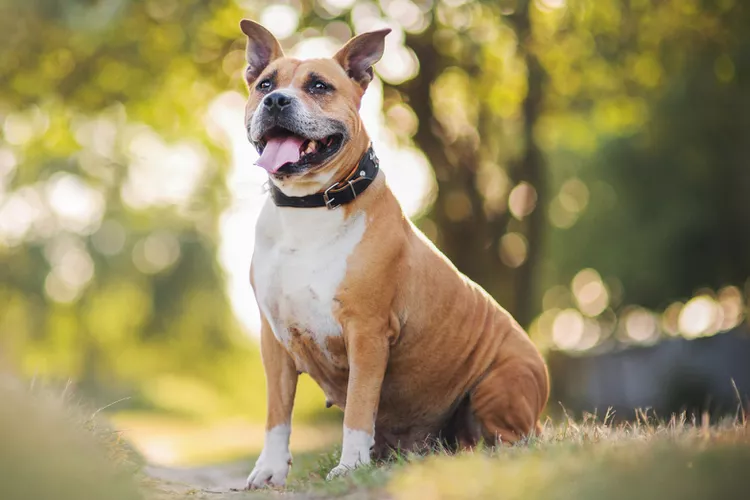
American Staffordshire Terrier: Breed Characteristics & Care
The American Staffordshire terrier is a type of pit bull with a friendly nature. Learn about the Am Staff's history, training, health, and more.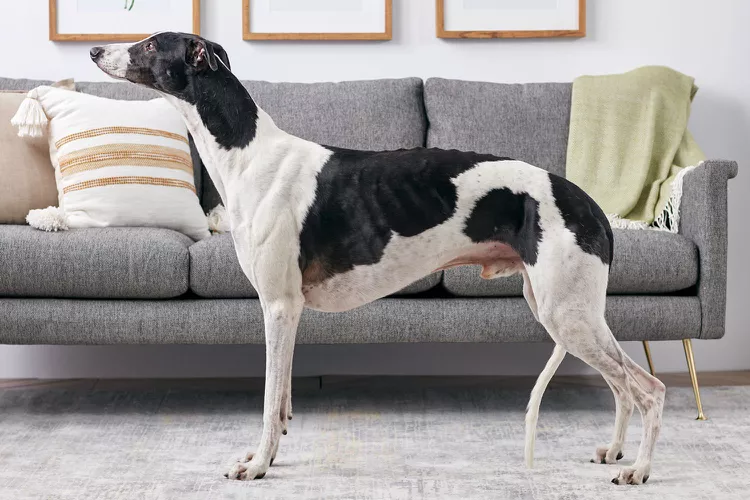
Greyhound: Dog Breed Characteristics & Care
Learn about the greyhound, the fastest dog breed in the world. They're also a loyal companion that's non-aggressive and good with children.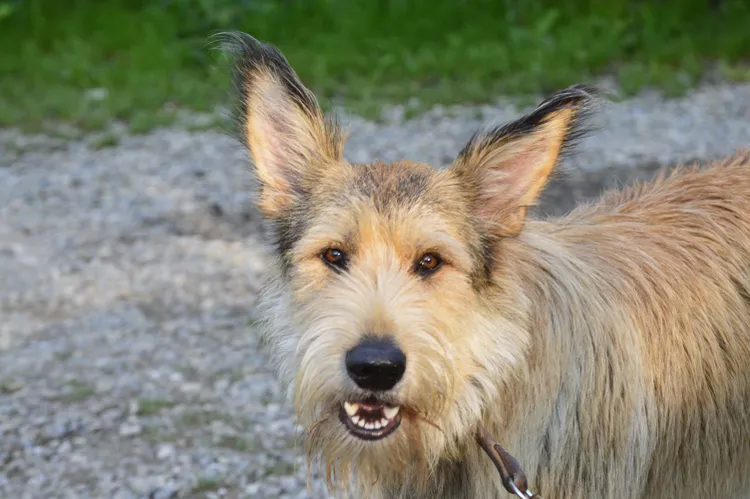
Berger Picard: Dog Breed Characteristics & Care
The Berger Picard is a French herding dog with a friendly smile and shaggy beard. Learn about its history, health, exercise needs, and more.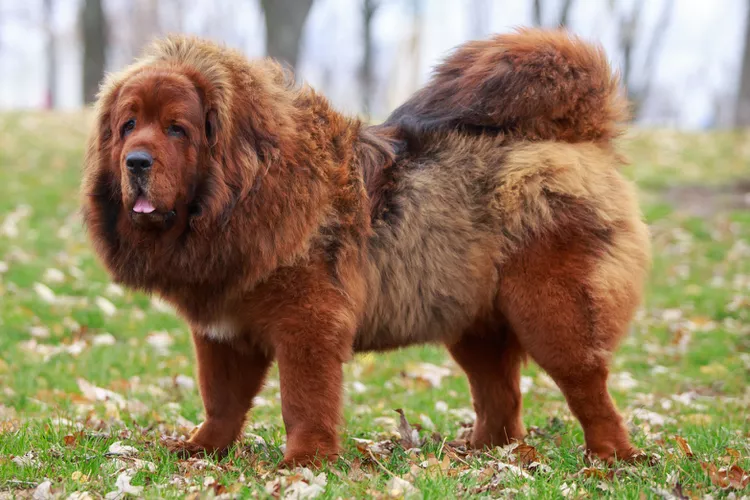
Tibetan Mastiff: Dog Breed Characteristics & Care
Learn about the Tibetan mastiff, an ancient guardian dog breed. This breed is known for their massive stature, flowing mane, and protective personality.
Can Dogs Eat Cantaloupe?
Find out if dogs can eat cantaloupe and if it's healthy. Learn how to feed dogs cantaloupe safely and what to watch out for.
Are Bones Safe for Dogs?
Are bones safe for dogs? Find out if it's really safe to give bones to dogs. Learn about the dangers of feeding bones to your dog.
Can Dogs Eat Kale?
Kale is rich in nutrients, but because it contains compounds that can harm dogs, veterinarians caution against making it a regular part of their diet.
Here’s How to Stop Your Dog from Jumping on You When Excited
Although it can be cute the first few times your dog jumps on you, it can quickly turn into a bad habit, especially if your pooch starts jumping on strangers. Here’s how to stop your dog from jumping on you when excited.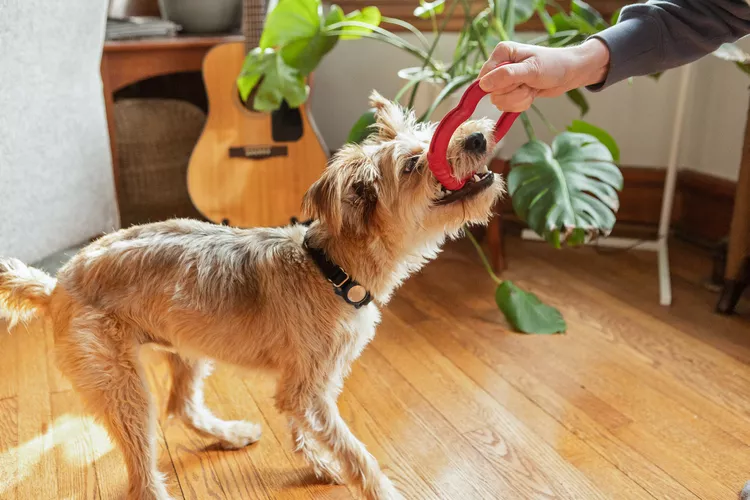
How to Stop Sudden Aggression in a Dog
It's not normal for a friendly dog to suddenly become aggressive. Sudden behavior changes may indicate a health problem and should not be ignored.
Different Meanings of a Dog's Wagging Tail
A dog wagging his tail is a common sight, but it may mean more than you think. Find out why dogs wag their tails and what canine tail wagging means.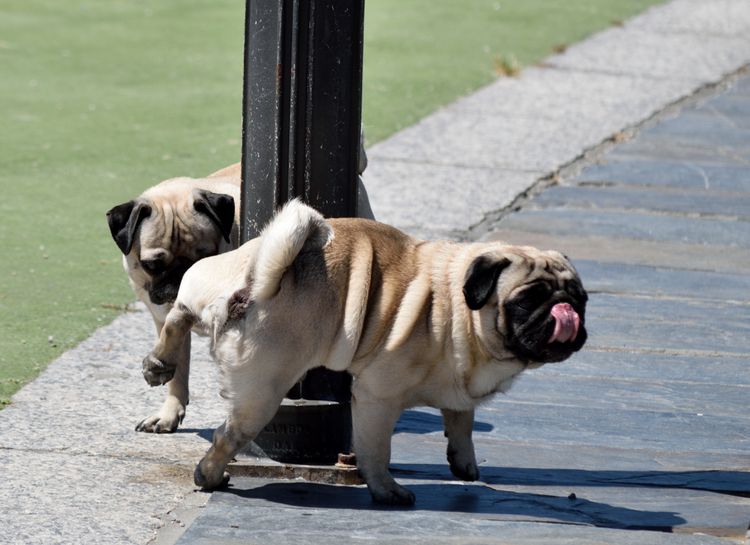
Why Do Dogs Lick Other Dogs' Pee?
Sometimes a dog will lick another dog's urine. Find out why dogs lick other dogs' pee and learn how to stop it.
How to Stop Your Dog From Barking Excessively
All dogs bark, but excessive barking is a behavior problem. Learn how to help stop excessive barking and prevent it from happening all the time.