
Anemia is an indicator of compromised health in a dog. It has a variety of causes, from trauma-related blood loss to immune-mediated diseases like infection or cancer, and treatment is based on specific causes. Though severe anemia is life-threatening and requires immediate veterinary attention, mild cases can be easier to reverse or manage. Pale gums, lethargy, or weight loss may all indicate anemia and should be investigated by a veterinarian to determine the cause and course of treatment.
Anemia refers to a condition in which a dog's blood has low red cells and/or hemoglobin, a component of blood that delivers oxygen to the cells and tissues of the body. It is not a specific disease but the result of a disease process or blood loss.
A dog's symptoms of anemia may be subtle at first, mimicking fatigue from exercise or just having an "off" day, but they will get progressively worse over several weeks.
Anemia symptoms reflect a lack of oxygen in a dog's blood, indicating that the dog is not capable of performing normal daily activities due to tiredness. While appetite loss and sluggishness can accompany other problems, they are often indicative of anemia. Combined with the appearance of pale skin and gums, the more vague symptoms of anemia are important initial clues in the diagnostic process.
Red blood cells are produced by the bone marrow and then released into a dog's circulatory system. As the red blood cells age or become damaged, they are removed from the bloodstream and get recycled to form new red blood cells. The number of circulating red blood cells may drop for any of the following reasons:
Your vet will examine your dog and perform tests to form a diagnosis. These will most likely include a complete blood count (CBC), tests for parasites, evaluations of liver, kidney, and pancreatic functions, electrolyte tests to check for dehydration, a urinalysis to check for urinary tract infections, X-rays or ultrasound to look for internal bleeding, and other tests to rule out certain causes.
Once anemia is confirmed, then the process of finding the cause begins. This may involve X-rays, liver enzyme tests, endoscopy to evaluate the condition of the gastrointestinal tract, urinalysis, and fecal analysis to check for sources of bleeding.
Treatment for anemia in dogs depends on the cause of the condition. Many causes of anemia can be treated, managed, or cured with the help of your veterinarian.
Treatment goals for dogs with anemia are to control bleeding, restore blood volume, find and resolve underlying causes of chronic blood loss, and provide supportive care.
The prognosis for a dog with anemia depends on the cause of the condition, which may be minor and easily remedied, or serious and potentially life-threatening.
Certain causes of anemia can be prevented with measures such as flea and tick management, accident and trauma prevention, keeping toxins like rat poison and human medications (like ibuprofen and acetaminophen) away from your dog, and scheduling regular veterinary wellness checks.
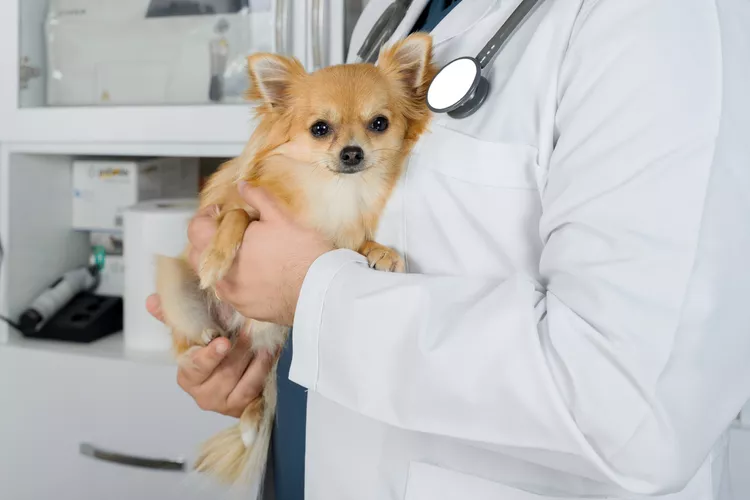
Preventative care is just as important for pets as it is for their owners. Often, dogs will not show symptoms of a health issue, but a veterinarian can help detect and sometimes prevent disease and other life-threatening conditions during regular exams.
Legg-Calve-Perthes Disease in Dogs
Legg-Calve-Perthes is a congenital disorder affecting the hip joints of dogs—particularly small breeds. Learn the causes, treatment, and prevention.
Bloat in Dogs
Bloat, or gastric dilation volvulus (GDV), is an emergency that generally affects large breed dogs. Learn the causes, treatment, and prevention.
Anemia in Dogs
Anemia is a low red blood cell count. In dogs, it can indicate various problems—some of them serious. Learn the causes, treatment, and prevention.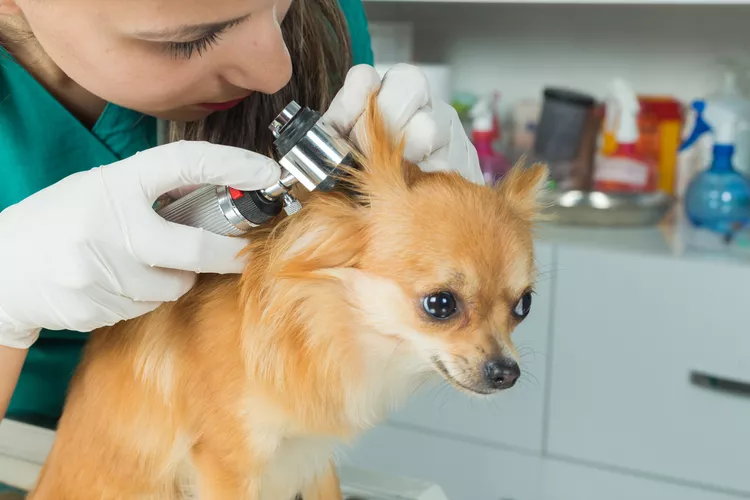
Ear Yeast Infections in Dogs
Ear yeast infections in dogs are common, uncomfortable, smell bad, and dangerous if untreated. Learn the causes, treatment, and prevention.
Neutering Your Dog Explained
What does it mean to neuter a dog? Learn about neutering or castration in dogs and why it is done. Find out what to expect when your dog is neutered.
Pyoderma in Dogs
Pyoderma is a skin infection commonly seen in puppies that may indicate a compromised immune system. Learn the causes, treatment, and prevention.
Dog Hiccups: How to Get Rid of Them
Dog hiccups in dogs are a fleeting nuisance in most cases, but sometimes they can mean something more. Learn what to watch for and find out how to get rid of dog hiccups.
5 Common Foods In Your Pantry That Are Not Safe For Your Pets
One potato chip is not going to hurt your pet, but there are other foods that can. Learn which to avoid and some safe foods that can be used as treats.
American Staffordshire Terrier: Breed Characteristics & Care
The American Staffordshire terrier is a type of pit bull with a friendly nature. Learn about the Am Staff's history, training, health, and more.
Greyhound: Dog Breed Characteristics & Care
Learn about the greyhound, the fastest dog breed in the world. They're also a loyal companion that's non-aggressive and good with children.
Berger Picard: Dog Breed Characteristics & Care
The Berger Picard is a French herding dog with a friendly smile and shaggy beard. Learn about its history, health, exercise needs, and more.
Tibetan Mastiff: Dog Breed Characteristics & Care
Learn about the Tibetan mastiff, an ancient guardian dog breed. This breed is known for their massive stature, flowing mane, and protective personality.
Can Dogs Eat Cantaloupe?
Find out if dogs can eat cantaloupe and if it's healthy. Learn how to feed dogs cantaloupe safely and what to watch out for.
Are Bones Safe for Dogs?
Are bones safe for dogs? Find out if it's really safe to give bones to dogs. Learn about the dangers of feeding bones to your dog.
Can Dogs Eat Kale?
Kale is rich in nutrients, but because it contains compounds that can harm dogs, veterinarians caution against making it a regular part of their diet.
Here’s How to Stop Your Dog from Jumping on You When Excited
Although it can be cute the first few times your dog jumps on you, it can quickly turn into a bad habit, especially if your pooch starts jumping on strangers. Here’s how to stop your dog from jumping on you when excited.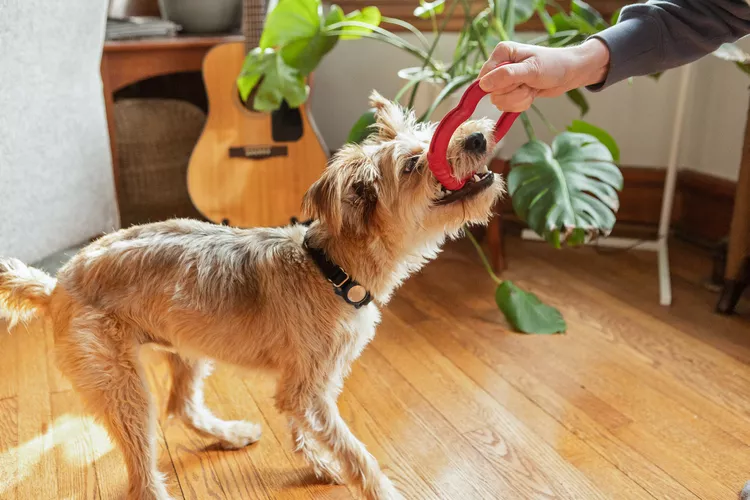
How to Stop Sudden Aggression in a Dog
It's not normal for a friendly dog to suddenly become aggressive. Sudden behavior changes may indicate a health problem and should not be ignored.
Different Meanings of a Dog's Wagging Tail
A dog wagging his tail is a common sight, but it may mean more than you think. Find out why dogs wag their tails and what canine tail wagging means.
Why Do Dogs Lick Other Dogs' Pee?
Sometimes a dog will lick another dog's urine. Find out why dogs lick other dogs' pee and learn how to stop it.
How to Stop Your Dog From Barking Excessively
All dogs bark, but excessive barking is a behavior problem. Learn how to help stop excessive barking and prevent it from happening all the time.