Sudden aggression in your dog can be a scary situation for any pet parent. If your adult dog has been with you for a while, you can usually predict their behavior in various types of situations—and you don't expect them to become irritable. If your happy, loving dog suddenly exhibits aggressive behavior for no obvious reason, we're here to help.
The key to dealing with this behavioral change is to first try to determine the cause. At the same time, it's important to keep your dog, as well as your human friends, family, other pets, and yourself, safe by seeking the help of your veterinarian right away.
In the meantime, handle the dog in a careful, non-threatening way and take action to manage the aggression until you're able to figure out what's causing it and ideally find a safe, workable solution.
Dog aggression toward people may involve a variety of behaviors such as barking, lunging, snarling, growling, snapping, nipping, and biting. Dogs can also have reactivity on leash, which occurs when they're on walks and may include lunging, pulling, and barking, mostly at other dogs.
It's not normal when a happy dog suddenly exhibits aggressive behavior for no obvious reason. If you take a closer look, always enlisting the help of your vet and a positive reinforcement-based dog trainer, you may be able to figure out the cause of your dog's behavior change.
Fear can elicit sudden behavioral and temperament changes such as aggression. If the aggression is temporary, it might be that your dog is simply reacting to a perceived threat. However, it's still important to figure out why your dog reacted so you can help your dog not react to those situations in the future.
Many common health problems can also affect your dog's personality, and some can be serious. This is especially common as your dog becomes a senior and begins to develop age-related diseases. In some cases, sudden aggression in an older dog may be related to canine cognitive dysfunction or dementia.
If your dog's aggression is accompanied by other symptoms, like hair loss, weight gain, or lethargy, it could be a sign of hypothyroidism. If accompanied by convulsions or rapid mood changes, it could be from seizures. Brain damage to specific areas of the brain from tumors, thyroid issues, and trauma can also result in aggression problems.
An ear infection could be the culprit if your dog suddenly becomes aggressive in the presence of loud noises. If eating makes your dog grumpy, a dental issue may be the cause.
An injury could be the source of your dog's sudden aggression, and something you might not have realized your dog experienced because of their ability to hide pain. To explore this possibility, start with a cursory physical exam. Look for swelling, cuts, torn paw pads, insect stings, or tender spots. Anything that looks out of the ordinary could be hurting your dog and causing aggression.
Check the inside of your dog's mouth (if you feel safe doing so) to see if a foreign object may be causing the aggression. It might be a daunting prospect if the dog is feeling snappy, but the problem could be something as simple as a piece of food, toy, or stick caught in your dog's teeth. If your dog threatens you in any way, though, leave the oral exam up to your veterinarian.
Take note of any other symptoms, such as vomiting, diarrhea, loss of appetite, and lethargy, and write this information down so you can share it with your veterinarian.
Working to stop your dog's sudden aggression is very important for both you and your dog's overall happiness. Start with ruling out health issues, then enlist the help of a professional to help you pinpoint the cause of the aggression and work to overcome it.
The vet will discuss your dog's medical and behavioral history and perform a complete physical examination. The goal is to first rule out injuries and other medical problems. Blood and urine tests may be necessary to assess your dog's blood cell counts and organ function. Radiographs may also be needed to locate the source of the problem.
If your vet is unable to find a medical issue, seek the assistance of a certified canine behaviorist. An animal behavior professional can help you work with your dog using techniques such as behavior modification, conditioning, and desensitization and can also help you decide whether the risk of living with your dog is too great and euthanasia is justified.
While you're working through an aggression issue with your dog, it's best to limit exposure to strangers, other dogs, or young children. A no-visitor and no-petting rule is best. Also, don't leave your dog unattended, and keep them on a leash at all times while you're on walks, in a park, or anywhere else. It's not worth risking a dog bite or potential scare from your dog while you work through aggression and reactivity.
Legg-Calve-Perthes Disease in Dogs
Legg-Calve-Perthes is a congenital disorder affecting the hip joints of dogs—particularly small breeds. Learn the causes, treatment, and prevention.
Bloat in Dogs
Bloat, or gastric dilation volvulus (GDV), is an emergency that generally affects large breed dogs. Learn the causes, treatment, and prevention.
Anemia in Dogs
Anemia is a low red blood cell count. In dogs, it can indicate various problems—some of them serious. Learn the causes, treatment, and prevention.
Ear Yeast Infections in Dogs
Ear yeast infections in dogs are common, uncomfortable, smell bad, and dangerous if untreated. Learn the causes, treatment, and prevention.
Neutering Your Dog Explained
What does it mean to neuter a dog? Learn about neutering or castration in dogs and why it is done. Find out what to expect when your dog is neutered.
Pyoderma in Dogs
Pyoderma is a skin infection commonly seen in puppies that may indicate a compromised immune system. Learn the causes, treatment, and prevention.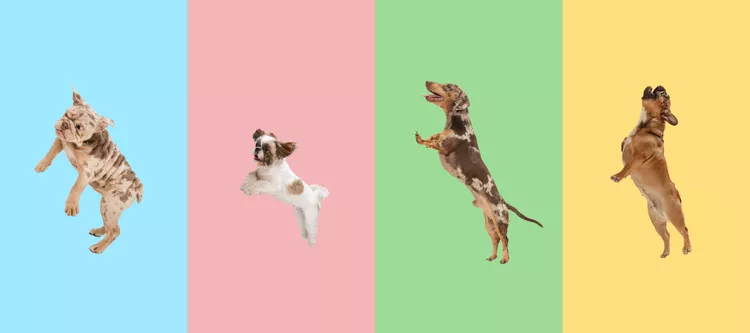
Dog Hiccups: How to Get Rid of Them
Dog hiccups in dogs are a fleeting nuisance in most cases, but sometimes they can mean something more. Learn what to watch for and find out how to get rid of dog hiccups.
5 Common Foods In Your Pantry That Are Not Safe For Your Pets
One potato chip is not going to hurt your pet, but there are other foods that can. Learn which to avoid and some safe foods that can be used as treats.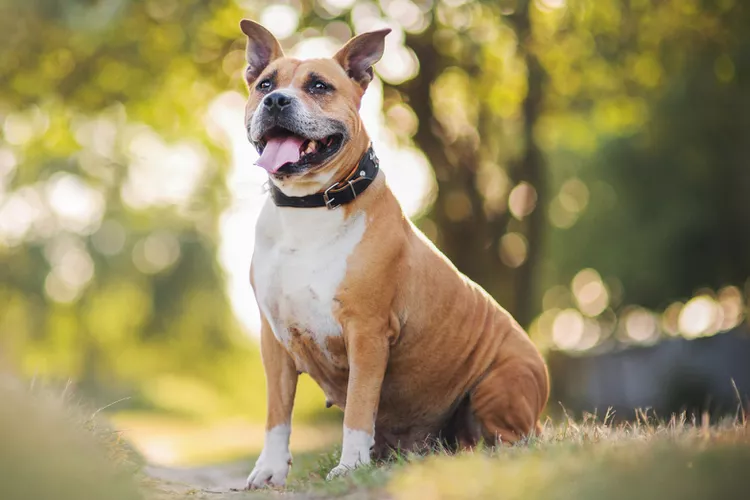
American Staffordshire Terrier: Breed Characteristics & Care
The American Staffordshire terrier is a type of pit bull with a friendly nature. Learn about the Am Staff's history, training, health, and more.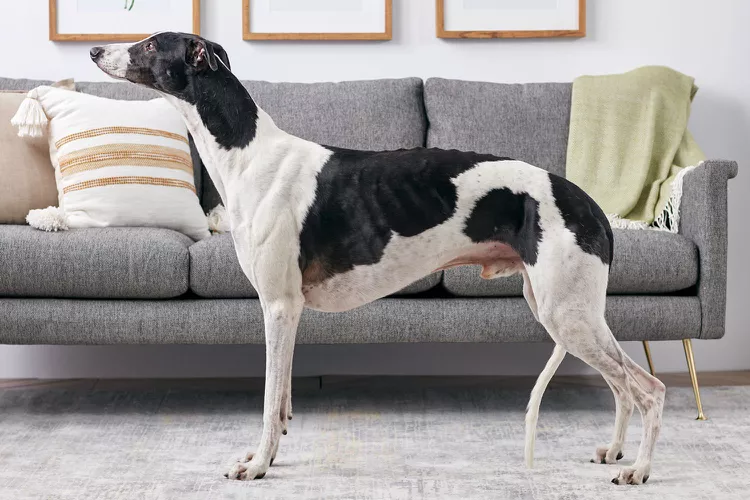
Greyhound: Dog Breed Characteristics & Care
Learn about the greyhound, the fastest dog breed in the world. They're also a loyal companion that's non-aggressive and good with children.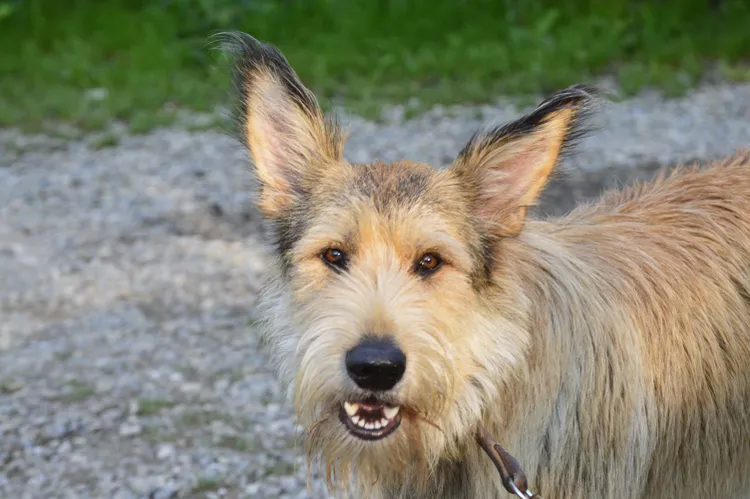
Berger Picard: Dog Breed Characteristics & Care
The Berger Picard is a French herding dog with a friendly smile and shaggy beard. Learn about its history, health, exercise needs, and more.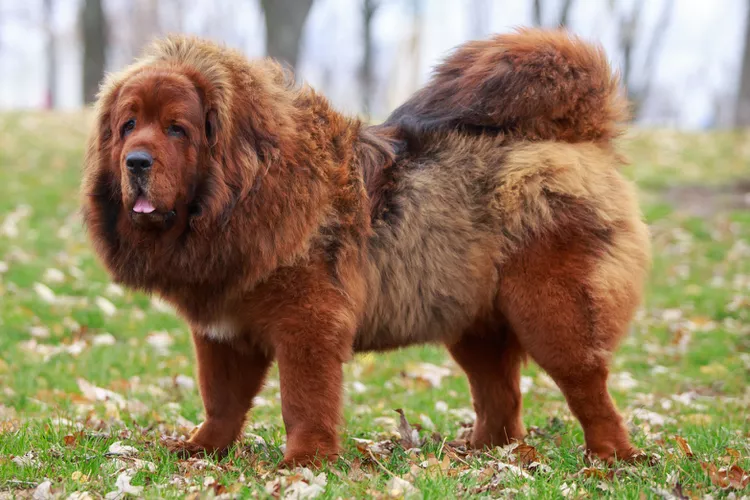
Tibetan Mastiff: Dog Breed Characteristics & Care
Learn about the Tibetan mastiff, an ancient guardian dog breed. This breed is known for their massive stature, flowing mane, and protective personality.
Can Dogs Eat Cantaloupe?
Find out if dogs can eat cantaloupe and if it's healthy. Learn how to feed dogs cantaloupe safely and what to watch out for.
Are Bones Safe for Dogs?
Are bones safe for dogs? Find out if it's really safe to give bones to dogs. Learn about the dangers of feeding bones to your dog.
Can Dogs Eat Kale?
Kale is rich in nutrients, but because it contains compounds that can harm dogs, veterinarians caution against making it a regular part of their diet.
Here’s How to Stop Your Dog from Jumping on You When Excited
Although it can be cute the first few times your dog jumps on you, it can quickly turn into a bad habit, especially if your pooch starts jumping on strangers. Here’s how to stop your dog from jumping on you when excited.
How to Stop Sudden Aggression in a Dog
It's not normal for a friendly dog to suddenly become aggressive. Sudden behavior changes may indicate a health problem and should not be ignored.
Different Meanings of a Dog's Wagging Tail
A dog wagging his tail is a common sight, but it may mean more than you think. Find out why dogs wag their tails and what canine tail wagging means.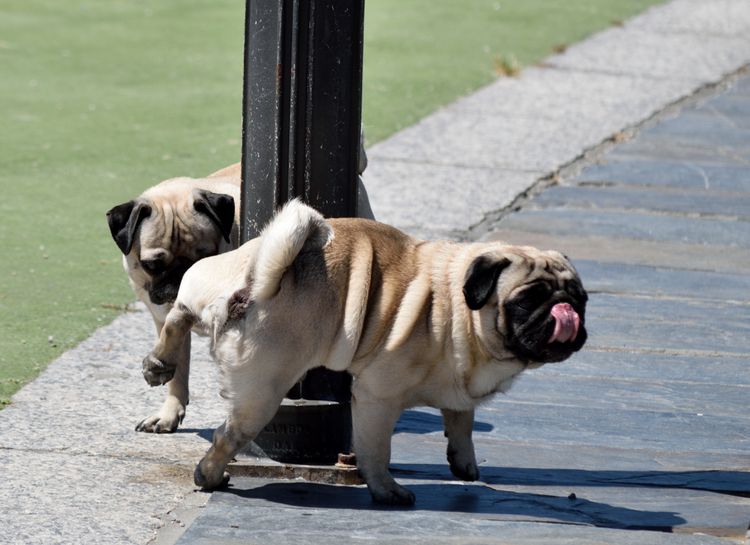
Why Do Dogs Lick Other Dogs' Pee?
Sometimes a dog will lick another dog's urine. Find out why dogs lick other dogs' pee and learn how to stop it.
How to Stop Your Dog From Barking Excessively
All dogs bark, but excessive barking is a behavior problem. Learn how to help stop excessive barking and prevent it from happening all the time.