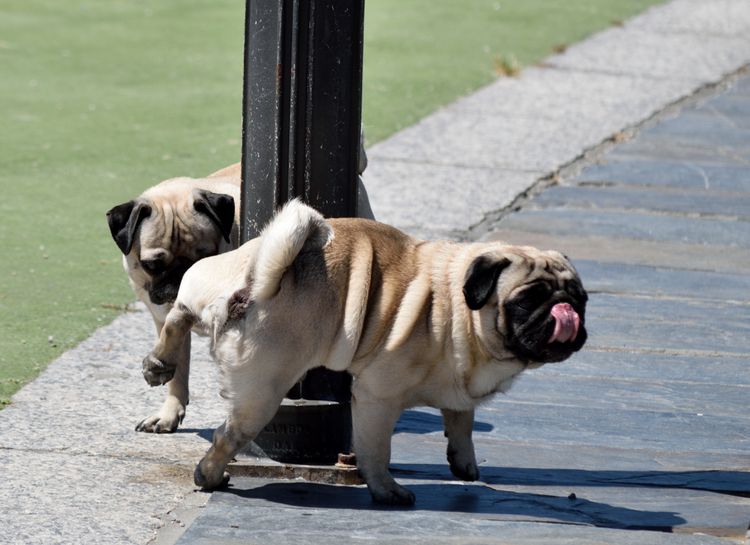
Have you ever noticed your dog licking another dog's pee? Dogs are known to display plenty of odd behaviors and weird habits, like sniffing each other's rears or suddenly getting the zoomies. When dogs sniff the urine of other dogs, they get a world of stimulating information.
Despite how off-putting we humans see it, dogs seem to enjoy it. Fortunately, this behavior is generally harmless—unless the other dog is sick.
Dogs use their noses to explore the world around them. An advanced olfactory system allows dogs to smell much better than humans. They actually have a structure in their nasal passages called the vomeronasal organ or Jacobson's organ that enables them to smell pheromones. They can take in complex layers of scents and will sometimes lick objects, surfaces, and even other dogs in order to get a better whiff.
Urine contains chemicals and pheromones that are unique to each dog. It tells a story about the dog and can provide clues about the dog's sex, reproductive status, health, and diet. This explains the reason for urine marking: Dogs urinate on objects to mark their territories and communicate with other dogs. Of course, this is why your dog is drawn to the pee of other dogs.
You may see your dog licking in addition to smelling the urine so he can fully take in all of the "aromas" from the other dog. Some dogs will rub their faces and bodies on desirable scents, and this may include the urine of another dog.
You may find it unsettling to see your dog licking another dog's urine. Relax, there is nothing wrong with your dog. This instinctive behavior is normal and usually harmless. However, a dog can contract an infectious disease from licking the urine of animals.
Leptospirosis is a bacterial disease that is contagious to both humans and dogs. It is often transmitted through the urine of wildlife like rodents. Dogs with leptospirosis can spread this disease through their urine as well, infecting humans, dogs, or other animals. Leptospirosis causes flu-like symptoms and can lead to liver failure or kidney failure in dogs and people. Dogs are more likely to contract leptospirosis from contaminated water, but it is technically possible to get the disease directly from another dog. Therefore, it can be a concern if your dog is licking the urine of unknown dogs. Contact your veterinarian if you suspect your dog has been exposed to leptospirosis or is showing signs of illness.
Intestinal parasites and gastrointestinal viruses like parvo are not passed via urine. However, a dog could contract a disease after licking the genital area of an infected dog if the dog is shedding the parasite or virus from the anus.
A rare bladder parasite called Capillaria plica can affect dogs, but not directly from another dog's urine. Instead, the infected dog urinates the parasite's eggs, which then develop into larvae and enter earthworms. A dog must eat the infected earthworm to contract the parasite.
There may be times when you want to stop your dog from licking other dogs' urine. Many owners are disgusted by the sight of it even though it's normal behavior. More likely, you are concerned that your dog may contract an infectious disease.
Training can help you prevent your dog from licking other dogs' pee. Practice cues like drop it and leave it so you can interrupt your dog the moment you catch him trying to eat something bad. If your dog fails to obey, use positive reinforcement rather than punishment. Redirect your dog to a toy or game. Reward him for diverting his attention from the undesired item.
Your dog is most likely to lick another dog's pee during a walk or while playing in a dog park. Watch your dog closely at these times. If your dog is on a leash, simply lead him away from other dogs that are peeing. You will need to watch your dog closely at the dog park or while playing outdoors with other dogs. Only allow your dog to play with healthy dogs.
You may need to take a break from the dog park if you cannot stop your dog from licking other dog's pee. Work on training in a controlled environment, like your yard. Invite familiar, healthy dogs over from doggie "playdates" so you can supervise and work on the "leave it" cue.
Legg-Calve-Perthes Disease in Dogs
Legg-Calve-Perthes is a congenital disorder affecting the hip joints of dogs—particularly small breeds. Learn the causes, treatment, and prevention.
Bloat in Dogs
Bloat, or gastric dilation volvulus (GDV), is an emergency that generally affects large breed dogs. Learn the causes, treatment, and prevention.
Anemia in Dogs
Anemia is a low red blood cell count. In dogs, it can indicate various problems—some of them serious. Learn the causes, treatment, and prevention.
Ear Yeast Infections in Dogs
Ear yeast infections in dogs are common, uncomfortable, smell bad, and dangerous if untreated. Learn the causes, treatment, and prevention.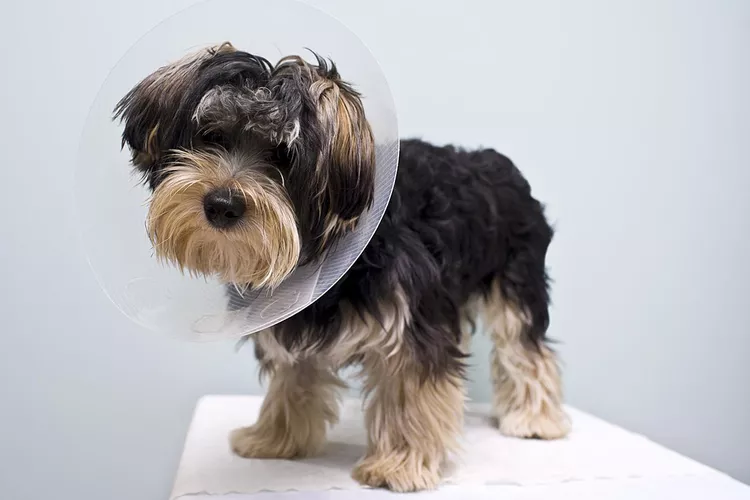
Neutering Your Dog Explained
What does it mean to neuter a dog? Learn about neutering or castration in dogs and why it is done. Find out what to expect when your dog is neutered.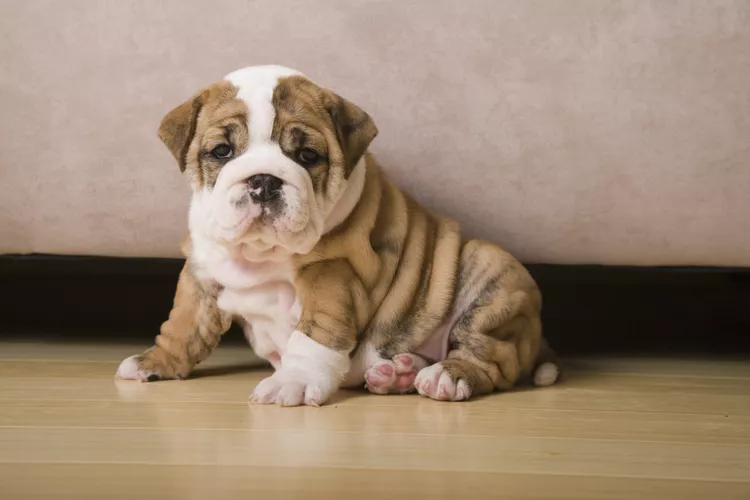
Pyoderma in Dogs
Pyoderma is a skin infection commonly seen in puppies that may indicate a compromised immune system. Learn the causes, treatment, and prevention.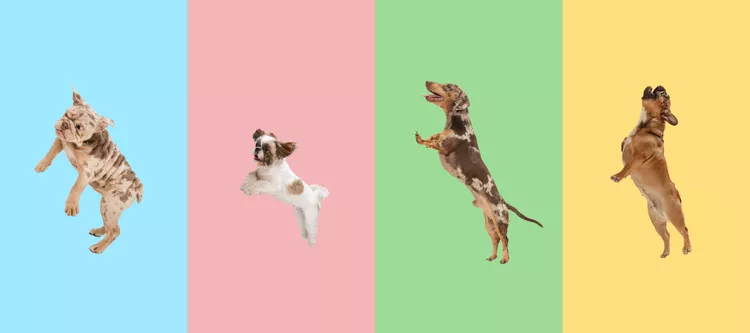
Dog Hiccups: How to Get Rid of Them
Dog hiccups in dogs are a fleeting nuisance in most cases, but sometimes they can mean something more. Learn what to watch for and find out how to get rid of dog hiccups.
5 Common Foods In Your Pantry That Are Not Safe For Your Pets
One potato chip is not going to hurt your pet, but there are other foods that can. Learn which to avoid and some safe foods that can be used as treats.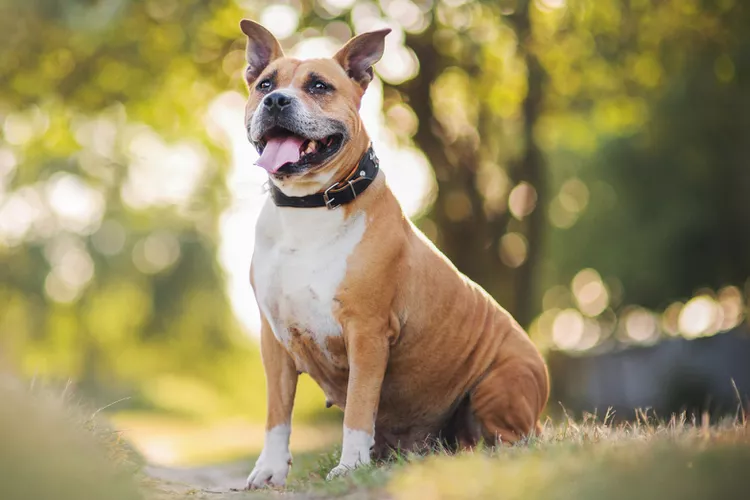
American Staffordshire Terrier: Breed Characteristics & Care
The American Staffordshire terrier is a type of pit bull with a friendly nature. Learn about the Am Staff's history, training, health, and more.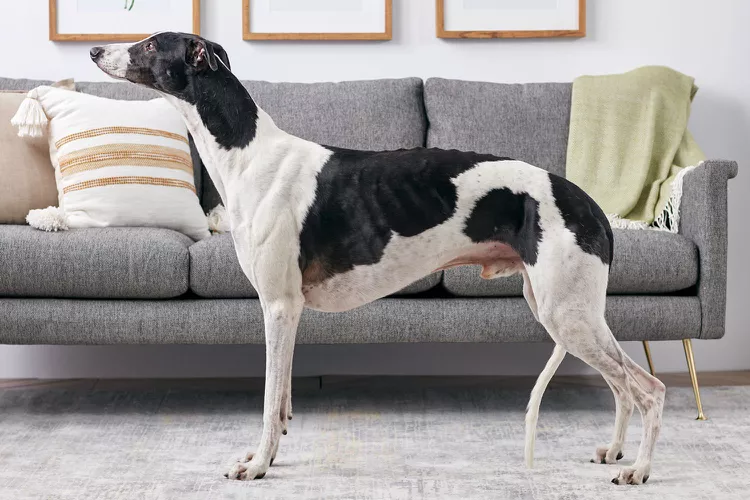
Greyhound: Dog Breed Characteristics & Care
Learn about the greyhound, the fastest dog breed in the world. They're also a loyal companion that's non-aggressive and good with children.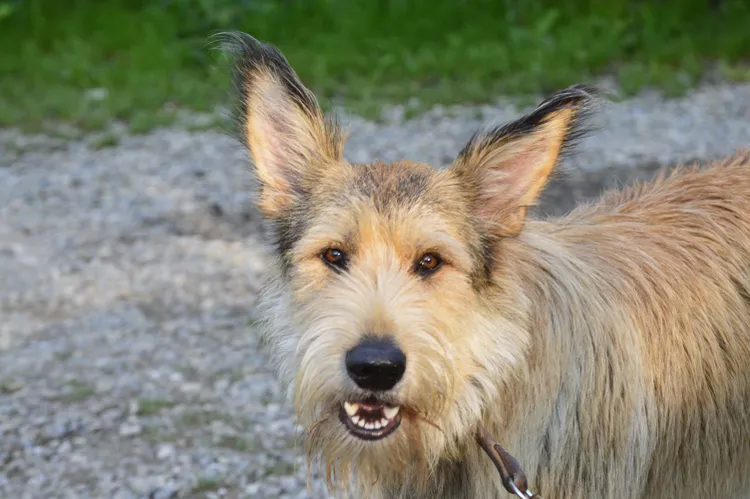
Berger Picard: Dog Breed Characteristics & Care
The Berger Picard is a French herding dog with a friendly smile and shaggy beard. Learn about its history, health, exercise needs, and more.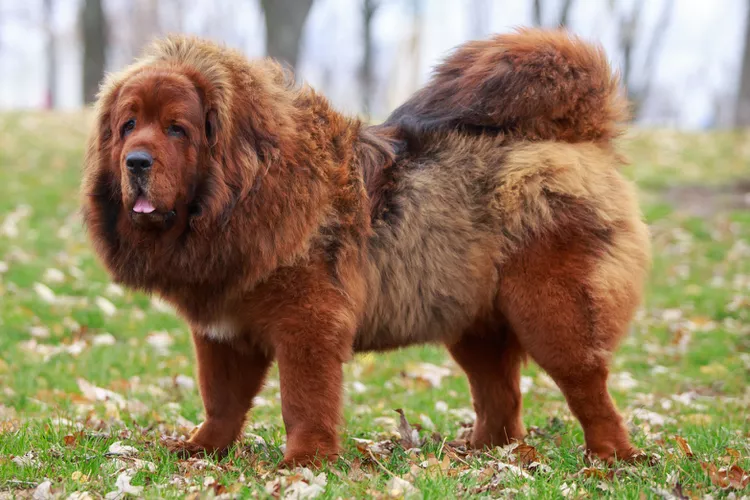
Tibetan Mastiff: Dog Breed Characteristics & Care
Learn about the Tibetan mastiff, an ancient guardian dog breed. This breed is known for their massive stature, flowing mane, and protective personality.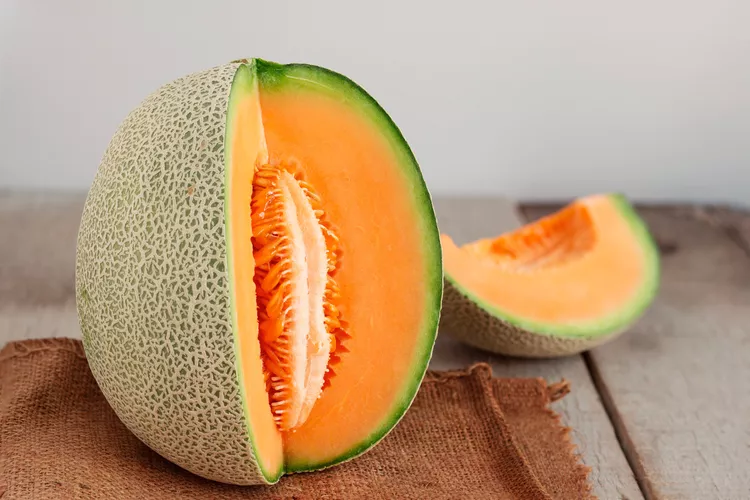
Can Dogs Eat Cantaloupe?
Find out if dogs can eat cantaloupe and if it's healthy. Learn how to feed dogs cantaloupe safely and what to watch out for.
Are Bones Safe for Dogs?
Are bones safe for dogs? Find out if it's really safe to give bones to dogs. Learn about the dangers of feeding bones to your dog.
Can Dogs Eat Kale?
Kale is rich in nutrients, but because it contains compounds that can harm dogs, veterinarians caution against making it a regular part of their diet.
Here’s How to Stop Your Dog from Jumping on You When Excited
Although it can be cute the first few times your dog jumps on you, it can quickly turn into a bad habit, especially if your pooch starts jumping on strangers. Here’s how to stop your dog from jumping on you when excited.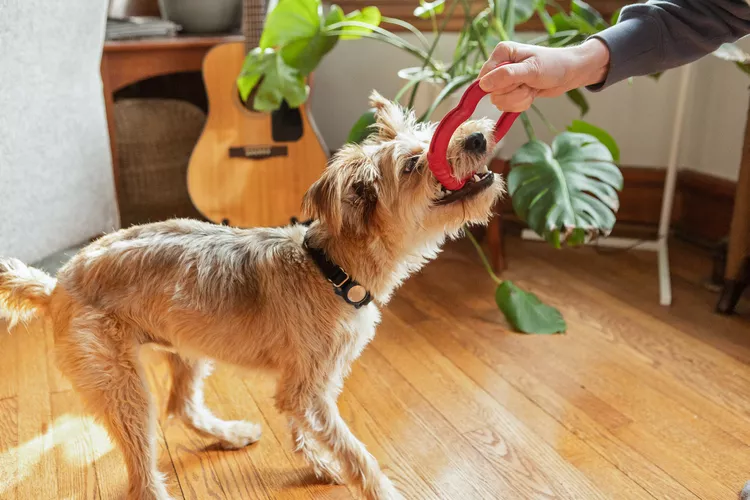
How to Stop Sudden Aggression in a Dog
It's not normal for a friendly dog to suddenly become aggressive. Sudden behavior changes may indicate a health problem and should not be ignored.
Different Meanings of a Dog's Wagging Tail
A dog wagging his tail is a common sight, but it may mean more than you think. Find out why dogs wag their tails and what canine tail wagging means.
Why Do Dogs Lick Other Dogs' Pee?
Sometimes a dog will lick another dog's urine. Find out why dogs lick other dogs' pee and learn how to stop it.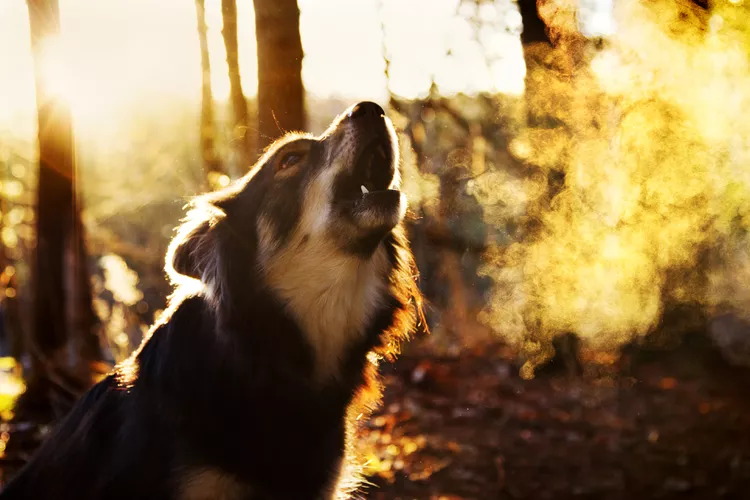
How to Stop Your Dog From Barking Excessively
All dogs bark, but excessive barking is a behavior problem. Learn how to help stop excessive barking and prevent it from happening all the time.