
Pyoderma is an itchy and uncomfortable skin condition, but it generally looks more serious than it is. Dogs with underlying conditions affecting their skin, endocrine system, or immune system are most vulnerable to this type of infection that arises from naturally occurring bacteria and causes red pustules and crusty lesions. Some mild cases will resolve on their own within a couple of weeks; others may require topical or oral antibiotic therapy to heal.
Because pyoderma can occur as a result of an underlying condition that compromises a pup's immunity, a veterinary evaluation is recommended. Pyoderma is similar to impetigo, a human skin infection, and can be caused by similar bacteria.
Pyoderma is a generalized bacterial skin infection that creates pus-filled bumps that break into crusting lesions on areas of sparse hair or skin folds. It often indicates an underlying health condition.
The signs of pyoderma are most obvious on the chin and abdomen where a dog's hair is sparse. Look for:
The characteristic pustules and papules will burst—due to scratching or as a natural course of the infection—causing circular lesions that become crusty. Because pyoderma lesions can be itchy, a dog may scratch the affected areas of the skin, potentially causing further redness, bleeding, and skin damage. If a dog's pyoderma is severe, the discomfort may cause it to be depressed, lethargic, and uninterested in food.
The specific cause of pyoderma is not entirely understood because only certain individuals develop this problem from bacteria that are naturally present on all dogs' skin. If a dog has a compromised immune system, an endocrine disorder, or skin damage that allows bacterial infiltration, then it is more vulnerable to pyoderma. Other factors that may increase a dog's risk include:
Some breeds seem to be predisposed to certain types of pyoderma, including Staffordshire bull terriers, bulldogs, boxers, Pekingese, pugs, and shar-peis.
Your vet will conduct a physical exam and skin cytology tests to determine the presence of bacterial, fungal, or mite infestations. This will help identify pyoderma and confirm or rule out other causes of skin inflammation.
Once pyoderma is diagnosed, further testing should be performed to determine if there is an underlying condition that facilitated the skin infection.
Pyoderma is generally easy to treat. Some cases may even resolve on their own without treatment or with a medicated shampoo alone. If a dog's pyoderma seems resistant to healing, then a course of topical or oral antibiotics may help. Keeping the skin clean and dry will also speed healing.
Pyoderma is not generally life-threatening and usually remains localized, rarely spreading or leading to deeper skin infections. A dog may experience flare-ups until intermittently, but addressing any underlying allergic, immune system, or endocrine issues can help minimize the frequency and severity of problems.
Pyoderma isn't a directly contagious condition, as impetigo is in people. The bacteria involved do not usually cause a problem when people or other animals with healthy skin and immune systems are exposed to them. Practicing good hygiene after touching a dog with pyoderma is still safest to limit the spread of these bacteria.
Since the specific cause of pyoderma isn't fully understood, prevention is not 100% possible. Keeping your dog's coat clean and healthy and pursuing regular veterinary care to control any underlying conditions are good protective measures.
Legg-Calve-Perthes Disease in Dogs
Legg-Calve-Perthes is a congenital disorder affecting the hip joints of dogs—particularly small breeds. Learn the causes, treatment, and prevention.
Bloat in Dogs
Bloat, or gastric dilation volvulus (GDV), is an emergency that generally affects large breed dogs. Learn the causes, treatment, and prevention.
Anemia in Dogs
Anemia is a low red blood cell count. In dogs, it can indicate various problems—some of them serious. Learn the causes, treatment, and prevention.
Ear Yeast Infections in Dogs
Ear yeast infections in dogs are common, uncomfortable, smell bad, and dangerous if untreated. Learn the causes, treatment, and prevention.
Neutering Your Dog Explained
What does it mean to neuter a dog? Learn about neutering or castration in dogs and why it is done. Find out what to expect when your dog is neutered.
Pyoderma in Dogs
Pyoderma is a skin infection commonly seen in puppies that may indicate a compromised immune system. Learn the causes, treatment, and prevention.
Dog Hiccups: How to Get Rid of Them
Dog hiccups in dogs are a fleeting nuisance in most cases, but sometimes they can mean something more. Learn what to watch for and find out how to get rid of dog hiccups.
5 Common Foods In Your Pantry That Are Not Safe For Your Pets
One potato chip is not going to hurt your pet, but there are other foods that can. Learn which to avoid and some safe foods that can be used as treats.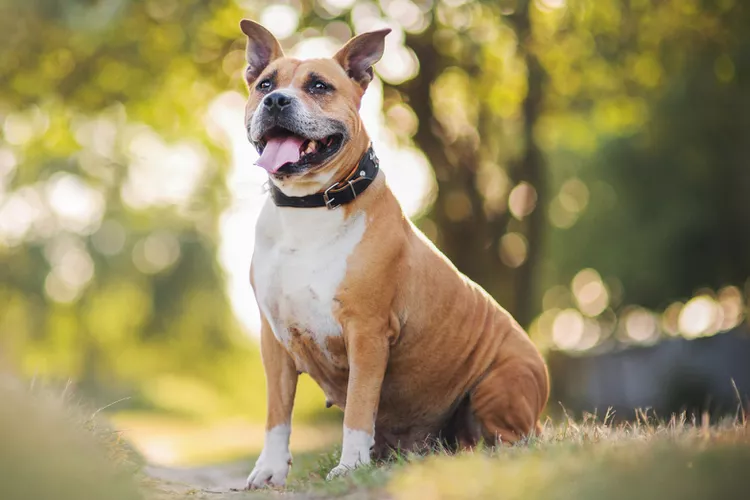
American Staffordshire Terrier: Breed Characteristics & Care
The American Staffordshire terrier is a type of pit bull with a friendly nature. Learn about the Am Staff's history, training, health, and more.
Greyhound: Dog Breed Characteristics & Care
Learn about the greyhound, the fastest dog breed in the world. They're also a loyal companion that's non-aggressive and good with children.
Berger Picard: Dog Breed Characteristics & Care
The Berger Picard is a French herding dog with a friendly smile and shaggy beard. Learn about its history, health, exercise needs, and more.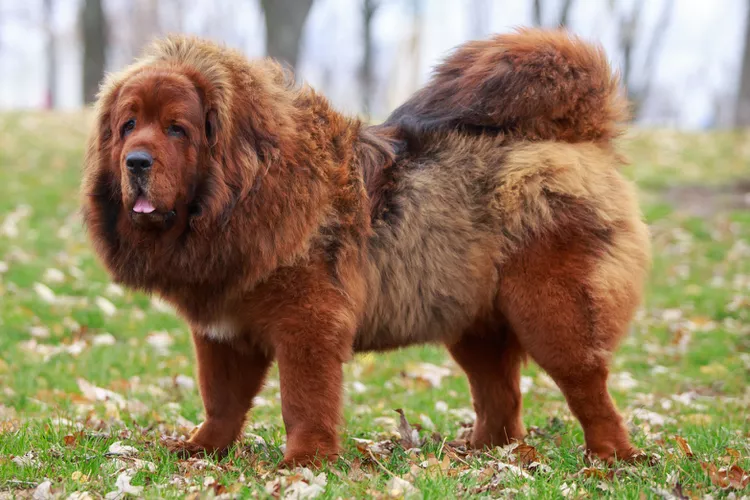
Tibetan Mastiff: Dog Breed Characteristics & Care
Learn about the Tibetan mastiff, an ancient guardian dog breed. This breed is known for their massive stature, flowing mane, and protective personality.
Can Dogs Eat Cantaloupe?
Find out if dogs can eat cantaloupe and if it's healthy. Learn how to feed dogs cantaloupe safely and what to watch out for.
Are Bones Safe for Dogs?
Are bones safe for dogs? Find out if it's really safe to give bones to dogs. Learn about the dangers of feeding bones to your dog.
Can Dogs Eat Kale?
Kale is rich in nutrients, but because it contains compounds that can harm dogs, veterinarians caution against making it a regular part of their diet.
Here’s How to Stop Your Dog from Jumping on You When Excited
Although it can be cute the first few times your dog jumps on you, it can quickly turn into a bad habit, especially if your pooch starts jumping on strangers. Here’s how to stop your dog from jumping on you when excited.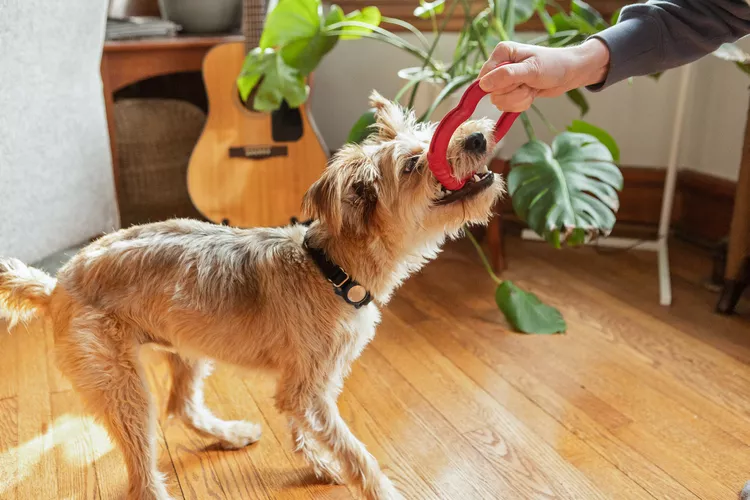
How to Stop Sudden Aggression in a Dog
It's not normal for a friendly dog to suddenly become aggressive. Sudden behavior changes may indicate a health problem and should not be ignored.
Different Meanings of a Dog's Wagging Tail
A dog wagging his tail is a common sight, but it may mean more than you think. Find out why dogs wag their tails and what canine tail wagging means.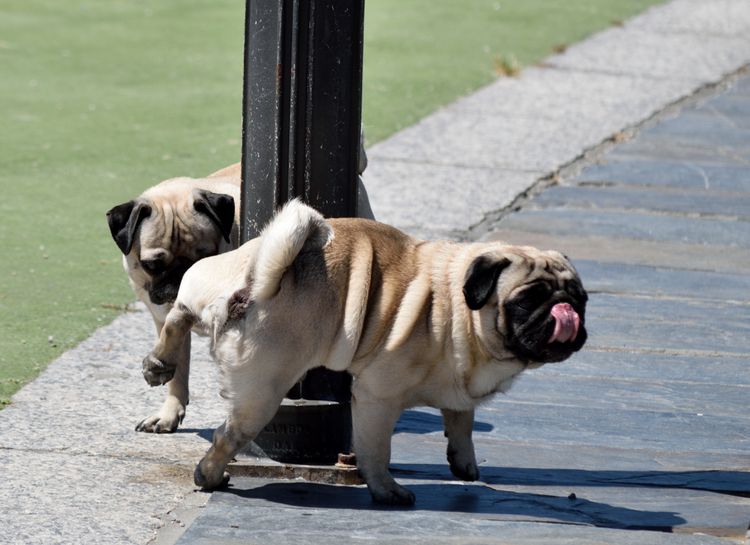
Why Do Dogs Lick Other Dogs' Pee?
Sometimes a dog will lick another dog's urine. Find out why dogs lick other dogs' pee and learn how to stop it.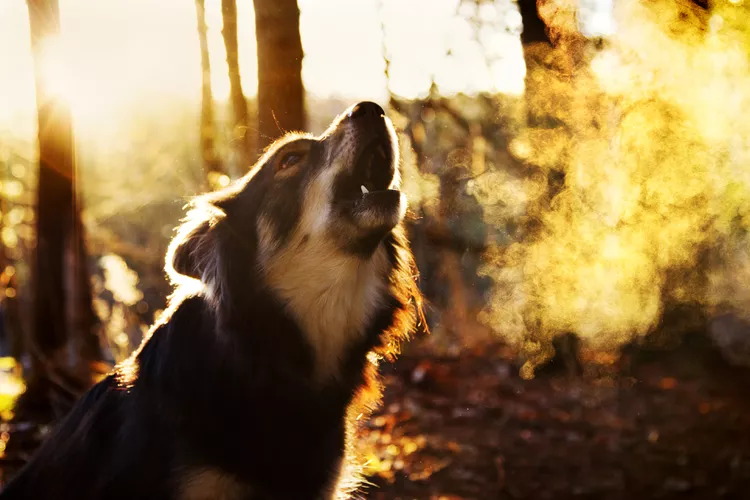
How to Stop Your Dog From Barking Excessively
All dogs bark, but excessive barking is a behavior problem. Learn how to help stop excessive barking and prevent it from happening all the time.