Most dogs develop a cough at some point in their lives, and it can be difficult to determine if your dog is responding to an irritant from the environment or a serious health concern. Dogs navigate the world with their nose, and because of this, your dog’s nose comes into contact with a variety of things like dust, germs, and dirt, all of which can lead to a cough.
A cough can be a symptom of a number of different problems in dogs. The type of cough and your dog's breed, age, and environment can all be helpful to your veterinarian in diagnosing the cause of the cough. While a cough could be minor due to obvious causes like an allergen or irritant in the throat, some causes could be more serious, and if left untreated, could lead to infection or pneumonia. Find out more about the underlying causes for coughing, how a diagnosis is made, and how this condition may be treated.
A cough is a reflex that is stimulated by irritation or foreign matter in the trachea or bronchi. It is a protective mechanism to keep the airways and respiratory tract clear of secretions and foreign material. A cough consists of a sudden, forceful expiration of air. There are many reasons why a dog will cough, but there will always be an underlying cause. All dogs cough sometimes, but only a veterinarian can help you rule out some of these causes to pinpoint why your particular dog is coughing and give you a plan for treatment. Here are a few of the more common reasons why dogs cough.
Kennel cough, also known as canine infectious respiratory disease, is a contagious respiratory disease transmitted between dogs. Your dog can be infected if they spent time in a kennel, at the groomer, or anywhere there are other dogs. A dry, hacking cough that is sometimes followed by a gag and retch is a common symptom.
A deep, wet cough can be a symptom of pneumonia. This cough can often be accompanied by a fever, difficulty breathing, weight loss, and nasal discharge. Pneumonia can be caused by viruses, bacteria, fungi, or parasites.
A cough that is acute and sounds more like gagging, especially when accompanied by lip licking or attempts to swallow, could be a sign your dog has a sore throat, or something stuck in their throat. Grass, seeds, dirt, and other things can be inhaled, and dogs can get small pieces of sticks or toys stuck in their trachea. If coughing doesn’t eject the foreign object after a few coughs, you should take your dog directly to the vet and have it examined and the foreign body removed as soon as possible. Foreign objects can lead to potential infection and pneumonia in some cases.
Dogs with heart problems, including an enlarged heart, heart murmur, and congestive heart failure, can all experience bouts of coughing. Some dogs with a chronic heart murmur will develop progressive enlargement of the upper chambers of their heart. This enlargement can eventually result in congestive heart failure, a condition in which fluid leaks into the lungs and causes a cough.
Tracheal collapse is most common in overweight toy and miniature breeds of dogs, but can occasionally occur in large breed dogs as well. Dogs with this condition will often have a honking, chronic cough that worsens when the dog is excited, pulls on the leash, or is picked up. Strategies to prevent episodes include keeping your dog at a healthy weight, using a harness instead of a collar, teaching your dog to not pull on the leash, and avoiding excitement when possible.
Other conditions that can cause coughing in your dog include chronic bronchitis, canine influenza, heartworm disease, and some types of cancer.
If your dog is coughing abnormally, it's a good idea to reach out to your vet. Your description of the kind of the cough (moist, dry, hacking, etc.), when the cough occurs (during rest, activity, night, day, etc.), and if anything brings on coughing are all important information to note, as it can help your veterinarian make a more informed decision about your dog’s care.
If your dog's cough doesn't resolve quickly on its own or if your dog is coughing violently, get them to the veterinarian. Most coughing-related issues are treatable or manageable, especially if caught early.
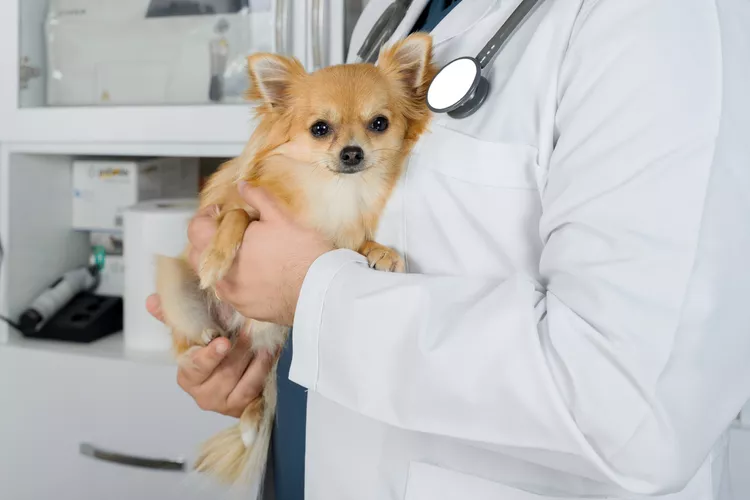
Legg-Calve-Perthes Disease in Dogs
Legg-Calve-Perthes is a congenital disorder affecting the hip joints of dogs—particularly small breeds. Learn the causes, treatment, and prevention.
Bloat in Dogs
Bloat, or gastric dilation volvulus (GDV), is an emergency that generally affects large breed dogs. Learn the causes, treatment, and prevention.
Anemia in Dogs
Anemia is a low red blood cell count. In dogs, it can indicate various problems—some of them serious. Learn the causes, treatment, and prevention.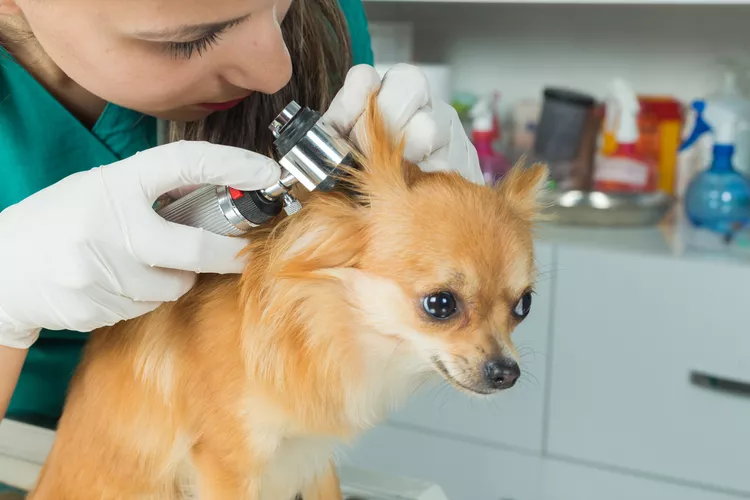
Ear Yeast Infections in Dogs
Ear yeast infections in dogs are common, uncomfortable, smell bad, and dangerous if untreated. Learn the causes, treatment, and prevention.
Neutering Your Dog Explained
What does it mean to neuter a dog? Learn about neutering or castration in dogs and why it is done. Find out what to expect when your dog is neutered.
Pyoderma in Dogs
Pyoderma is a skin infection commonly seen in puppies that may indicate a compromised immune system. Learn the causes, treatment, and prevention.
Dog Hiccups: How to Get Rid of Them
Dog hiccups in dogs are a fleeting nuisance in most cases, but sometimes they can mean something more. Learn what to watch for and find out how to get rid of dog hiccups.
5 Common Foods In Your Pantry That Are Not Safe For Your Pets
One potato chip is not going to hurt your pet, but there are other foods that can. Learn which to avoid and some safe foods that can be used as treats.
American Staffordshire Terrier: Breed Characteristics & Care
The American Staffordshire terrier is a type of pit bull with a friendly nature. Learn about the Am Staff's history, training, health, and more.
Greyhound: Dog Breed Characteristics & Care
Learn about the greyhound, the fastest dog breed in the world. They're also a loyal companion that's non-aggressive and good with children.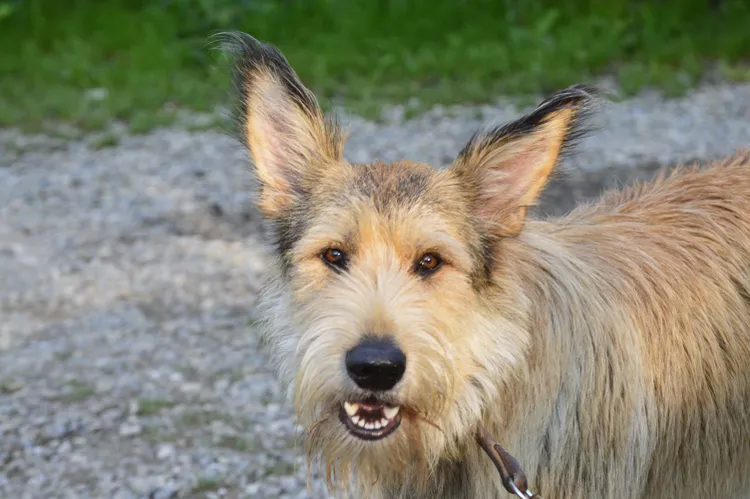
Berger Picard: Dog Breed Characteristics & Care
The Berger Picard is a French herding dog with a friendly smile and shaggy beard. Learn about its history, health, exercise needs, and more.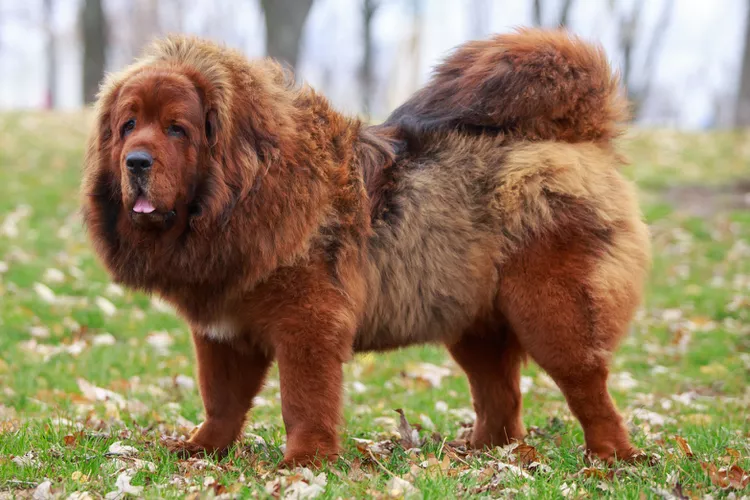
Tibetan Mastiff: Dog Breed Characteristics & Care
Learn about the Tibetan mastiff, an ancient guardian dog breed. This breed is known for their massive stature, flowing mane, and protective personality.
Can Dogs Eat Cantaloupe?
Find out if dogs can eat cantaloupe and if it's healthy. Learn how to feed dogs cantaloupe safely and what to watch out for.
Are Bones Safe for Dogs?
Are bones safe for dogs? Find out if it's really safe to give bones to dogs. Learn about the dangers of feeding bones to your dog.
Can Dogs Eat Kale?
Kale is rich in nutrients, but because it contains compounds that can harm dogs, veterinarians caution against making it a regular part of their diet.
Here’s How to Stop Your Dog from Jumping on You When Excited
Although it can be cute the first few times your dog jumps on you, it can quickly turn into a bad habit, especially if your pooch starts jumping on strangers. Here’s how to stop your dog from jumping on you when excited.
How to Stop Sudden Aggression in a Dog
It's not normal for a friendly dog to suddenly become aggressive. Sudden behavior changes may indicate a health problem and should not be ignored.
Different Meanings of a Dog's Wagging Tail
A dog wagging his tail is a common sight, but it may mean more than you think. Find out why dogs wag their tails and what canine tail wagging means.
Why Do Dogs Lick Other Dogs' Pee?
Sometimes a dog will lick another dog's urine. Find out why dogs lick other dogs' pee and learn how to stop it.
How to Stop Your Dog From Barking Excessively
All dogs bark, but excessive barking is a behavior problem. Learn how to help stop excessive barking and prevent it from happening all the time.