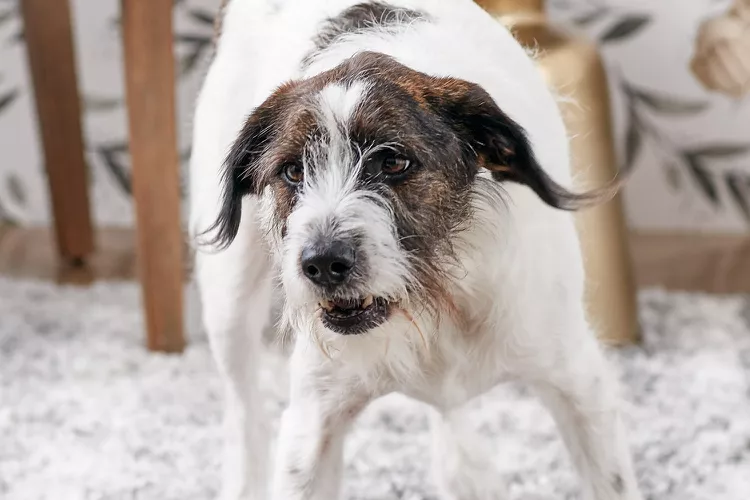
Dogs growl as a way to communicate. Growling indicates pain, fear, possessiveness, aggression, or that a dog is having fun. You have to identify the reason a dog is growling to be able to interpret the vocalization and decide how to respond to the growl.
Learn the different reasons a dog would growl so you know how to react appropriately, whether it's to engage in play or address a stressor.
Growling is one way your dog communicates with you. It growls to let you know that it's afraid or in pain, or needs you to back away from its possessions or territory. Often your first instinct is to run from a growling dog or to punish it for growling. Because growling can be the first sign of more serious aggression, it's important to handle a growling dog appropriately.
Your dog is trying to tell you something when it growls. Growling is a sign of an underlying problem. Rather than teaching your dog not to growl, you must determine the reason why the dog is growling and address that issue. Once the underlying problem has been dealt with, it's likely the growling will be reduced or eliminated altogether.
Several situations can cause your dog to growl. If your dog is growling as a reaction to pain or illness, you may notice that it only growls when certain parts of its body are touched. The dog may also show other symptoms of illness or injury, such as decreased appetite, lethargy, weight loss, biting or licking specific areas of its body, or hair loss. The solution to the problem of a dog that growls because of pain or illness is to immediately call your veterinarian. The proper medical treatment should alleviate the pain, which should lessen or stop the growling.
If your dog typically growls at strangers or specific people, such as children or men, or when the dog is in an unfamiliar place, the growls are most likely due to fear. A dog may also growl in situations that trigger fears, such as during thunderstorms or fireworks displays. Some aggressive dogs may be ill and suffering from an anxiety disorder.
If you can determine the cause of the fear, the natural course of action is to remove it (if possible) from the dog's life. If determining the cause or removing the cause seems impossible, reach out to a behavior specialist for help.
An example of this is the dog that growls at the mail carrier, delivery person, or any other person that the dog thinks doesn't belong on its property. If a dog growls as a consequence of territorial aggression, you may also notice it growling over other territories, like its place on the couch or its spot on the bed. The dog may growl whenever it senses that someone is encroaching on its perceived territory. This "someone" could be a stranger or even a family member. This type of behavior can be modified and is best determined and helped by a specialist.
This is also referred to as resource guarding. A dog that displays possession aggression may growl when someone approaches it while it's eating, playing with certain toys, or chewing on a bone or rawhide. This reaction can be avoided with a training program that will help your dog understand appropriate reactions.
Some dogs naturally growl when they're having a great time. This growling often occurs when two (or more) dogs are playing with one another or if the play is associated with tug toys. This is usually a harmless expression of feelings. It should be monitored closely, though, especially with puppies, since the growling behavior can quickly move toward aggression.
As a dog owner, you probably get upset when your dog growls. Your first reaction may be to suppress the growling by scolding or punishing the dog. This is never a good idea. By teaching your dog that growling isn't acceptable behavior, you're taking away its ability to warn you that it may bite. You may have heard stories about dogs that bite with no warning. But, in many cases, this is because the owners trained their dogs not to give a warning growl first.
The key to getting a dog to stop growling is not to suppress the growls but rather to deal with the underlying problem. Once the pain, fear, possession aggression, or territoriality has been dealt with, the dog will no longer need to growl.
Territoriality, possession aggression, and fear are serious behavior problems. Depending on the degree of the behavioral problem, the dog may respond well to a training program or may need a much more in-depth behavior modification program. A dog trainer or animal behaviorist can help you evaluate the dog, and determine the best course of action for dealing with these issues. As you work with this type of trainer, be as specific as possible as to what you think triggered the growling. The trainer will likely work with the dog to slowly condition it to accept the trigger and not growl in its presence.
While you're working to determine the cause of the growling, don't ignore it or it's likely to get worse. Be careful around your dog until you figure out why it's growling. Additionally, you may want to help your dog modify its behavior until the situation is under control. For example, if your dog always growls at the mail carrier, close the window shades and eliminate any sightlines while you work on the problem.
If possible, eliminate triggers, avoid stressful situations, and caution others (both dogs and humans) to keep their distance to prevent a dog bite. For example, you may not want to introduce your dog to new dogs, bring it to a dog park, or host a loud party until you get help.
Legg-Calve-Perthes Disease in Dogs
Legg-Calve-Perthes is a congenital disorder affecting the hip joints of dogs—particularly small breeds. Learn the causes, treatment, and prevention.
Bloat in Dogs
Bloat, or gastric dilation volvulus (GDV), is an emergency that generally affects large breed dogs. Learn the causes, treatment, and prevention.
Anemia in Dogs
Anemia is a low red blood cell count. In dogs, it can indicate various problems—some of them serious. Learn the causes, treatment, and prevention.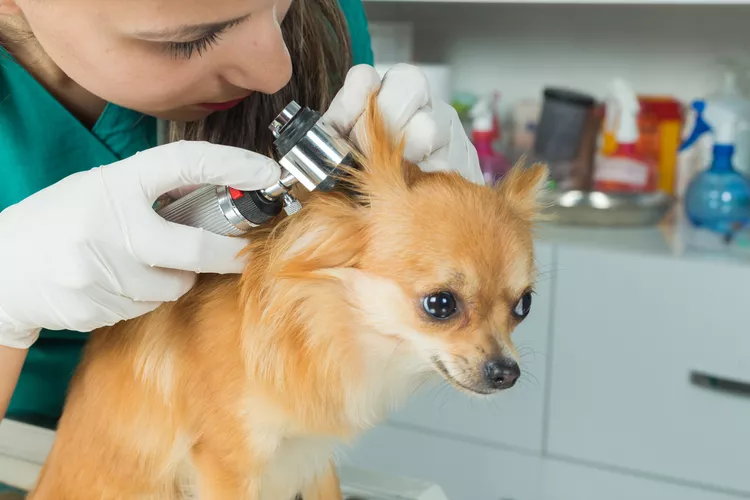
Ear Yeast Infections in Dogs
Ear yeast infections in dogs are common, uncomfortable, smell bad, and dangerous if untreated. Learn the causes, treatment, and prevention.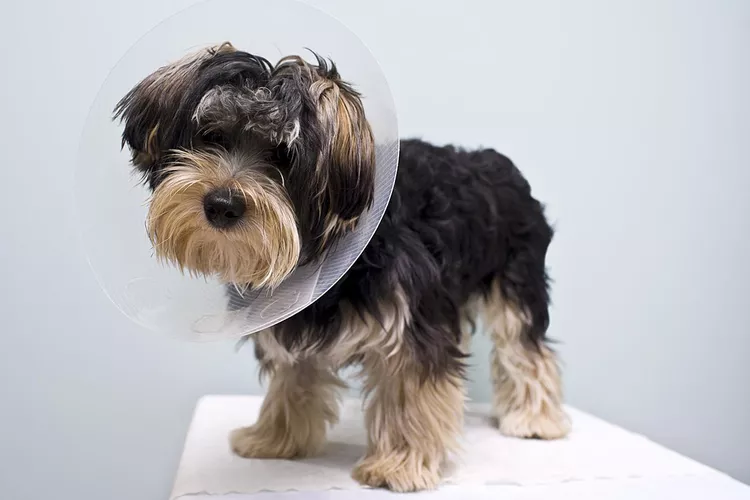
Neutering Your Dog Explained
What does it mean to neuter a dog? Learn about neutering or castration in dogs and why it is done. Find out what to expect when your dog is neutered.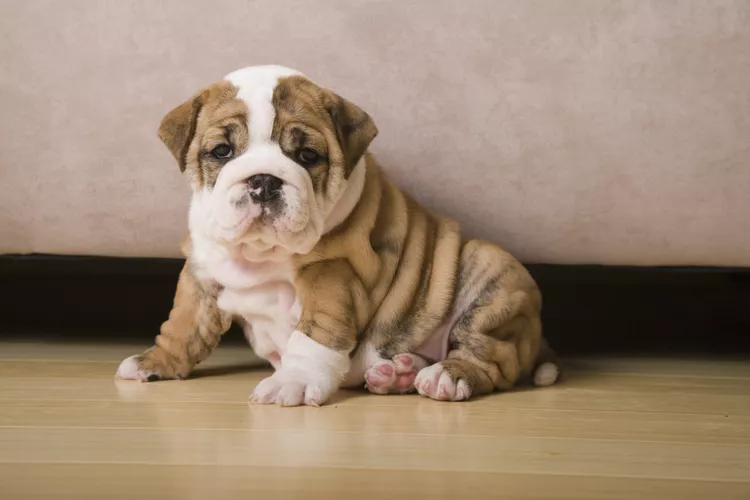
Pyoderma in Dogs
Pyoderma is a skin infection commonly seen in puppies that may indicate a compromised immune system. Learn the causes, treatment, and prevention.
Dog Hiccups: How to Get Rid of Them
Dog hiccups in dogs are a fleeting nuisance in most cases, but sometimes they can mean something more. Learn what to watch for and find out how to get rid of dog hiccups.
5 Common Foods In Your Pantry That Are Not Safe For Your Pets
One potato chip is not going to hurt your pet, but there are other foods that can. Learn which to avoid and some safe foods that can be used as treats.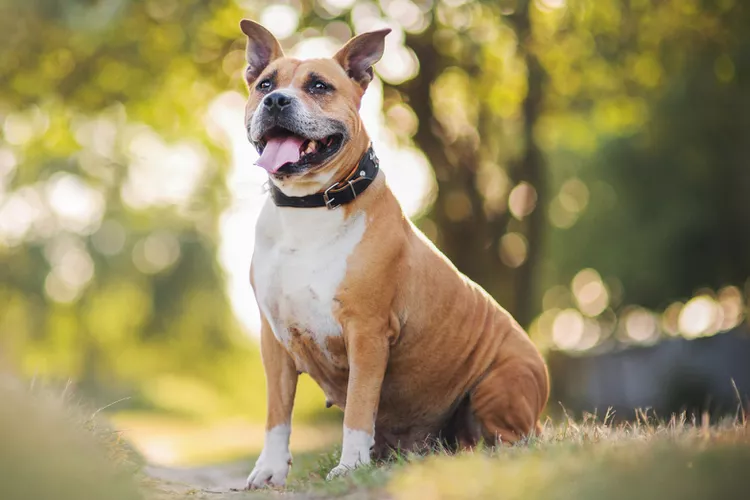
American Staffordshire Terrier: Breed Characteristics & Care
The American Staffordshire terrier is a type of pit bull with a friendly nature. Learn about the Am Staff's history, training, health, and more.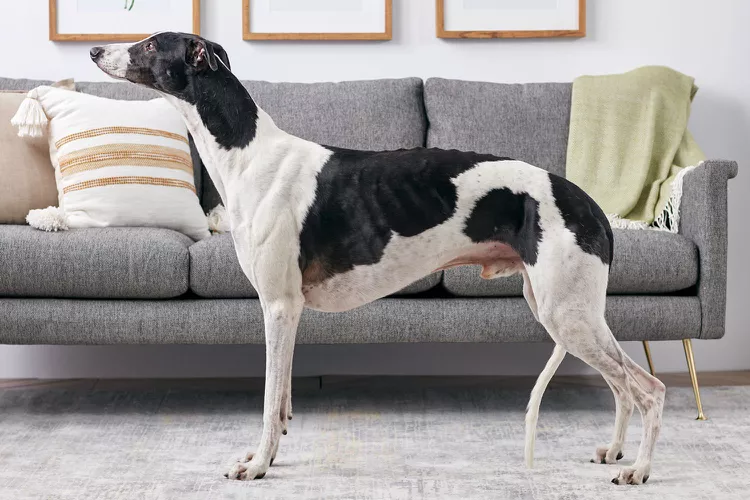
Greyhound: Dog Breed Characteristics & Care
Learn about the greyhound, the fastest dog breed in the world. They're also a loyal companion that's non-aggressive and good with children.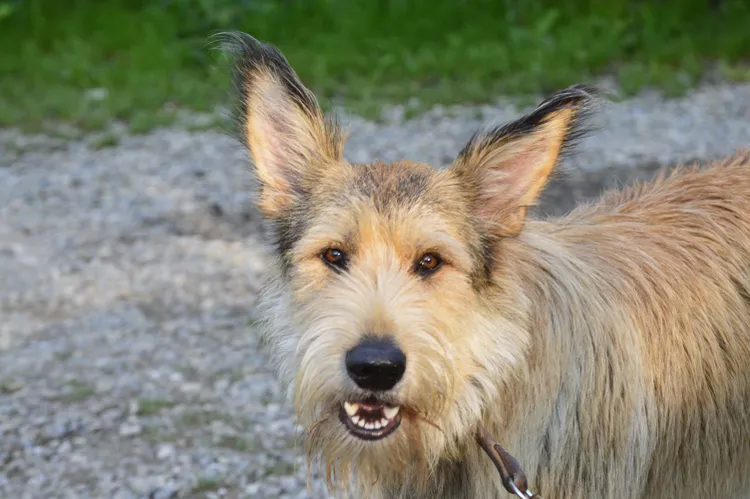
Berger Picard: Dog Breed Characteristics & Care
The Berger Picard is a French herding dog with a friendly smile and shaggy beard. Learn about its history, health, exercise needs, and more.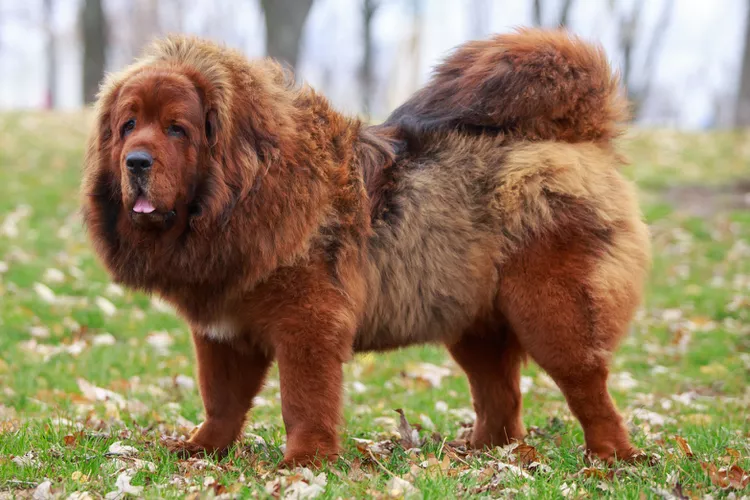
Tibetan Mastiff: Dog Breed Characteristics & Care
Learn about the Tibetan mastiff, an ancient guardian dog breed. This breed is known for their massive stature, flowing mane, and protective personality.
Can Dogs Eat Cantaloupe?
Find out if dogs can eat cantaloupe and if it's healthy. Learn how to feed dogs cantaloupe safely and what to watch out for.
Are Bones Safe for Dogs?
Are bones safe for dogs? Find out if it's really safe to give bones to dogs. Learn about the dangers of feeding bones to your dog.
Can Dogs Eat Kale?
Kale is rich in nutrients, but because it contains compounds that can harm dogs, veterinarians caution against making it a regular part of their diet.
Here’s How to Stop Your Dog from Jumping on You When Excited
Although it can be cute the first few times your dog jumps on you, it can quickly turn into a bad habit, especially if your pooch starts jumping on strangers. Here’s how to stop your dog from jumping on you when excited.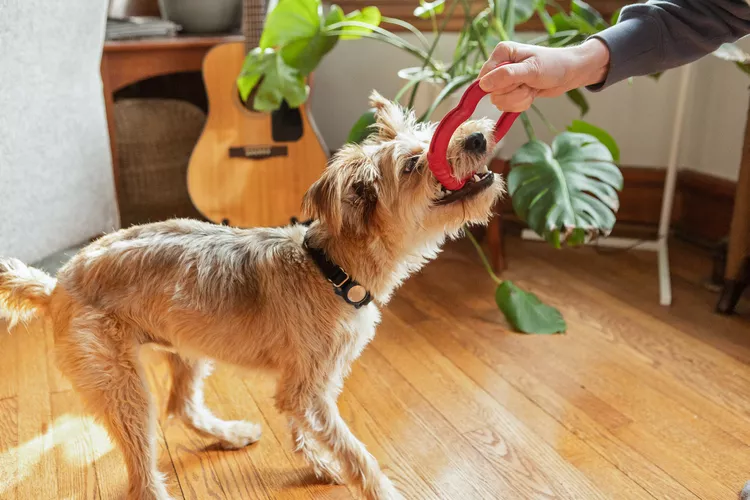
How to Stop Sudden Aggression in a Dog
It's not normal for a friendly dog to suddenly become aggressive. Sudden behavior changes may indicate a health problem and should not be ignored.
Different Meanings of a Dog's Wagging Tail
A dog wagging his tail is a common sight, but it may mean more than you think. Find out why dogs wag their tails and what canine tail wagging means.
Why Do Dogs Lick Other Dogs' Pee?
Sometimes a dog will lick another dog's urine. Find out why dogs lick other dogs' pee and learn how to stop it.
How to Stop Your Dog From Barking Excessively
All dogs bark, but excessive barking is a behavior problem. Learn how to help stop excessive barking and prevent it from happening all the time.