Dog Treat Varieties

29K
2.6K
574
2025-11-13
Dog Treat Varieties

We love to give our dogs treats, whether it's a reward during training, for general good behavior, or just for no reason at all. During hot weather. doggie "ice creams," like Purina Frosty Paws or Ben & Jerry’s Doggie Dessert, offer cooling treats.

Choosing the appropriate treat varieties can help keep our dogs healthy and happy. Treats can enhance a healthy diet and should never make up more than 10% of a dog’s daily food intake. Learn about the types of dog treats available and decide which are best for your dog.

  • 01 of 09

    Crunchy Treats

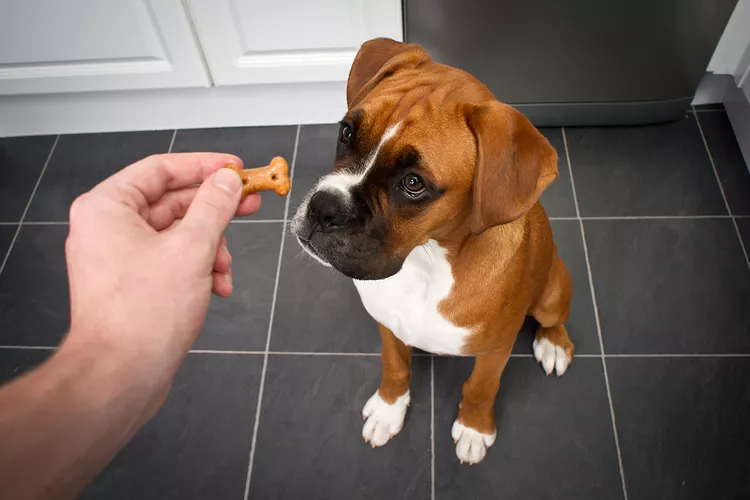
    Hard, crunchy treats, sometimes called dog biscuits, are available in a variety of flavors, shapes, and sizes. The size of the treat should be appropriate for the size of your dog. Choose a brand that meets the same standards as high-quality dog foods. Crunchy dog treats make great everyday rewards for your dog.

  • 02 of 09

    Soft Treats

    Soft, chewy treats are also available in a variety of flavors, shapes, and sizes. These treats are especially useful during training due to their pleasing taste and soft texture. Offering immediate gratification, small sizes are best as training treats for dogs of all sizes. If your dog can eat the treat fast, the message of it being a reward is made clear. Choose dog treat brands that meet the same standards as high-quality dog foods.

  • 03 of 09

    Freeze-Dried and Jerky Treats

    Freeze-dried and jerky treats, when made especially for dogs, offer a tasty morsel similar to human food. These treats are usually available in a variety of forms such as meats, liver, poultry, and seafood. Many dog owners find these treats to be very effective for use when training because of their desirable flavor.

    Make sure to find a good source for jerky treats, like a reputable US company. Or, you can make your own meat jerky treat for your dog with a food dehydrator.

  • 04 of 09

    Dental Chews and Bone-Like Treats

    Dental chews and bone-like treats are not made from animal bones. Some are made from corn starch or other digestible materials. Because of the degree of chewing required to consume these treats, some experts believe they promote dental health. Though safer than real bones, these treats can still cause a gastrointestinal blockage if “gulped”. In addition, if the treat is too hard, it can cause tooth fractures or oral injuries. Always choose the appropriate size chew for your dog. Don't pick a chew that hurts if you bang it on your knee--this means it's too hard for your dog's teeth. Be sure your dog is supervised when consuming any type of chew.

    Continue to 5 of 9 below
  • 05 of 09

    Animal Bones and Hooves

    Bones and hooves from animals should generally not be given to dogs. These can cause chipping or breaking of teeth as well as gastrointestinal perforation or blockage. Bones and hooves can be very harmful to all types of dogs, but the most dangerous are cooked bones and any kinds of poultry bones (cooked or raw, including chicken feet). This goes for deer antlers, too--they are simply too hard to be safe. Offer your dog dental chews and vet approved bone alternatives instead.

  • 06 of 09

    Rawhide

    Rawhide is generally not recommended for dogs unless it is specially treated for digestibility. Made from animal hide and often treated with various chemicals, rawhide can sometimes cause gastrointestinal obstructions or other complications. Try feeding corn starch-based "bones" or dental chews instead. Some types of rawhide are specially developed by veterinarians to be digestible and good for the teeth. Ask your vet about these options.

  • 07 of 09

    Pig Ears

    Made from the ears of pigs, these are delicious yet fatty treats for your dog. They can also be processed with chemicals and have been known to have bacterial contamination at times, both of which can be considered unsafe. Pig ears should be avoided, especially in dogs at risk for obesity. If you can find a source of pig ears that are not overly treated with chemicals, they should still be kept to a minimum due to their high fat content.

  • 08 of 09

    Human Food Treats

    Giving human food to dogs can be good or bad depending on the type of food. Foods to avoid include but are not limited to cheese, hot dogs, crackers, cookies, and other similar "table scraps". Fresh foods such as carrots, apples, lean meat, poultry or seafood can actually be beneficial to your dog.

    Treats made from human foods should not contain any seasonings or sauces. Never give your dog grapes, raisins or onions as these are poisonous foods. Garlic can be hazardous as well. Consult your veterinarian about the safety of all human food before giving it to your dog.

    Continue to 9 of 9 below
  • 09 of 09

    Special Diet Treats

    Treats for dogs on special diets are sometimes manufactured by the same food company that makes the special diet. If not, ask your veterinarian if there is an appropriate substitute. You can also make homemade dog treats with permissible ingredients, or even from the canned version of your pet’s special diet.

Related Article

Legg-Calve-Perthes Disease in Dogs
12K
1.1K
399

Legg-Calve-Perthes Disease in Dogs

Legg-Calve-Perthes is a congenital disorder affecting the hip joints of dogs—particularly small breeds. Learn the causes, treatment, and prevention.
Bloat in Dogs
30K
2.4K
694

Bloat in Dogs

Bloat, or gastric dilation volvulus (GDV), is an emergency that generally affects large breed dogs. Learn the causes, treatment, and prevention.
Anemia in Dogs
13K
260
67

Anemia in Dogs

Anemia is a low red blood cell count. In dogs, it can indicate various problems—some of them serious. Learn the causes, treatment, and prevention.
Ear Yeast Infections in Dogs
38.4K
1.5K
522

Ear Yeast Infections in Dogs

Ear yeast infections in dogs are common, uncomfortable, smell bad, and dangerous if untreated. Learn the causes, treatment, and prevention.
Neutering Your Dog Explained
44.9K
2.7K
700

Neutering Your Dog Explained

What does it mean to neuter a dog? Learn about neutering or castration in dogs and why it is done. Find out what to expect when your dog is neutered.
Pyoderma in Dogs
46.9K
937
468

Pyoderma in Dogs

Pyoderma is a skin infection commonly seen in puppies that may indicate a compromised immune system. Learn the causes, treatment, and prevention.
Dog Hiccups: How to Get Rid of Them
41.6K
4.2K
1.6K

Dog Hiccups: How to Get Rid of Them

Dog hiccups in dogs are a fleeting nuisance in most cases, but sometimes they can mean something more. Learn what to watch for and find out how to get rid of dog hiccups.
5 Common Foods In Your Pantry That Are Not Safe For Your Pets
23.2K
2.3K
533

5 Common Foods In Your Pantry That Are Not Safe For Your Pets

One potato chip is not going to hurt your pet, but there are other foods that can. Learn which to avoid and some safe foods that can be used as treats.
American Staffordshire Terrier: Breed Characteristics & Care
1.8K
71
21

American Staffordshire Terrier: Breed Characteristics & Care

The American Staffordshire terrier is a type of pit bull with a friendly nature. Learn about the Am Staff's history, training, health, and more.
Greyhound: Dog Breed Characteristics & Care
2.5K
199
55

Greyhound: Dog Breed Characteristics & Care

Learn about the greyhound, the fastest dog breed in the world. They're also a loyal companion that's non-aggressive and good with children.
Berger Picard: Dog Breed Characteristics & Care
9.6K
860
172

Berger Picard: Dog Breed Characteristics & Care

The Berger Picard is a French herding dog with a friendly smile and shaggy beard. Learn about its history, health, exercise needs, and more.
Tibetan Mastiff: Dog Breed Characteristics & Care
4.2K
332
156

Tibetan Mastiff: Dog Breed Characteristics & Care

Learn about the Tibetan mastiff, an ancient guardian dog breed. This breed is known for their massive stature, flowing mane, and protective personality.
Can Dogs Eat Cantaloupe?
45.8K
3.2K
1.2K

Can Dogs Eat Cantaloupe?

Find out if dogs can eat cantaloupe and if it's healthy. Learn how to feed dogs cantaloupe safely and what to watch out for.
Are Bones Safe for Dogs?
38.8K
387
38

Are Bones Safe for Dogs?

Are bones safe for dogs? Find out if it's really safe to give bones to dogs. Learn about the dangers of feeding bones to your dog.
Can Dogs Eat Kale?
43.7K
3.9K
864

Can Dogs Eat Kale?

Kale is rich in nutrients, but because it contains compounds that can harm dogs, veterinarians caution against making it a regular part of their diet.
Here’s How to Stop Your Dog from Jumping on You When Excited
46.1K
3.7K
1.7K

Here’s How to Stop Your Dog from Jumping on You When Excited

Although it can be cute the first few times your dog jumps on you, it can quickly turn into a bad habit, especially if your pooch starts jumping on strangers. Here’s how to stop your dog from jumping on you when excited.
How to Stop Sudden Aggression in a Dog
12.6K
1.1K
375

How to Stop Sudden Aggression in a Dog

It's not normal for a friendly dog to suddenly become aggressive. Sudden behavior changes may indicate a health problem and should not be ignored.
Different Meanings of a Dog's Wagging Tail
21.5K
1.3K
309

Different Meanings of a Dog's Wagging Tail

A dog wagging his tail is a common sight, but it may mean more than you think. Find out why dogs wag their tails and what canine tail wagging means.
Why Do Dogs Lick Other Dogs' Pee?
11.6K
116
18

Why Do Dogs Lick Other Dogs' Pee?

Sometimes a dog will lick another dog's urine. Find out why dogs lick other dogs' pee and learn how to stop it.
How to Stop Your Dog From Barking Excessively
40.7K
1.2K
537

How to Stop Your Dog From Barking Excessively

All dogs bark, but excessive barking is a behavior problem. Learn how to help stop excessive barking and prevent it from happening all the time.