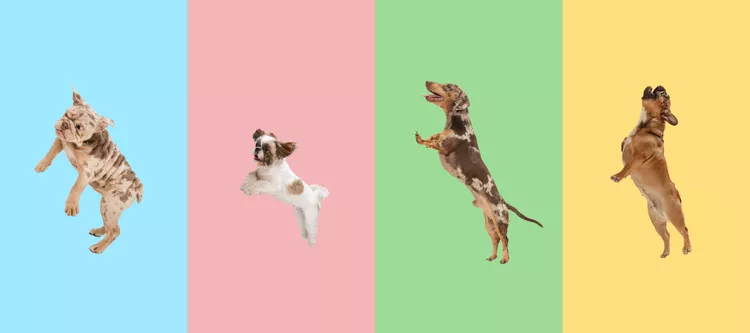
Dog hiccups are cute to watch—that little high-pitched squeak sounds just like our hiccups and reminds us of how similar we can be to our pets. However, there may be times when those hiccups worry you, such as in cases where they don’t go away quickly or when your dog seems distressed. Learn what causes hiccups in dogs, how to get rid of dog hiccups, and when to contact your veterinarian.
Hiccups are caused by a contraction of the muscles used in breathing, specifically the diaphragm and intercostal muscles, which sit between the ribs. When these muscles contract suddenly, air is pulled into the lungs and the vocal cords close, causing the sound we call a hiccup.
Dog hiccups are spontaneous and usually resolve on their own within a few minutes. They may occur for many reasons, but often they're related to factors that expand the stomach or abdomen.
Less commonly, hiccups may occur due to conditions that irritate or damage the regions of the brain or nerves responsible for contractions of the diaphragm and other related muscles. Examples of this include injuries or tumors in the brain or brainstem, injuries to the spinal cord (especially in the region of the neck), and damage to the nerves that stimulate the diaphragm and intercostal muscles.
One possible but unusual cause is the virus distemper encephalitis, which can cause myoclonus (involuntary spontaneous muscle contractions or spasms). Distemper is one of the viruses dogs are commonly vaccinated against in their core vaccine series.
Dog hiccups often resolve quickly and are not typically a cause for concern. Most of us have probably heard some funny remedies for hiccups over the years, but these are largely unproven and unlikely to be effective.
If your dog is breathing heavily or panting hard, try to calm their breathing by helping them relax. You can also offer small amounts of water and encourage your dog to drink slowly. Monitor your dog for any signs of illness.
Do not attempt to stop hiccups by scaring your dog, blocking their breathing, or pulling on their tongue. Methods like this can hurt your dog and may even lead a dog to bite.
Contact your vet about your dog's hiccups if the following situations occur:
Treatment will vary depending on your vet’s findings and diagnosis. Since hiccups could be a symptom of another underlying problem, the treatment will be aimed at resolving the primary problem. Additional diagnostic tests such as chest X-rays, abdominal ultrasound, and bloodwork may be part of the work-up your vet recommends.
If the vet thinks the hiccups are caused by irritation of the esophagus or stomach, medication can often be prescribed to help resolve this. If medication is unsuccessful, endoscopy may be recommended to take a closer look at the walls of the esophagus and stomach. Evaluation by a veterinary neurologist may be considered if your dog has neurological symptoms. Other conditions may also be treated with medications. In rare cases, surgery may be necessary.
Since hiccups can be a normal occurrence in many cases, there is usually nothing that needs to be done to prevent them. However, pet parents can take some steps to prevent dog hiccups:
For dogs that seem to get hiccups often, especially after eating or drinking, it may be a good idea to use some techniques to slow them down. There are special bowls and treat dispensers that make your dog work a little harder for their food. This keeps them from scarfing down all their food too quickly. Water can be offered in smaller quantities or with an automatic dispenser to prevent your dog from drinking too much too quickly.
Some of the more unusual causes of hiccups are difficult to prevent since they are caused by spontaneous disease. Keep your dog healthy by providing proper nutrition, exercise, annual veterinary exams, and routine vaccinations to prevent serious illnesses such as distemper encephalitis.
In breeds that may be at risk for neck and back injuries, such as the beagle, dachshund, shih tzu, Pekingese, Yorkie, and Chihuahua, make sure to take precautions to prevent injury. This includes using a harness instead of a neck lead to prevent pulling on their necks, and to train them not to jump on and off the furniture to prevent those high-impact landings.
Luckily for most dogs, hiccups are just a fleeting nuisance and tend to go away quickly. You may even want to record a quick video of those cute little squeaks before they’re gone for good.
Legg-Calve-Perthes Disease in Dogs
Legg-Calve-Perthes is a congenital disorder affecting the hip joints of dogs—particularly small breeds. Learn the causes, treatment, and prevention.
Bloat in Dogs
Bloat, or gastric dilation volvulus (GDV), is an emergency that generally affects large breed dogs. Learn the causes, treatment, and prevention.
Anemia in Dogs
Anemia is a low red blood cell count. In dogs, it can indicate various problems—some of them serious. Learn the causes, treatment, and prevention.
Ear Yeast Infections in Dogs
Ear yeast infections in dogs are common, uncomfortable, smell bad, and dangerous if untreated. Learn the causes, treatment, and prevention.
Neutering Your Dog Explained
What does it mean to neuter a dog? Learn about neutering or castration in dogs and why it is done. Find out what to expect when your dog is neutered.
Pyoderma in Dogs
Pyoderma is a skin infection commonly seen in puppies that may indicate a compromised immune system. Learn the causes, treatment, and prevention.
Dog Hiccups: How to Get Rid of Them
Dog hiccups in dogs are a fleeting nuisance in most cases, but sometimes they can mean something more. Learn what to watch for and find out how to get rid of dog hiccups.
5 Common Foods In Your Pantry That Are Not Safe For Your Pets
One potato chip is not going to hurt your pet, but there are other foods that can. Learn which to avoid and some safe foods that can be used as treats.
American Staffordshire Terrier: Breed Characteristics & Care
The American Staffordshire terrier is a type of pit bull with a friendly nature. Learn about the Am Staff's history, training, health, and more.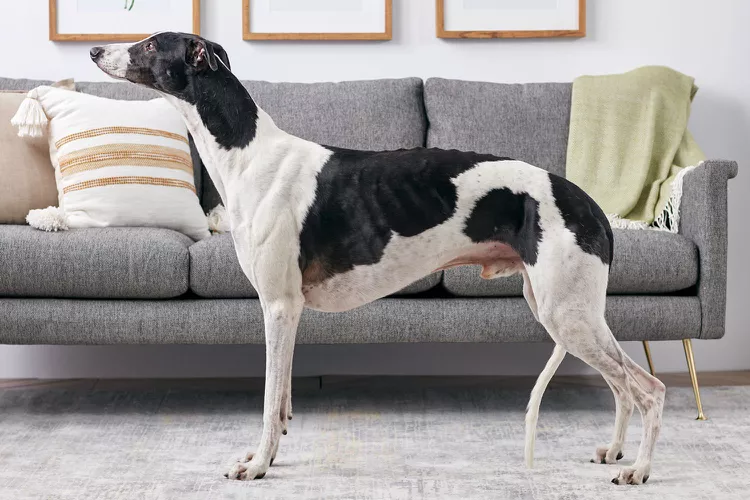
Greyhound: Dog Breed Characteristics & Care
Learn about the greyhound, the fastest dog breed in the world. They're also a loyal companion that's non-aggressive and good with children.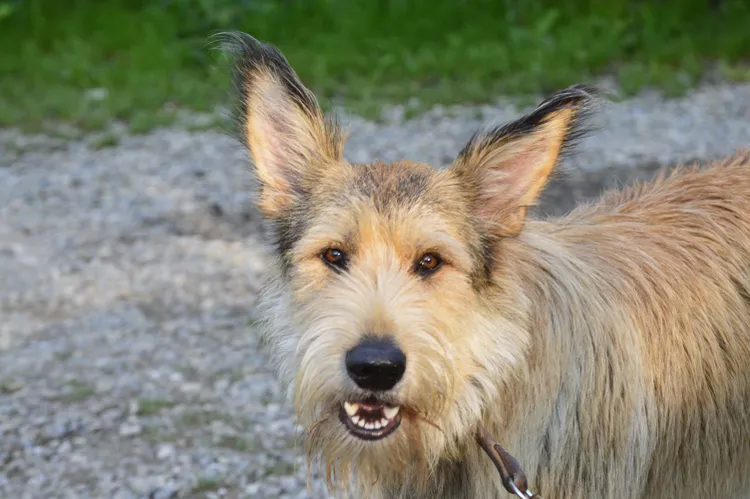
Berger Picard: Dog Breed Characteristics & Care
The Berger Picard is a French herding dog with a friendly smile and shaggy beard. Learn about its history, health, exercise needs, and more.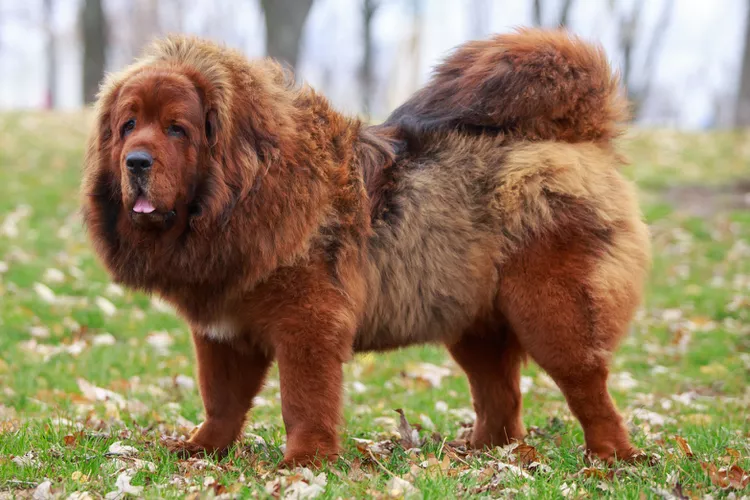
Tibetan Mastiff: Dog Breed Characteristics & Care
Learn about the Tibetan mastiff, an ancient guardian dog breed. This breed is known for their massive stature, flowing mane, and protective personality.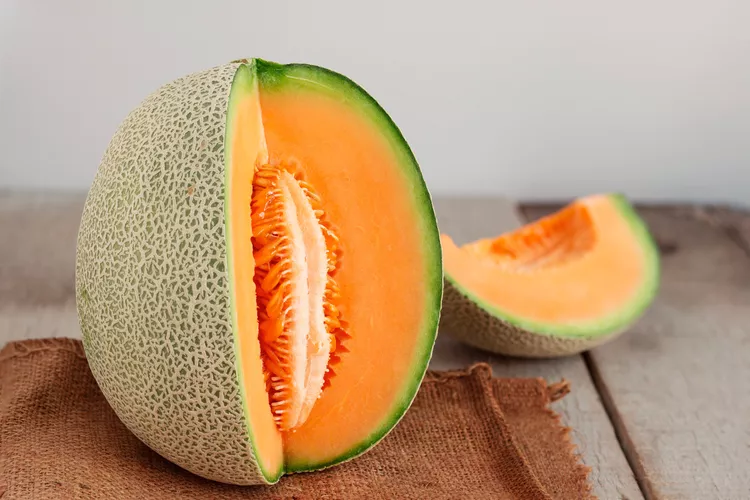
Can Dogs Eat Cantaloupe?
Find out if dogs can eat cantaloupe and if it's healthy. Learn how to feed dogs cantaloupe safely and what to watch out for.
Are Bones Safe for Dogs?
Are bones safe for dogs? Find out if it's really safe to give bones to dogs. Learn about the dangers of feeding bones to your dog.
Can Dogs Eat Kale?
Kale is rich in nutrients, but because it contains compounds that can harm dogs, veterinarians caution against making it a regular part of their diet.
Here’s How to Stop Your Dog from Jumping on You When Excited
Although it can be cute the first few times your dog jumps on you, it can quickly turn into a bad habit, especially if your pooch starts jumping on strangers. Here’s how to stop your dog from jumping on you when excited.
How to Stop Sudden Aggression in a Dog
It's not normal for a friendly dog to suddenly become aggressive. Sudden behavior changes may indicate a health problem and should not be ignored.
Different Meanings of a Dog's Wagging Tail
A dog wagging his tail is a common sight, but it may mean more than you think. Find out why dogs wag their tails and what canine tail wagging means.
Why Do Dogs Lick Other Dogs' Pee?
Sometimes a dog will lick another dog's urine. Find out why dogs lick other dogs' pee and learn how to stop it.
How to Stop Your Dog From Barking Excessively
All dogs bark, but excessive barking is a behavior problem. Learn how to help stop excessive barking and prevent it from happening all the time.