
Bloat, also known as gastric dilatation-volvulus (GDV), is a serious medical condition that occurs when a dog's stomach expands and rotates, trapping gas and preventing blood flow. Large breeds and deep-chested dogs are more susceptible to this condition. Bloat can happen very quickly and should always be considered an emergency because it can be fatal.
Gastric dilatation-volvulus, or bloat, occurs when the stomach expands with gas, fluid, or food and then rotates in the abdomen. This creates a twist in the digestive tract at both the stomach's entrance and exit, trapping material inside the stomach. The spleen may flip over with the stomach as well. The rotation obstructs blood flow to the stomach and spleen, leading to necrosis (tissue death).
The stomach continues to expand and can put pressure on the vena cava, a major vein that carries blood from the back half of the body to the heart. The resulting decrease in blood flow to the heart can lead to shock, which is often fatal if not treated immediately.
Signs of bloat will vary from case to case and may be mild or absent in the early stages. If you have any reason to suspect your dog may be suffering from bloat, contact an emergency veterinary facility immediately.
A dog with bloat will typically exhibit restlessness due to discomfort. It will experience nausea with hypersalivation and retching or gagging. The dog will have an urgency to vomit, but the stomach contents will be trapped due to torsion. Saliva may be regurgitated, though, because it cannot enter the stomach when swallowed.
The dog's abdomen may or may not appear distended. Some dogs will vocalize due to abdominal pain while others will become lethargic and withdrawn.
The enlarged stomach may press on the diaphragm and affect breathing. Disruption of the circulatory system can lead to abnormal heart rhythm (arrhythmia). In some cases, the dog will collapse or become depressed and unable to get up.
Researchers are still not completely certain why bloat occurs in dogs, but most agree that the following circumstances may increase a dog’s risk
Elevated food bowls were once considered beneficial for large and giant dog breeds. However, some evidence suggests that elevating feeding increases the risk of bloat in dogs. While this is not certain, most vets recommend that dogs be fed at ground level.
Your veterinary team will work rapidly to stabilize and assess your dog. An IV catheter will be placed to administer fluids and medications that will address shock. An electrocardiogram (EKG) may be performed to check for cardiac arrhythmia. If necessary, medications may be given to stabilize the heart. Oxygen therapy may also be necessary if the dog is having difficulty breathing.
Abdominal x-rays will quickly be taken to look for stomach distention (gas, fluid, or food). Blood will then be drawn to run several tests; these typically include a complete blood count (CBC), chemistry panel (to assess organ function), electrolyte levels, and blood gas analysis.
While stabilizing your dog, the vet will try to decompress the stomach by passing a tube through the dog’s mouth. If this is not possible due to the twisting of the stomach, the vet may insert a large needle through the abdominal wall and allow air to expel.
Abdominal surgery will then be performed to rotate the stomach back into place and evaluate the tissue damage. Part of the stomach wall or the spleen may need to be removed if necrosis has occurred. The stomach will be stapled or sutured to prevent future rotation.
Most dogs recover from bloat with surgery and supportive care. However, the risk of fatality increases if the condition has lasted more than six hours, if heart arrhythmia is present, or if surgical removal of organ tissue is necessary.
There are ways to prevent bloat or reduce the chances it will develop. These include:
Legg-Calve-Perthes Disease in Dogs
Legg-Calve-Perthes is a congenital disorder affecting the hip joints of dogs—particularly small breeds. Learn the causes, treatment, and prevention.
Bloat in Dogs
Bloat, or gastric dilation volvulus (GDV), is an emergency that generally affects large breed dogs. Learn the causes, treatment, and prevention.
Anemia in Dogs
Anemia is a low red blood cell count. In dogs, it can indicate various problems—some of them serious. Learn the causes, treatment, and prevention.
Ear Yeast Infections in Dogs
Ear yeast infections in dogs are common, uncomfortable, smell bad, and dangerous if untreated. Learn the causes, treatment, and prevention.
Neutering Your Dog Explained
What does it mean to neuter a dog? Learn about neutering or castration in dogs and why it is done. Find out what to expect when your dog is neutered.
Pyoderma in Dogs
Pyoderma is a skin infection commonly seen in puppies that may indicate a compromised immune system. Learn the causes, treatment, and prevention.
Dog Hiccups: How to Get Rid of Them
Dog hiccups in dogs are a fleeting nuisance in most cases, but sometimes they can mean something more. Learn what to watch for and find out how to get rid of dog hiccups.
5 Common Foods In Your Pantry That Are Not Safe For Your Pets
One potato chip is not going to hurt your pet, but there are other foods that can. Learn which to avoid and some safe foods that can be used as treats.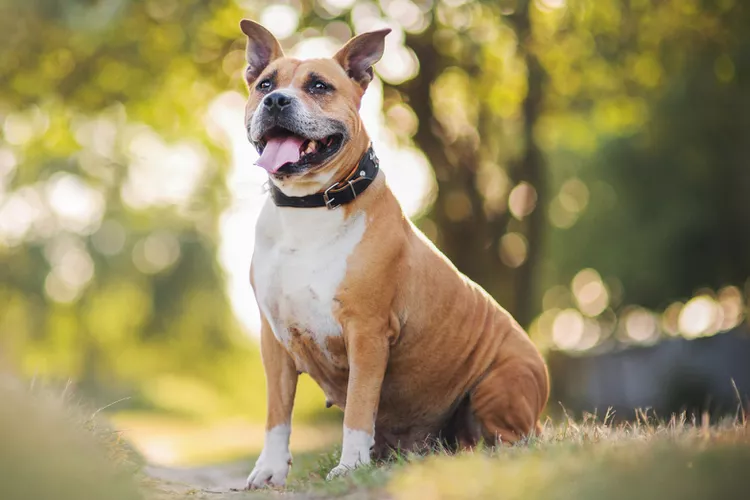
American Staffordshire Terrier: Breed Characteristics & Care
The American Staffordshire terrier is a type of pit bull with a friendly nature. Learn about the Am Staff's history, training, health, and more.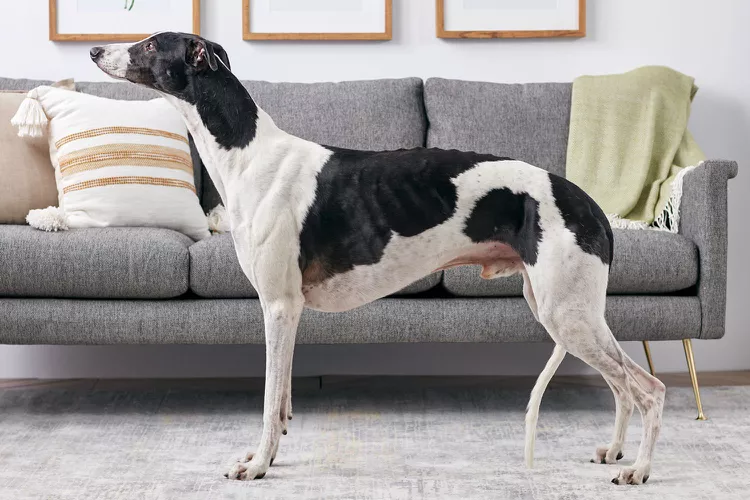
Greyhound: Dog Breed Characteristics & Care
Learn about the greyhound, the fastest dog breed in the world. They're also a loyal companion that's non-aggressive and good with children.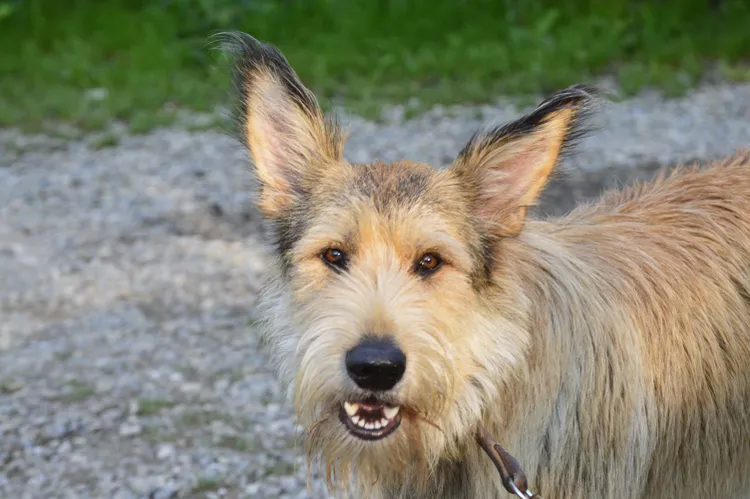
Berger Picard: Dog Breed Characteristics & Care
The Berger Picard is a French herding dog with a friendly smile and shaggy beard. Learn about its history, health, exercise needs, and more.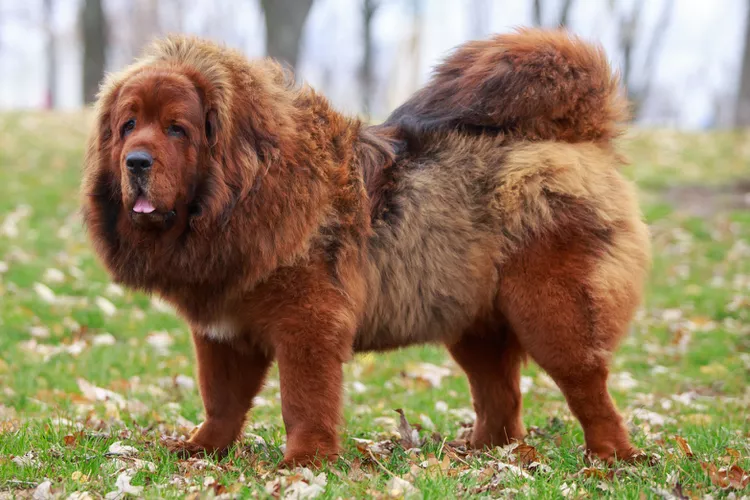
Tibetan Mastiff: Dog Breed Characteristics & Care
Learn about the Tibetan mastiff, an ancient guardian dog breed. This breed is known for their massive stature, flowing mane, and protective personality.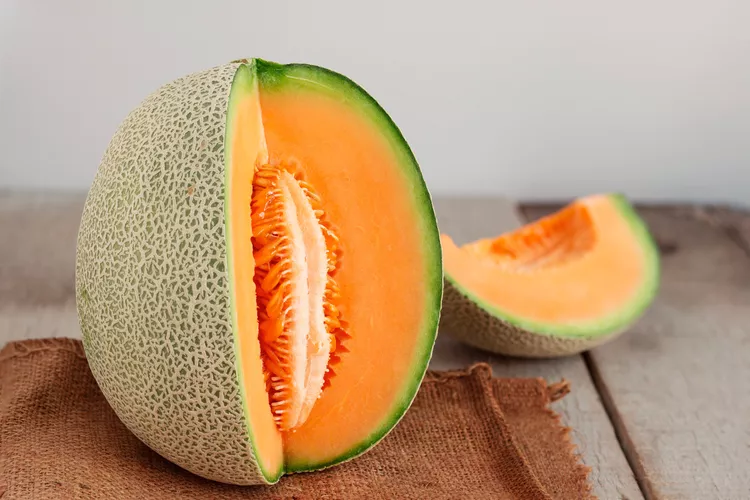
Can Dogs Eat Cantaloupe?
Find out if dogs can eat cantaloupe and if it's healthy. Learn how to feed dogs cantaloupe safely and what to watch out for.
Are Bones Safe for Dogs?
Are bones safe for dogs? Find out if it's really safe to give bones to dogs. Learn about the dangers of feeding bones to your dog.
Can Dogs Eat Kale?
Kale is rich in nutrients, but because it contains compounds that can harm dogs, veterinarians caution against making it a regular part of their diet.
Here’s How to Stop Your Dog from Jumping on You When Excited
Although it can be cute the first few times your dog jumps on you, it can quickly turn into a bad habit, especially if your pooch starts jumping on strangers. Here’s how to stop your dog from jumping on you when excited.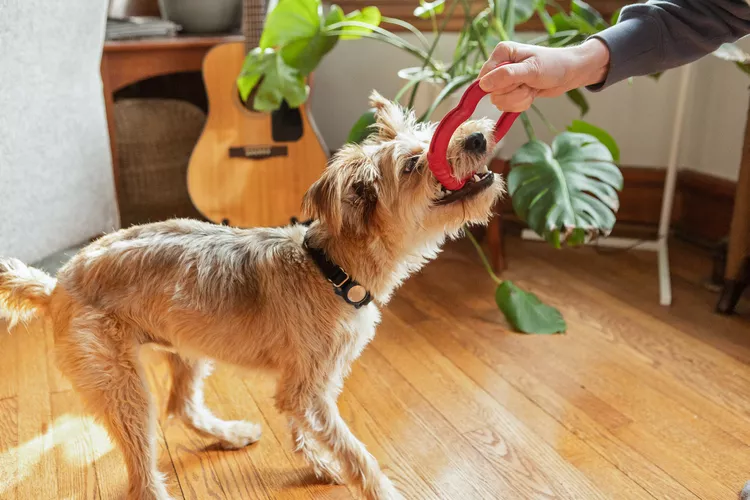
How to Stop Sudden Aggression in a Dog
It's not normal for a friendly dog to suddenly become aggressive. Sudden behavior changes may indicate a health problem and should not be ignored.
Different Meanings of a Dog's Wagging Tail
A dog wagging his tail is a common sight, but it may mean more than you think. Find out why dogs wag their tails and what canine tail wagging means.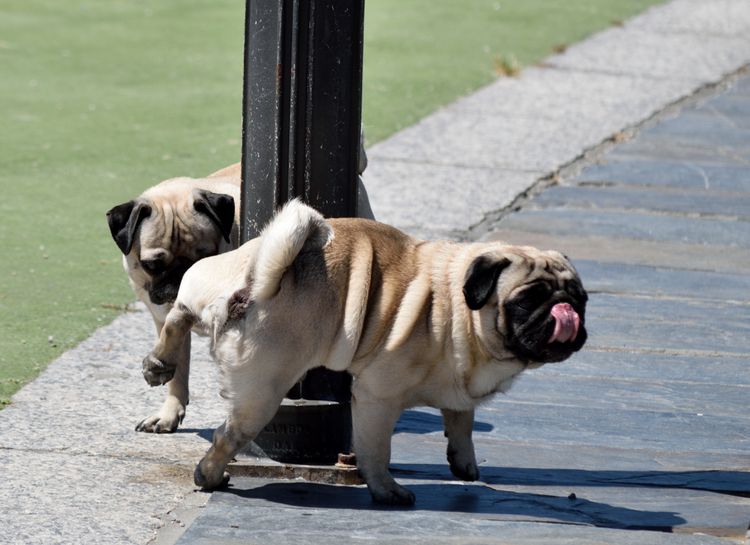
Why Do Dogs Lick Other Dogs' Pee?
Sometimes a dog will lick another dog's urine. Find out why dogs lick other dogs' pee and learn how to stop it.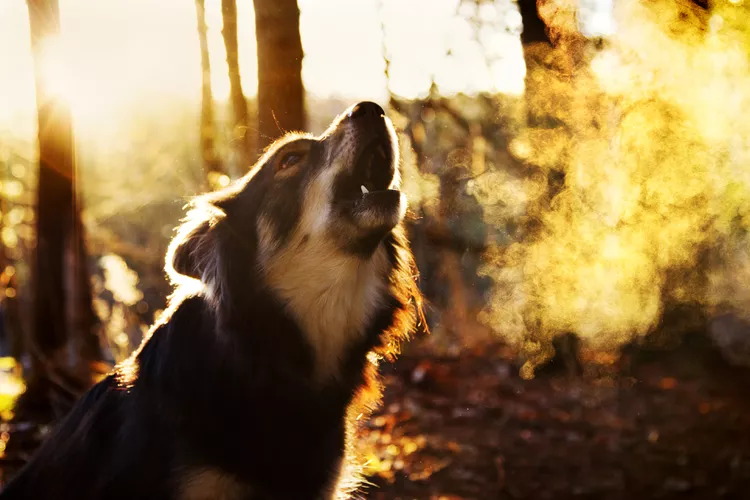
How to Stop Your Dog From Barking Excessively
All dogs bark, but excessive barking is a behavior problem. Learn how to help stop excessive barking and prevent it from happening all the time.