Ear yeast infections are very common in dogs. Dogs with floppy or hairy ears are particularly vulnerable because their ears trap moisture. The moist environment of the ear is a prime breeding ground for fungal yeast that, when overgrown, creates an infection. This causes itching, inflammation, and an unpleasant odor. Untreated, neglected ear infections can lead to painful skin crusting and other complications and serious problems that can affect the ear canal lining and even lead to facial paralysis. So it's helpful to know how to spot—or sniff—the symptoms.
An ear yeast infection occurs when yeast species overpopulate the ear of a dog. Malassezia pachydermatis is the species of yeast that is typically seen in dog ears. This type of yeast is different than the yeast that is used to bake bread or that is found in probiotics. It is naturally found on the skin and ears of dogs in very small amounts but if the right conditions are present to cause inflammation, the result will be a noncontagious infection.
Luckily, signs of ear yeast infections can be easily spotted so if you see any of the following signs, visit the vet.
Similar to a bacterial infection of the ear, a yeast infection usually causes a dog to shake its head and scratch at its ears. This is due to the irritation and inflammation that the infection causes.
Your dog may also be reluctant to have its head and ears touched due to discomfort.
Inside the ear there may be redness and swelling, both of which may indicate a yeast infection.
An odor similar to sour bread dough may be present if your dog has an ear yeast infection.
If you spot oily ear debris in your dog's ears, it means its canals are inflamed and the possibility it has an infection.
The ear canal and the ear flap itself can both be affected. The condition may cause thickening of the skin on the ear flap.
Scaling or crusting of the skin on the ear flap is also common, especially in severe or chronic cases.
If you notice that your dog is walking around with a drooping ear, or holding one side of its head lower, it may mean your pet has had an ear infection for a while. Your dog may have learned to adapt to the discomfort by lowering an ear.
If the infection is causing neurological problems, you will notice your dog walking off balance. This usually means the inner ear is affected.
There are several causes of ear yeast infections in dogs. Some are more serious than others.
If a dog has an allergy to something in the environment or food then a yeast overgrowth may occur in the ear. The body reacts to the allergen with inflammation, and this, in turn, can cause the yeast to proliferate in the ear.
Ear mites, which feed off of a dog's ear wax, can cause irritation and inflammation in the ear. This can result in an overgrowth of yeast.
An ear canal is a warm place, and yeast thrives in warm, moist environments. If water enters the ear canal during a bath, for example, and the ears do not properly dry out, yeast will reproduce and cause an infection.
Some dogs are born with abnormal ear canals or excessive ear tissue. Other dogs will develop ear issues over time due to trauma, recurrent infections, or other things. These deformities usually make it difficult for an ear to stay dry and instead trap moisture that helps to create an environment for yeast to grow in.
Some tumors in the ear block the opening to the ear canal. This causes excessive heat and moisture to build up and encourages the overgrowth of yeast.
If your dog is taking certain medications, such as antibiotics or corticosteroids (steroids), the medicines may inhibit your dog from effectively fighting off yeast infections.
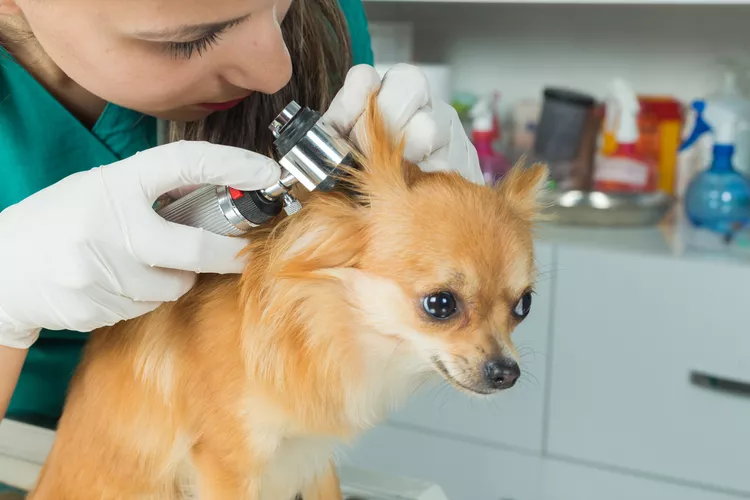
If you suspect there's a yeast infection in your dog's ears, have it examined by a veterinarian. Your vet will use an otoscope to see inside the ear canal and make sure the eardrum isn't ruptured. A cotton swab will then be used to collect some of the ear debris for microscopic examination to see if yeast, bacteria, or both are present. A dark discharge may mean an ear yeast infection, mites, or a mixed infection, but your doctor will check for more evidence of mites.
Your vet will prescribe medicated ear drops and a cleaner to remove the debris. These will be used for about two weeks. If the ear is especially painful, then anti-inflammatory medications may also be used.
Occasionally an ear yeast infection may be so painful for a dog that it will need to be sedated or anesthetized by your vet to perform the initial ear cleaning and treatment. Your veterinarian may also recommend some at-home remedies depending on the severity of the infection.
Your vet may suggest clipping the hairs around the ear to improve comfort and cleanliness during treatment and recovery.
Yeast infections are usually easy to treat with persistent treatment. In dogs with predisposing characteristics, such as floppy ears, allergies, or ear deformities, the condition is likely to reoccur since they are at a higher risk of recurrent ear yeast infections.
Many breeds, including cocker spaniels and basset hounds, have floppy ears that cut off air to the ear and should be maintained to keep infections at bay. Other breeds need observation as well, such as poodles (also with floppy ears) and schnauzers may have thick hair growth inside their ears that can block the flow of air in the ears and keep them overly moist. In addition, dogs that like to play in water are also potentially more likely to experience a recurring yeast overgrowth and infection.
The best way to prevent your dog from developing an ear yeast infection is to keep its ears clean and dry. An ear cleaner with a drying agent should be used after baths and swimming to help dry the ear canal. If your dog has allergies, your veterinarian may recommend certain foods and supplements to help support the skin and decrease inflammation.
Legg-Calve-Perthes Disease in Dogs
Legg-Calve-Perthes is a congenital disorder affecting the hip joints of dogs—particularly small breeds. Learn the causes, treatment, and prevention.
Bloat in Dogs
Bloat, or gastric dilation volvulus (GDV), is an emergency that generally affects large breed dogs. Learn the causes, treatment, and prevention.
Anemia in Dogs
Anemia is a low red blood cell count. In dogs, it can indicate various problems—some of them serious. Learn the causes, treatment, and prevention.
Ear Yeast Infections in Dogs
Ear yeast infections in dogs are common, uncomfortable, smell bad, and dangerous if untreated. Learn the causes, treatment, and prevention.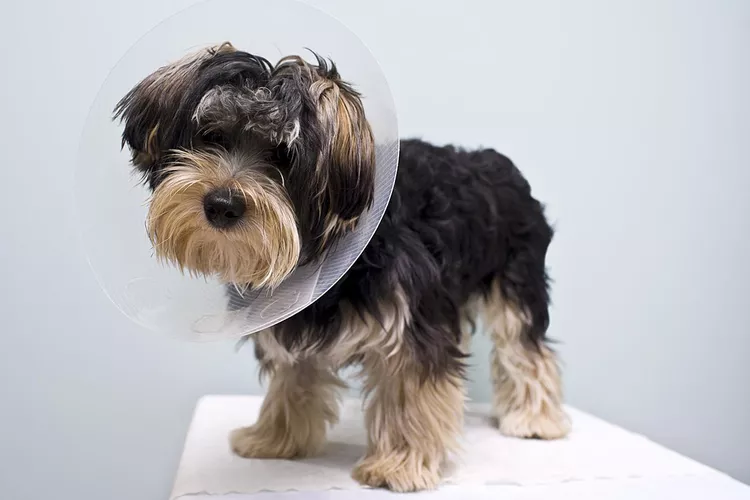
Neutering Your Dog Explained
What does it mean to neuter a dog? Learn about neutering or castration in dogs and why it is done. Find out what to expect when your dog is neutered.
Pyoderma in Dogs
Pyoderma is a skin infection commonly seen in puppies that may indicate a compromised immune system. Learn the causes, treatment, and prevention.
Dog Hiccups: How to Get Rid of Them
Dog hiccups in dogs are a fleeting nuisance in most cases, but sometimes they can mean something more. Learn what to watch for and find out how to get rid of dog hiccups.
5 Common Foods In Your Pantry That Are Not Safe For Your Pets
One potato chip is not going to hurt your pet, but there are other foods that can. Learn which to avoid and some safe foods that can be used as treats.
American Staffordshire Terrier: Breed Characteristics & Care
The American Staffordshire terrier is a type of pit bull with a friendly nature. Learn about the Am Staff's history, training, health, and more.
Greyhound: Dog Breed Characteristics & Care
Learn about the greyhound, the fastest dog breed in the world. They're also a loyal companion that's non-aggressive and good with children.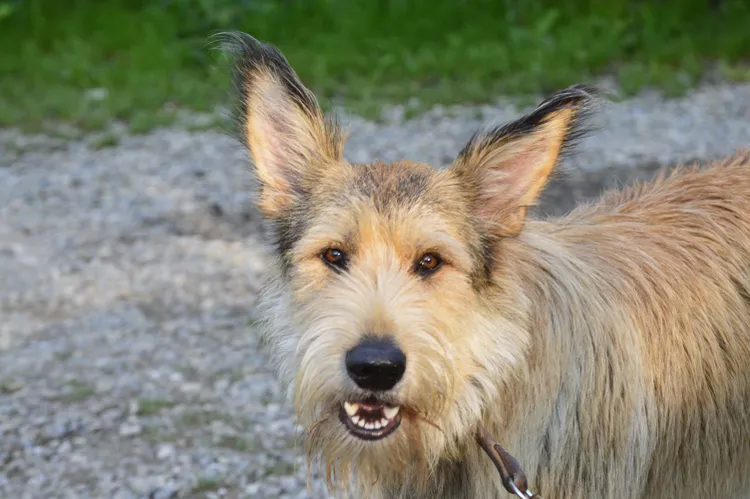
Berger Picard: Dog Breed Characteristics & Care
The Berger Picard is a French herding dog with a friendly smile and shaggy beard. Learn about its history, health, exercise needs, and more.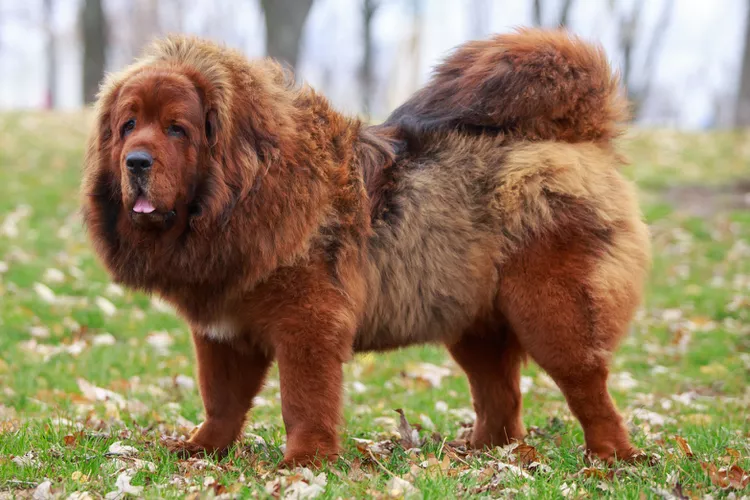
Tibetan Mastiff: Dog Breed Characteristics & Care
Learn about the Tibetan mastiff, an ancient guardian dog breed. This breed is known for their massive stature, flowing mane, and protective personality.
Can Dogs Eat Cantaloupe?
Find out if dogs can eat cantaloupe and if it's healthy. Learn how to feed dogs cantaloupe safely and what to watch out for.
Are Bones Safe for Dogs?
Are bones safe for dogs? Find out if it's really safe to give bones to dogs. Learn about the dangers of feeding bones to your dog.
Can Dogs Eat Kale?
Kale is rich in nutrients, but because it contains compounds that can harm dogs, veterinarians caution against making it a regular part of their diet.
Here’s How to Stop Your Dog from Jumping on You When Excited
Although it can be cute the first few times your dog jumps on you, it can quickly turn into a bad habit, especially if your pooch starts jumping on strangers. Here’s how to stop your dog from jumping on you when excited.
How to Stop Sudden Aggression in a Dog
It's not normal for a friendly dog to suddenly become aggressive. Sudden behavior changes may indicate a health problem and should not be ignored.
Different Meanings of a Dog's Wagging Tail
A dog wagging his tail is a common sight, but it may mean more than you think. Find out why dogs wag their tails and what canine tail wagging means.
Why Do Dogs Lick Other Dogs' Pee?
Sometimes a dog will lick another dog's urine. Find out why dogs lick other dogs' pee and learn how to stop it.
How to Stop Your Dog From Barking Excessively
All dogs bark, but excessive barking is a behavior problem. Learn how to help stop excessive barking and prevent it from happening all the time.