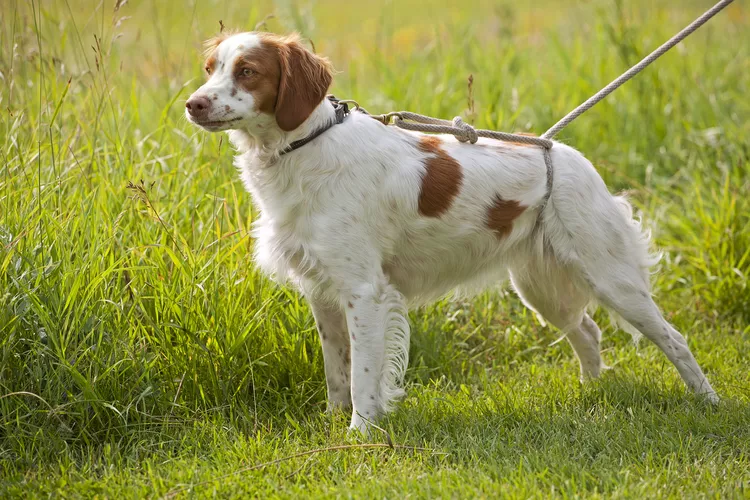
The Brittany is a medium-sized sporting breed developed in France with a dense white and orange coat. Bred as a stylish bird-hunting dog the Brittany is an agile gundog enjoyed on both sides of the Atlantic. Bird dog lovers and families alike appreciate the “softness” of the Brittany’s face and its high-set ears, as well as its high energy level and eagerness to please.
A versatile sporting dog, the Brittany also makes an intelligent, affectionate, and playful pet for a family, while also eager and tireless out in the field. A Brittany craves companionship, so it's susceptible to separation anxiety when left alone for more than a few hours.
Although Brittanys resemble spaniels, the dog actually has more of the working characteristics of a pointer or setter. Therefore, the American Kennel Club dropped the word “spaniel” from this pointing breed’s name in 1982. Brittany dogs earned their name because they were developed in the Brittany province of France between the 17th and 19th centuries. They were officially recognized as a breed in 1907.
A pointing breed that was designed to become a versatile gundog, the Brittany was adept at both pointing and retrieving, which made these dogs well-suited to working in an array of country environments. Though few records were kept on this breed, it’s believed that the dogs that contributed to the Brittany’s development were the English setter, Welsh springer spaniel, and possibly some other French spaniel breeds.
The Brittany’s skills as a bird dog soon made the breed in demand by hunters in other countries. The Brittany dog came to the United States in 1931 and, since then, they have also become popular family dogs because of their accommodating size and affectionate, friendly personality.
A happy and alert dog, the Brittany is a rugged, high-energy breed that will require daily exercise. If the Brittany dog does not receive ample exercise, it is likely to develop behavioral issues, such as barking, hyperactivity, and destructive chewing. Some Brittany dogs become anxious, which they will also express by chewing and barking. Like most breeds, the Brittany needs proper training and socialization. When well-socialized, most of these dogs will become gentle and peaceful with both people and other animals.
The Brittany is a breed that requires a great deal of exercise, but one that will enjoy every active moment with its family. Exercise can include frequent outdoor adventures or extra long walks every day that add up to an hour or more. This athletic and nicely sized dog is ideal for people with active lifestyles, whether going for hikes or playing vigorous games of fetch.
Besides basic grooming needs, the Brittany dog’s wash-and-wear coat will need just a weekly brushing to control shedding and other basic grooming. Some Brittany owners choose to take their pet to a groomer to have the hair trimmed from around the neck, ears, and sometimes the pasterns to give the dog a sleeker silhouette. If your Brittany has a lot of white on its coat, opt for a dog coat whitening shampoo.
It is also good to pay attention to dental hygiene and brush your dog's teeth two to three times per week.
A sensitive dog with a softer temperament, the Brittany responds best to gentle, calm training. These dogs are not likely to do well in tense, stressful home environments or situations. Fortunately, the breed is smart and eager to please, so the dogs aren’t particularly difficult to train.
Some Brittany dogs may be timid, submissive, and have a tendency to whine, so early socialization will help them develop a confident, easygoing temperament. Adolescents can be particularly prone to submissive urination, so they may have an accident when becoming over-excited or intimidated, such as when an adult is standing over them or reaching over to pet them. This issue can also be corrected with time and training.
The Brittany is generally a healthy breed. Due to their high levels of activity while playing or working outdoors, Brittany dogs may need to be treated for physical injuries, such as lacerations, broken bones, or ligament tears.
The breed is a bit more prone to some genetic health issues, including:
The Brittany will perform well with any high-quality dog food but will thrive on a higher-protein diet. As an especially active breed, they may require more water than the average dog. A puppy will do well with three to four meals a day, but stick to two meals a day for an adult Brittany.
Brittany dogs are somewhat low-cost, even if you work with a breeder. Expect to pay about $500 to $1,000 for a Brittany pup depending on its lineage. However, a Brittany may be available at local pet shelters or dog foster groups within your area. To find Brittanys available near you, visit these resources:
Aims to please its human
High-energy pal for active people
Low-maintenance grooming and hair care
Suffers separation anxiety
Prone to genetic health issues, specifically hip dysplasia.
Needs a lot of attention from owners
When determining if the Brittany is the right dog for you, be sure to research all aspects of the breed and consult other Brittany owners, breeders, and rescue groups to learn more. Be sure to check out these other dog breeds:
There’s a whole world of potential dog breeds out there—with a little research, you can find the right one to bring home!
You may hear breeders refer to Brittany dogs as either American or French. Both are the same breed, but with a very subtle difference. American Brittany dogs are slightly taller and faster than the French Brittany.
If you can adequately exercise a Brittany, then it could be a good choice for apartment life. Its medium stature and the fact that it is not an excessive barker, also make it a potential apartment-sized breed.
If you are willing to exercise your Brittany, it is a great choice for a first-time dog owner. The breed is loving, intelligent, requires low-maintenance grooming, and is easy to train. The breed is not rare, either, which means you may be able to find a puppy or rescue relatively easily.

Legg-Calve-Perthes Disease in Dogs
Legg-Calve-Perthes is a congenital disorder affecting the hip joints of dogs—particularly small breeds. Learn the causes, treatment, and prevention.
Bloat in Dogs
Bloat, or gastric dilation volvulus (GDV), is an emergency that generally affects large breed dogs. Learn the causes, treatment, and prevention.
Anemia in Dogs
Anemia is a low red blood cell count. In dogs, it can indicate various problems—some of them serious. Learn the causes, treatment, and prevention.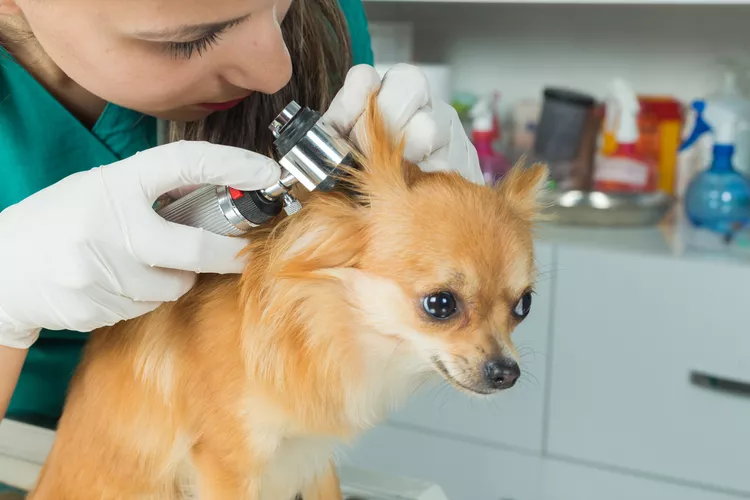
Ear Yeast Infections in Dogs
Ear yeast infections in dogs are common, uncomfortable, smell bad, and dangerous if untreated. Learn the causes, treatment, and prevention.
Neutering Your Dog Explained
What does it mean to neuter a dog? Learn about neutering or castration in dogs and why it is done. Find out what to expect when your dog is neutered.
Pyoderma in Dogs
Pyoderma is a skin infection commonly seen in puppies that may indicate a compromised immune system. Learn the causes, treatment, and prevention.
Dog Hiccups: How to Get Rid of Them
Dog hiccups in dogs are a fleeting nuisance in most cases, but sometimes they can mean something more. Learn what to watch for and find out how to get rid of dog hiccups.
5 Common Foods In Your Pantry That Are Not Safe For Your Pets
One potato chip is not going to hurt your pet, but there are other foods that can. Learn which to avoid and some safe foods that can be used as treats.
American Staffordshire Terrier: Breed Characteristics & Care
The American Staffordshire terrier is a type of pit bull with a friendly nature. Learn about the Am Staff's history, training, health, and more.
Greyhound: Dog Breed Characteristics & Care
Learn about the greyhound, the fastest dog breed in the world. They're also a loyal companion that's non-aggressive and good with children.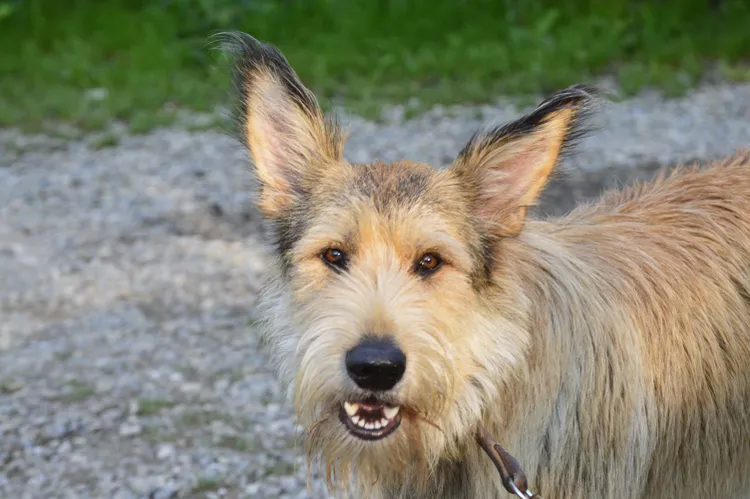
Berger Picard: Dog Breed Characteristics & Care
The Berger Picard is a French herding dog with a friendly smile and shaggy beard. Learn about its history, health, exercise needs, and more.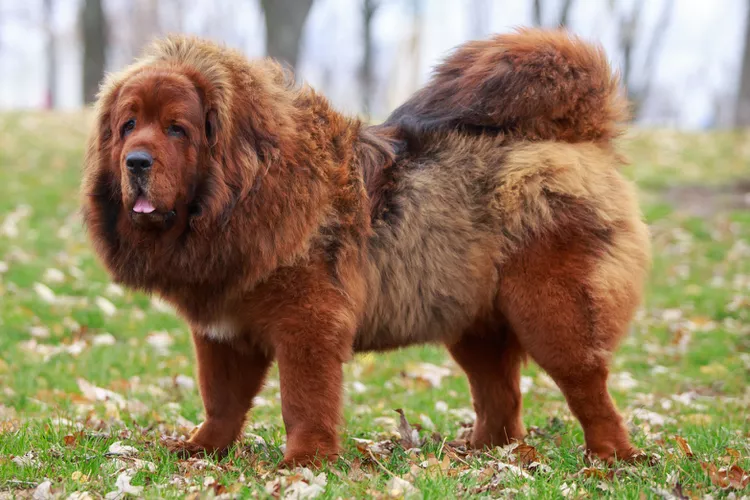
Tibetan Mastiff: Dog Breed Characteristics & Care
Learn about the Tibetan mastiff, an ancient guardian dog breed. This breed is known for their massive stature, flowing mane, and protective personality.
Can Dogs Eat Cantaloupe?
Find out if dogs can eat cantaloupe and if it's healthy. Learn how to feed dogs cantaloupe safely and what to watch out for.
Are Bones Safe for Dogs?
Are bones safe for dogs? Find out if it's really safe to give bones to dogs. Learn about the dangers of feeding bones to your dog.
Can Dogs Eat Kale?
Kale is rich in nutrients, but because it contains compounds that can harm dogs, veterinarians caution against making it a regular part of their diet.
Here’s How to Stop Your Dog from Jumping on You When Excited
Although it can be cute the first few times your dog jumps on you, it can quickly turn into a bad habit, especially if your pooch starts jumping on strangers. Here’s how to stop your dog from jumping on you when excited.
How to Stop Sudden Aggression in a Dog
It's not normal for a friendly dog to suddenly become aggressive. Sudden behavior changes may indicate a health problem and should not be ignored.
Different Meanings of a Dog's Wagging Tail
A dog wagging his tail is a common sight, but it may mean more than you think. Find out why dogs wag their tails and what canine tail wagging means.
Why Do Dogs Lick Other Dogs' Pee?
Sometimes a dog will lick another dog's urine. Find out why dogs lick other dogs' pee and learn how to stop it.
How to Stop Your Dog From Barking Excessively
All dogs bark, but excessive barking is a behavior problem. Learn how to help stop excessive barking and prevent it from happening all the time.



:strip_icc():format(webp)/the-best-dogs-for-kids-1118132_Final-resized-1b715033ccae4a10a0120c3bd56951c9.png)