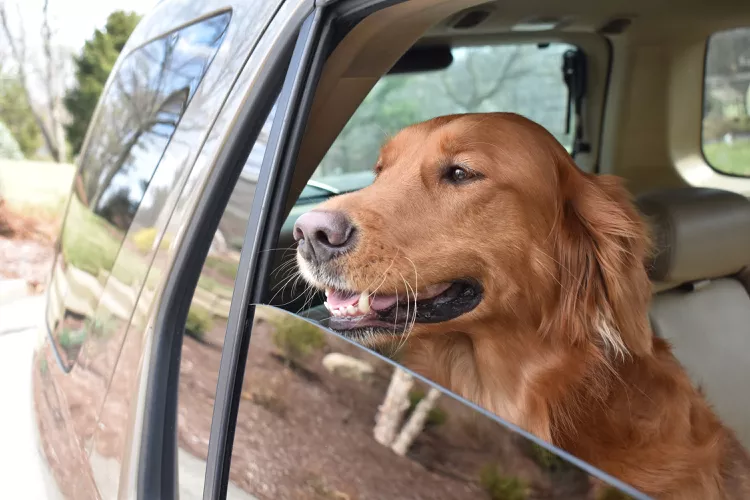
How does your dog feel about riding in your car? If it has no fear and loves a road trip, chances are it will jump right in. On the other hand, if it's afraid, it may struggle with you as you're trying to get it safely inside the car and whine or act up the whole way. Although this is a common dog phobia, it can be discouraging, distracting, and a potentially unsafe way to drive.
Fortunately, most people can help their dogs overcome this fear and become comfortable during car rides. The key is to gradually introduce your dog to the experience while associating the car with good experiences, including lots of positive reinforcement.
There are several reasons your dog may be scared of riding in your car. Your first move is determining which one is affecting your dog so you can figure out what to do next.
Just as people do, some dogs get car sick. They may feel nauseated or even vomit during car rides. If this sounds like your dog, that queasy, sick feeling may have conditioned your pet to become fearful of riding in cars.
Dogs that aren't used to going on car rides may be disturbed by the odd feeling of riding in a car. Cars usually have their own smell, and there's also the sound of the engine, the vibrations of the floor, and seeing everything whizzing past at a fast speed. Any or all of these things may make for a very frightening experience for your dog.
Some dogs associate the car with negative experiences, which can easily develop into a fear. For instance, the only time many dogs set their paws in a car is for a trip to the veterinarian. If your dog has negative feelings about going to the vet, those feelings may transfer to car rides.
If you adopt a shelter dog, the likelihood of them having had traumatic experiences that you don't know about increases. It's possible that the dog's only encounters with car rides were the trip to the shelter (or to a spot where it was abandoned) and the car ride to a new home. These frightening experiences could also account for a car phobia.
Similarly, a dog that's been involved in a car accident or hit by a car may have long-lasting fears about cars in general.
If your dog's fear of the car is related to car sickness, there's a fairly easy fix as dogs can take some over-the-counter medications to ease motion sickness. Talk to your veterinarian about the proper brand and dosage and whether this is a good option for your dog. It may also help to avoid car rides soon after your dog has had a meal.
If your dog's fear of car rides stems from more than motion sickness, chances are you'll have to put a bit more time and effort into getting rid of its phobia. By slowly introducing your dog to the car and creating a positive association with the experience, you can help your dog enjoy car rides.
Be patient and consistent with your dog and work in short sessions. Keep things positive and end each session before your dog has a chance to go into full-blown fear mode.
All dogs are different, and depending on the degree to which your dog is afraid, you can expect it to take a while for your canine buddy to conquer its fear. You may even need to go back a few steps if your dog unexpectedly reverts to fearful behaviors, which is okay, too.
Legg-Calve-Perthes Disease in Dogs
Legg-Calve-Perthes is a congenital disorder affecting the hip joints of dogs—particularly small breeds. Learn the causes, treatment, and prevention.
Bloat in Dogs
Bloat, or gastric dilation volvulus (GDV), is an emergency that generally affects large breed dogs. Learn the causes, treatment, and prevention.
Anemia in Dogs
Anemia is a low red blood cell count. In dogs, it can indicate various problems—some of them serious. Learn the causes, treatment, and prevention.
Ear Yeast Infections in Dogs
Ear yeast infections in dogs are common, uncomfortable, smell bad, and dangerous if untreated. Learn the causes, treatment, and prevention.
Neutering Your Dog Explained
What does it mean to neuter a dog? Learn about neutering or castration in dogs and why it is done. Find out what to expect when your dog is neutered.
Pyoderma in Dogs
Pyoderma is a skin infection commonly seen in puppies that may indicate a compromised immune system. Learn the causes, treatment, and prevention.
Dog Hiccups: How to Get Rid of Them
Dog hiccups in dogs are a fleeting nuisance in most cases, but sometimes they can mean something more. Learn what to watch for and find out how to get rid of dog hiccups.
5 Common Foods In Your Pantry That Are Not Safe For Your Pets
One potato chip is not going to hurt your pet, but there are other foods that can. Learn which to avoid and some safe foods that can be used as treats.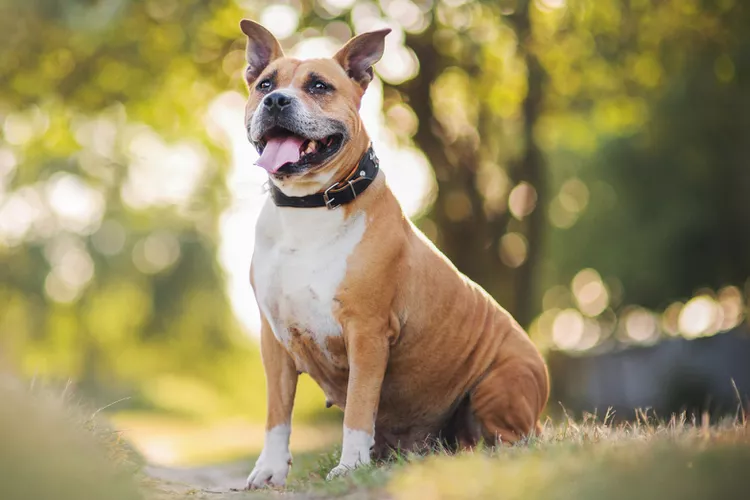
American Staffordshire Terrier: Breed Characteristics & Care
The American Staffordshire terrier is a type of pit bull with a friendly nature. Learn about the Am Staff's history, training, health, and more.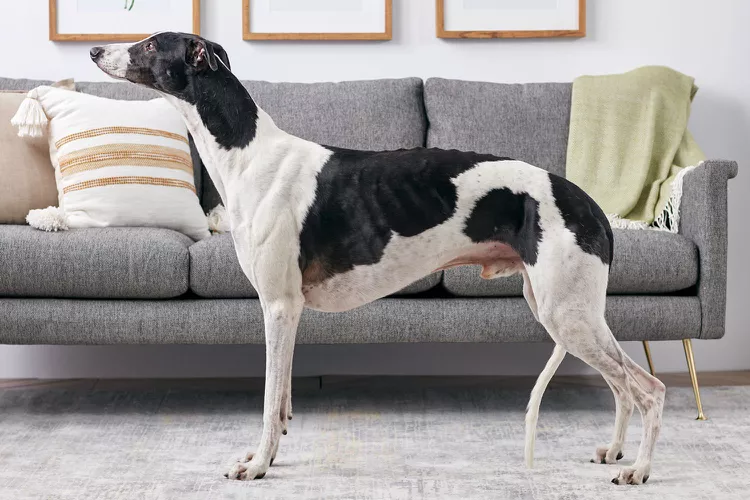
Greyhound: Dog Breed Characteristics & Care
Learn about the greyhound, the fastest dog breed in the world. They're also a loyal companion that's non-aggressive and good with children.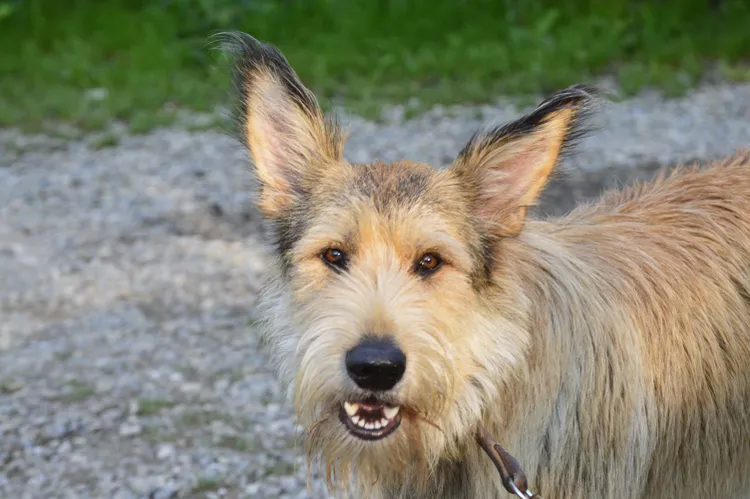
Berger Picard: Dog Breed Characteristics & Care
The Berger Picard is a French herding dog with a friendly smile and shaggy beard. Learn about its history, health, exercise needs, and more.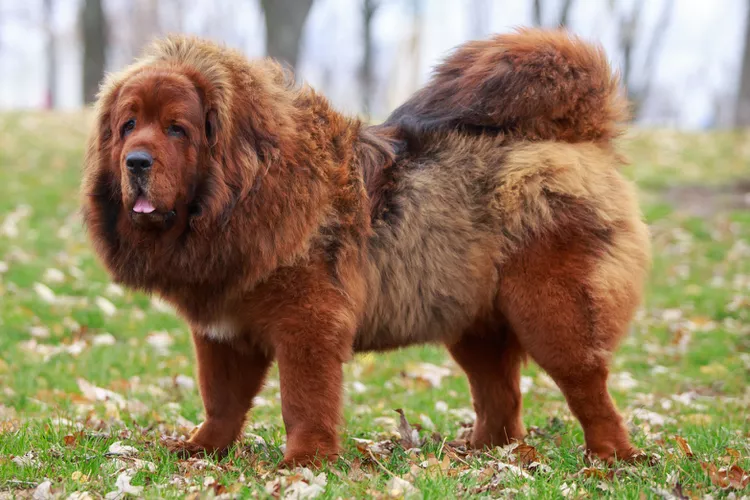
Tibetan Mastiff: Dog Breed Characteristics & Care
Learn about the Tibetan mastiff, an ancient guardian dog breed. This breed is known for their massive stature, flowing mane, and protective personality.
Can Dogs Eat Cantaloupe?
Find out if dogs can eat cantaloupe and if it's healthy. Learn how to feed dogs cantaloupe safely and what to watch out for.
Are Bones Safe for Dogs?
Are bones safe for dogs? Find out if it's really safe to give bones to dogs. Learn about the dangers of feeding bones to your dog.
Can Dogs Eat Kale?
Kale is rich in nutrients, but because it contains compounds that can harm dogs, veterinarians caution against making it a regular part of their diet.
Here’s How to Stop Your Dog from Jumping on You When Excited
Although it can be cute the first few times your dog jumps on you, it can quickly turn into a bad habit, especially if your pooch starts jumping on strangers. Here’s how to stop your dog from jumping on you when excited.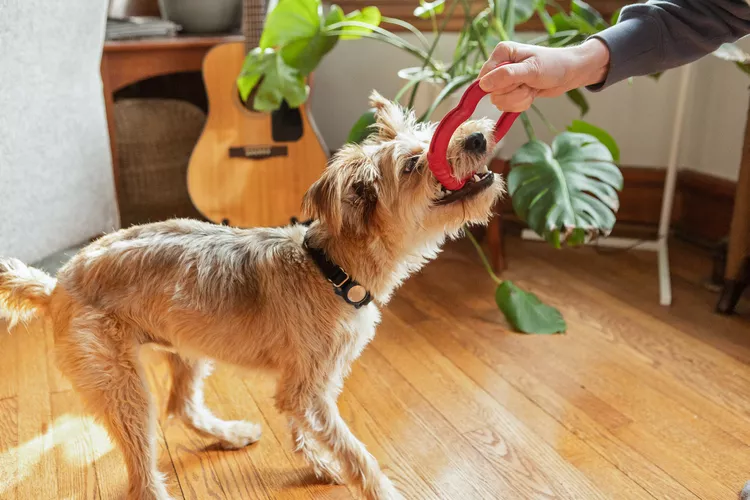
How to Stop Sudden Aggression in a Dog
It's not normal for a friendly dog to suddenly become aggressive. Sudden behavior changes may indicate a health problem and should not be ignored.
Different Meanings of a Dog's Wagging Tail
A dog wagging his tail is a common sight, but it may mean more than you think. Find out why dogs wag their tails and what canine tail wagging means.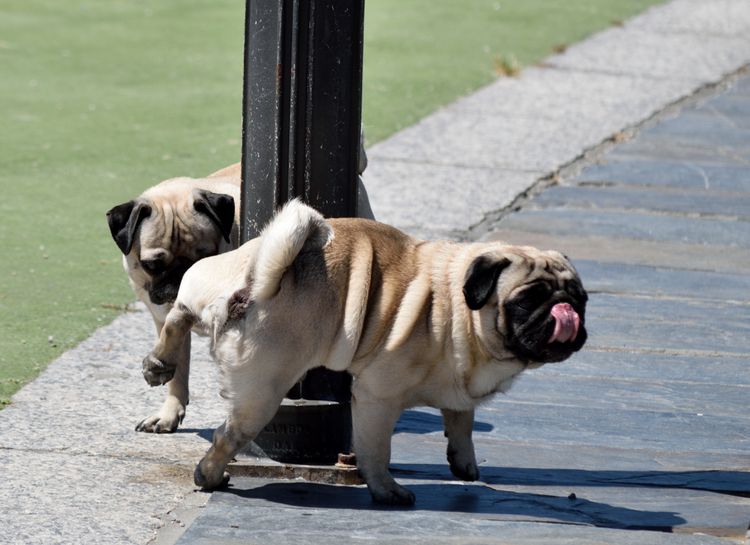
Why Do Dogs Lick Other Dogs' Pee?
Sometimes a dog will lick another dog's urine. Find out why dogs lick other dogs' pee and learn how to stop it.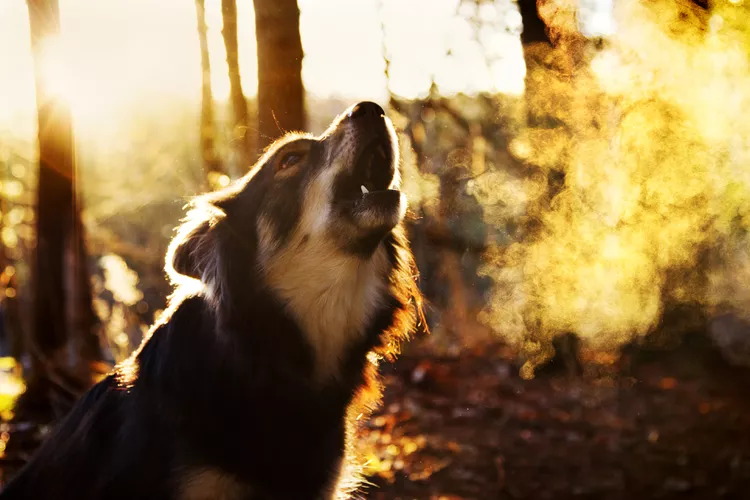
How to Stop Your Dog From Barking Excessively
All dogs bark, but excessive barking is a behavior problem. Learn how to help stop excessive barking and prevent it from happening all the time.