
Dogs bark for many reasons: to express how they’re feeling, to communicate crucial information, and to draw attention to something they find concerning. In addition to facial expressions, body language, and other vocalizations, barking is a vital way for dogs to communicate. People often find a barking dog annoying, but it’s important to remember that from the dog’s perspective, they are trying to convey necessary information.
Dogs should not be punished or yelled at for barking. Instead, if barking is causing issues for the people around them, understanding why a dog is barking can go a long way in addressing the issue and finding positive training techniques to help resolve it.
Like their wild relatives, domestic dogs have a large variety of vocalizations to help them communicate, and they have fine-tuned how to use these sounds with humans over time. Studies of dogs and wild canids like wolves and foxes have shown that dogs not only tend to vocalize more when they are around humans, but that they’ve also evolved unique forms of verbal communication.
Dogs are experts at reading human responses and can adjust their vocalizations to impart specific information to people about their desires and emotional states. And people have learned to understand these verbal cues from dogs—in studies where people listened to recordings of dogs barking in various situations, they were able to accurately determine the emotional state of the dogs.
Barking is one of the most recognizable and frequently used vocalizations in dogs (others include whining and growling). A dog’s bark is unique depending on breed and individual variation. Breeds like the shar-pei, chow chow, and basenji tend to bark less than other dogs, while hounds have very recognizable barks that are distinctive to their breed, even though individual dogs’ barks may vary.
A dog will bark to alert you to something in the environment, like a package delivery or someone approaching the door, when they want to play, when they’re bored or anxious, as a greeting, when they’re afraid, or when they want to go outside or come in. They may bark to show they’re excited about something, like a walk or a car ride.
Some dogs bark to express uncertainty when they encounter something new or when they want attention. Dogs may also bark at something they can see, smell, or hear that you cannot. When you live with a dog, you can learn to recognize what their various barks mean and how to better meet their needs.
While dogs are uniquely adapted to living with humans and have developed strategies to effectively “talk” to their people, sometimes these methods of communication break down. Often, the dog is trying to tell you something, but the message is not getting across or is not being understood. In these cases, dogs’ barking can be labeled as “excessive” or “unnecessary,” when in fact, from the dog’s perspective, it is quite necessary.
For example, if a dog left alone in a yard all day barks nonstop, this may be a sign that the dog is bored and lonely, and the situation needs to be modified to improve the dog’s wellbeing. Other causes of barking in dogs include:
If your dog has had a change in behavior and is barking more than usual, barking at abnormal times and in inappropriate situations, or the sound of your dog’s bark has changed, then first take your dog to a veterinarian to rule out any underlying medical causes. If there are no underlying physical causes, you can also talk to your veterinarian about ways to deal with barking, as long as any methods suggested are force-free and do not punish or create negative experiences for the dog.
You should never try to “stop” barking in dogs because it’s a key part of their ability to communicate. If a dog is not permitted to bark, this results in frustration and compromises your dog’s happiness and welfare. Rather, if your dog’s barking is causing an issue, either for you, other family members, or neighbors, follow these steps to try to help your dog bark less in certain situations.
Never use the following:
These techniques use punishment to create a negative association between the unwanted behavior (barking) and an unpleasant or painful response from you. There are many problems with these techniques including creating fear and possibly aggression in your dog and eroding the bond between you and your dog, leading to your dog not trusting you. Often, these techniques do not actually resolve the problem since your dog learns to avoid doing the behavior in your presence but is not actually learning what to do instead.
Barking from fear or anxiety, including separation anxiety, may require veterinary treatment to address the underlying problem. It can be very helpful to work with a professional trainer if you are struggling to change your dog's barking behaviors, but make sure they use only positive reinforcement and force-free training methods. Never use a trainer that punishes or causes pain or fear in your dog.

Legg-Calve-Perthes Disease in Dogs
Legg-Calve-Perthes is a congenital disorder affecting the hip joints of dogs—particularly small breeds. Learn the causes, treatment, and prevention.
Bloat in Dogs
Bloat, or gastric dilation volvulus (GDV), is an emergency that generally affects large breed dogs. Learn the causes, treatment, and prevention.
Anemia in Dogs
Anemia is a low red blood cell count. In dogs, it can indicate various problems—some of them serious. Learn the causes, treatment, and prevention.
Ear Yeast Infections in Dogs
Ear yeast infections in dogs are common, uncomfortable, smell bad, and dangerous if untreated. Learn the causes, treatment, and prevention.
Neutering Your Dog Explained
What does it mean to neuter a dog? Learn about neutering or castration in dogs and why it is done. Find out what to expect when your dog is neutered.
Pyoderma in Dogs
Pyoderma is a skin infection commonly seen in puppies that may indicate a compromised immune system. Learn the causes, treatment, and prevention.
Dog Hiccups: How to Get Rid of Them
Dog hiccups in dogs are a fleeting nuisance in most cases, but sometimes they can mean something more. Learn what to watch for and find out how to get rid of dog hiccups.
5 Common Foods In Your Pantry That Are Not Safe For Your Pets
One potato chip is not going to hurt your pet, but there are other foods that can. Learn which to avoid and some safe foods that can be used as treats.
American Staffordshire Terrier: Breed Characteristics & Care
The American Staffordshire terrier is a type of pit bull with a friendly nature. Learn about the Am Staff's history, training, health, and more.
Greyhound: Dog Breed Characteristics & Care
Learn about the greyhound, the fastest dog breed in the world. They're also a loyal companion that's non-aggressive and good with children.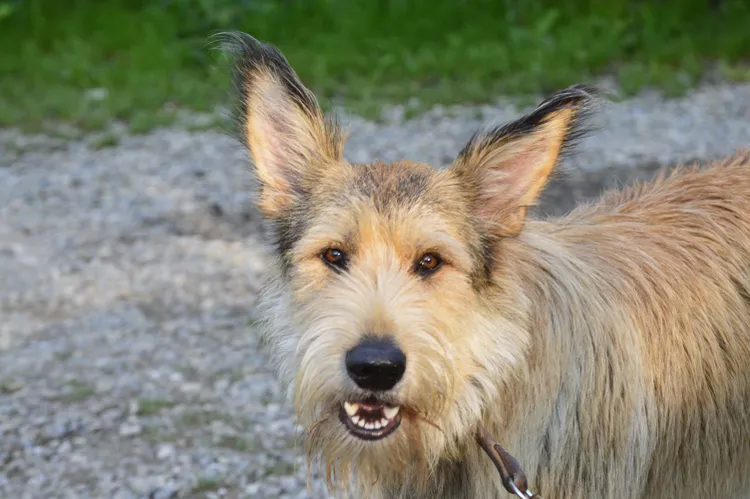
Berger Picard: Dog Breed Characteristics & Care
The Berger Picard is a French herding dog with a friendly smile and shaggy beard. Learn about its history, health, exercise needs, and more.
Tibetan Mastiff: Dog Breed Characteristics & Care
Learn about the Tibetan mastiff, an ancient guardian dog breed. This breed is known for their massive stature, flowing mane, and protective personality.
Can Dogs Eat Cantaloupe?
Find out if dogs can eat cantaloupe and if it's healthy. Learn how to feed dogs cantaloupe safely and what to watch out for.
Are Bones Safe for Dogs?
Are bones safe for dogs? Find out if it's really safe to give bones to dogs. Learn about the dangers of feeding bones to your dog.
Can Dogs Eat Kale?
Kale is rich in nutrients, but because it contains compounds that can harm dogs, veterinarians caution against making it a regular part of their diet.
Here’s How to Stop Your Dog from Jumping on You When Excited
Although it can be cute the first few times your dog jumps on you, it can quickly turn into a bad habit, especially if your pooch starts jumping on strangers. Here’s how to stop your dog from jumping on you when excited.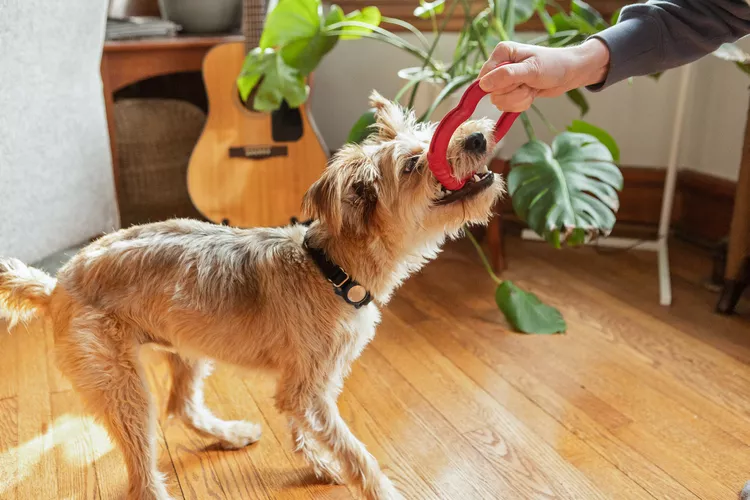
How to Stop Sudden Aggression in a Dog
It's not normal for a friendly dog to suddenly become aggressive. Sudden behavior changes may indicate a health problem and should not be ignored.
Different Meanings of a Dog's Wagging Tail
A dog wagging his tail is a common sight, but it may mean more than you think. Find out why dogs wag their tails and what canine tail wagging means.
Why Do Dogs Lick Other Dogs' Pee?
Sometimes a dog will lick another dog's urine. Find out why dogs lick other dogs' pee and learn how to stop it.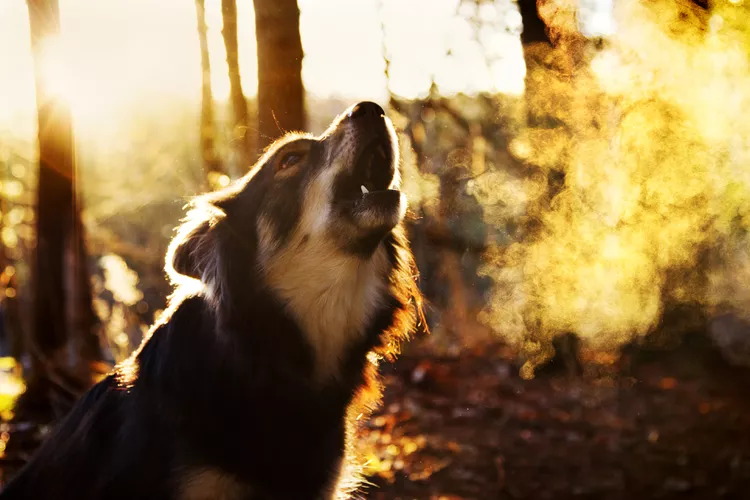
How to Stop Your Dog From Barking Excessively
All dogs bark, but excessive barking is a behavior problem. Learn how to help stop excessive barking and prevent it from happening all the time.