When it comes to feeding your dog, there are some decisions you need to make. Proper nutrition is one of your dog's basic needs, and it's about more than just the brand of dog food. Check out the answers to some basic questions many dog owners have about feeding.
Because there are so many commercial dog food brands available, choosing a dog food can be quite overwhelming. All commercial diets with the AAFCO label are considered "complete and balanced" for dogs. This means that the diet sustains life and meets a dog's basic nutritional needs for the designated life stage. However, not all dog foods are created equal. The quality of ingredients contributes to your dog's health and well-being.
When you are choosing the type of food to feed your dog, first narrow down your priorities:
Then, consider your dog:
Choosing commercial diets: To determine which food is best for your dog, talk to your veterinarian first. Ask for input from dog professionals and even other dog owners. When in doubt, ask your vet for a referral to a veterinary nutritionist. Remember that opinions on canine nutrition tend to vary greatly.
Choosing home-prepared diets: Rather than choosing a commercial diet, some owners opt to go for homemade diets. If you try this option, make sure you work with your veterinarian to create a complete and balanced diet that is customized for your dog's needs. To begin developing a home-prepared diet for your dog, check out BalanceIt.com and/or PetDiets.com. Failure to feed a complete and balanced diet can lead to major health problems for your dog.
The amount of food to feed your dog depends on a few factors:
A dog food calculator can tell you approximately how many calories per day your dog needs. Talk to your vet about your dog's body condition and ideal weight.
Most experts agree that twice-daily feeding is best for most adult dogs. Once-a-day is a long time for a dog to go between meals. Puppies should be fed three to six times per day (small puppies need food more often to prevent low blood sugar). Talk to your vet about an appropriate feeding schedule for your dog.
Experts recommend avoiding plastic bowls for a dog's food and water. This is because your dog can develop an allergic reaction or sensitivity, resulting in a rash or type of acne on the chin and face. Not only is the plastic a potential irritant, but the bowl may harbor bacteria or other microbes that affect your dog. Plastic bowls are harder to keep clean because of microscopic nooks and crannies where germs can live. It's best to use metal or ceramic bowls for dog food and water.
There are plenty of options for yummy dog treats and dog chews. Make sure to choose safe options for your dog. Also, remember that treats and chews add calories to your dog's diet and should never make up more than about 10 percent of your dog's daily caloric intake.
Most dogs love food and will eat just about anything they can find. Avoid the following harmful or even toxic foods for dogs:
While people food should generally be avoided, there are some that you can safely feed as treats or with meals to make dog food more palatable. Unseasoned, boneless, lean meats and certain plain fruits and vegetables are healthy for dogs. Opt for whole, unprocessed foods low in fat, salt, and sugar. Feed small portions as treats, remembering the rule about treats making up no more than 10 percent of your dog's daily intake. Here are some healthy options for dogs:
Legg-Calve-Perthes Disease in Dogs
Legg-Calve-Perthes is a congenital disorder affecting the hip joints of dogs—particularly small breeds. Learn the causes, treatment, and prevention.
Bloat in Dogs
Bloat, or gastric dilation volvulus (GDV), is an emergency that generally affects large breed dogs. Learn the causes, treatment, and prevention.
Anemia in Dogs
Anemia is a low red blood cell count. In dogs, it can indicate various problems—some of them serious. Learn the causes, treatment, and prevention.
Ear Yeast Infections in Dogs
Ear yeast infections in dogs are common, uncomfortable, smell bad, and dangerous if untreated. Learn the causes, treatment, and prevention.
Neutering Your Dog Explained
What does it mean to neuter a dog? Learn about neutering or castration in dogs and why it is done. Find out what to expect when your dog is neutered.
Pyoderma in Dogs
Pyoderma is a skin infection commonly seen in puppies that may indicate a compromised immune system. Learn the causes, treatment, and prevention.
Dog Hiccups: How to Get Rid of Them
Dog hiccups in dogs are a fleeting nuisance in most cases, but sometimes they can mean something more. Learn what to watch for and find out how to get rid of dog hiccups.
5 Common Foods In Your Pantry That Are Not Safe For Your Pets
One potato chip is not going to hurt your pet, but there are other foods that can. Learn which to avoid and some safe foods that can be used as treats.
American Staffordshire Terrier: Breed Characteristics & Care
The American Staffordshire terrier is a type of pit bull with a friendly nature. Learn about the Am Staff's history, training, health, and more.
Greyhound: Dog Breed Characteristics & Care
Learn about the greyhound, the fastest dog breed in the world. They're also a loyal companion that's non-aggressive and good with children.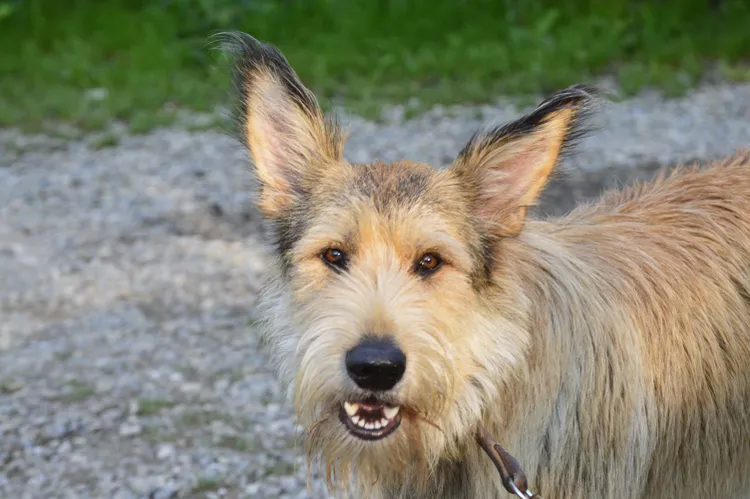
Berger Picard: Dog Breed Characteristics & Care
The Berger Picard is a French herding dog with a friendly smile and shaggy beard. Learn about its history, health, exercise needs, and more.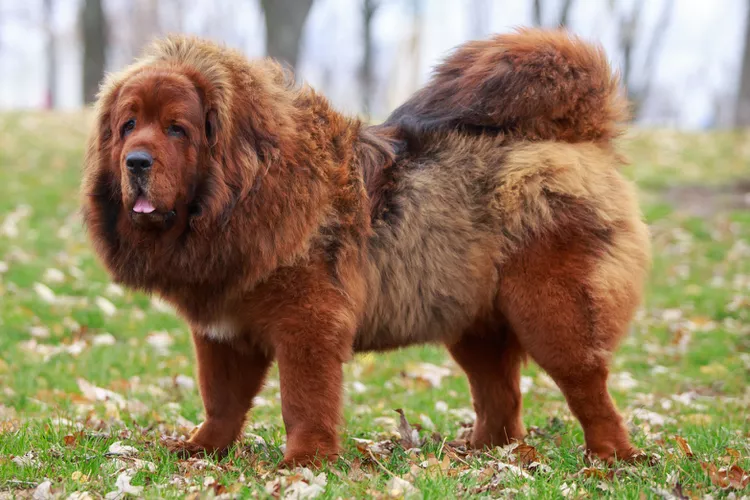
Tibetan Mastiff: Dog Breed Characteristics & Care
Learn about the Tibetan mastiff, an ancient guardian dog breed. This breed is known for their massive stature, flowing mane, and protective personality.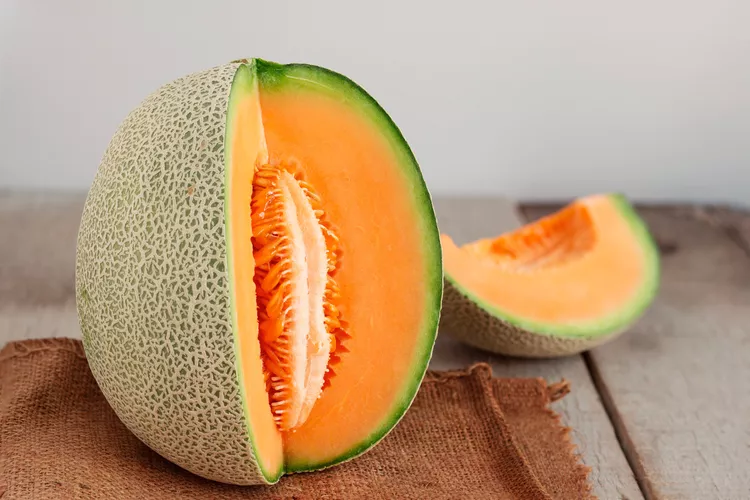
Can Dogs Eat Cantaloupe?
Find out if dogs can eat cantaloupe and if it's healthy. Learn how to feed dogs cantaloupe safely and what to watch out for.
Are Bones Safe for Dogs?
Are bones safe for dogs? Find out if it's really safe to give bones to dogs. Learn about the dangers of feeding bones to your dog.
Can Dogs Eat Kale?
Kale is rich in nutrients, but because it contains compounds that can harm dogs, veterinarians caution against making it a regular part of their diet.
Here’s How to Stop Your Dog from Jumping on You When Excited
Although it can be cute the first few times your dog jumps on you, it can quickly turn into a bad habit, especially if your pooch starts jumping on strangers. Here’s how to stop your dog from jumping on you when excited.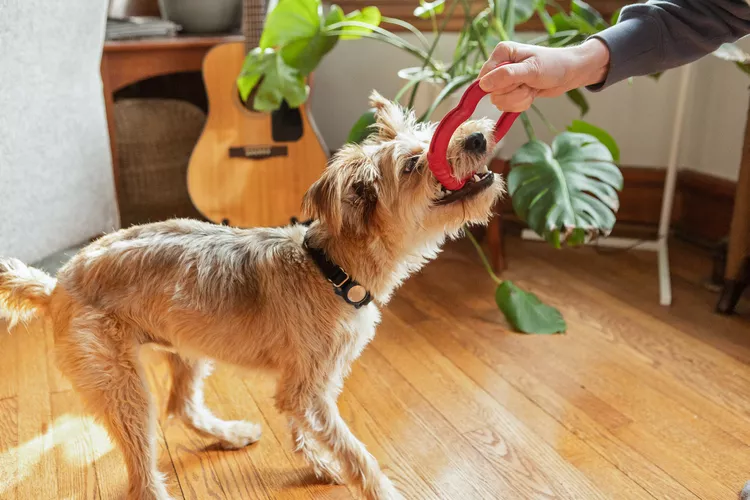
How to Stop Sudden Aggression in a Dog
It's not normal for a friendly dog to suddenly become aggressive. Sudden behavior changes may indicate a health problem and should not be ignored.
Different Meanings of a Dog's Wagging Tail
A dog wagging his tail is a common sight, but it may mean more than you think. Find out why dogs wag their tails and what canine tail wagging means.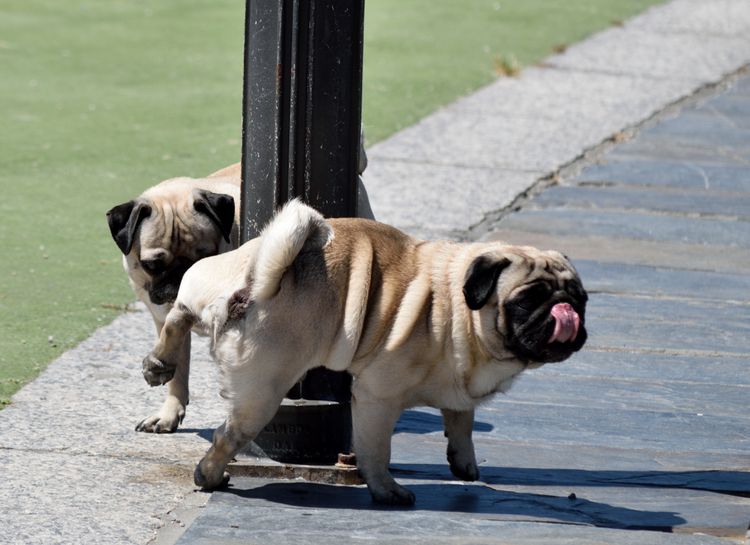
Why Do Dogs Lick Other Dogs' Pee?
Sometimes a dog will lick another dog's urine. Find out why dogs lick other dogs' pee and learn how to stop it.
How to Stop Your Dog From Barking Excessively
All dogs bark, but excessive barking is a behavior problem. Learn how to help stop excessive barking and prevent it from happening all the time.