Coconut oil is a food ingredient that has grown in popularity as a kind of natural remedy and dietary supplement. People have claimed to experience a variety of health benefits when consuming coconut oil or applying it topically. It's not surprising that some dog owners have considered using coconut oil on their dogs for the health benefits it may provide.
Before embracing this dietary fad and using coconut oil on your dog, find out how safe it actually is and whether or not you can expect positive results.
Coconut oil is made by extracting the oils from coconuts. It can be used to prepare foods but can also be used as a dietary supplement. Coconut oil contains saturated fatty acids called medium-chain triglycerides. MCTs, like palm kernel oil and coconut oil, have different properties from long-chain triglycerides like olive oil, soybean oil, avocado oil, and fish oil. In theory, MCTs may be more easily digestible and a better source for quick energy than LCTs. MCTs may contain caprylic acid and capric acid, both of which have anti-fungal properties. They may also contain lauric acid, which has antibacterial, antiviral, and antifungal properties.
Any natural substance with supposed antibacterial, antifungal, and antiviral properties is likely to become popular with people looking for natural remedies. All of the hype makes coconut oil sound like a miracle food. However, it's essential for dog owners to understand that none of these claims are backed up by science. In truth, studies have been largely inconclusive regarding the purported benefits of coconut oil. Additionally, these studies have mainly been done on humans and not animals.
Some people believe that the MCTs found in coconut oil may aid in digestion, heal digestive disorders, and reduce inflammation. It is also possible that MCTs can help with brain energy and cognition in older dogs.
Some owners report that the topical use of coconut oil has improved skin conditions such as hot spots or itchy, dry skin. These owners used over-the-counter shampoos made with organic coconut oil and recipes for DIY paw balm to not only achieve these results, but to also help give their dog a shiny, glossy coat.
Other anecdotal evidence suggests that coconut oil may help with metabolic functions, aid in weight loss, and alleviate pain from arthritis as well as improving bone health.
Remember that anecdotes are not scientifically sound. Before you decide to add coconut oil to your dog's diet or apply it to the skin, be sure to consider potential risks as well. As always, your veterinarian is the best source of information regarding your dog's health. Do not begin using coconut oil on your dog before you consult your vet.
Despite the possible health benefits, coconut oil might not be healthy for your dog. Though not poisonous, it is a high-fat food that can cause complications in dogs with certain health conditions. In addition, dogs may gain weight on this fatty food, risking obesity and all the health issues that come along with it.
Before you follow advice from friends and random people who rave about the benefits of coconut oil, remember that their stories are not a substitute for scientific research that takes place in a controlled environment, among a large group of dogs, and is both repeatable and peer-reviewed.
As mentioned previously, consult your veterinarian before using coconut oil. Your vet knows your dog's medical history and physical condition, and can offer specific instructions and advice about how, if the vet deems it safe, to incorporate it into your dog's routine.
Topical use may be easily administered, but remember that your dog may lick it off the skin and ingest it anyway. Oral use should be done carefully, only giving your dog the amount recommended by your vet. Too much coconut oil can lead to vomiting, greasy diarrhea, weight gain, and other illnesses. In general, vets caution against increased fat in the diet for dogs with histories of pancreatitis and those prone to gaining weight. Other diseases and metabolic conditions can be exacerbated when using coconut oil.
If your vet gives you the go-ahead to use coconut oil topically or orally in your dog, be sure to get unrefined (also called "virgin") oil. Cold-pressed coconut oil is considered ideal.
Not all coconut oils taste the same. Some may have a stronger coconut flavor than others, so you may need to experiment with your dog to see what kind is preferred.

Legg-Calve-Perthes Disease in Dogs
Legg-Calve-Perthes is a congenital disorder affecting the hip joints of dogs—particularly small breeds. Learn the causes, treatment, and prevention.
Bloat in Dogs
Bloat, or gastric dilation volvulus (GDV), is an emergency that generally affects large breed dogs. Learn the causes, treatment, and prevention.
Anemia in Dogs
Anemia is a low red blood cell count. In dogs, it can indicate various problems—some of them serious. Learn the causes, treatment, and prevention.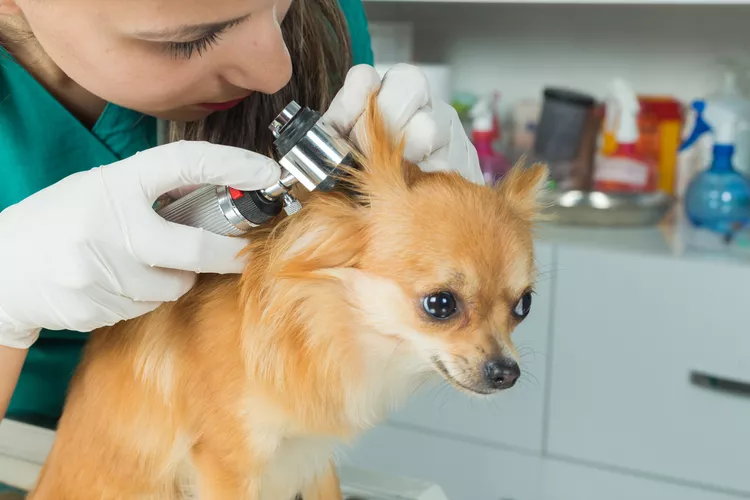
Ear Yeast Infections in Dogs
Ear yeast infections in dogs are common, uncomfortable, smell bad, and dangerous if untreated. Learn the causes, treatment, and prevention.
Neutering Your Dog Explained
What does it mean to neuter a dog? Learn about neutering or castration in dogs and why it is done. Find out what to expect when your dog is neutered.
Pyoderma in Dogs
Pyoderma is a skin infection commonly seen in puppies that may indicate a compromised immune system. Learn the causes, treatment, and prevention.
Dog Hiccups: How to Get Rid of Them
Dog hiccups in dogs are a fleeting nuisance in most cases, but sometimes they can mean something more. Learn what to watch for and find out how to get rid of dog hiccups.
5 Common Foods In Your Pantry That Are Not Safe For Your Pets
One potato chip is not going to hurt your pet, but there are other foods that can. Learn which to avoid and some safe foods that can be used as treats.
American Staffordshire Terrier: Breed Characteristics & Care
The American Staffordshire terrier is a type of pit bull with a friendly nature. Learn about the Am Staff's history, training, health, and more.
Greyhound: Dog Breed Characteristics & Care
Learn about the greyhound, the fastest dog breed in the world. They're also a loyal companion that's non-aggressive and good with children.
Berger Picard: Dog Breed Characteristics & Care
The Berger Picard is a French herding dog with a friendly smile and shaggy beard. Learn about its history, health, exercise needs, and more.
Tibetan Mastiff: Dog Breed Characteristics & Care
Learn about the Tibetan mastiff, an ancient guardian dog breed. This breed is known for their massive stature, flowing mane, and protective personality.
Can Dogs Eat Cantaloupe?
Find out if dogs can eat cantaloupe and if it's healthy. Learn how to feed dogs cantaloupe safely and what to watch out for.
Are Bones Safe for Dogs?
Are bones safe for dogs? Find out if it's really safe to give bones to dogs. Learn about the dangers of feeding bones to your dog.
Can Dogs Eat Kale?
Kale is rich in nutrients, but because it contains compounds that can harm dogs, veterinarians caution against making it a regular part of their diet.
Here’s How to Stop Your Dog from Jumping on You When Excited
Although it can be cute the first few times your dog jumps on you, it can quickly turn into a bad habit, especially if your pooch starts jumping on strangers. Here’s how to stop your dog from jumping on you when excited.
How to Stop Sudden Aggression in a Dog
It's not normal for a friendly dog to suddenly become aggressive. Sudden behavior changes may indicate a health problem and should not be ignored.
Different Meanings of a Dog's Wagging Tail
A dog wagging his tail is a common sight, but it may mean more than you think. Find out why dogs wag their tails and what canine tail wagging means.
Why Do Dogs Lick Other Dogs' Pee?
Sometimes a dog will lick another dog's urine. Find out why dogs lick other dogs' pee and learn how to stop it.
How to Stop Your Dog From Barking Excessively
All dogs bark, but excessive barking is a behavior problem. Learn how to help stop excessive barking and prevent it from happening all the time.