If you’re a spicy food lover, you may be wondering if your pup would enjoy a bite of your favorite hot dish. When it comes to spicy food, dogs may experience a more limited taste and sensation of spicy ingredients, however, it is not a good idea to share many of these foods with them.
The short answer is yes, but they may not be as sensitive to or appreciate spice and flavors as much as people would. Dogs may experience the sensation of heat and burning after eating something spicy like we—or at least some of us—do. In particular, these sensations are the response to a compound called capsaicin found in chili peppers, the active ingredient in most spicy foods.
The taste buds detect 5 basic flavors; salty, sweet, sour, bitter, and umami. Different animals and humans have varying compositions of these taste bud receptors, which explains why some animals are more or less sensitive to flavors like sweet or bitter. Dogs in particular have many fewer taste buds than humans, about 1,700 for dogs compared to 9,000 for humans. As a result, dogs are less sensitive to certain flavors in their foods. However, since spice is processed differently, they can be highly sensitive to the sensations of heat and burning created by spicy foods.
Although we know that dogs can experience spicy flavors, whether or not they should indulge is a different question. In most cases, the answer is no. For starters, most dogs will not enjoy this feeling.
Even though some people love that tongue-burning, eye-tearing, mouth-watering experience that comes with biting into a ghost pepper, it would likely be distressing to a dog to feel that kind of burning and heat. In some cases, there could also be additional health problems that follow from eating spicy foods. Additionally, many dogs are smaller than their human counterparts and have a different metabolism, so keep in mind that what might look like a small amount to you may be quite sizable to them, especially for toy and small breed dogs. Avoiding spicy foods to your dog is the safest plan.
Spicy foods should be avoided for a number of reasons.
If your dog took a small bite or lick of a spicy pepper, it may be uncomfortable but is unlikely to cause serious harm. While many human remedies for spicy food call for dairy products like milk to cool the burn, dogs should not eat large amounts of dairy as this can cause tummy troubles like diarrhea. A small spoonful of low-fat yogurt may do the trick if you have some on hand but in most cases, the burning sensation will subside within a few minutes and your dog will be just fine.
If your pup ingested a very large quantity of spicy food, or ate something that you think may contain other toxic ingredients, contact your veterinarian right away.
If you think your dog ate something toxic, it may also be helpful to call one of the animal poison control hotlines, such as the ASPCA Poison Control Hotline, to find out what signs to expect given the type and quantity of toxins your dog ate. The more information you can provide, the better they can guide you as to what to expect and the best course of treatment. There are some medications that may help with the discomfort of eating a lot of spicy food and some dogs might also need supportive treatment for vomiting, diarrhea, or other side effects they are experiencing.

Legg-Calve-Perthes Disease in Dogs
Legg-Calve-Perthes is a congenital disorder affecting the hip joints of dogs—particularly small breeds. Learn the causes, treatment, and prevention.
Bloat in Dogs
Bloat, or gastric dilation volvulus (GDV), is an emergency that generally affects large breed dogs. Learn the causes, treatment, and prevention.
Anemia in Dogs
Anemia is a low red blood cell count. In dogs, it can indicate various problems—some of them serious. Learn the causes, treatment, and prevention.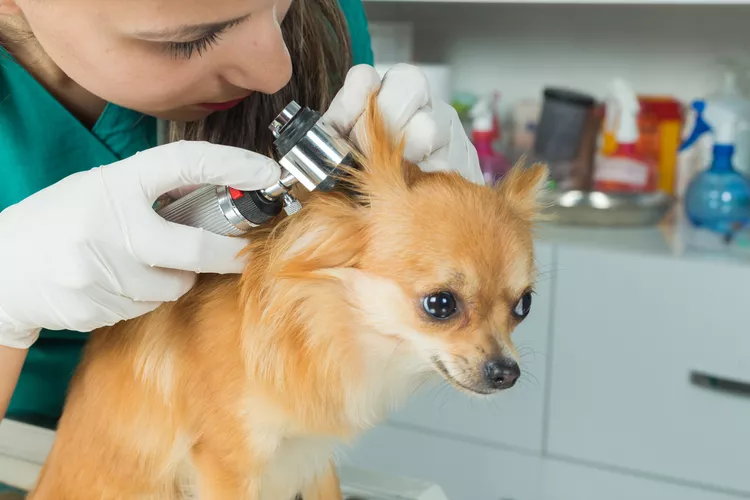
Ear Yeast Infections in Dogs
Ear yeast infections in dogs are common, uncomfortable, smell bad, and dangerous if untreated. Learn the causes, treatment, and prevention.
Neutering Your Dog Explained
What does it mean to neuter a dog? Learn about neutering or castration in dogs and why it is done. Find out what to expect when your dog is neutered.
Pyoderma in Dogs
Pyoderma is a skin infection commonly seen in puppies that may indicate a compromised immune system. Learn the causes, treatment, and prevention.
Dog Hiccups: How to Get Rid of Them
Dog hiccups in dogs are a fleeting nuisance in most cases, but sometimes they can mean something more. Learn what to watch for and find out how to get rid of dog hiccups.
5 Common Foods In Your Pantry That Are Not Safe For Your Pets
One potato chip is not going to hurt your pet, but there are other foods that can. Learn which to avoid and some safe foods that can be used as treats.
American Staffordshire Terrier: Breed Characteristics & Care
The American Staffordshire terrier is a type of pit bull with a friendly nature. Learn about the Am Staff's history, training, health, and more.
Greyhound: Dog Breed Characteristics & Care
Learn about the greyhound, the fastest dog breed in the world. They're also a loyal companion that's non-aggressive and good with children.
Berger Picard: Dog Breed Characteristics & Care
The Berger Picard is a French herding dog with a friendly smile and shaggy beard. Learn about its history, health, exercise needs, and more.
Tibetan Mastiff: Dog Breed Characteristics & Care
Learn about the Tibetan mastiff, an ancient guardian dog breed. This breed is known for their massive stature, flowing mane, and protective personality.
Can Dogs Eat Cantaloupe?
Find out if dogs can eat cantaloupe and if it's healthy. Learn how to feed dogs cantaloupe safely and what to watch out for.
Are Bones Safe for Dogs?
Are bones safe for dogs? Find out if it's really safe to give bones to dogs. Learn about the dangers of feeding bones to your dog.
Can Dogs Eat Kale?
Kale is rich in nutrients, but because it contains compounds that can harm dogs, veterinarians caution against making it a regular part of their diet.
Here’s How to Stop Your Dog from Jumping on You When Excited
Although it can be cute the first few times your dog jumps on you, it can quickly turn into a bad habit, especially if your pooch starts jumping on strangers. Here’s how to stop your dog from jumping on you when excited.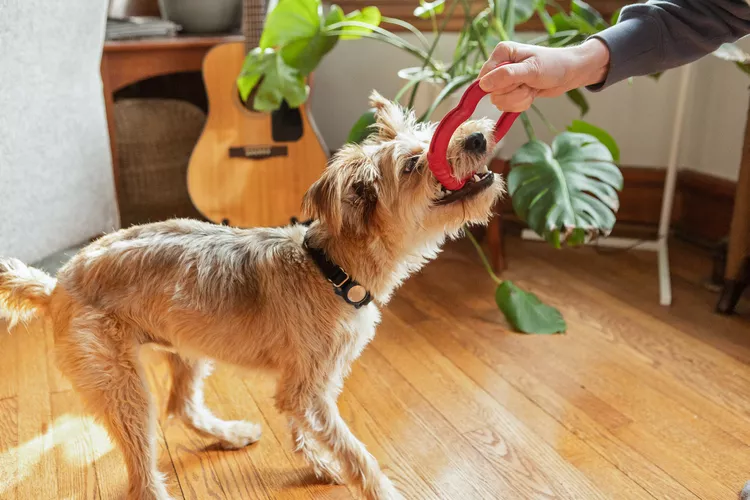
How to Stop Sudden Aggression in a Dog
It's not normal for a friendly dog to suddenly become aggressive. Sudden behavior changes may indicate a health problem and should not be ignored.
Different Meanings of a Dog's Wagging Tail
A dog wagging his tail is a common sight, but it may mean more than you think. Find out why dogs wag their tails and what canine tail wagging means.
Why Do Dogs Lick Other Dogs' Pee?
Sometimes a dog will lick another dog's urine. Find out why dogs lick other dogs' pee and learn how to stop it.
How to Stop Your Dog From Barking Excessively
All dogs bark, but excessive barking is a behavior problem. Learn how to help stop excessive barking and prevent it from happening all the time.