Our pups might be fine after eating a couple slices, but dogs shouldn't eat pickles because they're made with ingredients like garlic that can make them sick.
That's according to The Vets' Alejandro Caos, DVM. Your dog might be no worse for wear after eating a piece of pickle, but there's no reason to risk it. Especially when you have other, better options.
"My advice would be: Forget the pickling altogether," Caos says. "Just give cucumbers."
Here's what else you need to know about dogs eating pickles:
We make pickles by soaking cucumbers in a liquid compound and adding spices, and that's why dogs shouldn't eat them. We love what gives the pickles flavor, but those additives can really endanger our dogs.
Top of the list? Onions and garlic, two ingredients you'll find in plenty of pickle recipes. They're both Allium species, which are toxic to dogs and can cause anemia. Anemia occurs when dogs' blood lacks red blood cells or hemoglobin. Caos also warns that the Allium plants' toxicity can also attack your dogs' kidneys.
Then you have all the other ingredients like vinegar, cinnamon, sugar, and plenty of salt. In small amounts—especially what ends up on a single pickle slice or spear—these ingredients probably won't hurt your dog, but they're definitely not healthy. (It doesn't matter if it's a bread and butter pickle, dill pickle, or sour pickle. Keep them all clear of your dog.)
"Those herbs and those spices, those can also be detrimental to their health," Caos says.
These additives also pose additional dangers to dogs already dealing with a health issue like pancreatitis or obesity. In particular, too much sodium can exacerbate underlying heart disease, high blood pressure, or dehydration. If a dog eats a large amount of pickles in a short period of time, they can develop hypernatremia, or high blood sodium levels. Hypernatremia can lead to vomiting, loss of balance, and seizures.
Pickles are not good for dogs, but your pup snagging a piece off the counter probably isn't going to hurt them, Caos says. That's especially true for larger dogs who eat smaller pieces of pickle, thanks to their greater digestive fortitude. So don't panic.
As you keep an eye on your dogs, look for signs that they might be dealing with a reaction to the pickle's toxicity. Those include:
If you see any of those signs, it's a good idea to call your veterinarian and schedule a visit. Caos also recommends the ASPCA Poison Control Center if you'd like an expert to consult you over the phone.
Remember, dogs in most cases will be able to eat pickles without any issues. They just shouldn't eat them as a precaution.
Pre-pickled pickles—cucumbers—are a much better treat for your dog, Caos says. The low-calorie fruits contain fiber and tons of water, making them excellent snacks for overweight dogs who don't need any more treats.
But you should still consult with your veterinarian before introducing a new food into your dog's diet. Our pups should be getting most of their daily nutrition from their regular dog food, and you don't want to disrupt that.
Plus, each dog reacts to new food differently, so you'll want to start small, only giving your dogs teensy amounts of cucumber (or a different vegetable) to begin.
Legg-Calve-Perthes Disease in Dogs
Legg-Calve-Perthes is a congenital disorder affecting the hip joints of dogs—particularly small breeds. Learn the causes, treatment, and prevention.
Bloat in Dogs
Bloat, or gastric dilation volvulus (GDV), is an emergency that generally affects large breed dogs. Learn the causes, treatment, and prevention.
Anemia in Dogs
Anemia is a low red blood cell count. In dogs, it can indicate various problems—some of them serious. Learn the causes, treatment, and prevention.
Ear Yeast Infections in Dogs
Ear yeast infections in dogs are common, uncomfortable, smell bad, and dangerous if untreated. Learn the causes, treatment, and prevention.
Neutering Your Dog Explained
What does it mean to neuter a dog? Learn about neutering or castration in dogs and why it is done. Find out what to expect when your dog is neutered.
Pyoderma in Dogs
Pyoderma is a skin infection commonly seen in puppies that may indicate a compromised immune system. Learn the causes, treatment, and prevention.
Dog Hiccups: How to Get Rid of Them
Dog hiccups in dogs are a fleeting nuisance in most cases, but sometimes they can mean something more. Learn what to watch for and find out how to get rid of dog hiccups.
5 Common Foods In Your Pantry That Are Not Safe For Your Pets
One potato chip is not going to hurt your pet, but there are other foods that can. Learn which to avoid and some safe foods that can be used as treats.
American Staffordshire Terrier: Breed Characteristics & Care
The American Staffordshire terrier is a type of pit bull with a friendly nature. Learn about the Am Staff's history, training, health, and more.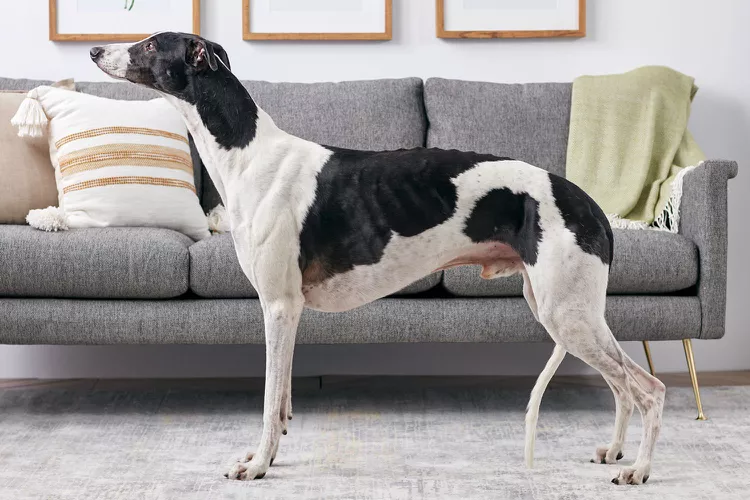
Greyhound: Dog Breed Characteristics & Care
Learn about the greyhound, the fastest dog breed in the world. They're also a loyal companion that's non-aggressive and good with children.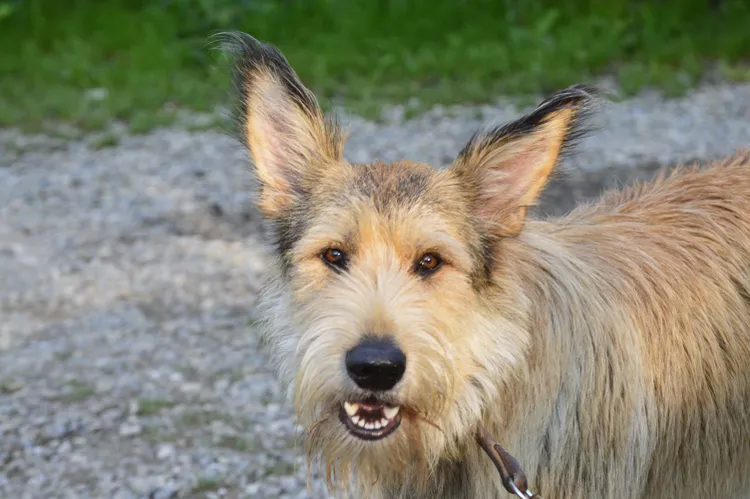
Berger Picard: Dog Breed Characteristics & Care
The Berger Picard is a French herding dog with a friendly smile and shaggy beard. Learn about its history, health, exercise needs, and more.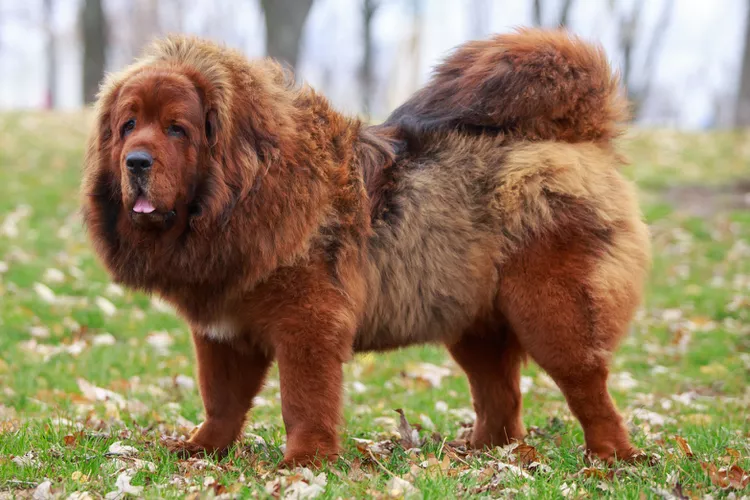
Tibetan Mastiff: Dog Breed Characteristics & Care
Learn about the Tibetan mastiff, an ancient guardian dog breed. This breed is known for their massive stature, flowing mane, and protective personality.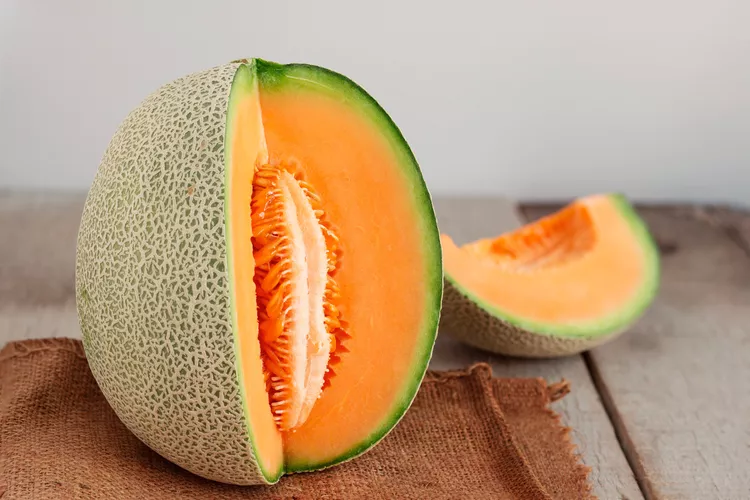
Can Dogs Eat Cantaloupe?
Find out if dogs can eat cantaloupe and if it's healthy. Learn how to feed dogs cantaloupe safely and what to watch out for.
Are Bones Safe for Dogs?
Are bones safe for dogs? Find out if it's really safe to give bones to dogs. Learn about the dangers of feeding bones to your dog.
Can Dogs Eat Kale?
Kale is rich in nutrients, but because it contains compounds that can harm dogs, veterinarians caution against making it a regular part of their diet.
Here’s How to Stop Your Dog from Jumping on You When Excited
Although it can be cute the first few times your dog jumps on you, it can quickly turn into a bad habit, especially if your pooch starts jumping on strangers. Here’s how to stop your dog from jumping on you when excited.
How to Stop Sudden Aggression in a Dog
It's not normal for a friendly dog to suddenly become aggressive. Sudden behavior changes may indicate a health problem and should not be ignored.
Different Meanings of a Dog's Wagging Tail
A dog wagging his tail is a common sight, but it may mean more than you think. Find out why dogs wag their tails and what canine tail wagging means.
Why Do Dogs Lick Other Dogs' Pee?
Sometimes a dog will lick another dog's urine. Find out why dogs lick other dogs' pee and learn how to stop it.
How to Stop Your Dog From Barking Excessively
All dogs bark, but excessive barking is a behavior problem. Learn how to help stop excessive barking and prevent it from happening all the time.