Some dogs will eat just about everything, and most crave the tasty human foods that we enjoy. You may be tempted to offer your dog a treat from your plate after looking into those puppy-dog eyes. Can dogs eat grapes? The simple answer is no; grapes and raisins are toxic to dogs and should never be fed. Fortunately, there are other human foods that dogs can safely eat, such as apples and carrots. If your dog has eaten grapes or raisins, seek immediate veterinary medical attention.
Dogs and puppies should never be allowed to eat grapes, raisins, sultanas, or currants. Unfortunately, these fruits of the species Vitis vinifera may cause serious and irreversible kidney damage that can lead to death. They also may cause neurological dysfunction related to the forebrain, cerebellum, or vestibular system. All varieties of grapes and their dried counterparts are considered toxic and should not be fed to dogs.
Researchers have still not determined the mechanism of toxicity from grapes, nor is the exact toxic dosage known. There may be more than one toxic element involved, especially since the neurological effects do not appear to be related to kidney disease. Many theories exist as to the toxic component, including mycotoxins, heavy metals or pesticides, tannin intolerance, excess vitamin D, or excess monosaccharides. One theory points to a chemical in grapes called tartaric acid after a correlation was made to a case of homemade playdough toxicity in a dog.
As few as four or five grapes may be toxic to an 18-pound dog. The lowest published dose of grapes known to cause kidney damage is 19.6 g/kg body weight. For raisins, the lowest known dose is 2.8 g/kg.
Sensitivity to the fruits of Vitis vinifera may depend on the particular dog. Because the exact toxic dose is unknown, treatment is necessary if a dog ingests any number of grapes, raisins, sultanas, or currants.
Even one or two grapes or raisins may be toxic to a dog. Contact your vet immediately if your dog has eaten a grape or raisin. Do not wait.
The signs of grape toxicity generally appear within 24 to 48 hours of ingestion and are much like the signs of kidney disease in dogs. Vomiting is typically the earliest sign and may be accompanied or followed by lethargy, loss of appetite, diarrhea, and abdominal pain. Urine production may decrease or even cease due to damage to the kidneys. Some dogs will experience increased thirst. Dogs may also exhibit neurological signs such as weakness, ataxia (drunken gait), head tilt, tremors, or seizures.
Without treatment, signs of grape toxicity may continue for days to weeks. These signs will likely worsen over time and may eventually lead to death.
Contact a veterinarian immediately if your dog has eaten grapes or raisins as this is a potential emergency situation. The veterinarian may advise you to induce vomiting at home depending on the time and quantity of ingestion. Never induce vomiting in a dog without being directed to do so by a veterinarian.
When you arrive at the vet's office, the medical team may induce vomiting or perform gastric lavage (pump the stomach) if you have not already induced vomiting at home. This will only be done if the grapes were ingested within about two hours. Next, the dog may be given activated charcoal to absorb toxins in the digestive tract.
Continued treatment involves aggressive supportive care to slow or reverse kidney damage. Blood and urine tests will be performed to evaluate kidney function and electrolyte balance. These tests will need to be repeated throughout treatment. Dogs are typically hospitalized and administered intravenous fluids containing a balanced electrolyte solution. Medications are given to address vomiting, diarrhea, and pain. An abdominal ultrasound may be necessary to visualize the kidneys. Dogs may need to be hospitalized for several days depending on the signs and the severity of kidney disease. Sadly, not all dogs will survive grape toxicity. Some survivors end up with long-term kidney damage that requires lifelong treatment.
The chances of recovery are better for dogs who receive treatment early. If your dog has eaten grapes, raisins, sultanas, or currants seek veterinary medical attention immediately; do not delay. You can prevent grape toxicity by keeping these and all harmful foods out of reach of your dog. Do not feed human food that may contain grapes, raisins, sultanas, or currants.
Legg-Calve-Perthes Disease in Dogs
Legg-Calve-Perthes is a congenital disorder affecting the hip joints of dogs—particularly small breeds. Learn the causes, treatment, and prevention.
Bloat in Dogs
Bloat, or gastric dilation volvulus (GDV), is an emergency that generally affects large breed dogs. Learn the causes, treatment, and prevention.
Anemia in Dogs
Anemia is a low red blood cell count. In dogs, it can indicate various problems—some of them serious. Learn the causes, treatment, and prevention.
Ear Yeast Infections in Dogs
Ear yeast infections in dogs are common, uncomfortable, smell bad, and dangerous if untreated. Learn the causes, treatment, and prevention.
Neutering Your Dog Explained
What does it mean to neuter a dog? Learn about neutering or castration in dogs and why it is done. Find out what to expect when your dog is neutered.
Pyoderma in Dogs
Pyoderma is a skin infection commonly seen in puppies that may indicate a compromised immune system. Learn the causes, treatment, and prevention.
Dog Hiccups: How to Get Rid of Them
Dog hiccups in dogs are a fleeting nuisance in most cases, but sometimes they can mean something more. Learn what to watch for and find out how to get rid of dog hiccups.
5 Common Foods In Your Pantry That Are Not Safe For Your Pets
One potato chip is not going to hurt your pet, but there are other foods that can. Learn which to avoid and some safe foods that can be used as treats.
American Staffordshire Terrier: Breed Characteristics & Care
The American Staffordshire terrier is a type of pit bull with a friendly nature. Learn about the Am Staff's history, training, health, and more.
Greyhound: Dog Breed Characteristics & Care
Learn about the greyhound, the fastest dog breed in the world. They're also a loyal companion that's non-aggressive and good with children.
Berger Picard: Dog Breed Characteristics & Care
The Berger Picard is a French herding dog with a friendly smile and shaggy beard. Learn about its history, health, exercise needs, and more.
Tibetan Mastiff: Dog Breed Characteristics & Care
Learn about the Tibetan mastiff, an ancient guardian dog breed. This breed is known for their massive stature, flowing mane, and protective personality.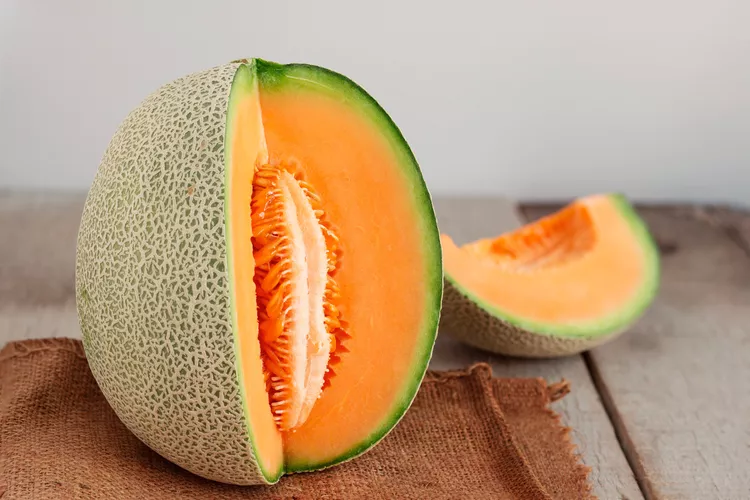
Can Dogs Eat Cantaloupe?
Find out if dogs can eat cantaloupe and if it's healthy. Learn how to feed dogs cantaloupe safely and what to watch out for.
Are Bones Safe for Dogs?
Are bones safe for dogs? Find out if it's really safe to give bones to dogs. Learn about the dangers of feeding bones to your dog.
Can Dogs Eat Kale?
Kale is rich in nutrients, but because it contains compounds that can harm dogs, veterinarians caution against making it a regular part of their diet.
Here’s How to Stop Your Dog from Jumping on You When Excited
Although it can be cute the first few times your dog jumps on you, it can quickly turn into a bad habit, especially if your pooch starts jumping on strangers. Here’s how to stop your dog from jumping on you when excited.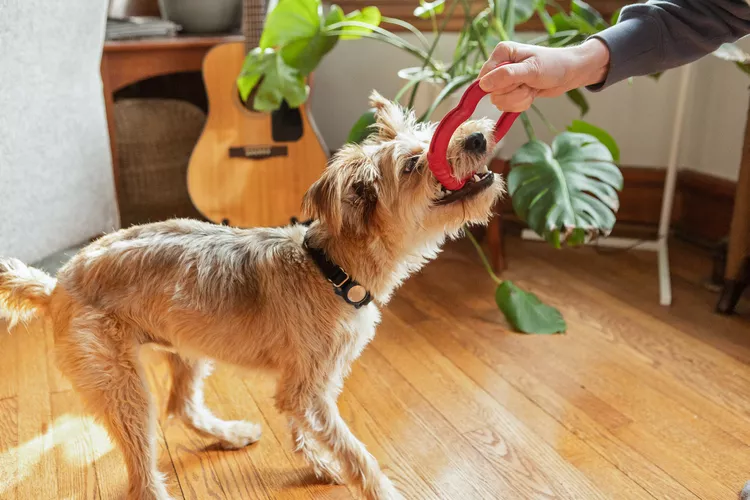
How to Stop Sudden Aggression in a Dog
It's not normal for a friendly dog to suddenly become aggressive. Sudden behavior changes may indicate a health problem and should not be ignored.
Different Meanings of a Dog's Wagging Tail
A dog wagging his tail is a common sight, but it may mean more than you think. Find out why dogs wag their tails and what canine tail wagging means.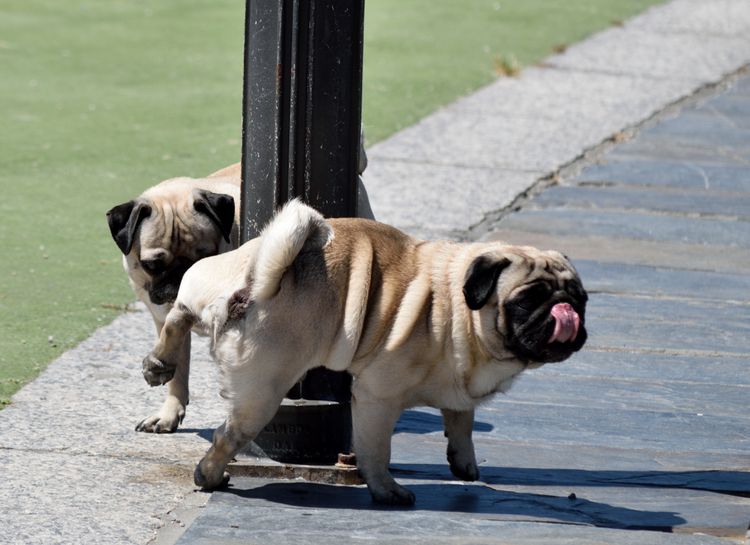
Why Do Dogs Lick Other Dogs' Pee?
Sometimes a dog will lick another dog's urine. Find out why dogs lick other dogs' pee and learn how to stop it.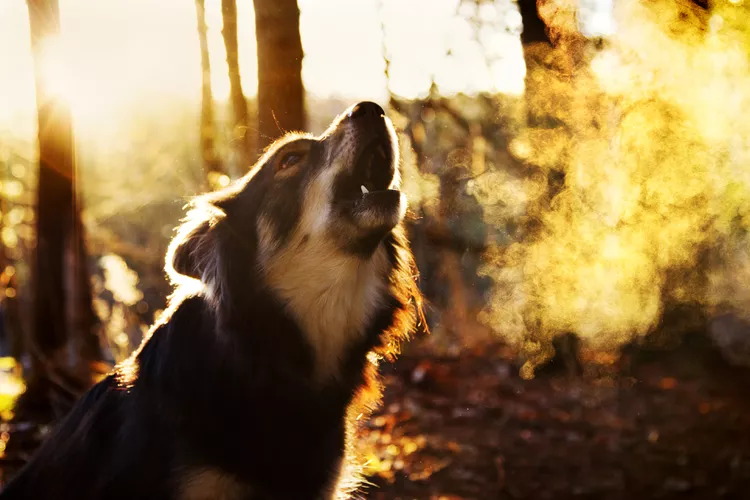
How to Stop Your Dog From Barking Excessively
All dogs bark, but excessive barking is a behavior problem. Learn how to help stop excessive barking and prevent it from happening all the time.