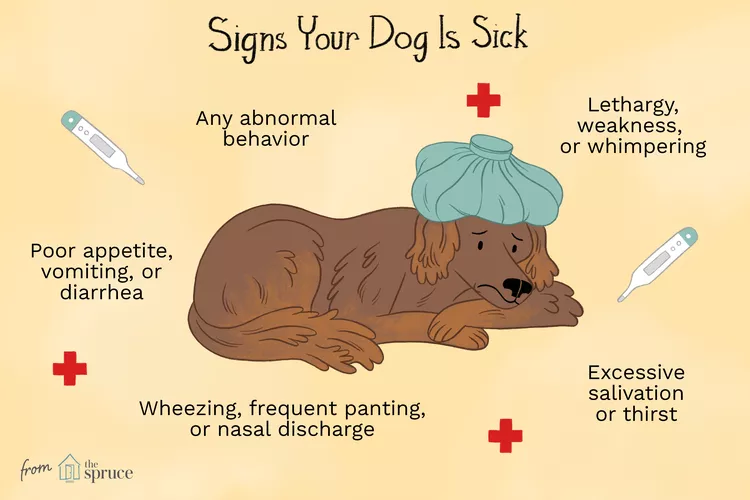
The signs your dog is sick may be subtle or vague at first, making them easy to miss. Since your dog can't tell you how they feel in words, you'll need to rely on the signs they show. Here's how to tell if your dog is sick and when it's time to see a veterinarian.
Contact your veterinarian for advice if you notice any of the following signs, particularly if they last for more than a day or two:
You should contact your veterinarian if you notice any signs that you deem abnormal for your dog. It's better to be cautious than to wait. In some cases, your vet may be able to tell you over the phone if something does not need to be addressed right away. In other situations, your vet may advise you to make an appointment or to go to an emergency clinic, depending on the urgency. Above all, follow your vet's advice.
Immediately go to your veterinarian or an emergency clinic if your dog shows these or any other signs that cause concern:
Sometimes it's difficult to determine if a dog is sick or injured. Dogs often hide signs of illness when they first start to feel unwell. It is believed that they instinctively hide their illness as a form of self-protection (appearing weak would have made them vulnerable in the wild). Also, dogs do not seem to experience some of the emotional effects associated with illness the way humans do (fear of mortality, for example). So, they're more likely to act normally when they feel a little under the weather.
Our dogs cannot communicate with us in words, so we must rely on their actions and attitudes to guide us. You know your dog better than anyone else, so you may be the first to notice that something is wrong. On the other hand, family and friends who do not see your dog every day may notice subtle changes that you missed, such as gradual weight changes.
Body language clues are usually subtle, at least at first, but they can give us some information if we pay close attention. A dog in pain may hold their head down, sit in an unusual position, or walk abnormally. The stress of illness may cause dogs to exhibit appeasement gestures, such as yawning or lip-licking.
You may notice changes in the way your dog interacts with people, other pets, and toys. A sick dog may avoid social interaction or become easily agitated around others. They may stop playing with toys and lose interest in walks and other activities they once enjoyed. You may also notice they're less responsive to obedience cues than usual, and they may hide or avoid contact and/or affection as well.
Remember, it's always best to contact your veterinarian for advice if you think your dog is sick. Be sure to find the right veterinarian and establish a good relationship with that vet so you are more comfortable calling when something comes up.
Legg-Calve-Perthes Disease in Dogs
Legg-Calve-Perthes is a congenital disorder affecting the hip joints of dogs—particularly small breeds. Learn the causes, treatment, and prevention.
Bloat in Dogs
Bloat, or gastric dilation volvulus (GDV), is an emergency that generally affects large breed dogs. Learn the causes, treatment, and prevention.
Anemia in Dogs
Anemia is a low red blood cell count. In dogs, it can indicate various problems—some of them serious. Learn the causes, treatment, and prevention.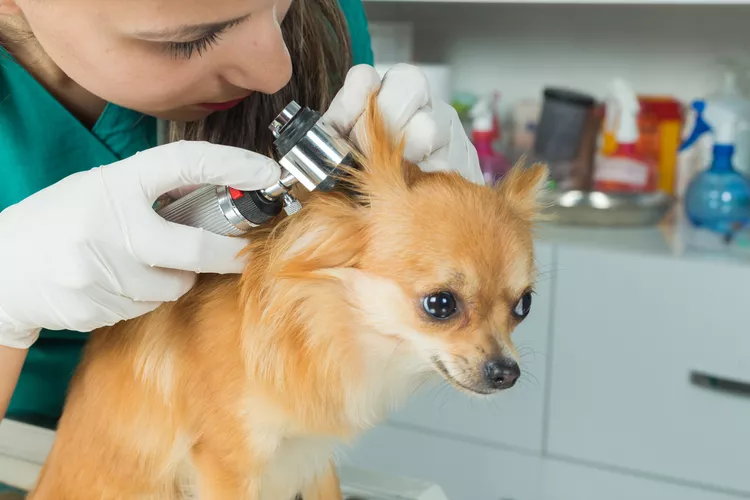
Ear Yeast Infections in Dogs
Ear yeast infections in dogs are common, uncomfortable, smell bad, and dangerous if untreated. Learn the causes, treatment, and prevention.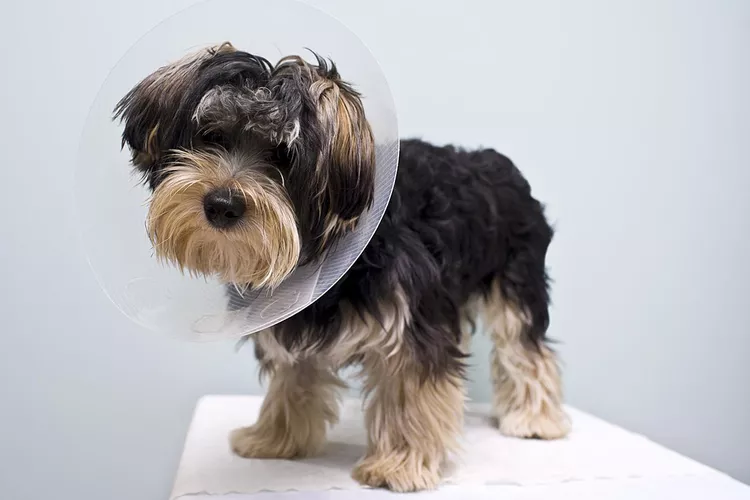
Neutering Your Dog Explained
What does it mean to neuter a dog? Learn about neutering or castration in dogs and why it is done. Find out what to expect when your dog is neutered.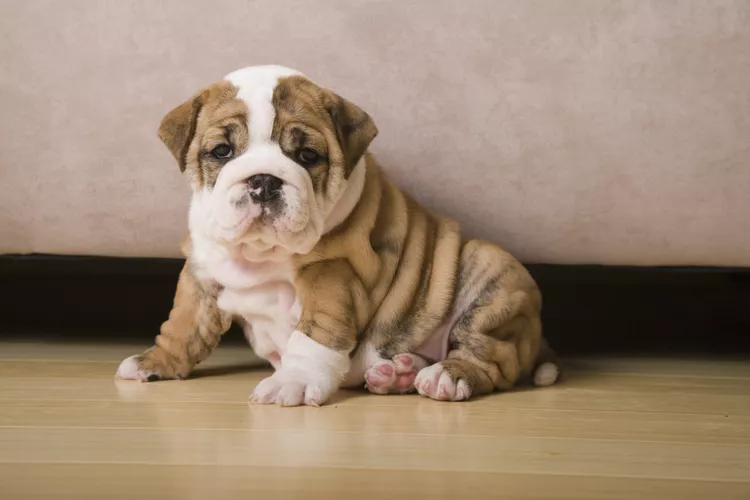
Pyoderma in Dogs
Pyoderma is a skin infection commonly seen in puppies that may indicate a compromised immune system. Learn the causes, treatment, and prevention.
Dog Hiccups: How to Get Rid of Them
Dog hiccups in dogs are a fleeting nuisance in most cases, but sometimes they can mean something more. Learn what to watch for and find out how to get rid of dog hiccups.
5 Common Foods In Your Pantry That Are Not Safe For Your Pets
One potato chip is not going to hurt your pet, but there are other foods that can. Learn which to avoid and some safe foods that can be used as treats.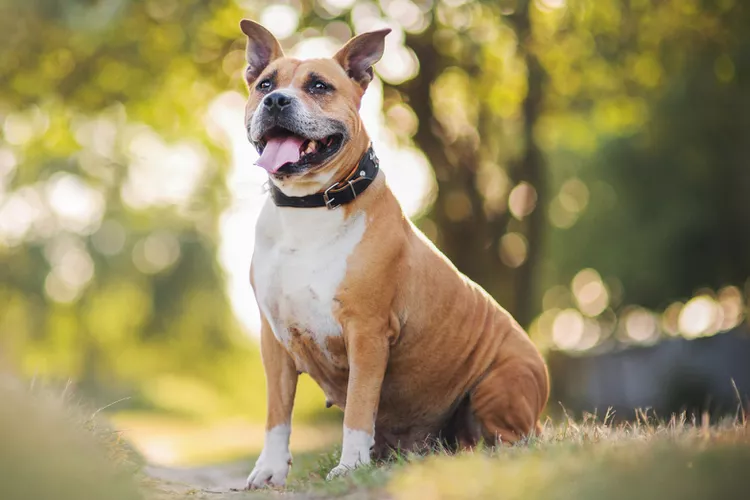
American Staffordshire Terrier: Breed Characteristics & Care
The American Staffordshire terrier is a type of pit bull with a friendly nature. Learn about the Am Staff's history, training, health, and more.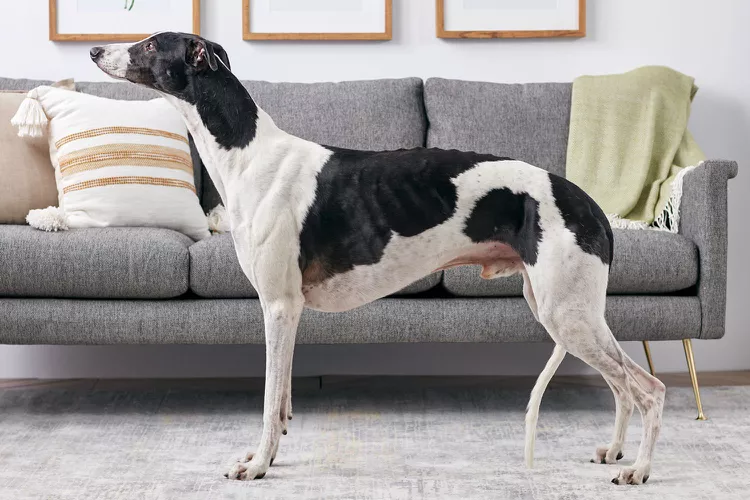
Greyhound: Dog Breed Characteristics & Care
Learn about the greyhound, the fastest dog breed in the world. They're also a loyal companion that's non-aggressive and good with children.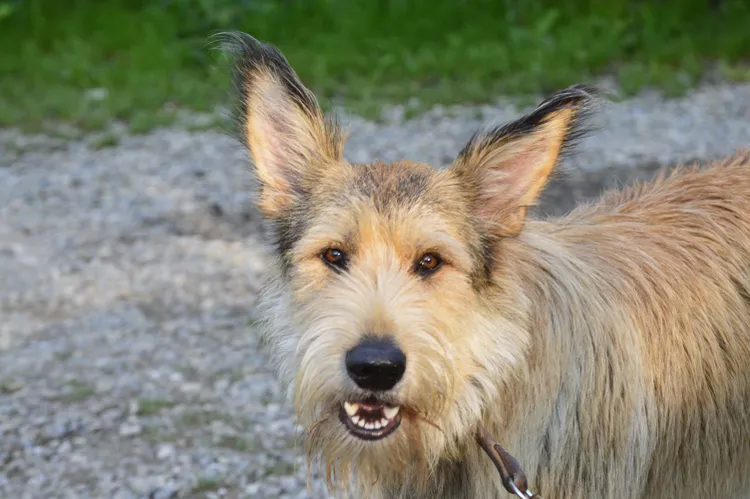
Berger Picard: Dog Breed Characteristics & Care
The Berger Picard is a French herding dog with a friendly smile and shaggy beard. Learn about its history, health, exercise needs, and more.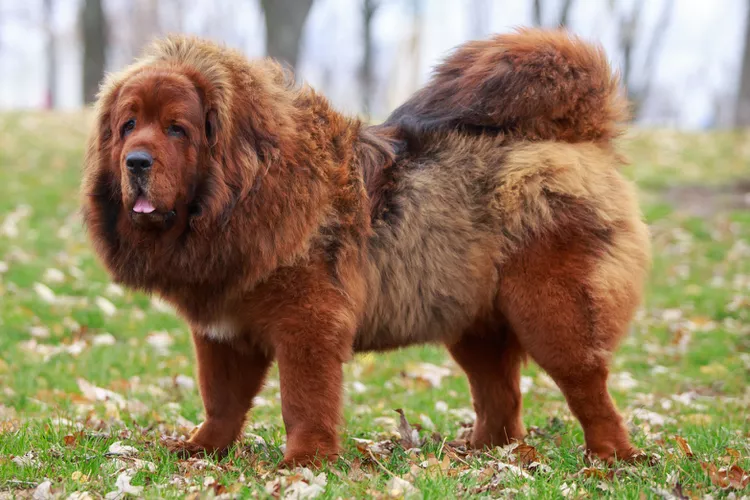
Tibetan Mastiff: Dog Breed Characteristics & Care
Learn about the Tibetan mastiff, an ancient guardian dog breed. This breed is known for their massive stature, flowing mane, and protective personality.
Can Dogs Eat Cantaloupe?
Find out if dogs can eat cantaloupe and if it's healthy. Learn how to feed dogs cantaloupe safely and what to watch out for.
Are Bones Safe for Dogs?
Are bones safe for dogs? Find out if it's really safe to give bones to dogs. Learn about the dangers of feeding bones to your dog.
Can Dogs Eat Kale?
Kale is rich in nutrients, but because it contains compounds that can harm dogs, veterinarians caution against making it a regular part of their diet.
Here’s How to Stop Your Dog from Jumping on You When Excited
Although it can be cute the first few times your dog jumps on you, it can quickly turn into a bad habit, especially if your pooch starts jumping on strangers. Here’s how to stop your dog from jumping on you when excited.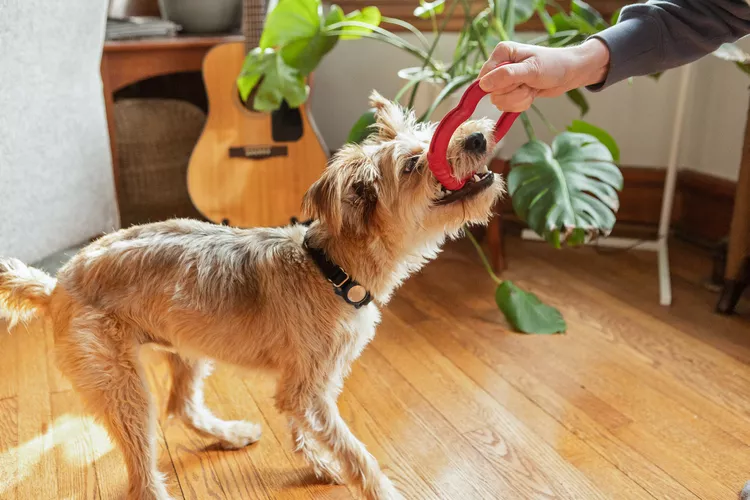
How to Stop Sudden Aggression in a Dog
It's not normal for a friendly dog to suddenly become aggressive. Sudden behavior changes may indicate a health problem and should not be ignored.
Different Meanings of a Dog's Wagging Tail
A dog wagging his tail is a common sight, but it may mean more than you think. Find out why dogs wag their tails and what canine tail wagging means.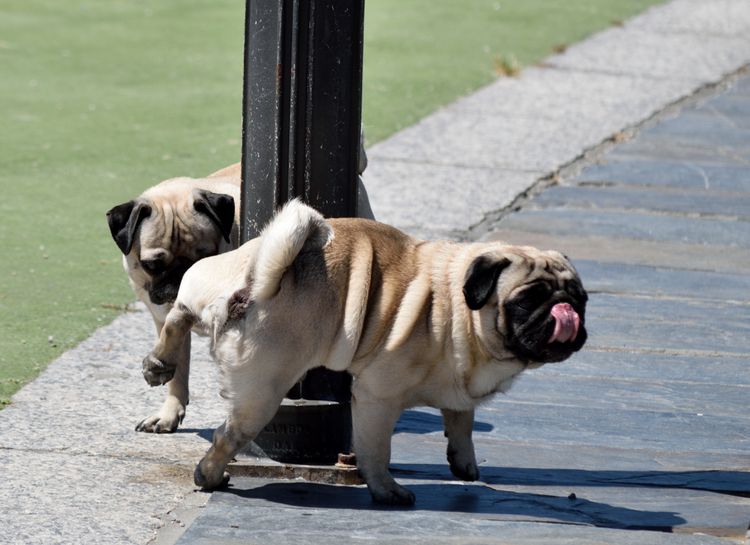
Why Do Dogs Lick Other Dogs' Pee?
Sometimes a dog will lick another dog's urine. Find out why dogs lick other dogs' pee and learn how to stop it.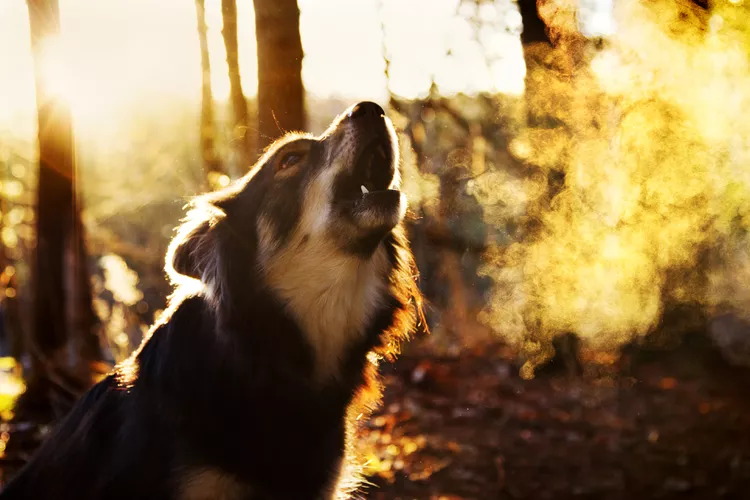
How to Stop Your Dog From Barking Excessively
All dogs bark, but excessive barking is a behavior problem. Learn how to help stop excessive barking and prevent it from happening all the time.