Many pet owners are regularly searching for alternatives to pharmaceuticals and insecticides, so more natural remedies like essential oils are commonly discussed. Peppermint oil is one such essential oil that is sometimes recommended for use in pets, specifically for killing fleas. Despite its popularity though, peppermint oil has very little scientific research for use in animals or for killing fleas and it can actually pose a major risk to your pet.
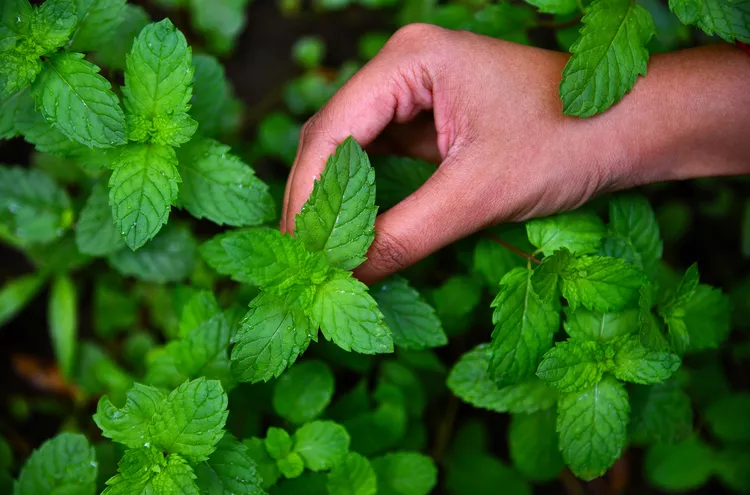
The peppermint plant, Mentha x piperita, is a cross between the spearmint and watermint plants. It is a fragrant, green-leafed plant that is very easy to grow. The taste of peppermint is often described as peppery, and it is widely used in foods, beverages, and for a variety of health purposes in people.
Peppermint oil is an essential oil that is obtained from the leaves of the peppermint plant. It is not the same as peppermint extract, however, since the oil is much more concentrated. This concentrated, fragrant oil contains special components of the peppermint plant that are called terpenes and flavonoids. Some of these components have shown to be beneficial to both people and pets, and are also found in many other plants. The specific terpenes and flavonoids that are found in peppermint oil include menthol (21.68%), menthone (31.76%), menthofuran (7.08%), eucalyptol (4%), linalool (2.59%), limonene (0.6%), and various others in lesser amounts.
Peppermint oil should never be fed or administered to pets by mouth, especially to cats. It can cause a variety of issues including vomiting, diarrhea, seizures, paralysis, and even kidney failure.
Peppermint oil is considered to be toxic to cats and may also cause problems for dogs. Despite this, some products designed for dogs contain peppermint extract or very small amounts of peppermint oil at safe levels. These products are typically used for flavoring or for gastrointestinal benefits and are based primarily on studies done in rats. Very little scientific research has been done on the safety of peppermint oil use in pets, so it is not typically recommended to be used, especially at high concentrations, due to the lack of available information.
According to the Pet Poison Hotline, cats are especially at risk for peppermint toxicity since they metabolize differently than dogs. Cats have been reported to experience drooling, vomiting, tremors and seizures, difficulty walking and breathing, stomach ulcers, low body temperature, low blood pressure, rear limb paralysis, skin irritation, and even liver and kidney failure depending, on how the oil was used. Dogs are potentially less sensitive to peppermint oil than cats, but large amounts of concentrated peppermint oil could still be dangerous for canines.
Peppermint oil has been shown to potentially be effective at killing or repelling a variety of insects including some mosquitoes, beetles, houseflies, midges, lice, cutworms, Argentine ants, whiteflies, aphids, and diamondback moths. Products containing peppermint oil alongside other essential oils have also shown some effectiveness in killing fleas, but it is not known whether it was the peppermint or the other essential oils in the product that caused it to work.
Since peppermint oil contains a small amount of linalool (2.59%) and limonene (0.6%) and these components have been shown to be effective in killing fleas, peppermint oil may kill fleas in large, concentrated amounts. This is not helpful to pets though, since large, concentrated amounts of peppermint oil can be toxic to them. A small, potentially safe amount of peppermint oil will not kill fleas and giving more peppermint oil to provide more of these components is dangerous to your pet. It is not worth the risk of poisoning your pet by using peppermint oil when other flea killing options exist that are much safer to use.
Peppermint oil has been used topically, orally, and diffused into the air. These methods of delivery all carry their own risks, so there is not one method that is necessarily safer than the other, especially to cats. Topical application can cause skin irritation and be absorbed into the body causing more serious issues; diffused oils can cause respiratory distress; and oral oils can result in organ failure, vomiting, diarrhea, and other issues.
Legg-Calve-Perthes Disease in Dogs
Legg-Calve-Perthes is a congenital disorder affecting the hip joints of dogs—particularly small breeds. Learn the causes, treatment, and prevention.
Bloat in Dogs
Bloat, or gastric dilation volvulus (GDV), is an emergency that generally affects large breed dogs. Learn the causes, treatment, and prevention.
Anemia in Dogs
Anemia is a low red blood cell count. In dogs, it can indicate various problems—some of them serious. Learn the causes, treatment, and prevention.
Ear Yeast Infections in Dogs
Ear yeast infections in dogs are common, uncomfortable, smell bad, and dangerous if untreated. Learn the causes, treatment, and prevention.
Neutering Your Dog Explained
What does it mean to neuter a dog? Learn about neutering or castration in dogs and why it is done. Find out what to expect when your dog is neutered.
Pyoderma in Dogs
Pyoderma is a skin infection commonly seen in puppies that may indicate a compromised immune system. Learn the causes, treatment, and prevention.
Dog Hiccups: How to Get Rid of Them
Dog hiccups in dogs are a fleeting nuisance in most cases, but sometimes they can mean something more. Learn what to watch for and find out how to get rid of dog hiccups.
5 Common Foods In Your Pantry That Are Not Safe For Your Pets
One potato chip is not going to hurt your pet, but there are other foods that can. Learn which to avoid and some safe foods that can be used as treats.
American Staffordshire Terrier: Breed Characteristics & Care
The American Staffordshire terrier is a type of pit bull with a friendly nature. Learn about the Am Staff's history, training, health, and more.
Greyhound: Dog Breed Characteristics & Care
Learn about the greyhound, the fastest dog breed in the world. They're also a loyal companion that's non-aggressive and good with children.
Berger Picard: Dog Breed Characteristics & Care
The Berger Picard is a French herding dog with a friendly smile and shaggy beard. Learn about its history, health, exercise needs, and more.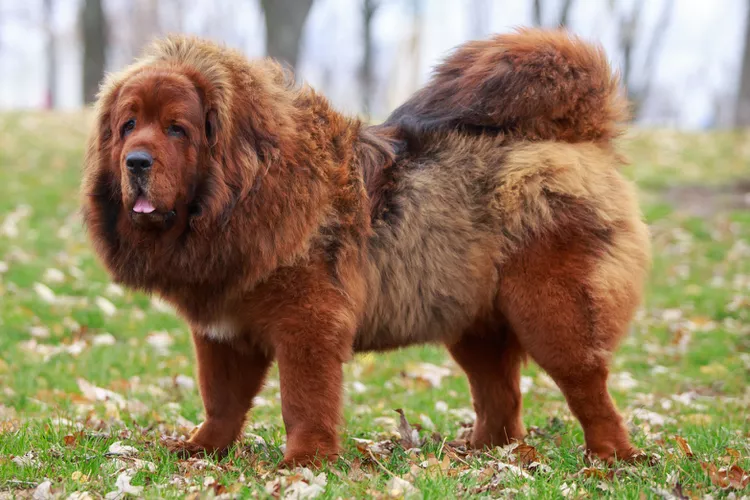
Tibetan Mastiff: Dog Breed Characteristics & Care
Learn about the Tibetan mastiff, an ancient guardian dog breed. This breed is known for their massive stature, flowing mane, and protective personality.
Can Dogs Eat Cantaloupe?
Find out if dogs can eat cantaloupe and if it's healthy. Learn how to feed dogs cantaloupe safely and what to watch out for.
Are Bones Safe for Dogs?
Are bones safe for dogs? Find out if it's really safe to give bones to dogs. Learn about the dangers of feeding bones to your dog.
Can Dogs Eat Kale?
Kale is rich in nutrients, but because it contains compounds that can harm dogs, veterinarians caution against making it a regular part of their diet.
Here’s How to Stop Your Dog from Jumping on You When Excited
Although it can be cute the first few times your dog jumps on you, it can quickly turn into a bad habit, especially if your pooch starts jumping on strangers. Here’s how to stop your dog from jumping on you when excited.
How to Stop Sudden Aggression in a Dog
It's not normal for a friendly dog to suddenly become aggressive. Sudden behavior changes may indicate a health problem and should not be ignored.
Different Meanings of a Dog's Wagging Tail
A dog wagging his tail is a common sight, but it may mean more than you think. Find out why dogs wag their tails and what canine tail wagging means.
Why Do Dogs Lick Other Dogs' Pee?
Sometimes a dog will lick another dog's urine. Find out why dogs lick other dogs' pee and learn how to stop it.
How to Stop Your Dog From Barking Excessively
All dogs bark, but excessive barking is a behavior problem. Learn how to help stop excessive barking and prevent it from happening all the time.