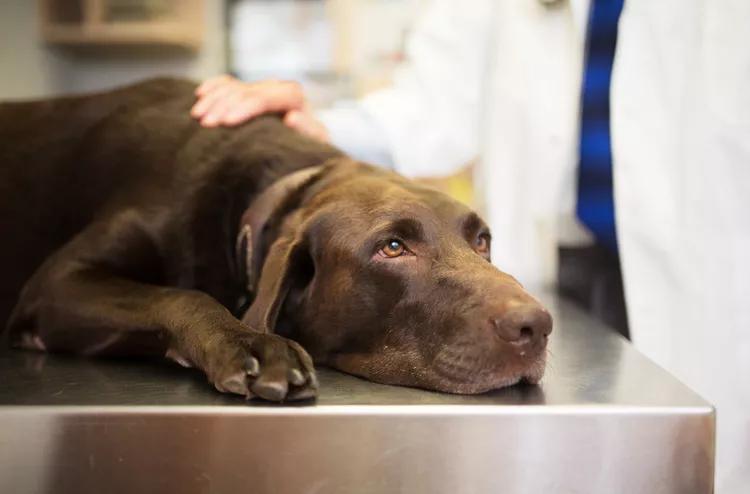
If your female dog is showing signs of pregnancy when she has not mated, you may be surprised to learn that this is actually a common occurrence in the canine world. False pregnancy in dogs presents with symptoms including nesting behavior, lactation, swelling of mammary glands, distended abdomen, and even signs like anxiety or loss of appetite. This condition mimics pregnancy in dogs that are not actually pregnant. There is no definite cause for false pregnancy, although it is common in intact (not spayed) dogs that have recently experienced a heat cycle and related to these hormonal changes that occur. When left untreated, false pregnancy usually resolves on its own within a few weeks, but veterinary care may be necessary in some cases that present severe symptoms.
False pregnancy (pseudopregnancy) is a common condition of the reproductive system that causes signs of pregnancy in dogs that have not been spayed and are not actually pregnant.
To understand canine false pregnancy, it's important to learn how the female dog's reproductive system works. The heat cycle of female dogs has four stages:
Female dogs naturally experience a hormonal state of pregnancy towards the end of the diestrus stage of the canine heat cycle. These changes prepare the body for pregnancy if she has mated. If she is not truly pregnant, the hormones should taper off within a week or two as the dog's body enters anestrus.
In some cases, the hormonal changes of diestrus can cause extreme symptoms or last too long. This is when false pregnancy occurs, as the female's body acts as if there is a real pregnancy when there is not.
False pregnancy in dogs closely mimics an actual pregnancy—and thus, the symptoms are very similar. While physical symptoms may be easier to notice, owners may also observe behavioral changes in female dogs during a false pregnancy. The following signs are common:
The mammary glands swell during a false pregnancy in the same way as during a true pregnancy. This is due to increased levels of hormones that do not decline normally.
As the mammary glands swell, lactation may begin. This can become uncomfortable for dogs. When milk production is excessive during a false pregnancy, your veterinarian may recommend treatments to reduce it. Do not touch or attempt to relieve milk from the glands; this can actually increase milk production and lead to further discomfort.
The abdomen may even appear distended as a result of false pregnancy. This is caused by fluid retention in the dog's body, which may make the dog appear to maintain its weight even during periods of minimal appetite.
Vomiting in dogs undergoing a false pregnancy is typically periodic. This may or may not lead to weight loss, and it's important for owners to prevent dehydration by ensuring the dog drinks plenty of water. Severe dehydration should be treated by a veterinarian with antibiotic fluids.
False pregnancy can cause female dogs to perform nesting behaviors similar to a true pregnancy. The dog may act as if she is about to whelp puppies (or as if she already has had puppies). She may begin attempting to "mother" inanimate objects during the nesting process.
Pregnancy—both true and false—can change a female dog's appetite. The dog may stop eating or eat significantly less. Your veterinarian may recommend fluid treatments and supplements to balance your dog's nutrients until the false pregnancy resolves.
Similar to changes in appetite, false pregnancy can cause behavioral changes that include anxiety. This may be accompanied by restlessness or lethargy, and owners may even notice aggression if guarding behaviors develop.
There is no specific known cause for false pregnancy in dogs, however, it is believed that this condition is related to the hormone production that occurs after a dog's heat cycle.
Contact your veterinarian if your female dog is showing signs of false pregnancy. Your vet will likely recommend that you bring the dog in for an exam to make sure she is not actually pregnant. Tests to confirm a canine pregnancy can be done around two to three weeks after conception, which may include bloodwork, X-rays, and ultrasounds. If you are not absolutely certain if your dog has mated, it's best to visit the vet about three weeks after the signs of estrus subside to determine whether pregnancy has occurred.
If your dog is not pregnant, your vet may recommend watching and waiting for a few weeks to see if the signs go away on their own. However, if the signs of false pregnancy are severe or prolonged, your vet may recommend various treatments. One option is the use of diuretics in an attempt to reduce the dog's milk production. Veterinarians may also administer a hormone treatment to slow milk production.
Tranquilizers may be recommended if behavioral changes are severe. Other hormones may be used to stop false pregnancy, but each case is unique. You and your veterinarian can work together to decide which treatments are best for your dog.
Thankfully, false pregnancy often resolves on its own within one to three weeks (even without treatment). Your veterinarian may need to intervene if signs persist or are extreme, but many dogs do not experience significant issues. If your dog does experience more severe symptoms, veterinary attention can help relieve anxiety or any discomfort until the condition has cleared up naturally.
Since there is no known cause for false pregnancy, owners of intact female dogs cannot prevent this condition from developing if the dog will be bred in the future. However, any dog that is not intended for breeding can have its chances of false pregnancy limited through surgery.
The only permanent method of preventing false pregnancy in dogs is an ovariohysterectomy, which is commonly known as a spay surgery. Ovariohysterectomy is generally recommended for female dogs not suitable for breeding. However, dogs should not be spayed during the false pregnancy, as it may prolong the symptoms of the condition for several weeks. When deciding if you should spay your dog, keep in mind that the surgery should wait until all symptoms of false pregnancy have resolved.
Legg-Calve-Perthes Disease in Dogs
Legg-Calve-Perthes is a congenital disorder affecting the hip joints of dogs—particularly small breeds. Learn the causes, treatment, and prevention.
Bloat in Dogs
Bloat, or gastric dilation volvulus (GDV), is an emergency that generally affects large breed dogs. Learn the causes, treatment, and prevention.
Anemia in Dogs
Anemia is a low red blood cell count. In dogs, it can indicate various problems—some of them serious. Learn the causes, treatment, and prevention.
Ear Yeast Infections in Dogs
Ear yeast infections in dogs are common, uncomfortable, smell bad, and dangerous if untreated. Learn the causes, treatment, and prevention.
Neutering Your Dog Explained
What does it mean to neuter a dog? Learn about neutering or castration in dogs and why it is done. Find out what to expect when your dog is neutered.
Pyoderma in Dogs
Pyoderma is a skin infection commonly seen in puppies that may indicate a compromised immune system. Learn the causes, treatment, and prevention.
Dog Hiccups: How to Get Rid of Them
Dog hiccups in dogs are a fleeting nuisance in most cases, but sometimes they can mean something more. Learn what to watch for and find out how to get rid of dog hiccups.
5 Common Foods In Your Pantry That Are Not Safe For Your Pets
One potato chip is not going to hurt your pet, but there are other foods that can. Learn which to avoid and some safe foods that can be used as treats.
American Staffordshire Terrier: Breed Characteristics & Care
The American Staffordshire terrier is a type of pit bull with a friendly nature. Learn about the Am Staff's history, training, health, and more.
Greyhound: Dog Breed Characteristics & Care
Learn about the greyhound, the fastest dog breed in the world. They're also a loyal companion that's non-aggressive and good with children.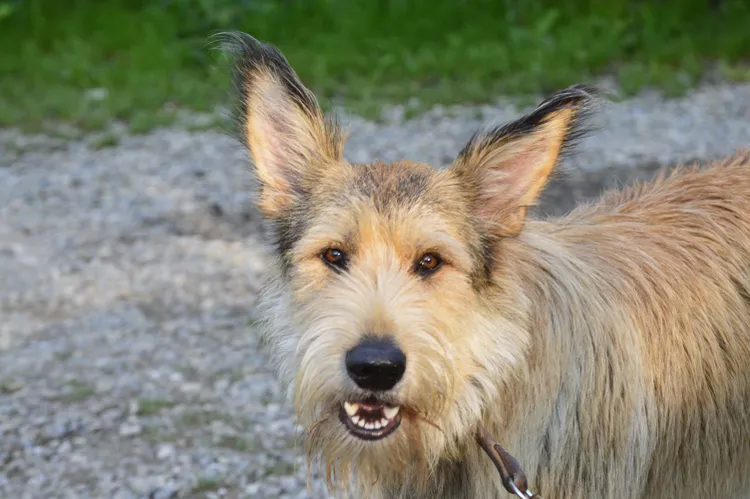
Berger Picard: Dog Breed Characteristics & Care
The Berger Picard is a French herding dog with a friendly smile and shaggy beard. Learn about its history, health, exercise needs, and more.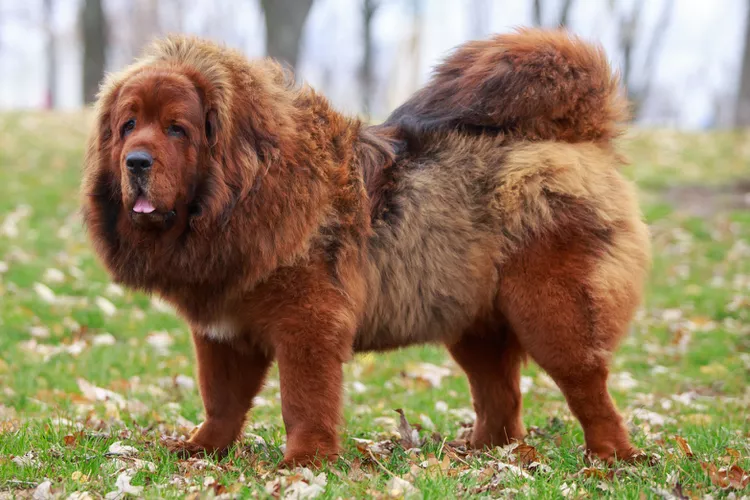
Tibetan Mastiff: Dog Breed Characteristics & Care
Learn about the Tibetan mastiff, an ancient guardian dog breed. This breed is known for their massive stature, flowing mane, and protective personality.
Can Dogs Eat Cantaloupe?
Find out if dogs can eat cantaloupe and if it's healthy. Learn how to feed dogs cantaloupe safely and what to watch out for.
Are Bones Safe for Dogs?
Are bones safe for dogs? Find out if it's really safe to give bones to dogs. Learn about the dangers of feeding bones to your dog.
Can Dogs Eat Kale?
Kale is rich in nutrients, but because it contains compounds that can harm dogs, veterinarians caution against making it a regular part of their diet.
Here’s How to Stop Your Dog from Jumping on You When Excited
Although it can be cute the first few times your dog jumps on you, it can quickly turn into a bad habit, especially if your pooch starts jumping on strangers. Here’s how to stop your dog from jumping on you when excited.
How to Stop Sudden Aggression in a Dog
It's not normal for a friendly dog to suddenly become aggressive. Sudden behavior changes may indicate a health problem and should not be ignored.
Different Meanings of a Dog's Wagging Tail
A dog wagging his tail is a common sight, but it may mean more than you think. Find out why dogs wag their tails and what canine tail wagging means.
Why Do Dogs Lick Other Dogs' Pee?
Sometimes a dog will lick another dog's urine. Find out why dogs lick other dogs' pee and learn how to stop it.
How to Stop Your Dog From Barking Excessively
All dogs bark, but excessive barking is a behavior problem. Learn how to help stop excessive barking and prevent it from happening all the time.