It's so difficult to say goodbye to a beloved pet. The care of your pet's remains after death is one of the last things you wish to think about while dealing with your grief. The sorrow you feel from losing a pet is difficult to bear. However, after the death of your pet, there is a decision you will need to make right away. The term "aftercare" refers to how you would like your pet's remains handled. As difficult as this may be to address, it is something you must do.
If your pet's body is at your veterinarian's office, they might be willing to hold the body for a day or two while you review your options. However, in some cases, there is not a way to store your dog or cat's body and a decision must be made right away. After the handling of your pet's remains, you may also wish to have a small funeral or memorial service to say goodbye to your dear companion. Here are common aftercare options for your pet's remains:
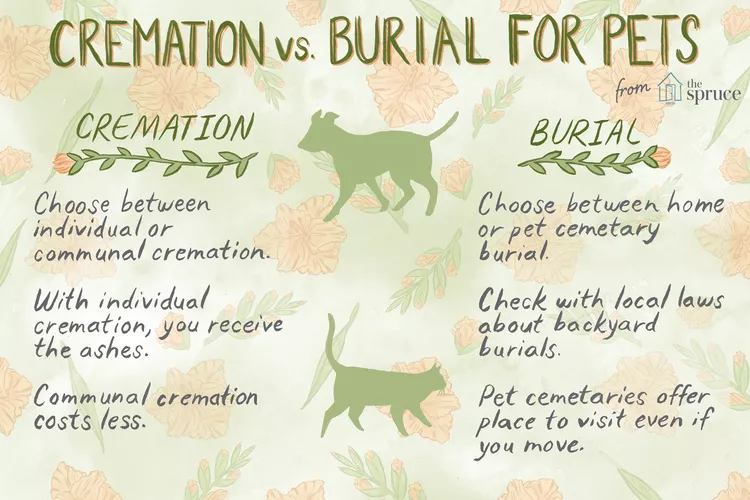
Cremation involves the incineration of the body in a specially-designed furnace, thus reducing the remains to ashes and tiny bone fragments or remains. Most veterinary offices have a professional relationship with one or more pet crematories and can help you make these arrangements.
By selecting this type of cremation, you will be able to have your pet's ashes returned to you. Choose a reputable company to ensure that you are receiving your pet's ashes (and not the ashes of one or more other pets). Some people wish to be present to view the cremation, while others do not. However, choosing a crematory that allows viewing might give you peace of mind that your pet is truly being cremated alone. The basic cost of private pet cremation averages from about $150 to $300, depending on the size of the pet and the costs in your region.
Typically, pet crematories will return the remains to you in a plastic bag that is inside a decorative tin or box. However, many offer a section of urns, ornamental boxes, and figurines at an additional cost. However, you may find an urn or memorial box for your pet elsewhere, such as online. Some crematories will even transfer the remains for you at no additional charge.
If you do not wish to receive your pet's ashes back, you might choose this option. Community cremation means your pet will be cremated along with other animals, so obtaining the remains is not an option. The typical cost is based on weight and can range from around $25 to $150.
If you do not like the idea of having your pet's body cremated or if you would prefer a grave site you can visit, then pet burial might be the best option for you.
If you wish to bury your pet on your own property, first make sure local laws allow it. Unfortunately, in some areas, the local government does not permit pet burial on personal property.
Before burial, be sure to remove the body from non-biodegradable materials (like plastic) before burial. The body can be placed in a wooden or cardboard casket. The grave should be at least 3 feet deep and in a location that is not likely to erode or be dug up again. You can mark the gravesite with a special headstone or plant a special tree or bush in that spot.
There are many companies that offer pet burial services in a pet cemetery. Some are even affiliated with pet crematories. This will allow you a specific place to visit your pet without the potential legal issues of home burial. In addition, if you move from your current home, you will not have to move your pet's remains or worry about leaving them behind. Pet burial services are able to offer a selection of headstones and other decorative touches for your pet's grave. Prices vary from a few hundred dollars up to several thousand, depending on the details.
To find a pet crematory or pet burial service in your area, visit the International Association Of Pet Cemeteries & Crematories or talk to your veterinarian's office.
When your pet dies, you may wish to collect a lock of hair and/or make a paw print keepsake with ink or clay. Some vet offices and pet crematories offer this service. The keepsake can be framed along with a photo of your pet so you can treasure the memories.
There are many online companies that offer special ways to memorialize your pet. Some involve the use of a lock of fur or a small amount of the remains. Others personalize a decorative item using the pet's picture. These memorials include decorative stones, paperweights, ornaments, jewelry and much more. Here are just of few of the many options available:
Legg-Calve-Perthes Disease in Dogs
Legg-Calve-Perthes is a congenital disorder affecting the hip joints of dogs—particularly small breeds. Learn the causes, treatment, and prevention.
Bloat in Dogs
Bloat, or gastric dilation volvulus (GDV), is an emergency that generally affects large breed dogs. Learn the causes, treatment, and prevention.
Anemia in Dogs
Anemia is a low red blood cell count. In dogs, it can indicate various problems—some of them serious. Learn the causes, treatment, and prevention.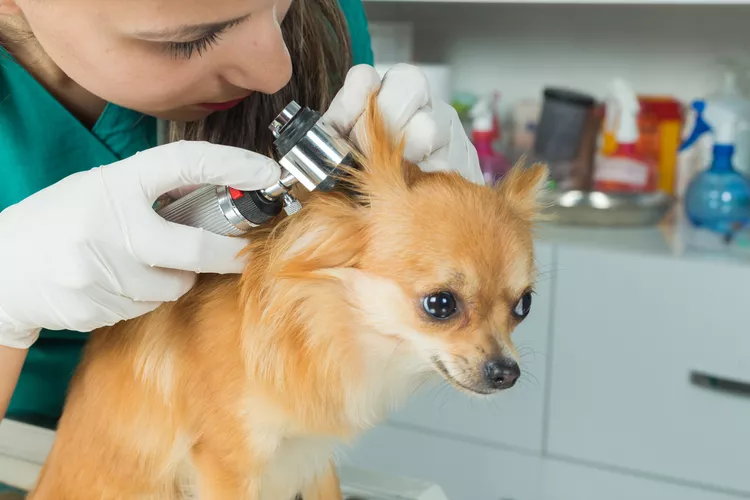
Ear Yeast Infections in Dogs
Ear yeast infections in dogs are common, uncomfortable, smell bad, and dangerous if untreated. Learn the causes, treatment, and prevention.
Neutering Your Dog Explained
What does it mean to neuter a dog? Learn about neutering or castration in dogs and why it is done. Find out what to expect when your dog is neutered.
Pyoderma in Dogs
Pyoderma is a skin infection commonly seen in puppies that may indicate a compromised immune system. Learn the causes, treatment, and prevention.
Dog Hiccups: How to Get Rid of Them
Dog hiccups in dogs are a fleeting nuisance in most cases, but sometimes they can mean something more. Learn what to watch for and find out how to get rid of dog hiccups.
5 Common Foods In Your Pantry That Are Not Safe For Your Pets
One potato chip is not going to hurt your pet, but there are other foods that can. Learn which to avoid and some safe foods that can be used as treats.
American Staffordshire Terrier: Breed Characteristics & Care
The American Staffordshire terrier is a type of pit bull with a friendly nature. Learn about the Am Staff's history, training, health, and more.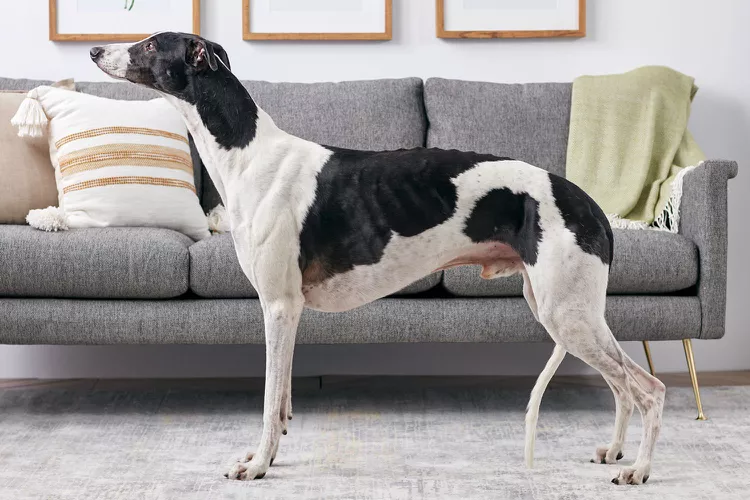
Greyhound: Dog Breed Characteristics & Care
Learn about the greyhound, the fastest dog breed in the world. They're also a loyal companion that's non-aggressive and good with children.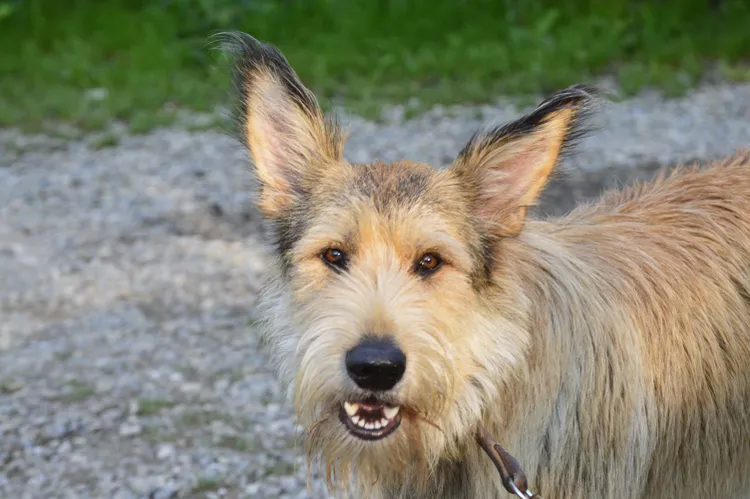
Berger Picard: Dog Breed Characteristics & Care
The Berger Picard is a French herding dog with a friendly smile and shaggy beard. Learn about its history, health, exercise needs, and more.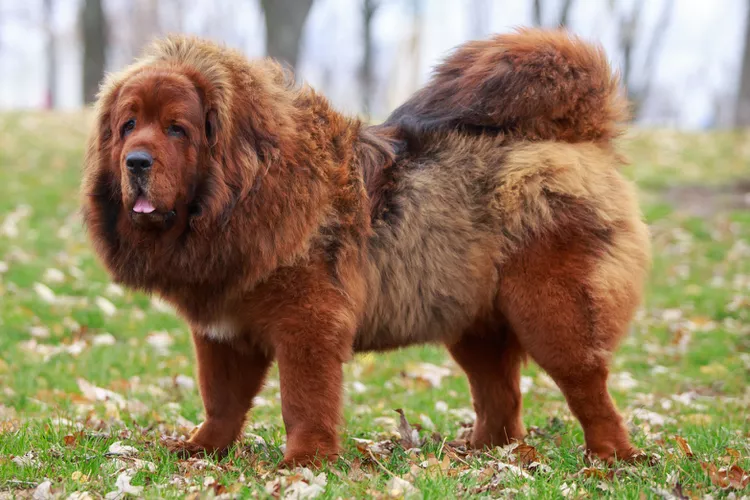
Tibetan Mastiff: Dog Breed Characteristics & Care
Learn about the Tibetan mastiff, an ancient guardian dog breed. This breed is known for their massive stature, flowing mane, and protective personality.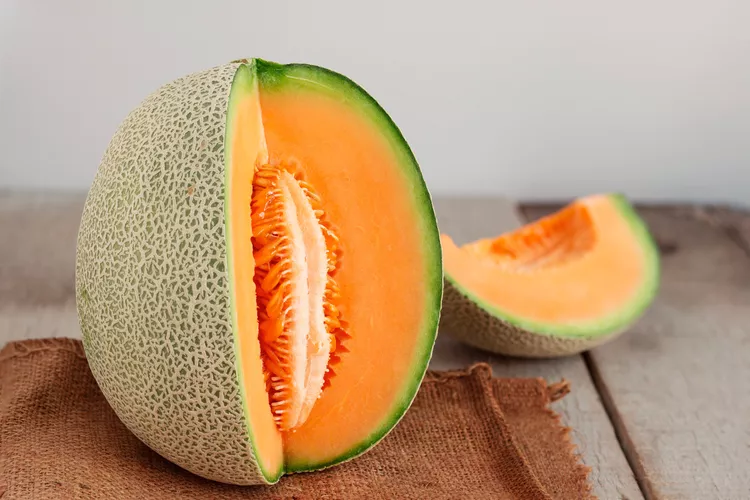
Can Dogs Eat Cantaloupe?
Find out if dogs can eat cantaloupe and if it's healthy. Learn how to feed dogs cantaloupe safely and what to watch out for.
Are Bones Safe for Dogs?
Are bones safe for dogs? Find out if it's really safe to give bones to dogs. Learn about the dangers of feeding bones to your dog.
Can Dogs Eat Kale?
Kale is rich in nutrients, but because it contains compounds that can harm dogs, veterinarians caution against making it a regular part of their diet.
Here’s How to Stop Your Dog from Jumping on You When Excited
Although it can be cute the first few times your dog jumps on you, it can quickly turn into a bad habit, especially if your pooch starts jumping on strangers. Here’s how to stop your dog from jumping on you when excited.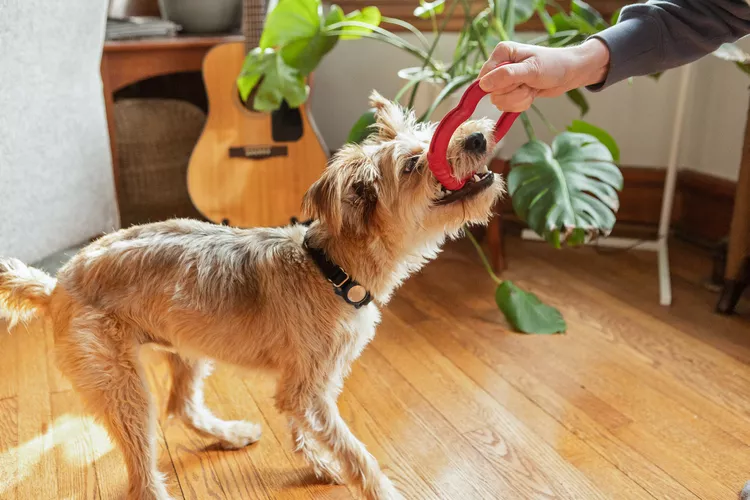
How to Stop Sudden Aggression in a Dog
It's not normal for a friendly dog to suddenly become aggressive. Sudden behavior changes may indicate a health problem and should not be ignored.
Different Meanings of a Dog's Wagging Tail
A dog wagging his tail is a common sight, but it may mean more than you think. Find out why dogs wag their tails and what canine tail wagging means.
Why Do Dogs Lick Other Dogs' Pee?
Sometimes a dog will lick another dog's urine. Find out why dogs lick other dogs' pee and learn how to stop it.
How to Stop Your Dog From Barking Excessively
All dogs bark, but excessive barking is a behavior problem. Learn how to help stop excessive barking and prevent it from happening all the time.