Acid reflux happens when a dog's stomach contents push upward into the esophagus. This problem can happen to any dog and is commonly recognized by excessive lip licking, burping, or vomiting. Knowing what to watch for and how to identify potential causes of this issue can help you and your veterinarian pursue an appropriate treatment for your dog. Some causes of acid reflux are more serious than others and may require surgical intervention. If left untreated, this condition can cause great discomfort and progressive inflammation of a dog's esophagus. Luckily, prompt treatment can usually fix acid reflux for good.
Acid reflux (also known as gastroesophageal reflux) is a condition in which the contents of a dog's stomach move in the wrong direction, entering the esophagus. This happens when the sphincter leading from the esophagus to the stomach opens and allows a reverse flow of gastrointestinal contents, which can be food or simply yellow bile. This up-welling of stomach contents irritates the esophagus (a condition called esophagitis) and stimulates the dog to lick its lips, belch, or even vomit.
Some dogs with acid reflux will not act as if they feel unwell until they vomit or regurgitate their food right after eating. However, several symptoms may indicate a dog's discomfort. Watching for signs of esophageal irritation can help you determine if acid reflux is troubling your canine companion.
A common sign of acid reflux in dogs is the vomiting of bile or regurgitation of undigested food shortly after being consumed. Bile is a yellow substance that is present in an empty stomach. It usually passes through the stomach and into the intestines. But, if a dog has acid reflux, bile may come up the esophagus and out of the dog's mouth. Regurgitation of food can occur for other reasons, but some dogs with acid reflux will experience a reversal of the flow of stomach contents shortly after eating due to increased pressure on the muscle separating the stomach and esophagus. This causes the food to be spit back up or regurgitated. If regurgitation occurs repeatedly, and a dog doesn't get the needed calories and nutrients from its food, it may lose weight.
Not all dogs with gastric reflux will vomit or regurgitate. Some dogs will have much more subtle symptoms due to the irritating presence of bile in the esophagus. These symptoms may include lip licking, teeth grinding, restlessness, and anxiety—particularly at night when the dog tries to lie down and sleep.
Acid reflux can affect any dog and may be caused by either a chronic condition or anatomic defect, or it can happen while under anesthesia for a medical procedure. It's important to track down the cause of the reflux to determine the appropriate solution. Some conditions may be easier to fix than others.
Sometimes dogs will develop long-term vomiting from medications or a disease process. This can lead to acid reflux and the ensuing irritation of the esophagus.
When a dog receives anesthetic drugs, the gastroesophageal sphincter that normally prevents the stomach contents from going back up the esophagus relaxes. If a dog is positioned so that its head is below the stomach when it is under anesthesia, stomach contents may leak out of the stomach and into the esophagus.
Also known as a diaphragmatic hernia, this defect may increase the risk of developing acid reflux. Hiatal hernias occur when there is an opening in the diaphragm, allowing part of the stomach, intestines, or liver to enter the chest cavity. Due to the abnormal positioning of the stomach, acid reflux is likely. A large hiatal hernia can often be seen on an X-ray, but small hernias may be harder to see.
It can be difficult to diagnose acid reflux since it isn't visible from the outside. A physical examination by a veterinarian doesn't usually find any abnormalities that would point to a diagnosis of acid reflux. As the owner, you will be more likely to spot signs of reflux and recognize whether they subside or continue and progress. Watch for your dog vomiting bile or regurgitating food, refusing food, exhibiting pain or extra effort when swallowing, or losing weight. These cues will aid a veterinarian in diagnosing acid reflux. If a dog experiences acid reflux while under anesthesia at the animal hospital, your veterinarian may see it first hand.
Once acid reflux is suspected, endoscopy is the diagnostic tool of choice. This involves anesthetizing the dog and inserting an endoscope into its esophagus so that a camera can show the veterinarian what the lining of the esophagus looks like. Inflammation and redness are signs that acid reflux has been occurring regularly.
Medications and dietary restrictions are necessary to manage acid reflux. Food is often restricted for a day or two, and then low-fat and low-protein food is fed in small, frequent intervals throughout the day. If your dog's reflux is caused by a hiatal hernia, then surgery may also be required. Except for surgery, treatment is usually managed by the dog owner at home.
If left untreated, acid reflux and chronic vomiting of bile can lead to inflammation of the esophagus (esophagitis). This can cause pain while swallowing, unwillingness to eat, and weight loss. If properly treated with dietary restriction and medications or surgery, if necessary, the reflux will decrease markedly and the dog's esophagus will heal.
You can help reduce your pups acid reflux by keeping them on a low-fat, soft food diet. This diet will ensure their digestive enzymes won't have to work as hard to digest their food. Smaller, more frequent meals can also help reduce pressure on their gastrointestinal system .
Legg-Calve-Perthes Disease in Dogs
Legg-Calve-Perthes is a congenital disorder affecting the hip joints of dogs—particularly small breeds. Learn the causes, treatment, and prevention.
Bloat in Dogs
Bloat, or gastric dilation volvulus (GDV), is an emergency that generally affects large breed dogs. Learn the causes, treatment, and prevention.
Anemia in Dogs
Anemia is a low red blood cell count. In dogs, it can indicate various problems—some of them serious. Learn the causes, treatment, and prevention.
Ear Yeast Infections in Dogs
Ear yeast infections in dogs are common, uncomfortable, smell bad, and dangerous if untreated. Learn the causes, treatment, and prevention.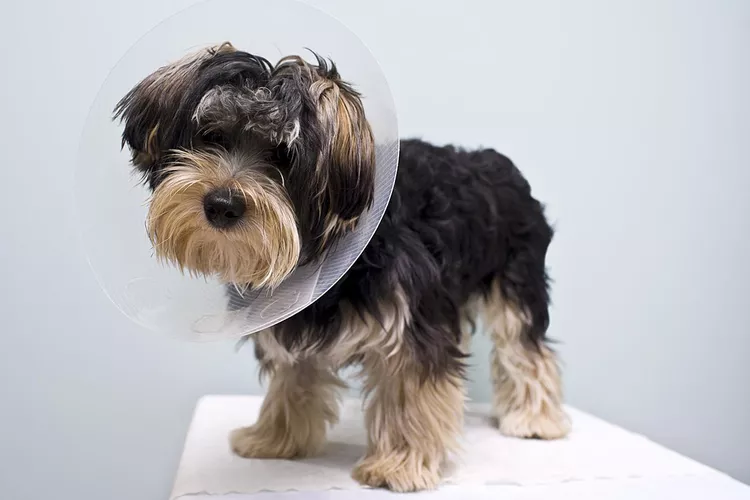
Neutering Your Dog Explained
What does it mean to neuter a dog? Learn about neutering or castration in dogs and why it is done. Find out what to expect when your dog is neutered.
Pyoderma in Dogs
Pyoderma is a skin infection commonly seen in puppies that may indicate a compromised immune system. Learn the causes, treatment, and prevention.
Dog Hiccups: How to Get Rid of Them
Dog hiccups in dogs are a fleeting nuisance in most cases, but sometimes they can mean something more. Learn what to watch for and find out how to get rid of dog hiccups.
5 Common Foods In Your Pantry That Are Not Safe For Your Pets
One potato chip is not going to hurt your pet, but there are other foods that can. Learn which to avoid and some safe foods that can be used as treats.
American Staffordshire Terrier: Breed Characteristics & Care
The American Staffordshire terrier is a type of pit bull with a friendly nature. Learn about the Am Staff's history, training, health, and more.
Greyhound: Dog Breed Characteristics & Care
Learn about the greyhound, the fastest dog breed in the world. They're also a loyal companion that's non-aggressive and good with children.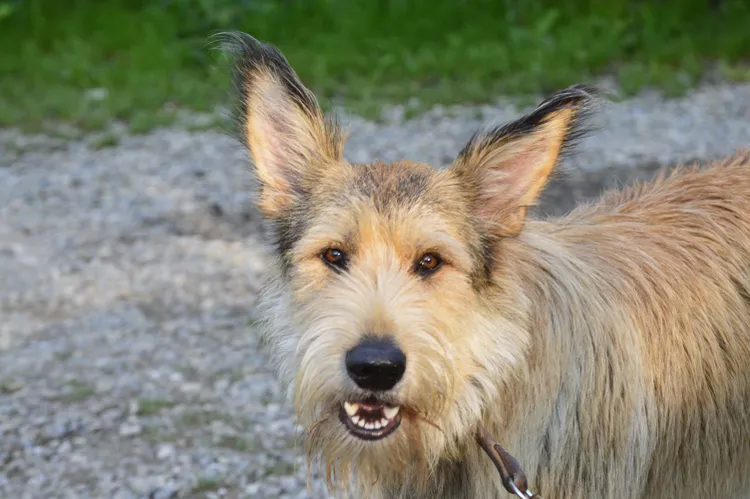
Berger Picard: Dog Breed Characteristics & Care
The Berger Picard is a French herding dog with a friendly smile and shaggy beard. Learn about its history, health, exercise needs, and more.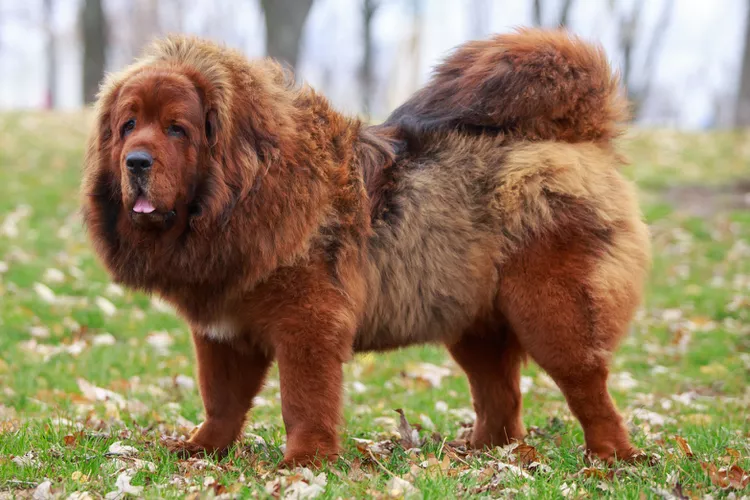
Tibetan Mastiff: Dog Breed Characteristics & Care
Learn about the Tibetan mastiff, an ancient guardian dog breed. This breed is known for their massive stature, flowing mane, and protective personality.
Can Dogs Eat Cantaloupe?
Find out if dogs can eat cantaloupe and if it's healthy. Learn how to feed dogs cantaloupe safely and what to watch out for.
Are Bones Safe for Dogs?
Are bones safe for dogs? Find out if it's really safe to give bones to dogs. Learn about the dangers of feeding bones to your dog.
Can Dogs Eat Kale?
Kale is rich in nutrients, but because it contains compounds that can harm dogs, veterinarians caution against making it a regular part of their diet.
Here’s How to Stop Your Dog from Jumping on You When Excited
Although it can be cute the first few times your dog jumps on you, it can quickly turn into a bad habit, especially if your pooch starts jumping on strangers. Here’s how to stop your dog from jumping on you when excited.
How to Stop Sudden Aggression in a Dog
It's not normal for a friendly dog to suddenly become aggressive. Sudden behavior changes may indicate a health problem and should not be ignored.
Different Meanings of a Dog's Wagging Tail
A dog wagging his tail is a common sight, but it may mean more than you think. Find out why dogs wag their tails and what canine tail wagging means.
Why Do Dogs Lick Other Dogs' Pee?
Sometimes a dog will lick another dog's urine. Find out why dogs lick other dogs' pee and learn how to stop it.
How to Stop Your Dog From Barking Excessively
All dogs bark, but excessive barking is a behavior problem. Learn how to help stop excessive barking and prevent it from happening all the time.