An abscess is a pocket of pus that develops when a wound of some sort becomes infected. Abscesses can occur almost anywhere within a dog's body, including the brain, liver, and lungs, but more often, abscesses are fairly superficial, and develop in the animal's anal glands, at the root of a tooth, or just below the surface of the skin. Left untreated, an abscess can become chronic, or even cause a life-threatening infection that affects the functioning of your dog's internal organs, so it's important to always seek veterinary attention should your dog develop an abscess.
An abscess results from the body's attempt to wall off an infection. The fight against infection results in an accumulation of white blood cells and other blood components commonly called pus. This thick liquid collects in a fleshy pocket in the affected body area, which then swells and becomes very painful. This swollen pocket of infection is called an abscess.
Almost anything, such as a bite wound, splinter, or even an insect sting, can result in an abscess if the surface of the skin is penetrated and bacteria are introduced. If the skin surface heals over the wound superficially, the bacteria can become sealed inside, triggering activation of the body’s immune system and the development of an abscess.
Some abscesses can also occur internally from bacteria or foreign material that gets in through the digestive tract, urinary tract, respiratory tract, or other ports of entry into the body.
The symptoms of an abscess can depend on where it is located. For those in the skin, a soft or firm lump is the most common indication of trouble brewing. The area around the lump will often be red, and the dog may lick or bite at the spot in an effort to relieve the pain. The inflamed skin usually will feel warmer than the surrounding skin, as well.
If your dog's skin abscess is hidden by thick fur, it's possible you won't even realize it is there unless it bursts, releasing pus and fluid that typically has a strong, foul odor. But you might discover the abscess prior to that if you notice your dog biting or licking at the sore spot or you feel the lump while petting your dog. If the abscess is present for a long time, hair loss over the spot is not uncommon.
Your dog might seem more lethargic than usual, or reluctant to participate in activities it usually enjoys, such as walks. Fever might also develop, particularly with a large or widespread abscess.
When dogs develop abscesses in their anal glands, they often scoot their rear ends along the ground in an attempt to relieve the pain. The dog might also lick or bite at the area, and there may be fluid or pus coming from the wound.
Dogs with abscessed teeth typically become reluctant to eat, due to the pain. Your dog might especially refuse kibble, as the hard food is more painful to chew than soft, canned meals. Often, the dog's face will appear swollen under the eye, as the roots of the teeth extend into this area.
Abscesses are usually caused by a bacterial infection taking hold within some type of wound. If the surface of the wound heals quickly, bacteria can become trapped beneath the skin, creating a pocket of infection. Some of the species of bacteria that are especially likely to be the culprit include Staphylococcus, Pseudomonas, Mycoplasma, Escherichia coli, Bartonella, Nocardia, Pasteurella multocida, and Actinomyces. But while bacterial infection is the underlying cause of the abscess, there also needs to be some type of event that allows the bacteria access inside the body.
Bite wounds from another animal that plant infectious organisms deep into the tissue are a prime cause of abscesses in dogs. This is especially common in dogs that tend to fight with other dogs, or dogs who tangle with cats and get scratched or bitten. But any animal bite can potentially become infected and abscessed.
Any injury that penetrates the skin can lead to an abscess. A poke from a stick, an accidental needle prick, stepping on a thorn, or an insect bite are all potential causes of this type of infection.
Abscesses may result from chewing an inappropriate object that splinters and injures the mouth, such as a bone, stick, or piece of plastic. In these cases, the abscess may develop on the tongue, gums, cheek, or behind the eye. A dog can also get an abscess in the root of a tooth that breaks or cracks due to chewing a hard object.
Dogs also commonly suffer from anal gland abscesses, in which the area around the rectum becomes red, swollen, and tender. If the abscess bursts, you may notice smelly, wet hair at the infection site.
Your veterinarian will probably make the diagnosis of an abscess from the characteristic appearance and symptoms. Occasionally, your vet might want to use a needle to withdraw a sample of fluid from the abscess, or swab draining fluids, to perform a culture and sensitivity, which is a laboratory test that determines the type of bacteria present, along with the specific antibiotics that kill that bacteria.
Because it is crucial that an abscess be completely drained, but doing so is very painful, your vet will probably sedate or anesthetize your dog before beginning to work on the wound. First, the hair around the swelling is clipped and the area is disinfected with a surgical scrub solution like povidone iodine. Then the abscess is lanced, the pus is drained, and the abscess is flushed with a saline solution to clean out the inside of the infected pocket.
When the abscess is very deep or intrusive, a drain or “wick” may be surgically stitched in place to keep the area draining as the surface skin heals. This can help prevent the abscess from recurring. Oral antibiotics are usually prescribed as well. When the surgical site is within reach of your dog's teeth, an Elizabethan collar or e-collar prevents your dog from bothering the wound while it heals.
Don't try to lance or squeeze an abscess yourself. You are unlikely to fully drain the wound, and there is a chance your dog will bite you due to the pain. However, after treatment by your veterinarian, you may be given instructions on cleaning the wound site at home while it heals. This generally involves gently wiping the area daily with a wet cloth to remove draining fluids.
Once your dog's abscess is drained fully and a course of antibiotics is completed, the wound should heal fully without further trouble. If the abscess isn't treated, however, or is only partially drained, the wound will persist and can spread into the dog's bloodstream or to nearby organs.
Help prevent abscesses by reducing the probability of injury. For example, neuter or spay your dog to greatly diminish aggression that could result in bite wounds. Also, supervise your pet when it's gnawing on dog chews or bones, and only offer safe options. Good dental hygiene and routine care of anal glands will help reduce the risk of abscesses in these areas as well.
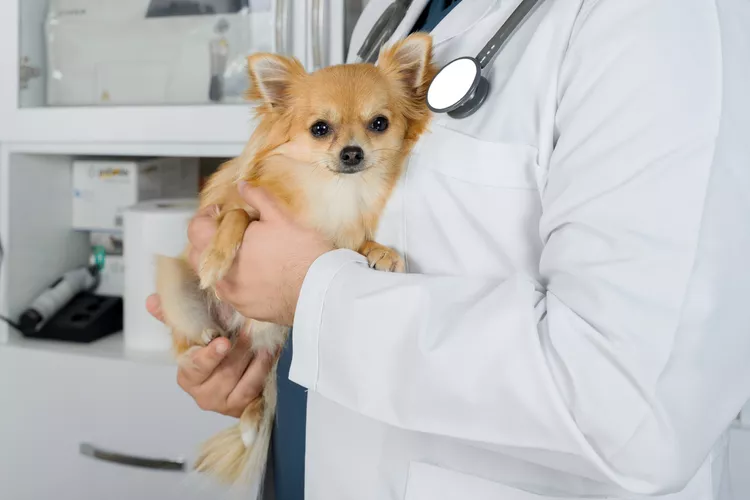
Legg-Calve-Perthes Disease in Dogs
Legg-Calve-Perthes is a congenital disorder affecting the hip joints of dogs—particularly small breeds. Learn the causes, treatment, and prevention.
Bloat in Dogs
Bloat, or gastric dilation volvulus (GDV), is an emergency that generally affects large breed dogs. Learn the causes, treatment, and prevention.
Anemia in Dogs
Anemia is a low red blood cell count. In dogs, it can indicate various problems—some of them serious. Learn the causes, treatment, and prevention.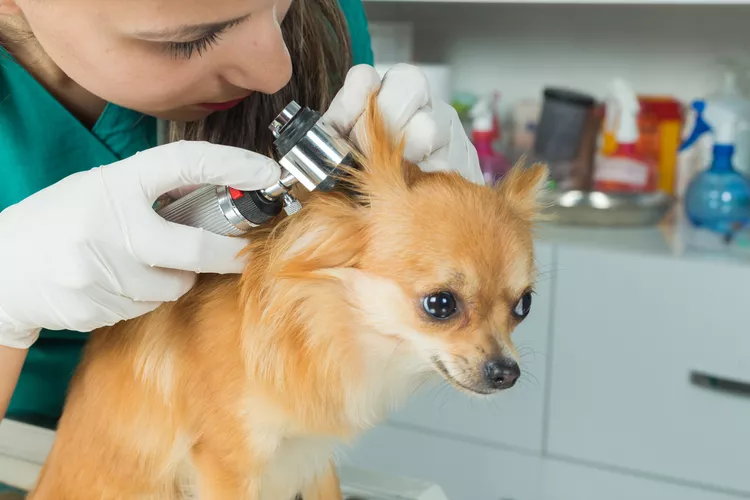
Ear Yeast Infections in Dogs
Ear yeast infections in dogs are common, uncomfortable, smell bad, and dangerous if untreated. Learn the causes, treatment, and prevention.
Neutering Your Dog Explained
What does it mean to neuter a dog? Learn about neutering or castration in dogs and why it is done. Find out what to expect when your dog is neutered.
Pyoderma in Dogs
Pyoderma is a skin infection commonly seen in puppies that may indicate a compromised immune system. Learn the causes, treatment, and prevention.
Dog Hiccups: How to Get Rid of Them
Dog hiccups in dogs are a fleeting nuisance in most cases, but sometimes they can mean something more. Learn what to watch for and find out how to get rid of dog hiccups.
5 Common Foods In Your Pantry That Are Not Safe For Your Pets
One potato chip is not going to hurt your pet, but there are other foods that can. Learn which to avoid and some safe foods that can be used as treats.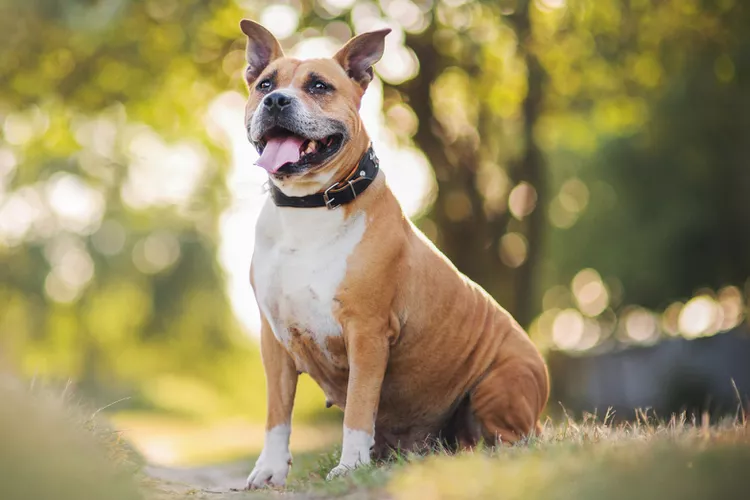
American Staffordshire Terrier: Breed Characteristics & Care
The American Staffordshire terrier is a type of pit bull with a friendly nature. Learn about the Am Staff's history, training, health, and more.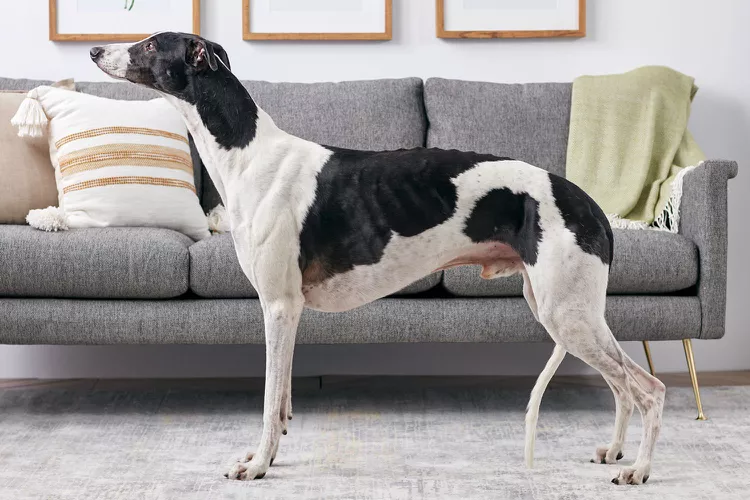
Greyhound: Dog Breed Characteristics & Care
Learn about the greyhound, the fastest dog breed in the world. They're also a loyal companion that's non-aggressive and good with children.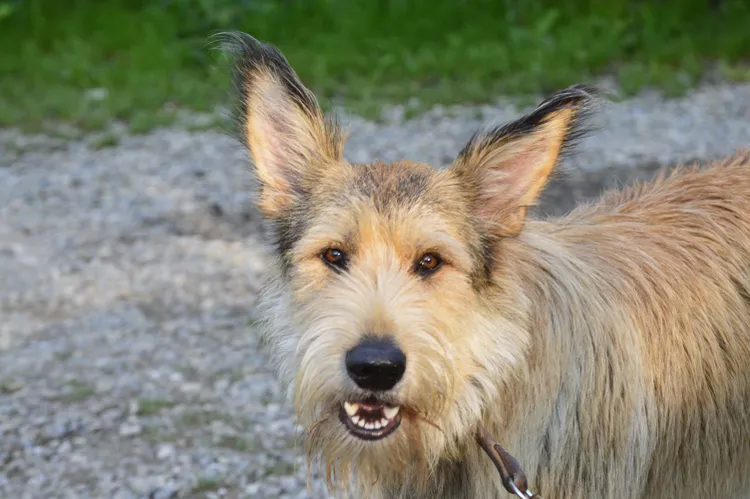
Berger Picard: Dog Breed Characteristics & Care
The Berger Picard is a French herding dog with a friendly smile and shaggy beard. Learn about its history, health, exercise needs, and more.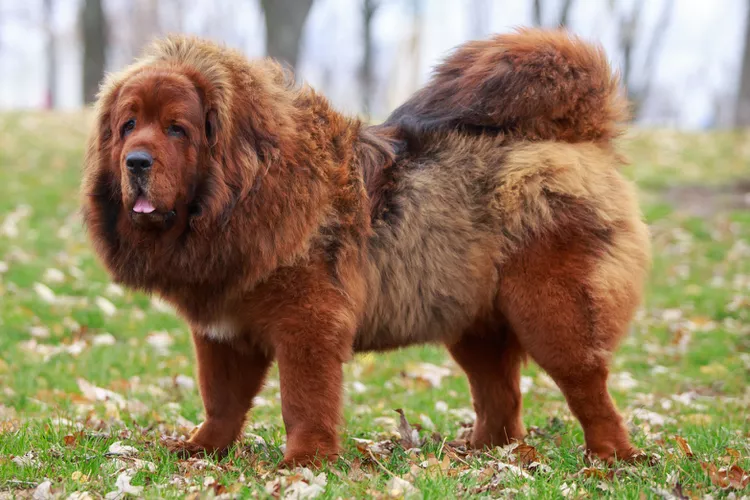
Tibetan Mastiff: Dog Breed Characteristics & Care
Learn about the Tibetan mastiff, an ancient guardian dog breed. This breed is known for their massive stature, flowing mane, and protective personality.
Can Dogs Eat Cantaloupe?
Find out if dogs can eat cantaloupe and if it's healthy. Learn how to feed dogs cantaloupe safely and what to watch out for.
Are Bones Safe for Dogs?
Are bones safe for dogs? Find out if it's really safe to give bones to dogs. Learn about the dangers of feeding bones to your dog.
Can Dogs Eat Kale?
Kale is rich in nutrients, but because it contains compounds that can harm dogs, veterinarians caution against making it a regular part of their diet.
Here’s How to Stop Your Dog from Jumping on You When Excited
Although it can be cute the first few times your dog jumps on you, it can quickly turn into a bad habit, especially if your pooch starts jumping on strangers. Here’s how to stop your dog from jumping on you when excited.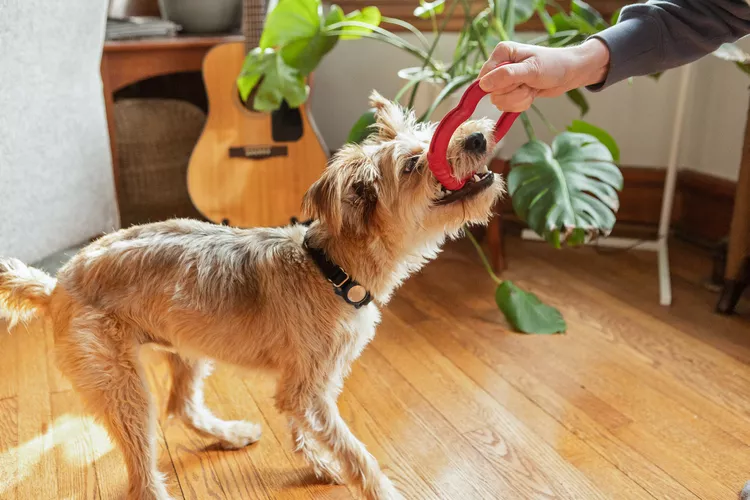
How to Stop Sudden Aggression in a Dog
It's not normal for a friendly dog to suddenly become aggressive. Sudden behavior changes may indicate a health problem and should not be ignored.
Different Meanings of a Dog's Wagging Tail
A dog wagging his tail is a common sight, but it may mean more than you think. Find out why dogs wag their tails and what canine tail wagging means.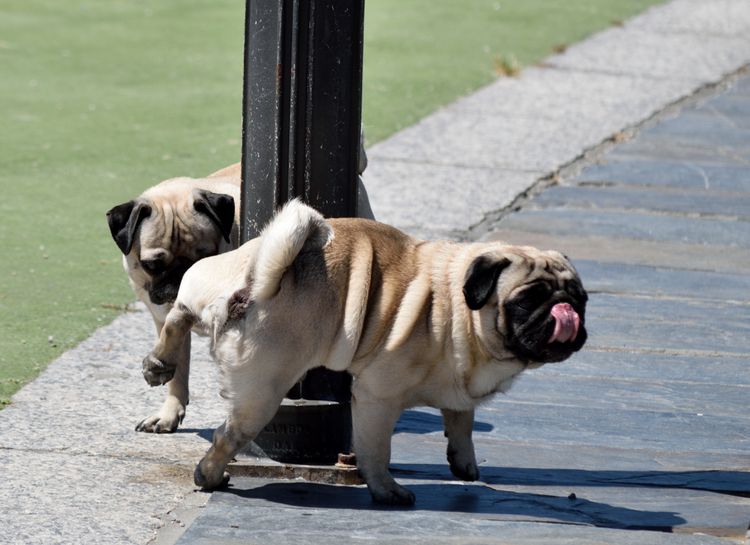
Why Do Dogs Lick Other Dogs' Pee?
Sometimes a dog will lick another dog's urine. Find out why dogs lick other dogs' pee and learn how to stop it.
How to Stop Your Dog From Barking Excessively
All dogs bark, but excessive barking is a behavior problem. Learn how to help stop excessive barking and prevent it from happening all the time.