
The stabyhoun is a medium-size sporting dog breed from the Netherlands with a medium-length, silky coat that typically comes in black and white and features feathering around the chest, belly, legs, and tail. Overall, the dog has a well-balanced build that’s a happy medium between slender and muscular. Its head is slightly longer than it is wide, and its drop ears are fairly long with some feathering. The breed’s name roughly translates to “stand by me,” a nod to how devoted these dogs can be. They were bred to be all-purpose working dogs, as well as gentle and affectionate family companions.
Group: Sporting
Height: 19 to 21 inches
Weight: 40 to 60 pounds
Coat: Medium-length, smooth double coat
Coat Color: Black and white, brown and white, or orange and white with/without ticked, spotted, and/or roan markings
Life Span: 13 to 15 years
Temperament: Affectionate, companionable, energetic
Hypoallergenic: No
Origin: Netherlands
Stabyhouns generally have a friendly and loving temperament with their family. And they are intelligent and eager to please. A high energy level also helps to shape their personality, and they prefer to keep mentally and physically active with some sort of job every day.
The stabyhoun can trace its ancestors back to the 17th century in the Netherlands. Dogs that looked similar to the modern breed are depicted in centuries-old Dutch artwork. These dogs were used for hunting, as well as a variety of farm chores. They also were loving companions.
Until the 20th century, the stabyhoun was often mixed with another Dutch breed, the Wetterhoun. But breeders began to set individual standards for both breeds starting in the mid-1900s.
In 1994, the first recorded stabyhouns were born in the United States. But the breed still remains rare today, with only several thousand around the world. It’s part of the American Kennel Club’s Foundation Stock Service, which helps to monitor breeding problems, but it’s not yet an officially recognized breed.
Plan to spend ample time exercising your stabyhoun every day. Fortunately, grooming is fairly straightforward. And the breed is typically very trainable.
At least an hour of exercise is essential for a stabyhoun every day. Walks, jogging, hikes, and even swimming are good ways to expend some of the dog’s energy. Adequate mental stimulation is just as important for this intelligent breed. A bored stabyhoun might begin to engage in problem behaviors, such as unwanted chewing or digging. Offering puzzle toys can keep your dog happy throughout the day. Dog sports are another great way to exercise your dog both mentally and physically.
The stabyhoun’s coat stays relatively clean on its own. Plan to brush weekly to remove loose fur. But expect periods of higher shedding typically twice a year, often in the spring and fall, during which you’ll have to brush more frequently. Pay special attention to the areas of the coat with feathering, as they can get tangled more easily.
Plan on a bath only when your dog gets dirty. But check its ears at least weekly to see whether they need cleaning. Also, see whether its nails need trimming roughly once a month. And brush its teeth ideally every day with a canine toothpaste.
Aim to begin training and socialization when your dog is a puppy to instill good manners and prevent bad habits from forming. Stabyhouns generally respond well to positive-reinforcement training, such as treats and praise. If you’re too harsh, it might cause them to shut down and refuse to learn.
Furthermore, aim to expose your stabyhoun to different people, other dogs, and various locations starting when it’s young. Having positive experiences will help to boost its comfort around strangers. This breed generally does well around other dogs and even kids, though it does display a moderate amount of caution around strangers.
Stabyhouns are generally a healthy breed. But they are still prone to some hereditary health issues, including:
Make sure fresh water is available for your dog at all times. And provide a nutritionally balanced canine diet, typically via two measured meals per day. Always discuss the type of food and the amount with your vet. Some dogs need specialized diets based on factors including age, activity level, and more. Also, monitor treats and other extra food to prevent your dog from overeating and gaining excess weight.
The stabyhoun is a very rare dog breed. So it’s not common that you’d come across one available for adoption at an animal shelter or rescue group. Still, it’s worth checking your local rescue organizations and getting your name on a breed wait list if possible. Likewise, breeders are hard to come by. You might have to wait a while for a dog and travel a great distance or even import a dog from another country, depending on where you live. For a puppy from a reputable breeder, expect to pay around $2,000 on average.
For further information to help you find a stabyhoun, check out:
Intelligent and trainable
Affectionate and often good with children and other dogs
Low-maintenance grooming
Requires lots of exercise
Needs daily mental challenges
Can be independent and willful at times
Do thorough research before bringing home a stabyhoun to make sure it’s right for your lifestyle. Talk to breed owners, rescue groups, responsible breeders, and veterinary professionals. Spend some time around stabyhouns too if possible.
If you’re interested in similar breeds, check out:
There’s a whole world of potential dog breeds out there—with a little research, you can find the right one to bring home!
Well-trained and socialized stabyhouns are typically tolerant of and gentle with kids. But dogs should always be monitored around young children.
As long as they’ve had proper training and socialization, it’s not common for stabyhouns to display aggression. They are generally a friendly and gentle breed.
Stabyhouns are very rare around the world, with only roughly 7,000 as of 2017. But the breed’s popularity is growing outside of the Netherlands.
Legg-Calve-Perthes Disease in Dogs
Legg-Calve-Perthes is a congenital disorder affecting the hip joints of dogs—particularly small breeds. Learn the causes, treatment, and prevention.
Bloat in Dogs
Bloat, or gastric dilation volvulus (GDV), is an emergency that generally affects large breed dogs. Learn the causes, treatment, and prevention.
Anemia in Dogs
Anemia is a low red blood cell count. In dogs, it can indicate various problems—some of them serious. Learn the causes, treatment, and prevention.
Ear Yeast Infections in Dogs
Ear yeast infections in dogs are common, uncomfortable, smell bad, and dangerous if untreated. Learn the causes, treatment, and prevention.
Neutering Your Dog Explained
What does it mean to neuter a dog? Learn about neutering or castration in dogs and why it is done. Find out what to expect when your dog is neutered.
Pyoderma in Dogs
Pyoderma is a skin infection commonly seen in puppies that may indicate a compromised immune system. Learn the causes, treatment, and prevention.
Dog Hiccups: How to Get Rid of Them
Dog hiccups in dogs are a fleeting nuisance in most cases, but sometimes they can mean something more. Learn what to watch for and find out how to get rid of dog hiccups.
5 Common Foods In Your Pantry That Are Not Safe For Your Pets
One potato chip is not going to hurt your pet, but there are other foods that can. Learn which to avoid and some safe foods that can be used as treats.
American Staffordshire Terrier: Breed Characteristics & Care
The American Staffordshire terrier is a type of pit bull with a friendly nature. Learn about the Am Staff's history, training, health, and more.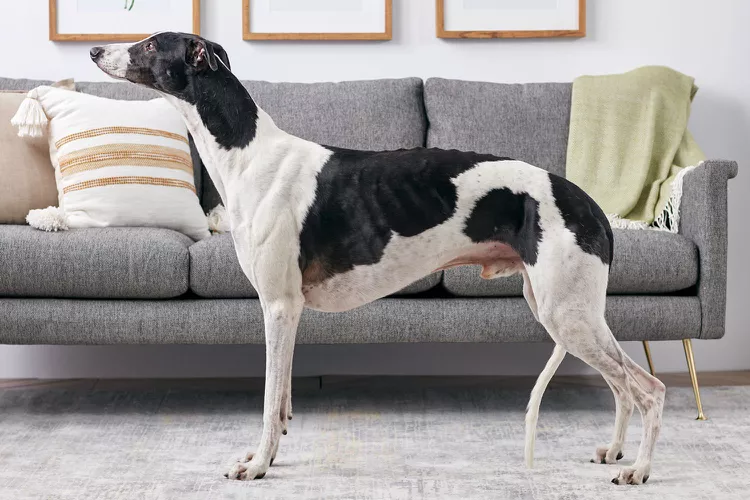
Greyhound: Dog Breed Characteristics & Care
Learn about the greyhound, the fastest dog breed in the world. They're also a loyal companion that's non-aggressive and good with children.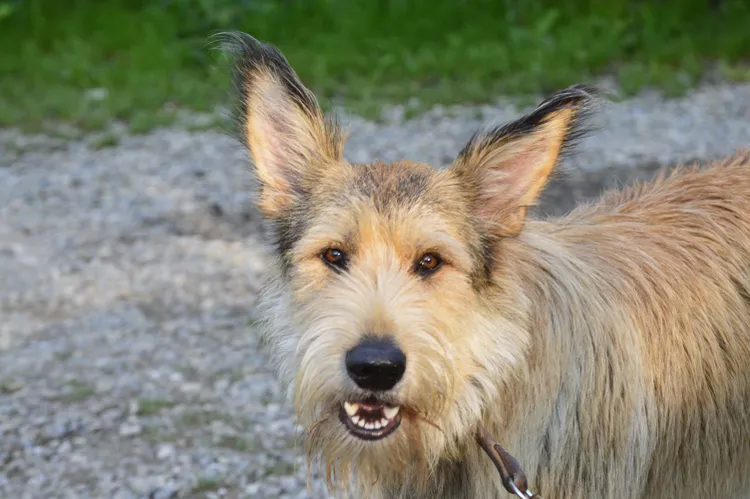
Berger Picard: Dog Breed Characteristics & Care
The Berger Picard is a French herding dog with a friendly smile and shaggy beard. Learn about its history, health, exercise needs, and more.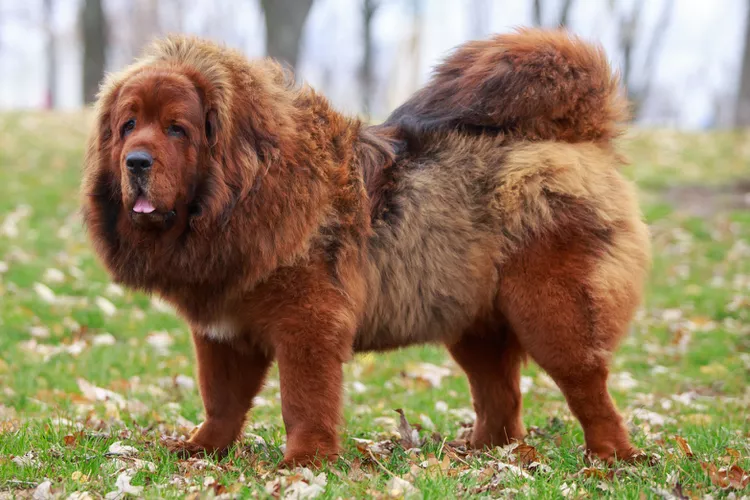
Tibetan Mastiff: Dog Breed Characteristics & Care
Learn about the Tibetan mastiff, an ancient guardian dog breed. This breed is known for their massive stature, flowing mane, and protective personality.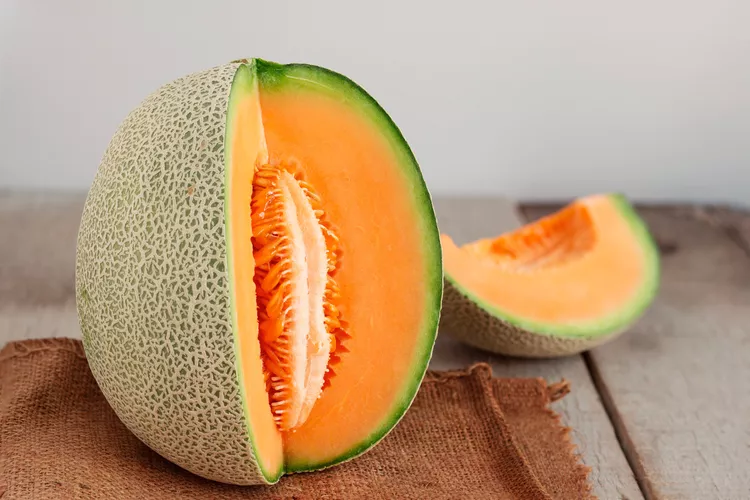
Can Dogs Eat Cantaloupe?
Find out if dogs can eat cantaloupe and if it's healthy. Learn how to feed dogs cantaloupe safely and what to watch out for.
Are Bones Safe for Dogs?
Are bones safe for dogs? Find out if it's really safe to give bones to dogs. Learn about the dangers of feeding bones to your dog.
Can Dogs Eat Kale?
Kale is rich in nutrients, but because it contains compounds that can harm dogs, veterinarians caution against making it a regular part of their diet.
Here’s How to Stop Your Dog from Jumping on You When Excited
Although it can be cute the first few times your dog jumps on you, it can quickly turn into a bad habit, especially if your pooch starts jumping on strangers. Here’s how to stop your dog from jumping on you when excited.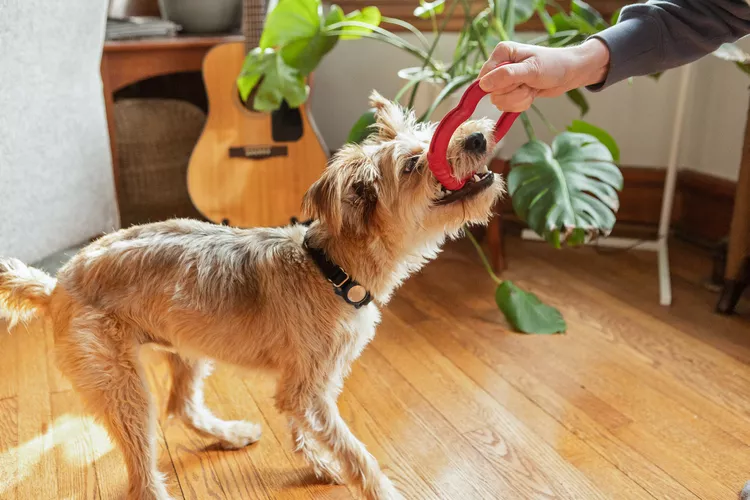
How to Stop Sudden Aggression in a Dog
It's not normal for a friendly dog to suddenly become aggressive. Sudden behavior changes may indicate a health problem and should not be ignored.
Different Meanings of a Dog's Wagging Tail
A dog wagging his tail is a common sight, but it may mean more than you think. Find out why dogs wag their tails and what canine tail wagging means.
Why Do Dogs Lick Other Dogs' Pee?
Sometimes a dog will lick another dog's urine. Find out why dogs lick other dogs' pee and learn how to stop it.
How to Stop Your Dog From Barking Excessively
All dogs bark, but excessive barking is a behavior problem. Learn how to help stop excessive barking and prevent it from happening all the time.