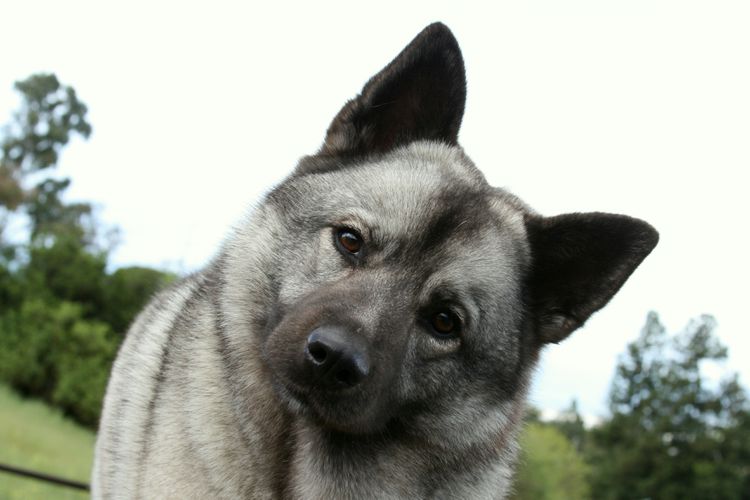
The Norwegian elkhound is a medium-size hound dog breed from Norway that has a thick, medium-length coat; erect ears; and a curled tail. It's an ancient spitz-type dog breed that was bred to hunt large game. Today, it’s primarily a companion dog that’s known for its friendly, loyal, and energetic demeanor. It also is a highly intelligent dog with an independent streak that would do best with an active owner and in a cooler climate.
GROUP: Hound
HEIGHT: 19.5 inches (female), 20.5 inches (male)
WEIGHT: 48 pounds (female), 55 pounds (male)
COAT: Medium-length double coat
COAT COLOR: Black and gray; black and silver; black, white, and silver; gray, black, and silver
LIFE SPAN: 12 to 15 years
TEMPERAMENT: Loyal, friendly, affectionate
HYPOALLERGENIC: No
ORIGIN: Norway
Norwegian elkhounds generally have a loyal and dependable temperament. They can be quite protective and vocal watchdogs. But with proper training and socialization, they typically have friendly personalities.
The Norwegian elkhound has a long history in Norway, with skeletal remains dating back all the way to 5000 B.C. There are tales of these dogs being steadfast shipmates to Vikings. And they were used to protect property and livestock while being friendly companions to their families.
Hunters also used the Norwegian elkhound for large game, including elk and moose. The hounds were adept at following scent trails and holding game at bay. These dogs also were fierce and fearless enough to protect farms from bears, wolves, and other wild animals.
The breed largely remained in Norway until the 19th century, when it then started popping up around Europe. The American Kennel Club first recognized the Norwegian elkhound in 1913.
The Norwegian elkhound is a high-energy dog breed that needs lots of daily activity. It also requires consistent training and socialization. And you must keep up on grooming its thick coat.
Bred to follow their hunting quarry over long distances, Norwegian elkhounds are high-energy dogs with good strength and stamina. They should get at least one to two hours of exercise per day via walks, jogging, playtime, and other activities. They also like to hike and swim, though it’s best to keep them on leash when not in a secure area. Otherwise, their prey drive can cause them to take off following a scent.
Norwegian elkhounds also can excel in dog sports, such as agility and herding, which can exercise both their bodies and their minds. Puzzle toys are great for exercising their minds as well. Just make sure to keep outdoor exercise brief in hot weather, as this breed’s thick coat can make it sensitive to the heat.
The thick double coat of the Norwegian elkhound needs regular brushing to remove loose fur and prevent mats. It’s recommended to run a brush through the coat for a few minutes every day to stay on top of the loose fur. That also will help to limit the amount of dog fur that ends up on your furniture and clothes. A couple times a year, usually in the spring and fall, expect periods of heavier shedding during which you’ll have to brush more extensively.
The good news is the Norwegian elkhound’s coat doesn’t tend to have an odor and only needs an occasional bath when your dog gets dirty. Plan to check the nails to see whether they need a trim roughly every month. And aim to brush your dog’s teeth daily. Also, look in its ears every week or so to ensure there’s no wax buildup, irritation, or other abnormalities.
The Norwegian elkhound is a very bright dog and can learn tricks and other skills quickly. However, it also can be independent and stubborn at times and can get bored with obedience training. Keep training sessions short and fun, and always use positive reinforcement methods. Plus, start as young as possible with basic obedience, and be consistent with your commands to prevent bad habits from developing.
Likewise, aim to socialize your Norwegian elkhound from as young of an age as possible. These dogs are usually adaptable and open to meeting strangers, especially when they’ve had positive experiences around people since they were a puppy. But due to their watchdog nature, they likely will still bark at people and other animals that pass by your home.
Norwegian elkhounds are generally a very healthy dog breed and have a relatively long lifespan. But like most breeds, they are prone to some hereditary health issues, including:
Always have fresh water available for your dog. And feed a quality, nutritionally balanced canine diet. It’s typical to feed two measured meals per day. But you should always run both the type of food and the amount by your vet first to make sure you’re meeting your dog’s individual needs. Norwegian elkhounds generally love to eat and will beg for extra food. So it’s important to watch their daily intake to make sure they’re not overeating.
While the Norwegian elkhound is a relatively rare breed, it’s still worth checking local animal shelters and rescue groups to see whether there’s a dog in need of a home. For a puppy from a reputable breeder, expect to pay around $700 to $5,000, though this can vary widely.
For further information to help connect you with a Norwegian elkhound, check out:
Loyal and affectionate
Good watchdog
Generally healthy breed
Can be very vocal
Sheds a lot
Can be stubborn about training
Be sure to do plenty of research first before determining whether a Norwegian elkhound is right for your lifestyle. Talk to breed owners, rescue groups, reputable breeders, and veterinarians. Try to meet some Norwegian elkhounds too if possible.
If you’re interested in similar breeds, check out:
There’s a whole world of potential dog breeds out there—with a little research, you can find the right one to bring home!
Norwegian elkhounds are moderately good with kids. They are usually best for a family with older children. Their herding instinct might cause them to nip at the heels of young and excitable children.
Norwegian elkhounds are usually not an aggressive breed. But they will still be on guard against perceived threats, which is why early and consistent training and socialization are key.
Norwegian elkhounds have a lot of energy and typically do better in a home that allows them some space to run and play. They also can be prolific barkers, which might bother neighbors in apartment living.

Legg-Calve-Perthes Disease in Dogs
Legg-Calve-Perthes is a congenital disorder affecting the hip joints of dogs—particularly small breeds. Learn the causes, treatment, and prevention.
Bloat in Dogs
Bloat, or gastric dilation volvulus (GDV), is an emergency that generally affects large breed dogs. Learn the causes, treatment, and prevention.
Anemia in Dogs
Anemia is a low red blood cell count. In dogs, it can indicate various problems—some of them serious. Learn the causes, treatment, and prevention.
Ear Yeast Infections in Dogs
Ear yeast infections in dogs are common, uncomfortable, smell bad, and dangerous if untreated. Learn the causes, treatment, and prevention.
Neutering Your Dog Explained
What does it mean to neuter a dog? Learn about neutering or castration in dogs and why it is done. Find out what to expect when your dog is neutered.
Pyoderma in Dogs
Pyoderma is a skin infection commonly seen in puppies that may indicate a compromised immune system. Learn the causes, treatment, and prevention.
Dog Hiccups: How to Get Rid of Them
Dog hiccups in dogs are a fleeting nuisance in most cases, but sometimes they can mean something more. Learn what to watch for and find out how to get rid of dog hiccups.
5 Common Foods In Your Pantry That Are Not Safe For Your Pets
One potato chip is not going to hurt your pet, but there are other foods that can. Learn which to avoid and some safe foods that can be used as treats.
American Staffordshire Terrier: Breed Characteristics & Care
The American Staffordshire terrier is a type of pit bull with a friendly nature. Learn about the Am Staff's history, training, health, and more.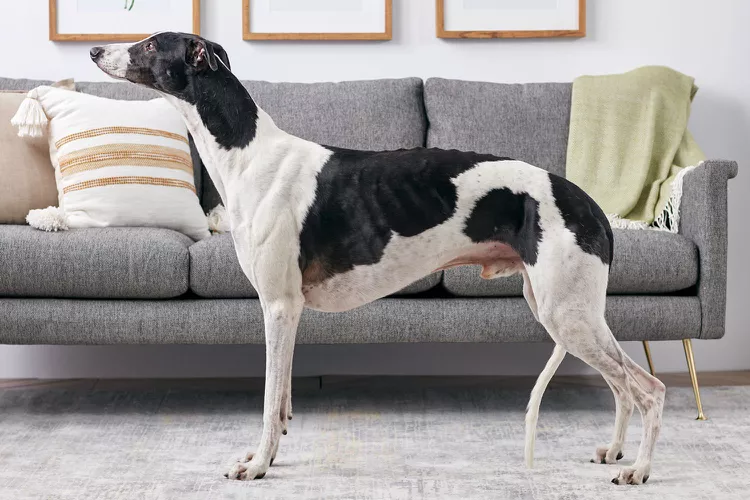
Greyhound: Dog Breed Characteristics & Care
Learn about the greyhound, the fastest dog breed in the world. They're also a loyal companion that's non-aggressive and good with children.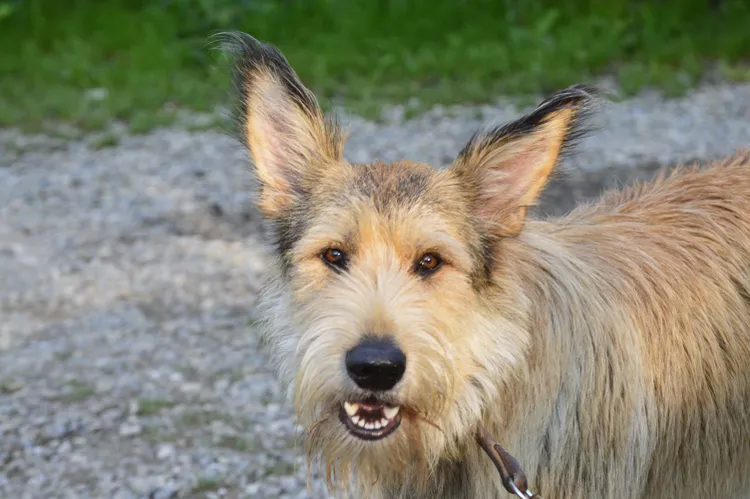
Berger Picard: Dog Breed Characteristics & Care
The Berger Picard is a French herding dog with a friendly smile and shaggy beard. Learn about its history, health, exercise needs, and more.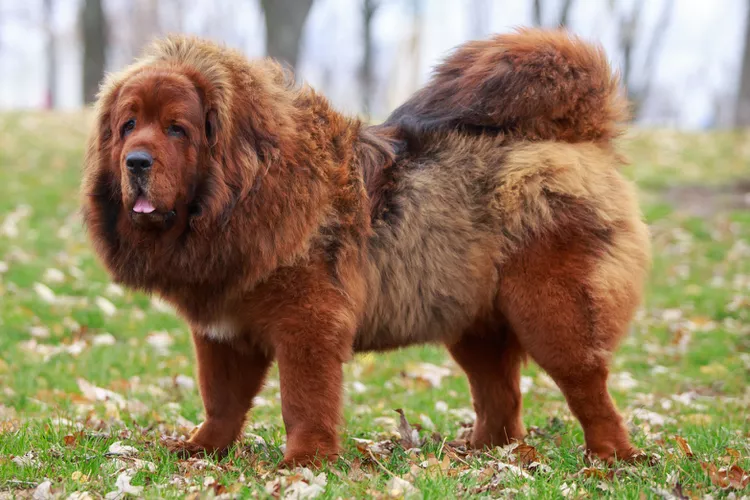
Tibetan Mastiff: Dog Breed Characteristics & Care
Learn about the Tibetan mastiff, an ancient guardian dog breed. This breed is known for their massive stature, flowing mane, and protective personality.
Can Dogs Eat Cantaloupe?
Find out if dogs can eat cantaloupe and if it's healthy. Learn how to feed dogs cantaloupe safely and what to watch out for.
Are Bones Safe for Dogs?
Are bones safe for dogs? Find out if it's really safe to give bones to dogs. Learn about the dangers of feeding bones to your dog.
Can Dogs Eat Kale?
Kale is rich in nutrients, but because it contains compounds that can harm dogs, veterinarians caution against making it a regular part of their diet.
Here’s How to Stop Your Dog from Jumping on You When Excited
Although it can be cute the first few times your dog jumps on you, it can quickly turn into a bad habit, especially if your pooch starts jumping on strangers. Here’s how to stop your dog from jumping on you when excited.
How to Stop Sudden Aggression in a Dog
It's not normal for a friendly dog to suddenly become aggressive. Sudden behavior changes may indicate a health problem and should not be ignored.
Different Meanings of a Dog's Wagging Tail
A dog wagging his tail is a common sight, but it may mean more than you think. Find out why dogs wag their tails and what canine tail wagging means.
Why Do Dogs Lick Other Dogs' Pee?
Sometimes a dog will lick another dog's urine. Find out why dogs lick other dogs' pee and learn how to stop it.
How to Stop Your Dog From Barking Excessively
All dogs bark, but excessive barking is a behavior problem. Learn how to help stop excessive barking and prevent it from happening all the time.