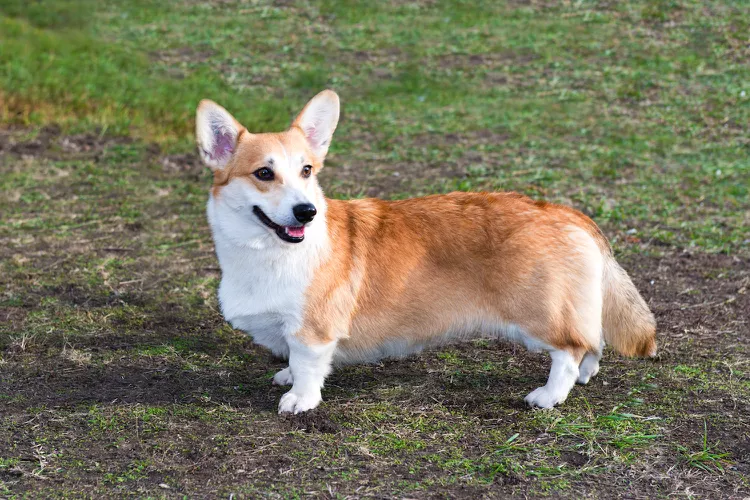
The Cardigan Welsh Corgi is a medium-sized herding dog breed from Wales with signature short legs, a water-resistant double coat, pointed ears, and a long tail. Lesser-known than its cousin, the tailless Pembroke Welsh Corgi, the Cardigan breed is full of fun antics. These dogs are adaptable, utterly devoted to their family, and ready to do anything you'd like—just as long as you’re together.
This breed may be reserved with strangers at first, but given ample time, will usually warm up to new friends and share some of the abundant love they shower on their family. The Cardigan Welsh Corgi gets along great with other animals, from pets like dogs and cats to horses and other farm animals. They love having children in their families and naturally look after them as part of their pack.
Group: Herding
Weight: 25 to 38 pounds
Height: 10 to 13 inches
Coat: Medium-length, dense, water-resistant double coat
Coat Color: Red, sable, brindle, black, or blue merle; most commonly with white markings on the neck, chest, legs, muzzle, tail, and face
Life Span: 12 to 15 years
Temperament: Affectionate, friendly, playful, intelligent, active, alert
Hypoallergenic: No
Origin: Wales
This breed is known for its playful temperament and larger-than-life personality. Your Cardigan Welsh Corgi will enjoy spending time with you and showing plenty of affection to close family members. These dogs are naturally attentive, which can make them excellent watchdogs that alert their owners to any sign of trouble with a quick bark. It also means that you may need to work on excessive barking if you live in an apartment, though this breed is otherwise well-suited for apartment living as long as it's provided with daily walks.
This Welsh dog breed has existed for thousands of years in the Cardiganshire area in Wales (today's Ceredigion), brought to Wales by Celtic tribes who migrated from Central Europe. The Cardigan Welsh Corgi was named for its home region. Centuries ago, this rocky, coastal area of Cardiganshire was filled with green hills and dairy farms.
The reason these dogs were bred with such short legs comes down to their working history: Cardigan Welsh Corgis were highly prized as indispensable cattle herders, and their short height kept them safely below the herd's dangerous kicks. They also worked as drovers (which drive cattle to market), farm dogs, and barn guards while serving as loving family companions.
With basic obedience training, moderate exercise, and standard grooming, the Cardigan Welsh Corgi can be a happy, well-adjusted dog. When this breed becomes part of your family, they'll be happy to tag along for plenty of activities and learn new tricks.
Cardigan Welsh Corgis need moderate exercise to stay healthy. Although they have ample energy and enjoy physical activities, they don’t need an excessive amount like many other working breeds. Provide your dog with several daily walks or a fenced-in backyard to run around in, taking note that it's best to keep this breed on a leash when it's outside the safe boundaries of a fence. Their herding nature makes them likely to chase after other animals, but some (especially farm dogs) can be trained efficiently with recalls to return quickly to their owners. Also thanks to their working history, these dogs enjoy agility sports to exercise their body and mind.
The Cardigan Welsh Corgi’s double coat is easy to care for, requiring no trimming. It does not tend to mat, but a throughout brush-out once a week is important to keep shedding to a minimum. Their coats repel dirt and water, needing only occasional baths. Trim the nails weekly and check the ears, cleaning them with a pet-safe ear cleaner if they appear dirty.
Start training your puppy from day one, and your Cardigan Welsh Corgi will quickly and happily learn good manners and house rules. The breed is intelligent and naturally wants to please you, so gentle, positive training methods are very effective. Many Cardigans excel at activities like agility, flyball, obedience, and herding.
The Cardigan Welsh Corgi is built somewhat heavy for their size with long backs and short legs. Due to the breed’s unique physique, care must be taken to ensure the Cardigan doesn’t injure its back. Don’t let puppies jump up or down from high places (try using pet ramps for couches and beds), and if you lift the dog, provide even support under the front and rear legs.
The Cardigan Welsh Corgi is generally very healthy, but like all purebred dogs, it's important to work with a responsible breeder who tests both parents and puppies for hereditary problems. This breed is subject to the following health conditions:
Avoid overfeeding your Cardigan Welsh Corgi. Staying lean and avoiding canine obesity can prevent the development of back issues, hip dysplasia, and other diet-related medical issues like diabetes. Feed scheduled meals, measuring the food with a cup or scale. Ask your breeder or veterinarian to recommend a high-quality diet and specific portion sizes to keep your Cardigan Welsh Corgi healthy.
You might think the only difference between the two Corgis is the Cardigan’s tail (and the Pembroke’s lack thereof), but this couldn’t be further from the truth. The Cardigan Welsh Corgi and the Pembroke Welsh Corgi, although related, are completely separate breeds with different physical and temperamental characteristics.
The ancestors of today’s Cardigan Welsh Corgi existed in the Cardiganshire area in Wales as far back as 3,000 years ago, which makes the Cardigan nearly 2,000 years older than the Pembroke Welsh Corgi. The Cardigan Welsh Corgi is descended from teckel dogs, which is a family of dogs that includes the Dachshund. When Vikings arrived in Wales, the spitz-type dogs that accompanied them were bred with Cardigan Welsh Corgis, and the Pembroke Welsh Corgi was born.
In 1925, the Kennel Club of England officially recognized both Cardigans and Pembrokes as one Corgi breed, but breed fanciers protested and the Kennel Club split them into two breeds in 1934. However, during this decade of time, the two breeds were interbred. Since being separated, the Cardigan Welsh Corgi and Pembroke Welsh Corgi have not been co-mingled.
Physically, the Cardigan is slightly bigger and heavier-boned than the Pembroke. The Cardigan also has larger, more rounded ears. The Cardigan, of course, has a long tail, and the Pembroke’s tail is usually docked if they are not born tailless. The Cardigan also has a wider variety of colors than the Pembroke.
Temperamentally, the two Corgi breeds are similar with a few minor differences. They are both intelligent, active, and fun-loving. Some people believe the Pembroke is more outgoing than the Cardigan, which can be reserved with strangers. Cardigans might also be slightly more laidback than Pembrokes, though your specific's dog temperament will be heavily influenced by its family history.
The best way to adopt a Cardigan Welsh Corgi is to rescue one in need of a forever home. Many adult Cardigans can be found through rescues, and occasionally, litters of puppies may be available for adoption. To search for a Cardigan in need of rehoming, check with the Cardigan Welsh Corgi Club of America (the national parent club for the breed in the United States), and check your local shelters and rescue groups.
Another avenue to find a Cardigan Welsh Corgi is to find a breeder in your area. The Cardigan Welsh Corgi Club of America maintains a list of breeders on its website. Responsible breeders don’t breed often, so they won’t have puppies available all the time. This breed typically costs between $1,000 and $3,000, but prices may vary depending on pedigree and availability in your area. Be prepared to wait if you want a puppy. Here, browse resources to begin your search with the national organization, rescues, and reputable breeders:
Affectionate and fun-loving
Devoted family companion
Easy-care coat
Some are problem barkers
May be reserved
Doesn’t like to be left alone
If you like the Cardigan Welsh Corgi, you might also like these breeds:
Otherwise, check out other dog breeds to help you find the perfect dog for you. There are plenty of breeds that make excellent companions, and with a little research, you can find your new best friend!
Cardigan Welsh Corgis are relatively easy to find in the United States, but surprisingly, they are harder to find in their native region. To find this breed in North America, check with your local rescue organizations or resources for responsible breeders.
Cardigan Welsh Corgis are eager to please their owners, and this breed is well-known for its trainability. These dogs respond best to positive reinforcement-based training and typically excel in basic obedience.
This breed is known for its talkative nature, a personality trait that was bred for alerting its owners. Your Cardigan Welsh Corgi will be likely to bark when it hears new sounds, sees strangers outside the house, or when it needs your attention. Thankfully, there are helpful ways to train your dog to manage excessive barking.

Legg-Calve-Perthes Disease in Dogs
Legg-Calve-Perthes is a congenital disorder affecting the hip joints of dogs—particularly small breeds. Learn the causes, treatment, and prevention.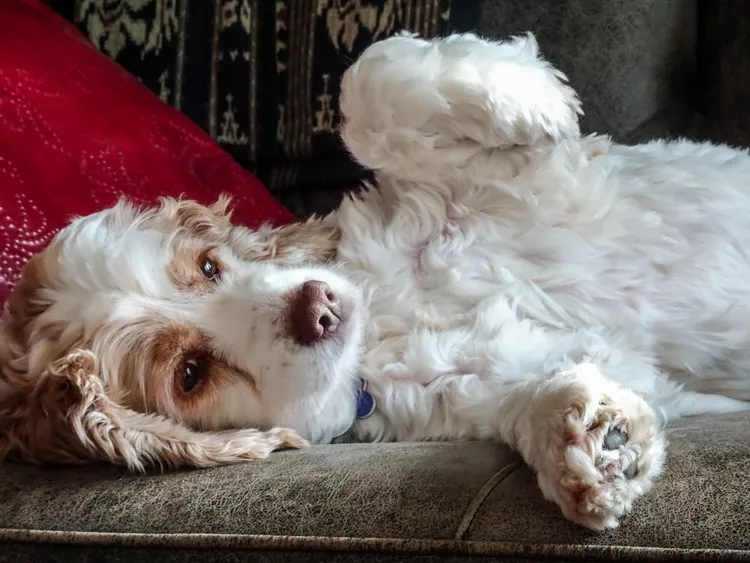
Bloat in Dogs
Bloat, or gastric dilation volvulus (GDV), is an emergency that generally affects large breed dogs. Learn the causes, treatment, and prevention.
Anemia in Dogs
Anemia is a low red blood cell count. In dogs, it can indicate various problems—some of them serious. Learn the causes, treatment, and prevention.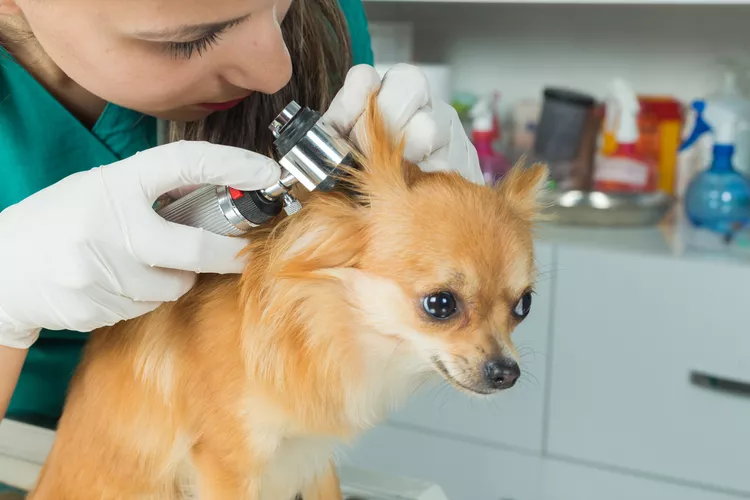
Ear Yeast Infections in Dogs
Ear yeast infections in dogs are common, uncomfortable, smell bad, and dangerous if untreated. Learn the causes, treatment, and prevention.
Neutering Your Dog Explained
What does it mean to neuter a dog? Learn about neutering or castration in dogs and why it is done. Find out what to expect when your dog is neutered.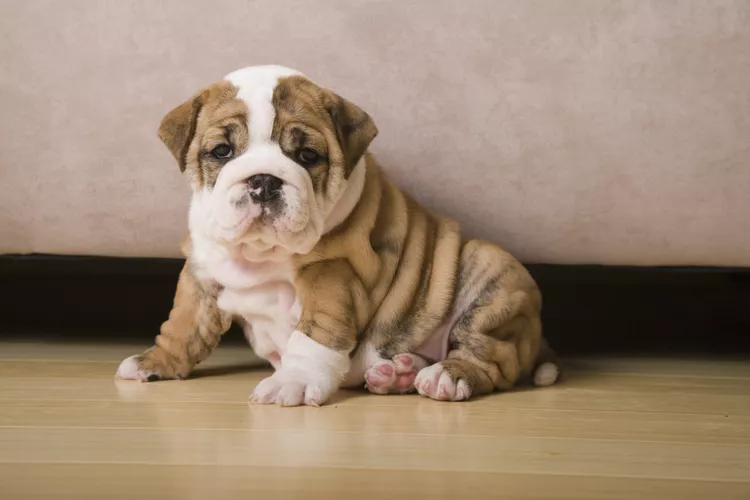
Pyoderma in Dogs
Pyoderma is a skin infection commonly seen in puppies that may indicate a compromised immune system. Learn the causes, treatment, and prevention.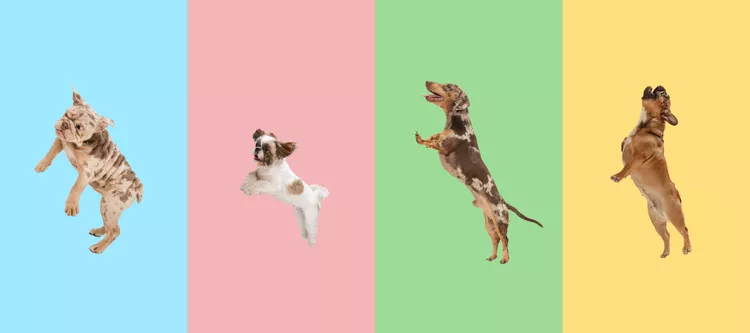
Dog Hiccups: How to Get Rid of Them
Dog hiccups in dogs are a fleeting nuisance in most cases, but sometimes they can mean something more. Learn what to watch for and find out how to get rid of dog hiccups.
5 Common Foods In Your Pantry That Are Not Safe For Your Pets
One potato chip is not going to hurt your pet, but there are other foods that can. Learn which to avoid and some safe foods that can be used as treats.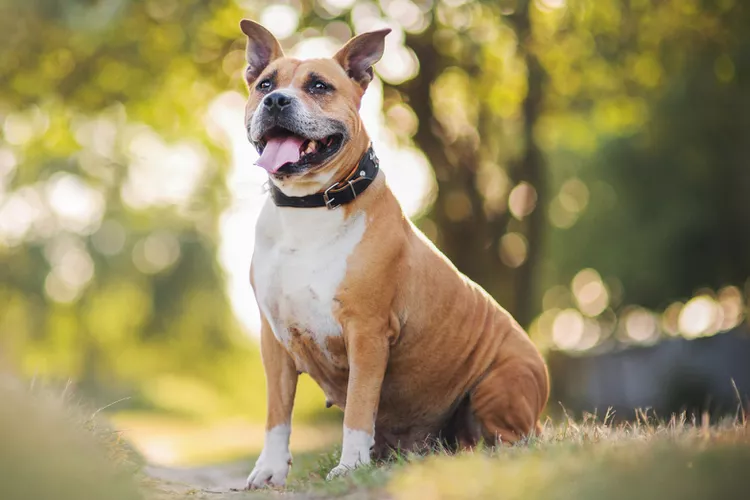
American Staffordshire Terrier: Breed Characteristics & Care
The American Staffordshire terrier is a type of pit bull with a friendly nature. Learn about the Am Staff's history, training, health, and more.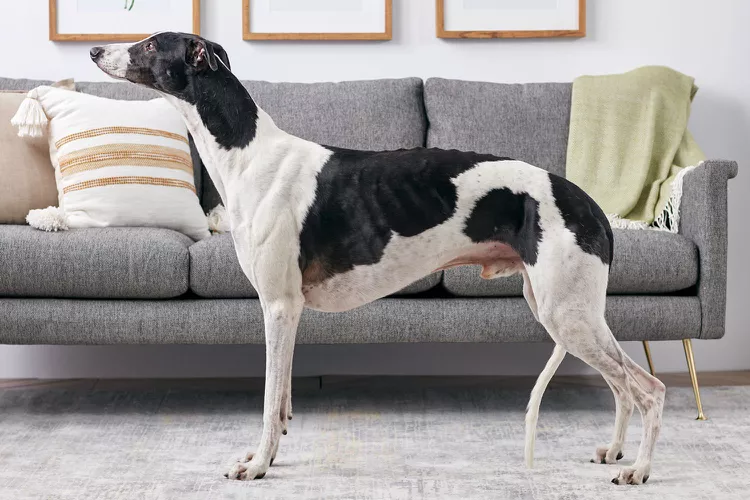
Greyhound: Dog Breed Characteristics & Care
Learn about the greyhound, the fastest dog breed in the world. They're also a loyal companion that's non-aggressive and good with children.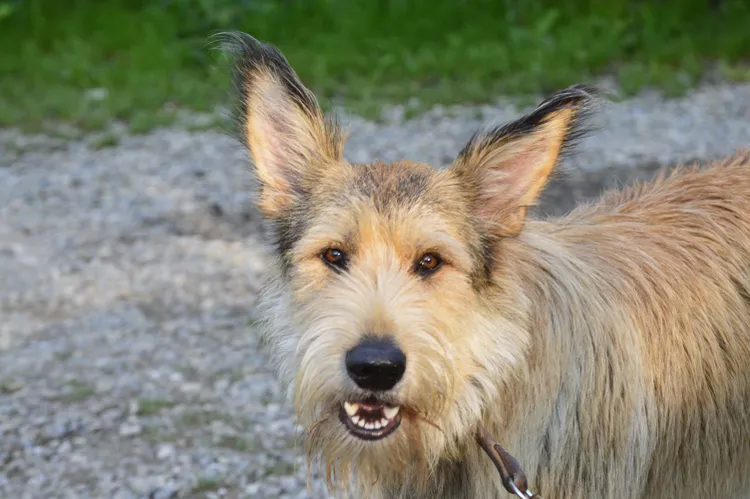
Berger Picard: Dog Breed Characteristics & Care
The Berger Picard is a French herding dog with a friendly smile and shaggy beard. Learn about its history, health, exercise needs, and more.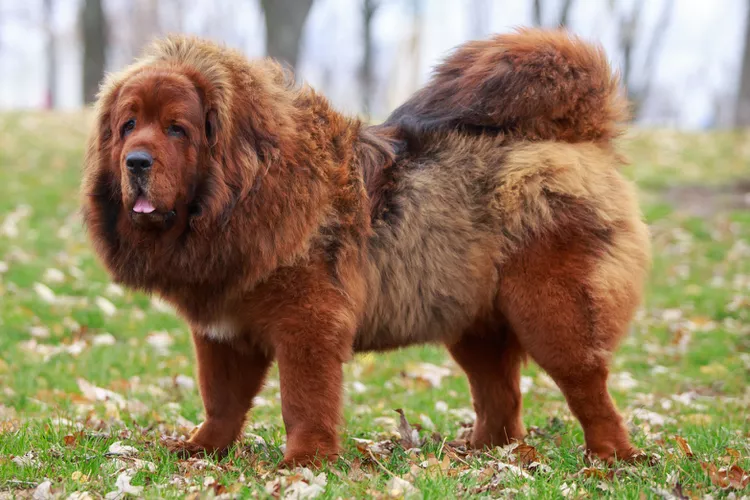
Tibetan Mastiff: Dog Breed Characteristics & Care
Learn about the Tibetan mastiff, an ancient guardian dog breed. This breed is known for their massive stature, flowing mane, and protective personality.
Can Dogs Eat Cantaloupe?
Find out if dogs can eat cantaloupe and if it's healthy. Learn how to feed dogs cantaloupe safely and what to watch out for.
Are Bones Safe for Dogs?
Are bones safe for dogs? Find out if it's really safe to give bones to dogs. Learn about the dangers of feeding bones to your dog.
Can Dogs Eat Kale?
Kale is rich in nutrients, but because it contains compounds that can harm dogs, veterinarians caution against making it a regular part of their diet.
Here’s How to Stop Your Dog from Jumping on You When Excited
Although it can be cute the first few times your dog jumps on you, it can quickly turn into a bad habit, especially if your pooch starts jumping on strangers. Here’s how to stop your dog from jumping on you when excited.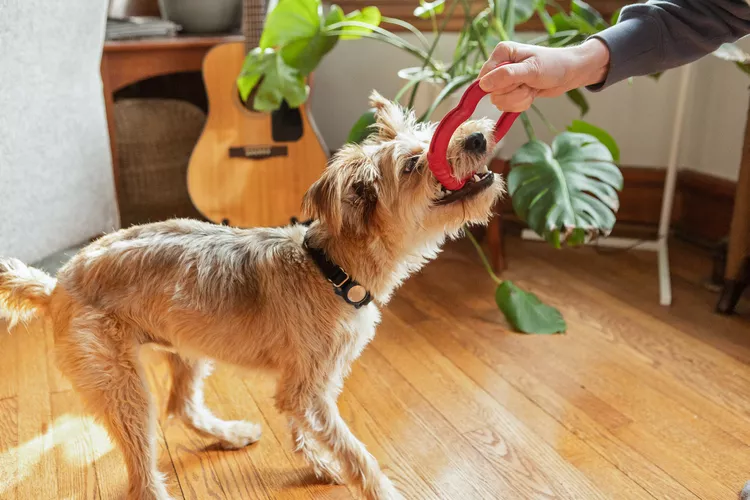
How to Stop Sudden Aggression in a Dog
It's not normal for a friendly dog to suddenly become aggressive. Sudden behavior changes may indicate a health problem and should not be ignored.
Different Meanings of a Dog's Wagging Tail
A dog wagging his tail is a common sight, but it may mean more than you think. Find out why dogs wag their tails and what canine tail wagging means.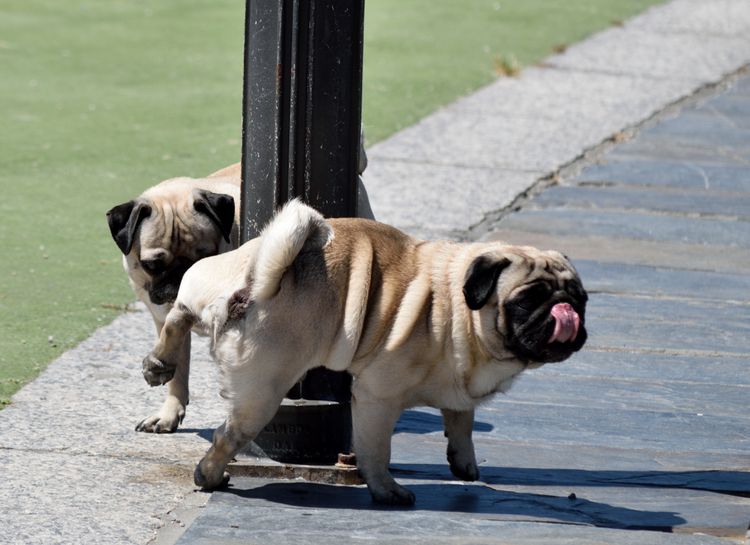
Why Do Dogs Lick Other Dogs' Pee?
Sometimes a dog will lick another dog's urine. Find out why dogs lick other dogs' pee and learn how to stop it.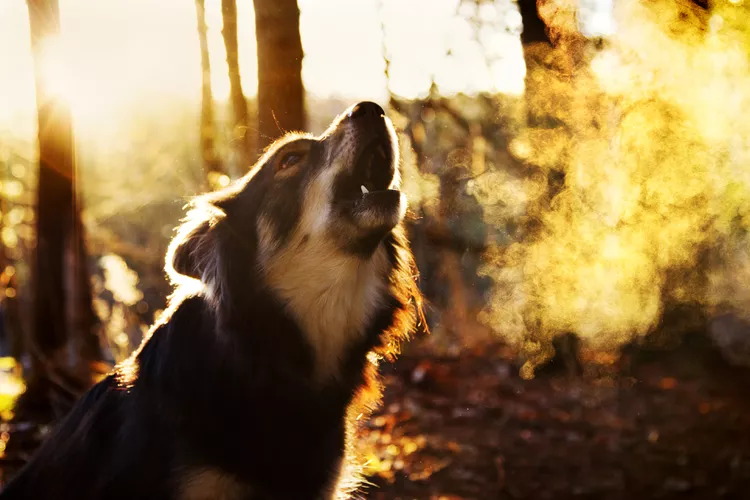
How to Stop Your Dog From Barking Excessively
All dogs bark, but excessive barking is a behavior problem. Learn how to help stop excessive barking and prevent it from happening all the time.



:strip_icc():format(webp)/40926432_560505141051912_3896594467564281999_n-5ba052bac9e77c0050e669bb.jpg)
:strip_icc():format(webp)/the-best-dogs-for-kids-1118132_Final-resized-1b715033ccae4a10a0120c3bd56951c9.png)