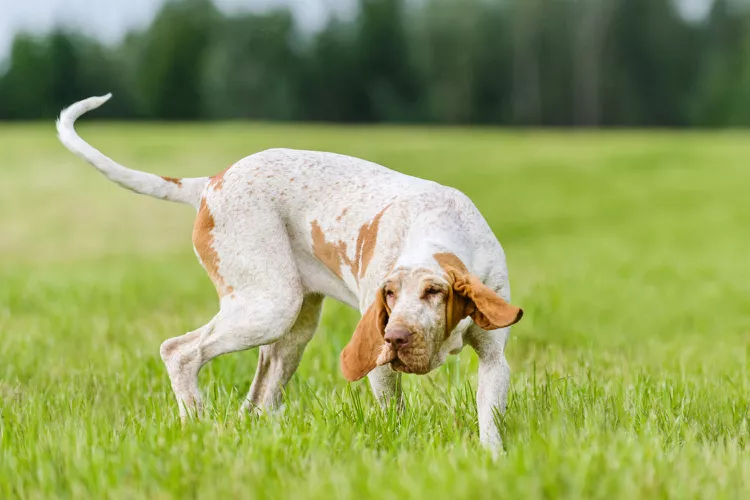
The Bracco Italiano is a large sporting breed from Italy with long hound ears, floppy jowls, a slim nose, and a lean but powerful build. Also known as Italian Pointers or Italian Pointing Dogs, these talented hunters are popular in their home country but rare in the United States. One of only two gun dogs native to Italy (the other is the Spinone Italiano), the Bracco Italiano is classified as a versatile hunting breed.
The Bracco Italiano is equally skilled at all aspects of bird hunting: scenting birds in the field, pointing them out, and retrieving downed birds to the hunter. Their white coats can be speckled or marked with orange and chestnut. While these dogs are great on the hunt, they also make beloved companions at home.
Group: Sporting
Height: 21 to 27 inches
Weight: 55 to 90 pounds
Coat: Short, dense, and smooth fur
Coat Color: White, white and orange, or white and chestnut
Life Span: 10 to 14 years
Temperament: Affectionate, intelligent, active, stubborn, loyal
Hypoallergenic: No
Origin: Italy
The Bracco Italiano loves to hunt. In fact, its instincts are so ingrained that providing the Bracco with a hunting home is almost a prerequisite to owning this breed. These dogs are slow, methodical hunters. The Bracco has an exceptional nose, is a great retriever, and has a very soft mouth (a term that refers to its ability to retrieve and carry birds without damaging them).
At home, this gentle-natured dog forms a strong bond with its owners and needs to be included as part of the family. Bracco Italianos tend to get along well with dogs and other household pets when socialized properly, and they're known for having loving personalities toward children. Since this breed is large, adults should always supervise its interactions with young kids. When provided with the proper exercise and mental stimulation each day—especially when it's able to hunt—the Bracco Italiano has a gentle and well-mannered temperament in the house.
The Bracco Italiano originated in Northern Italy. In fact, its name translates to "Italian hound." It has been registered with an official breed standard since 1949, but its roots go back as far as the 4th and 5th centuries B.C. When it was first bred, two types existed simultaneously, including white-and-orange dogs in the Piedmont area and roan-and-brown dogs in the Lombardy area. When the Bracco Italiano neared extinction in the late 1800s, dedicated enthusiasts repopulated the breed. During that process, they brought the two varieties together.
The first Bracchi Italiani (the Italian plural spelling of its name) didn’t step onto American soil until the 1990s. The Bracco Italiano Club of America was formed in 2007. These dogs are part of the American Kennel Club’s Miscellaneous Class, which is a stepping stone toward full recognition, though the breed is closest to the Sporting Group. The Bracco Italiano is also recognized as part of the Gun Dog Group in the United Kennel Club.
The Bracco Italiano is a high-energy dog with considerable exercise needs each day. Thankfully, as long as owners keep these dogs active, their grooming and training requirements are typically easy to fulfill.
These large, athletic dogs have the strength and endurance to work all day in the field, but with enough regular exercise, the Bracco Italiano is calm and obedient in the home. Owners should plan for at least two hours per day of vigorous activities like hunting when possible, but other options like walking, jogging, and swimming can suffice as well. Without enough exercise and work—which can include any activity that engages their instincts and skills—the Bracco Italiano may become bored and destructive inside the home.
The Bracco Italiano's short, glossy coat is easy to care for. Brush your dog a few times each week using a de-shedding glove or a boar-bristle brush to remove loose hair. This breed is also known for excessive drooling, so it's not the best choice for owners that can't tolerate this messy habit.
Since the Bracco Italiano has such long ears, it's more prone to ear infections than those with short or upright ears. Floppy ears trap in moisture, so owners need to be proactive by checking them weekly and cleaning the ears anytime dirt and debris build up inside. Use a pet-safe ear cleaner with a cotton ball, avoiding cotton swabs that can damage the delicate inner ear structure. Owners should also trim the nails and brush the teeth regularly.
The Bracco Italiano is loyal and willing to please. These dogs can be quite trainable aside from occasional stubbornness, but it's important for owners to know that they don't do well with harsh training techniques involving punishment. Instead, this friendly hunter's sensitive side responds best to positive reinforcement with repetition and gentle delivery. Reward your dog with treats, affection, and playtime for desirable behaviors and provide consistency.
Basic obedience lessons should begin when puppies are about eight weeks old. If you intend to hunt with your Bracco Italiano, start training early with lots of bird exposure. In addition to hunting, this breed excels at field trials, tracking, and nose work.
The Bracco Italiano is a relatively healthy breed. However, like most purebred dogs, it's still susceptible to a few inherited health conditions. Reputable breeders test their adult dogs for genetic issues before breeding to avoid passing problems down to puppies. When buying a Bracco Italiano puppy from a breeder, always ask for clear test results from both parents.
The following are common conditions associated with this breed:
The large and active Bracco Italiano needs a lot of fuel and tends to eat a lot. Dogs that hunt regularly and get plenty of exercise can have difficulty keeping weight on their large frames. A high-quality, calorie-dense food can help in these cases. On the flip side, a Bracco that doesn’t exercise as much should be fed carefully measured meals to avoid excess weight gain. Too much weight can contribute to joint issues like hip dysplasia and health conditions like diabetes.
If you're unsure how much to feed your dog, the best option is to talk to your veterinarian. They can work together with you to create a healthy diet and portion plan based on your specific dog's age, weight, and activity level.
If you’re looking for a beautiful, unique, and exceptionally skilled hunting dog, the Bracco Italiano might be right for you. Those who choose to bring a Bracco into their lives will find unparalleled loyalty, love, and affection. Since this is a rare breed in the United States, it's not likely to find these dogs in local shelters, but the national breed club offers rescue options to adopt a Bracco in need of a forever home.
To adopt a puppy from a breeder, it's important to do your research first. Ensure that your breeder provides the litter's medical background, allows you to meet their parents, and shows you that the dogs are raised in a comfortable, safe indoor location. Puppies from breeders typically cost between $1,200 and $2,500, tending toward the higher end based on pedigree and availability.
To start your search, check out resources like the national breed club's rescue and breeder referral as well as the AKC:
Excellent hunter
Loving and loyal family companion
Unique and attractive
Tendency to drool and bark often
Needs a lot of exercise; best for hunting homes
Can become destructive without enough exercise and engagement
If you love the Bracco Italiano, you might also like these similar breeds:
There are plenty of different dog breeds out there that can join your family. With a little research, you can find the perfect match to bring home!
The Bracco Italiano is a great family dog for households that hunt, but this breed is not recommended for families that can't provide it an outlet for these instincts. With high exercise needs and a drive to hunt, the Bracco is happiest in the field and typically calm at home.
Bred for scenting, tracking, and retrieving birds, the Bracco Italiano is a well-rounded hunting dog that specializes in game fowl. These dogs are also skilled at other nose work activities and enjoy joining their owners when hiking, running, and swimming.
Although their coats are short and smooth, Bracco Italiano dogs are known for shedding. Thankfully, owners can reduce shedding by brushing these dogs regularly.

Legg-Calve-Perthes Disease in Dogs
Legg-Calve-Perthes is a congenital disorder affecting the hip joints of dogs—particularly small breeds. Learn the causes, treatment, and prevention.
Bloat in Dogs
Bloat, or gastric dilation volvulus (GDV), is an emergency that generally affects large breed dogs. Learn the causes, treatment, and prevention.
Anemia in Dogs
Anemia is a low red blood cell count. In dogs, it can indicate various problems—some of them serious. Learn the causes, treatment, and prevention.
Ear Yeast Infections in Dogs
Ear yeast infections in dogs are common, uncomfortable, smell bad, and dangerous if untreated. Learn the causes, treatment, and prevention.
Neutering Your Dog Explained
What does it mean to neuter a dog? Learn about neutering or castration in dogs and why it is done. Find out what to expect when your dog is neutered.
Pyoderma in Dogs
Pyoderma is a skin infection commonly seen in puppies that may indicate a compromised immune system. Learn the causes, treatment, and prevention.
Dog Hiccups: How to Get Rid of Them
Dog hiccups in dogs are a fleeting nuisance in most cases, but sometimes they can mean something more. Learn what to watch for and find out how to get rid of dog hiccups.
5 Common Foods In Your Pantry That Are Not Safe For Your Pets
One potato chip is not going to hurt your pet, but there are other foods that can. Learn which to avoid and some safe foods that can be used as treats.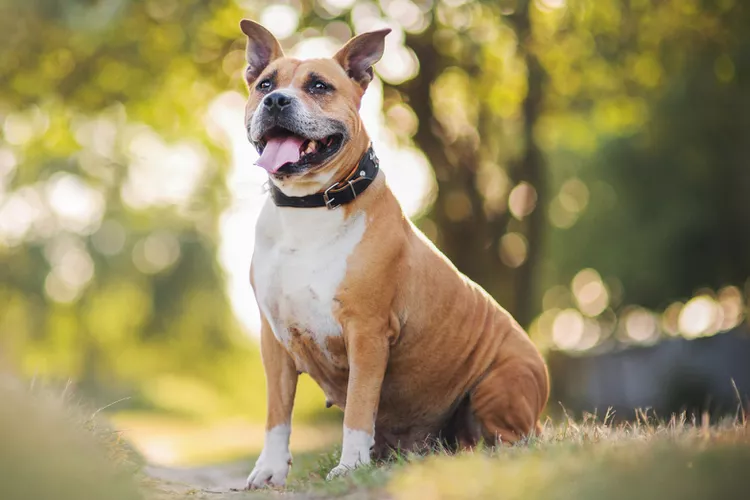
American Staffordshire Terrier: Breed Characteristics & Care
The American Staffordshire terrier is a type of pit bull with a friendly nature. Learn about the Am Staff's history, training, health, and more.
Greyhound: Dog Breed Characteristics & Care
Learn about the greyhound, the fastest dog breed in the world. They're also a loyal companion that's non-aggressive and good with children.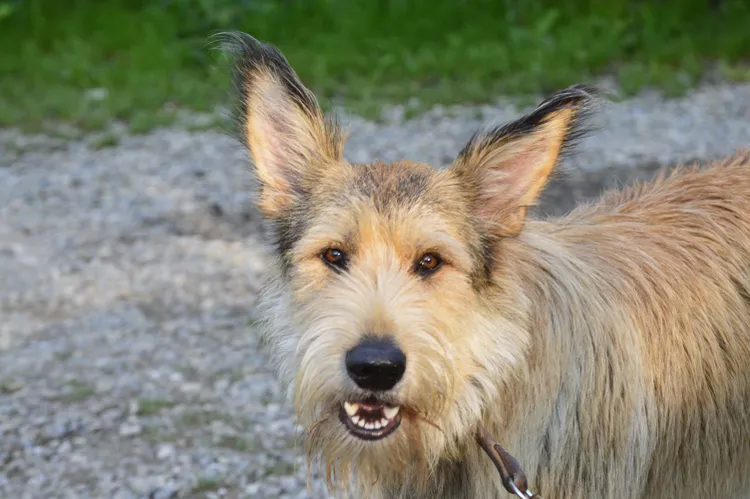
Berger Picard: Dog Breed Characteristics & Care
The Berger Picard is a French herding dog with a friendly smile and shaggy beard. Learn about its history, health, exercise needs, and more.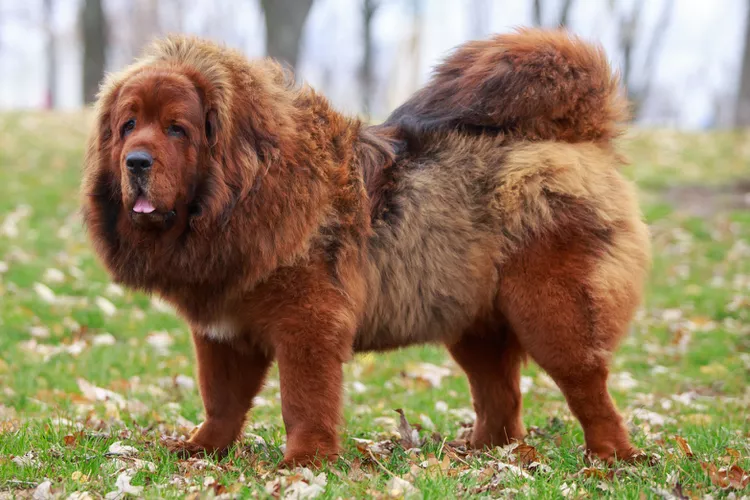
Tibetan Mastiff: Dog Breed Characteristics & Care
Learn about the Tibetan mastiff, an ancient guardian dog breed. This breed is known for their massive stature, flowing mane, and protective personality.
Can Dogs Eat Cantaloupe?
Find out if dogs can eat cantaloupe and if it's healthy. Learn how to feed dogs cantaloupe safely and what to watch out for.
Are Bones Safe for Dogs?
Are bones safe for dogs? Find out if it's really safe to give bones to dogs. Learn about the dangers of feeding bones to your dog.
Can Dogs Eat Kale?
Kale is rich in nutrients, but because it contains compounds that can harm dogs, veterinarians caution against making it a regular part of their diet.
Here’s How to Stop Your Dog from Jumping on You When Excited
Although it can be cute the first few times your dog jumps on you, it can quickly turn into a bad habit, especially if your pooch starts jumping on strangers. Here’s how to stop your dog from jumping on you when excited.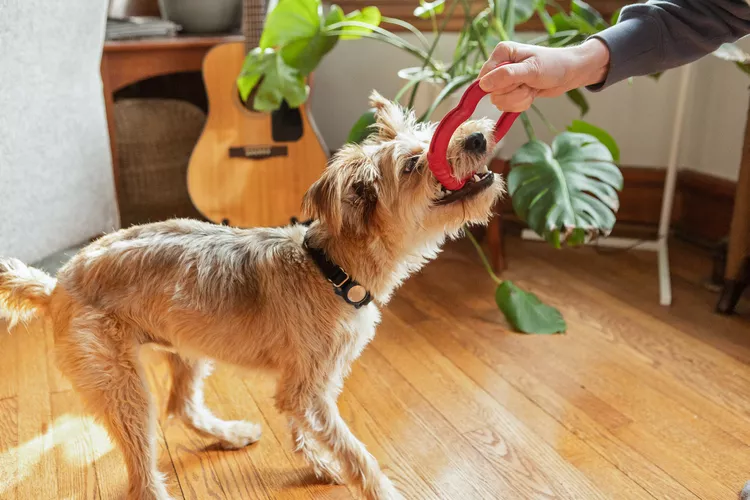
How to Stop Sudden Aggression in a Dog
It's not normal for a friendly dog to suddenly become aggressive. Sudden behavior changes may indicate a health problem and should not be ignored.
Different Meanings of a Dog's Wagging Tail
A dog wagging his tail is a common sight, but it may mean more than you think. Find out why dogs wag their tails and what canine tail wagging means.
Why Do Dogs Lick Other Dogs' Pee?
Sometimes a dog will lick another dog's urine. Find out why dogs lick other dogs' pee and learn how to stop it.
How to Stop Your Dog From Barking Excessively
All dogs bark, but excessive barking is a behavior problem. Learn how to help stop excessive barking and prevent it from happening all the time.



:strip_icc():format(webp)/Italian-dog-names-50249122-481a8e685313411191ba1cf4458d3c9e.jpg)
:strip_icc():format(webp)/dachshund-649146097-588a2d0f5f9b5874eeeb3417.jpg)
:strip_icc():format(webp)/best-hunting-dogs-4177817-final2-e5ce18a1cb45470ea86b5572a03b23e7.png)