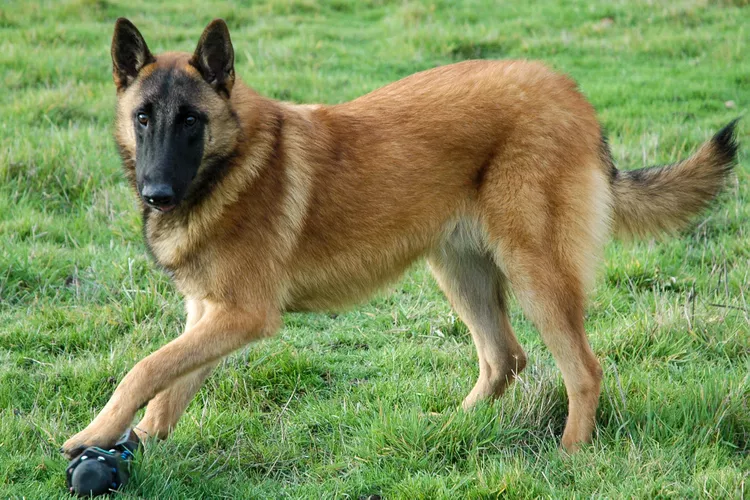
The Belgian Malinois is a medium-sized herding dog with boatloads of athleticism, energy, and smarts. These sheepdogs from Belgium thrive when then have a job, making them excellent candidates for police and military operations.
What makes them good working dogs—the intelligence and vitality, namely—might rule the Belgian Malinois out for many potential pet owners. Ever-loyal Mals need committed, active owners who are willing to provide hours of mental and physical stimulation daily.
If that's you, learn more about the Belgian Malinois:
GROUP: Herding
HEIGHT: 22 to 24 inches (female), 24 to 26 inches (male)
WEIGHT: 40 to 60 pounds (female), 60 to 80 pounds (male)
COAT: Short, smooth double coat
COAT COLOR: Fawn, mahogany, red, red sable, or fawn sable with a black mask
LIFE SPAN: 14 to 16 years
TEMPERAMENT: Intelligent, active, loyal
HYPOALLERGENIC: No
ORIGIN: Belgium
Belgian Malinois' temperament are marked by their high energy level. They need lots of mental stimulation and physical activity every day. These dogs generally have a moderately affectionate and friendly personality, and they form strong bonds with their primary owners.
While these dogs have characteristics similar to the German shepherd, the breeds have a different head shape, and the Belgian Malinois is leaner and has shorter fur.
The Belgian Malinois is one of four Belgian shepherd varieties alongside the Tervuren, the Groenendael, and the Laekenois. These Belgian shepherds date back to the 1800s, and the Malinois get their name from the city of Mechelen (Malines) where they were developed. Breeders were looking to create a strong herding dog and protector with a steadfast work ethic.
The Malinois first arrived in the United States in the early 1900s, but their shot-lived popularity dissipated after World War II. But their popularity rose again in the 1960s after the American Kennel Club recognized the Malinois in 1959.
By the turn of the 21st century, Belgian Malinois were commonly seen working as police dogs, military dogs, drug-detection dogs, and search-and-rescue dogs. The Secret Service even employs them to patrol the White House grounds. Plus, Belgian Malinois are part of Navy SEAL teams, including the one that killed Osama bin Laden in 2011.
The Belgian Malinois is not the right breed for everyone. These dogs generally aren’t well-suited to living in an apartment because they need lots of space to run and play. They’re best for owners with an active lifestyle who can provide plenty of ways for the dogs to exercise their minds and bodies. These dogs also require proper training and socialization to ensure they are well-mannered. And their grooming is fairly simple.
It is essential for Belgian Malinois to receive vigorous daily exercise and mental stimulation. Otherwise, they might become anxious or develop behavior problems. Aim for at least one to two hours of exercise per day, including brisk walks, running, hiking, and playing fetch. This breed also is an excellent candidate for dog sports or any activity that involves focus and endurance to challenge their brains and bodies.
Remember: Your Belgian Malinois needs more exercise than many other breeds. A couple easy walks aren't enough—unless you run about 5 miles a day with your pup. Be sure to schedule time for vigorous exercise throughout the day.
Be aware that the Belgian Malinois’ herding instinct might create a tendency to chase cars, bikes, and other moving objects. So they must be kept on leash or in a secure fenced area.
Grooming is likely the easiest part of owning a Belgian Malinois. They have a short, straight, weather-resistant coat with a dense undercoat. In general, little more than basic grooming is necessary. Plan to brush at least weekly to remove loose fur and prevent mats. Shedding often increases as the weather changes in the spring and fall, necessitating more regular brushing and vacuuming.
Check whether your dog needs a nail trim roughly once a month. Some dogs can go longer between nail trims if they naturally wear down their nails through activity, such as walking on pavement. Also, aim to brush their teeth daily.
In general, this breed is highly trainable, intelligent, and eager to please. They respond well to positive reinforcement and consistent instruction.
Training and socialization should begin early in Belgian Malinois’ puppyhood. Enroll in a puppy obedience class as soon as your dog meets the age requirement, and expose your dog to different people, other animals, and situations. Belgian Malinois don’t always get along with other dogs, but having positive exposure to other dogs from a young age can help.
Likewise, this breed isn’t always appropriate for families with children. Their high herding instinct can cause them to nip at kids’ heels. Even if you don’t have kids, it’s important to train your dog to be well-mannered around children, so you’re always able to safely control situations.
Some hereditary health problems can occur in the breed. You should be aware of:
Always make sure your dog has access to fresh water. Feed a high-quality, nutritionally balanced canine diet; most owners feed two meals per day. Discuss the variety and quantity with your veterinarian, as this can vary based on age, size, activity level, and other factors. And be sure to account for treats in your dog's daily caloric intake to prevent overeating.
Check local animal shelters and breed-specific rescue groups for a Belgian Malinois in need of a home. If you're looking for a breeder puppy, expect to pay around $2,000, though this can vary widely depending on bloodline and other factors. For further information to help connect you with a Belgian Malinois, check out:
Belgian Malinois can be excellent companions for the right pet owner. Here's a pros and cons list to see if that could be you:
Pros:
Cons:
As with any breed, if you think the Belgian Malinois is right for you, be sure to do your research before you get one. Talk to your veterinarian, other Belgian Malinois owners, reputable breeders, dog trainers, and rescue groups to learn more.
If you're interested in similar breeds, check out:
There’s a whole world of potential dog breeds out there—with a little research, you can find the right one to bring home!
For an active family, the Belgian Malinois can be a good dog. But all family members need to know how to act with such a high-energy dog. Mals are quite an intense dog with a high prey drive and instinct to chase and herd. They often don't do well around rambunctious children and might become nippy.
Prices for Belgian Malinois puppies often depend on their bloodlines, whether they were bred to work or compete in a canine sport. If you're looking to buy a dog who will help you do police work or conduct search-and-rescue missions, it's gonna cost a pretty penny.
Here are the people who shouldn't own a Mal: people who are away from home most of the day; people who can't provide enough training or exercise; people with small, rambunctious children; and people who live in apartments or condos.
Legg-Calve-Perthes Disease in Dogs
Legg-Calve-Perthes is a congenital disorder affecting the hip joints of dogs—particularly small breeds. Learn the causes, treatment, and prevention.
Bloat in Dogs
Bloat, or gastric dilation volvulus (GDV), is an emergency that generally affects large breed dogs. Learn the causes, treatment, and prevention.
Anemia in Dogs
Anemia is a low red blood cell count. In dogs, it can indicate various problems—some of them serious. Learn the causes, treatment, and prevention.
Ear Yeast Infections in Dogs
Ear yeast infections in dogs are common, uncomfortable, smell bad, and dangerous if untreated. Learn the causes, treatment, and prevention.
Neutering Your Dog Explained
What does it mean to neuter a dog? Learn about neutering or castration in dogs and why it is done. Find out what to expect when your dog is neutered.
Pyoderma in Dogs
Pyoderma is a skin infection commonly seen in puppies that may indicate a compromised immune system. Learn the causes, treatment, and prevention.
Dog Hiccups: How to Get Rid of Them
Dog hiccups in dogs are a fleeting nuisance in most cases, but sometimes they can mean something more. Learn what to watch for and find out how to get rid of dog hiccups.
5 Common Foods In Your Pantry That Are Not Safe For Your Pets
One potato chip is not going to hurt your pet, but there are other foods that can. Learn which to avoid and some safe foods that can be used as treats.
American Staffordshire Terrier: Breed Characteristics & Care
The American Staffordshire terrier is a type of pit bull with a friendly nature. Learn about the Am Staff's history, training, health, and more.
Greyhound: Dog Breed Characteristics & Care
Learn about the greyhound, the fastest dog breed in the world. They're also a loyal companion that's non-aggressive and good with children.
Berger Picard: Dog Breed Characteristics & Care
The Berger Picard is a French herding dog with a friendly smile and shaggy beard. Learn about its history, health, exercise needs, and more.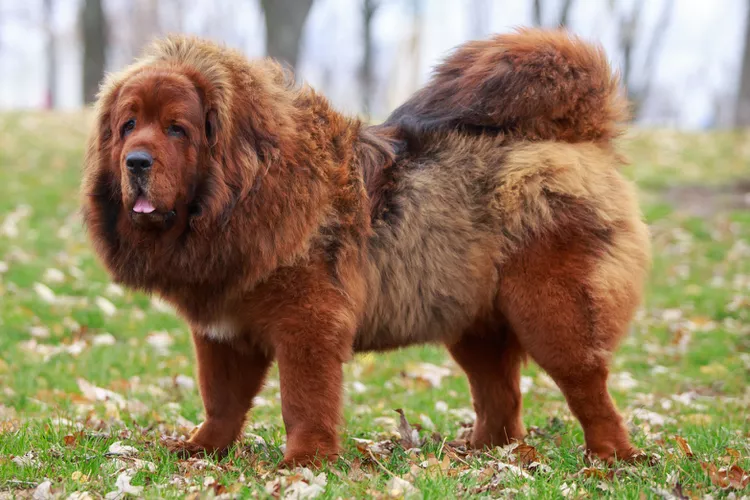
Tibetan Mastiff: Dog Breed Characteristics & Care
Learn about the Tibetan mastiff, an ancient guardian dog breed. This breed is known for their massive stature, flowing mane, and protective personality.
Can Dogs Eat Cantaloupe?
Find out if dogs can eat cantaloupe and if it's healthy. Learn how to feed dogs cantaloupe safely and what to watch out for.
Are Bones Safe for Dogs?
Are bones safe for dogs? Find out if it's really safe to give bones to dogs. Learn about the dangers of feeding bones to your dog.
Can Dogs Eat Kale?
Kale is rich in nutrients, but because it contains compounds that can harm dogs, veterinarians caution against making it a regular part of their diet.
Here’s How to Stop Your Dog from Jumping on You When Excited
Although it can be cute the first few times your dog jumps on you, it can quickly turn into a bad habit, especially if your pooch starts jumping on strangers. Here’s how to stop your dog from jumping on you when excited.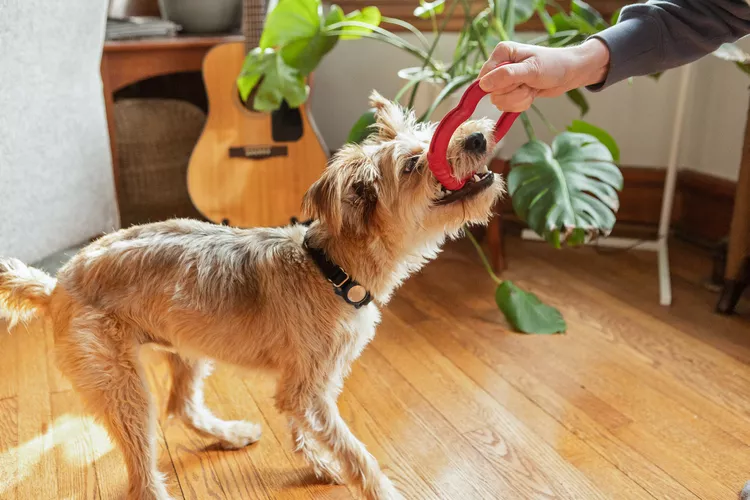
How to Stop Sudden Aggression in a Dog
It's not normal for a friendly dog to suddenly become aggressive. Sudden behavior changes may indicate a health problem and should not be ignored.
Different Meanings of a Dog's Wagging Tail
A dog wagging his tail is a common sight, but it may mean more than you think. Find out why dogs wag their tails and what canine tail wagging means.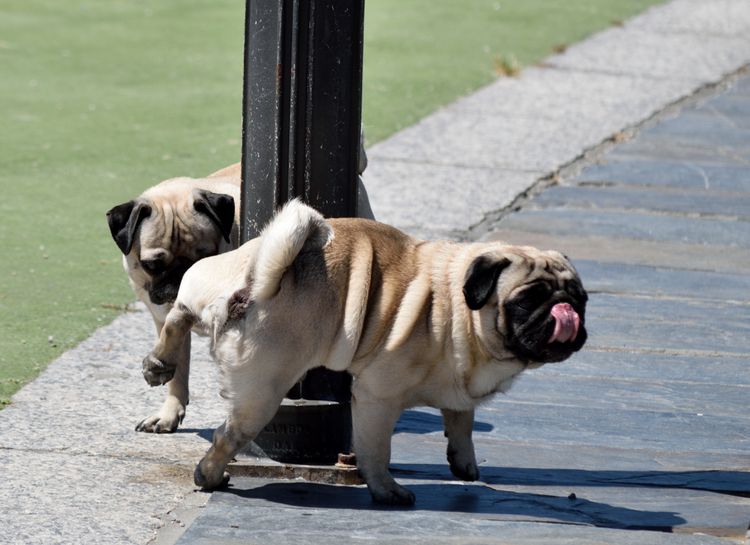
Why Do Dogs Lick Other Dogs' Pee?
Sometimes a dog will lick another dog's urine. Find out why dogs lick other dogs' pee and learn how to stop it.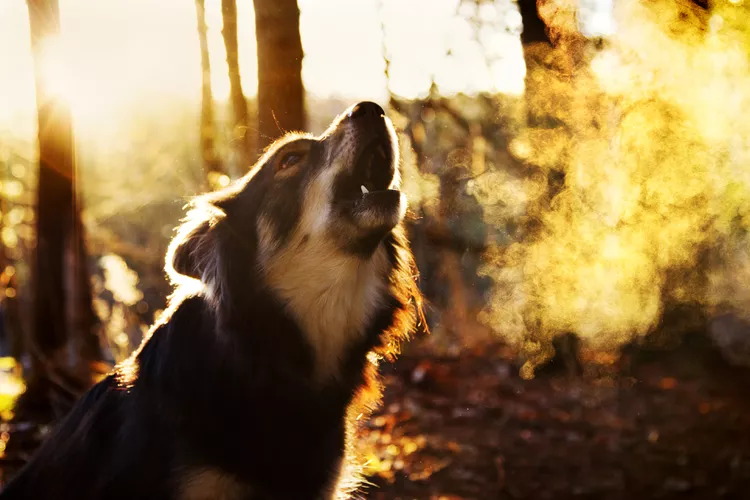
How to Stop Your Dog From Barking Excessively
All dogs bark, but excessive barking is a behavior problem. Learn how to help stop excessive barking and prevent it from happening all the time.