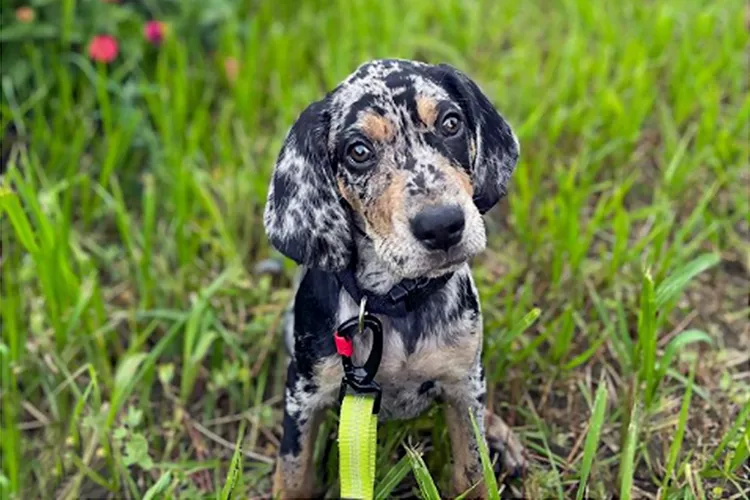
Energetic and protective, the American leopard hound gets their name from not only where the breed originated but also their classic spotted coat and skills on the hunting grounds. This medium to large dog is also known as a leopard cur and is very vocal and tough. Despite these intimidating qualities, they can also be affectionate with a family that likes to stay active.
Learn more about this treeing dog breed.
Group: Scenthound (United Kennel Club)
Height: 22 - 27 inches (Males), 21 - 25 inches (Females)
Weight: 45 - 75 lbs (Males), 35 - 65 lbs (Females)
Coat: Short, dense
Coat Colors: Solid colored or leopard/spotted with red, blue, merle, brindle, and/or black with white markings
Life Span: 12-15 years
Temperament: Affectionate, friendly, protective
Hypoallergenic: No
Origin Country: United States of America
Sometimes confused with the Catahoula leopard dog, the American leopard hound is perfect for a hunter who likes the look and qualities of the Catahoula but prefers a slightly smaller breed that may be a little better with kids and other dogs. The American leopard hound is very protective and adaptable, requires a lot of mental stimulation, and like all hounds, is very vocal.
A classic American tree dog, the American leopard hound is one of the oldest in the country of its kind, but the breed's origins are unknown. Differing opinions about the breed's beginnings include Spanish, French, English, Irish, and Scottish hound and herding dogs. Originally known as leopard curs, American leopard hounds grew in popularity throughout the 18th century but by the middle part of the 20th century, the breed wasn't as popular.
Because of the lack of purebred examples of the breed, in the 1960s, the American Leopard Cur Breeders Association (ALCBA) was created in an attempt to save the breed. The Leopard Cur was recognized by the United Kennel Club (UKC) in 1998 and in 2008, its name was officially changed to American Leopard Hound.
This high-energy dog is very trainable and has a strong urge to please their owner. Proper care includes attending to both physical and mental needs to keep this breed in tip-top shape.
Because this breed was bred to hunt, they are built to run, chase, and bark and need outlets for those innate behaviors. If you don't plan to hunt with this breed, you'll need to find other ways to fulfill those instincts, like agility, scent work, or other canine sports. This is a breed for active families only, and they will cause mischief if they are bored and unfulfilled in the home.
While they don't have long hair, American leopard hounds do have a double coat that is pretty low-maintenance. Aside from regular, weekly brushing to help remove dead hair and small mats, an occasional bath is needed to keep them clean. Ear cleanings, teeth brushing, and nail trims should be done regularly.
American leopard hounds are a driven breed. They need to have a job and be mentally stimulated daily. Training should be a daily and ongoing activity. If regular hunts aren't a part of this dog's life, agility training, obedience trials, and other sports will be appreciated and enjoyed.
No dog breed is without any potential health problems, but the American leopard dog is an overall healthy breed. Breeders should be careful to avoid breeding two merle-colored dogs though as this will increase the likelihood of a puppy having sight and/or hearing issues. Watch out for the following conditions:
American leopard hounds should eat a complete and balanced diet with food approved by the Association of American Feed Control Officials (AAFCO). Be sure not to overfeed your dog because that can lead to obesity and other health problems. If you are unsure what or how much to feed your dog, consult your veterinarian.
The American leopard hound is not a common kind of dog, but there are some breeders that specialize in this hunting stock. The American Kennel Club Marketplace is one place to start your search for a breeder but dog shows, obedience and agility trials, and gun dog events may also introduce you to a breeder that specializes in the breed. Expect to pay around $1000 for a well-bred dog, and don't confuse them with Catahoula leopard dogs.
Great with young children
Good with other dogs
Adaptable to hot or cold environments
Very vocal
Requires a lot of mental stimulation
Needs a lot of exercise
If you’re interested in similar breeds, check out:
Both are great hunting dogs, but black and tan coonhounds only come in black and tan colors while American leopard hounds have a variety of colors and patterning. Additionally, black and tan coonhounds can grow to be almost twice the size of an American leopard hound.
Yes, American leopard hounds can make good family dogs for active families who are committed to giving this breed the proper mental and physical exercise they need.
No, an apartment is not the best space for an American leopard hound. They can grow to be up to 65 pounds and need a lot of space to play and exercise. This breed is also very vocal, which would likely not be appreciated in an apartment building.

Legg-Calve-Perthes Disease in Dogs
Legg-Calve-Perthes is a congenital disorder affecting the hip joints of dogs—particularly small breeds. Learn the causes, treatment, and prevention.
Bloat in Dogs
Bloat, or gastric dilation volvulus (GDV), is an emergency that generally affects large breed dogs. Learn the causes, treatment, and prevention.
Anemia in Dogs
Anemia is a low red blood cell count. In dogs, it can indicate various problems—some of them serious. Learn the causes, treatment, and prevention.
Ear Yeast Infections in Dogs
Ear yeast infections in dogs are common, uncomfortable, smell bad, and dangerous if untreated. Learn the causes, treatment, and prevention.
Neutering Your Dog Explained
What does it mean to neuter a dog? Learn about neutering or castration in dogs and why it is done. Find out what to expect when your dog is neutered.
Pyoderma in Dogs
Pyoderma is a skin infection commonly seen in puppies that may indicate a compromised immune system. Learn the causes, treatment, and prevention.
Dog Hiccups: How to Get Rid of Them
Dog hiccups in dogs are a fleeting nuisance in most cases, but sometimes they can mean something more. Learn what to watch for and find out how to get rid of dog hiccups.
5 Common Foods In Your Pantry That Are Not Safe For Your Pets
One potato chip is not going to hurt your pet, but there are other foods that can. Learn which to avoid and some safe foods that can be used as treats.
American Staffordshire Terrier: Breed Characteristics & Care
The American Staffordshire terrier is a type of pit bull with a friendly nature. Learn about the Am Staff's history, training, health, and more.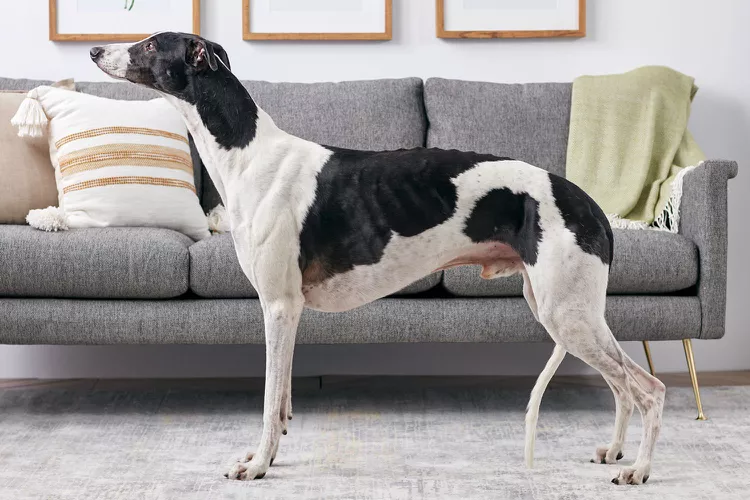
Greyhound: Dog Breed Characteristics & Care
Learn about the greyhound, the fastest dog breed in the world. They're also a loyal companion that's non-aggressive and good with children.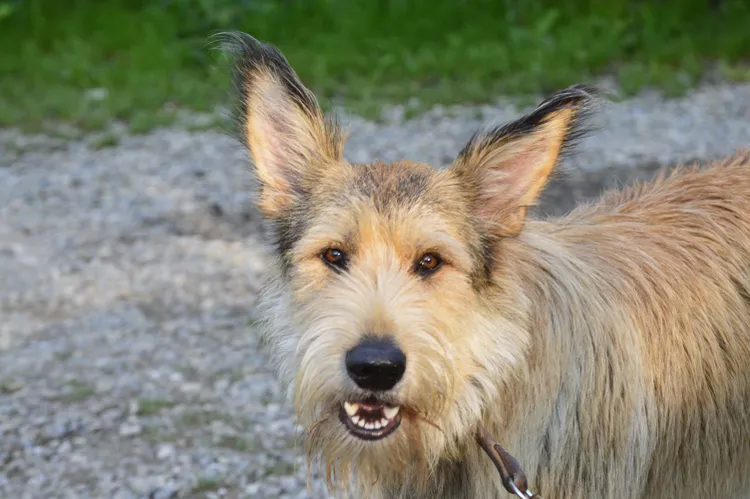
Berger Picard: Dog Breed Characteristics & Care
The Berger Picard is a French herding dog with a friendly smile and shaggy beard. Learn about its history, health, exercise needs, and more.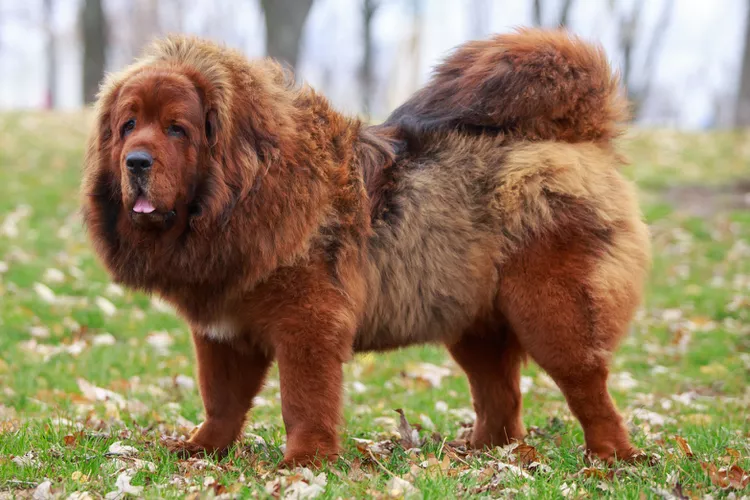
Tibetan Mastiff: Dog Breed Characteristics & Care
Learn about the Tibetan mastiff, an ancient guardian dog breed. This breed is known for their massive stature, flowing mane, and protective personality.
Can Dogs Eat Cantaloupe?
Find out if dogs can eat cantaloupe and if it's healthy. Learn how to feed dogs cantaloupe safely and what to watch out for.
Are Bones Safe for Dogs?
Are bones safe for dogs? Find out if it's really safe to give bones to dogs. Learn about the dangers of feeding bones to your dog.
Can Dogs Eat Kale?
Kale is rich in nutrients, but because it contains compounds that can harm dogs, veterinarians caution against making it a regular part of their diet.
Here’s How to Stop Your Dog from Jumping on You When Excited
Although it can be cute the first few times your dog jumps on you, it can quickly turn into a bad habit, especially if your pooch starts jumping on strangers. Here’s how to stop your dog from jumping on you when excited.
How to Stop Sudden Aggression in a Dog
It's not normal for a friendly dog to suddenly become aggressive. Sudden behavior changes may indicate a health problem and should not be ignored.
Different Meanings of a Dog's Wagging Tail
A dog wagging his tail is a common sight, but it may mean more than you think. Find out why dogs wag their tails and what canine tail wagging means.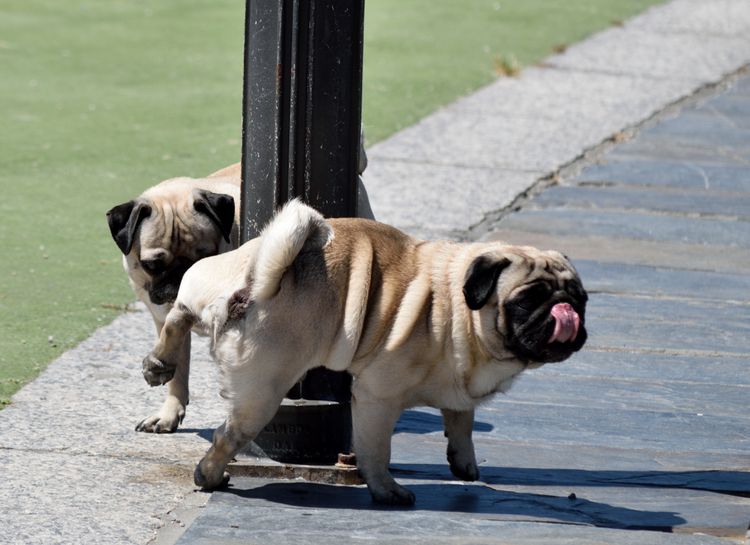
Why Do Dogs Lick Other Dogs' Pee?
Sometimes a dog will lick another dog's urine. Find out why dogs lick other dogs' pee and learn how to stop it.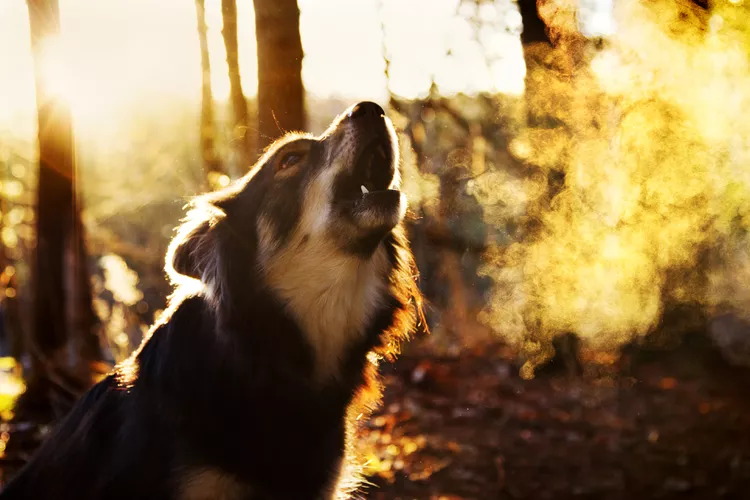
How to Stop Your Dog From Barking Excessively
All dogs bark, but excessive barking is a behavior problem. Learn how to help stop excessive barking and prevent it from happening all the time.