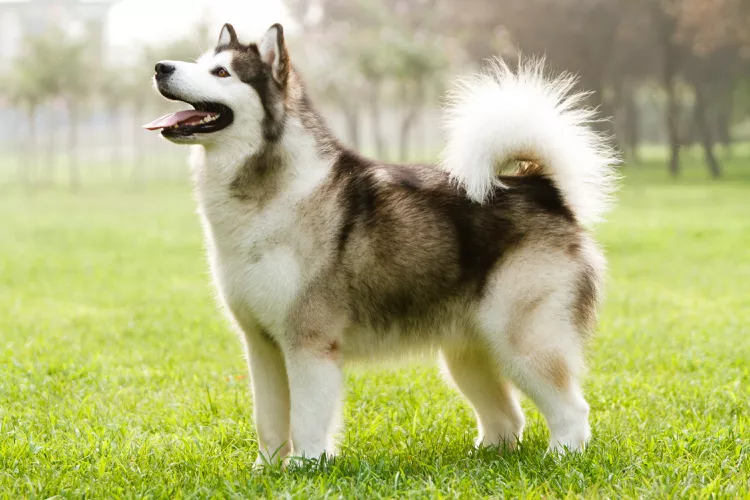
The Alaskan Malamute may look like a wolf, but this large working dog is a domestic Alaskan breed with pointed ears, a sturdy build, and the classic spitz tail that curves over its back. Prized for its strength and heart, this breed is popular among families and active individuals. Alaskan Malamutes were originally bred for diverse tasks needed in their native region like hunting polar bears and pulling heavy sleds.
It’s a common misnomer that Alaskan Malamutes are the result of wolf-dog hybrid breeding. While the breed we recognize today may have wolf ancestry, these dogs have been bred and kept in the North American tundra for centuries. And despite their immense size and stature, they’re friendly and people-oriented—making them good family dogs, but poor guard dogs.
Group: Working
Height: 24 to 27 inches (males); 22 to 24 inches (females)
Weight: 85 pounds (males); 75 pounds (females)
Coat: Thick double coat
Coat Color: Solid white or combinations of white and gray, seal, red, black, or silver
Life Span: 10 to 12 years
Temperament: Friendly, loyal, playful, affectionate, bright, courageous
Hypoallergenic: No
Origin: Alaska
A supersized dog requires a major investment of time and TLC, but the Alaskan Malamute will reward you as a lovable member of your family with a loyal temperament. These dogs are pack animals that require a strong leader. When well-trained and given the necessary commitment by their owners, Malamutes are incredibly affectionate and filled with playful personality traits (though like their smaller Siberian husky cousins, they can also be stubborn).
One thing that might surprise you about the Alaskan Malamute is that they don’t make great guard dogs. This breed has a naturally friendly nature that leads them to greet most strangers as friends rather than foes. Of course, their intimidating size might be deterrent enough to would-be intruders.
The history of the Alaskan Malamute starts in the far north, and it's a classic example of the synergy that can exist between man and animal trying to survive in the harshest conditions. The breed we know today was originally developed by the Mahlemiut Inuit tribe in northwestern Alaska.
While it’s believed that the breed may have been developed with wolf lineage many generations back, the Malamute is a domesticated dog that has been bred by the Mahlemiut tribe for centuries. These dogs were used by the indigenous people of northwestern Alaska to pull heavy sleds in teams, on hunting expedition trips for seals and polar bears, or as decoys when bear hunting. Their versatile history is centered around working, which made steadiness and strength the breed's strong points. This is in contrast to the smaller Siberian husky, which was bred for speed when traveling long distances while pulling sleds.
The Alaskan Malamute was also put to work during the Klondike Gold Rush. Prospectors recognized the strength and stamina of these hardworking canines as a real asset when navigating and mining the Klondike for gold.
Variants of the Malamute breed developed in arctic regions spanning from Alaska to Greenland. In the 1920s, an interest in competitive sled dog racing led to the further breeding and development of these dogs. However, only one variant of the Malamute—the Kotzebue—received early AKC recognition in 1935.
Despite its suitability for a wide range of tasks, the breed was in serious decline after World War II. In fact, some sources estimate that the Malamute had a population of only 30 in 1947. To ensure its viability, the AKC expanded the breed's recognition to include the Hinman and M’Loot strains. Today’s polar dogs are the result of domesticated breeding, and while they’re majestic and wonderful creatures, their bloodline is pure dog (not part-wolf).
The Alaskan Malamute is widely exhibited at international dog show events, including the Westminster Kennel Club and the Crufts Dog Show in England. They compete in the working group, and their dignified manner and large size are a commanding presence when they step into the ring.
Considering their size and strength, it’s important that you provide clear, firm leadership for an Alaskan Malamute. This breed also requires considerable grooming and physical activity to live a happy and healthy life.
The Alaskan Malamute has significant exercise needs since it was bred to work. A large yard with room to expend energy can help keep these dogs active and well-balanced, however, it is not enough to satisfy their needs.
Malamutes benefit from structured exercise. The options for stimulating and tiring activities are abundant with these strong, hardworking dogs. In suitable climates, they're a great choice for hiking and backpacking, running, or even swimming with their owners. If you’re looking for more advanced options, your Malamute can also be trained for agility sports, weight-pulling competitions, or pulling you on a bike or skis (known as bikejoring or skijoring).
One of the biggest challenges with this breed might be its extensive shedding. Outfitted with a thick, waterproof double coat, these dogs have a lot of hair. Be prepared to give your dog a thorough brushing at least several times a week, though some people recommend daily brushing (and vacuuming) to keep fur flurries under control.
Malamutes shed their undercoat twice a year in both spring and fall. During this period of heavy shedding, you’ll need to brush your dog every day and use an undercoat rake to keep stray fur from taking over your home.
Without proper obedience training, the dominant nature of these dogs can cause them to push around other pets. Occasionally, they can be known to be forceful with children, but the vast majority of Alaskan Malamute owners find their dogs to be patient and loyal with young kids. The best course of action is to make obedience training a priority from puppyhood to raise a dog that respects and listens to you as it grows larger and stronger.
The Alaskan Malamute is relatively healthy. Like most purebreds, it has a few genetic health conditions to be aware of, along with others related to the immense size of this breed. Testing is available for certain major concerns. Evaluations recommended by the National Breed Club include the hips, eyes, and a polyneuropathy DNA test. Reputable breeders should provide clear test results for the parents of each litter.
Some of the most common health problems of the Alaskan Malamute include:
For years of health and happiness, feed your Alaskan Malamute a quality diet. These dogs can be prone to overeating or developing Bloat from gulping down their food too quickly, so it’s recommended to feed several smaller meals per day rather than one to two larger portions.
Speak with your veterinarian to plan a consistent diet and portion schedule based on your Malamute's age, weight, and activity level. This is an important step to help your dog avoid excessive weight gain or canine obesity, which can lead to other health problems.
National and regional rescue organizations are available to help Alaskan Malamutes find their forever homes. Puppies and adult dogs alike end up in need of loving owners, and a rescue can be a great place to find your new best friend.
There is also a devoted community that is committed to raising and showing Alaskan Malamutes, and many reputable breeders exist in North America. Puppies typically cost between $1,000 and $2,500, but some can cost upwards of $6,000 depending on their pedigree. If you're interested in adopting this breed, check out these resources:
Friendly and outgoing with people
Enjoys outdoor activities like hiking and biking
Intelligent and loyal nature
Excessive shedding
Can become dominant with other pets
Needs significant exercise and mental stimulation
Alaskan Malamutes are great dogs for the right owner. Before adopting this breed, think seriously about whether you can provide the right environment, exercise, training, and grooming to keep your Malamute happy and healthy. If you're interested in similar hardworking canines, check out:
There are plenty of different dog breeds that can join your family. With a little research, you can find the right one for you!
Alaskan Malamutes can make excellent family dogs for the right person. These dogs require considerable exercise, grooming, and training to live well-adjusted lives, so it's important for potential owners to prepare for commitment. With the right care, this breed is incredibly loyal and affectionate towards adults and kids.
Contrary to popular belief, the Alaskan Malamute is not part-wolf. While its origins may have included breeding with wolves, it has been bred purely with dogs of its kind for hundreds of years.
Alaskan Malamutes and Siberian huskies are referred to as cousins, but the Malamute is significantly larger and comes from the Alaskan region (while the husky is native to Siberia).
Alaskan Malamutes are very loyal in nature. They're loving with their families, and they typically keep their friendly demeanor with strangers (making them great companions, but not suitable guard dogs).
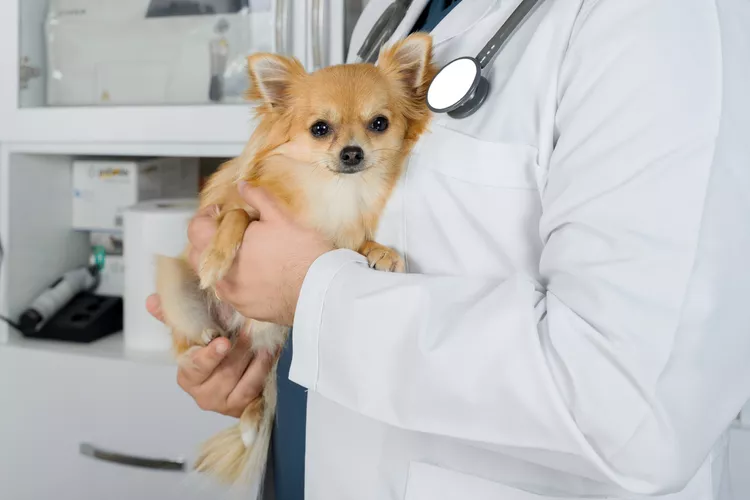
Legg-Calve-Perthes Disease in Dogs
Legg-Calve-Perthes is a congenital disorder affecting the hip joints of dogs—particularly small breeds. Learn the causes, treatment, and prevention.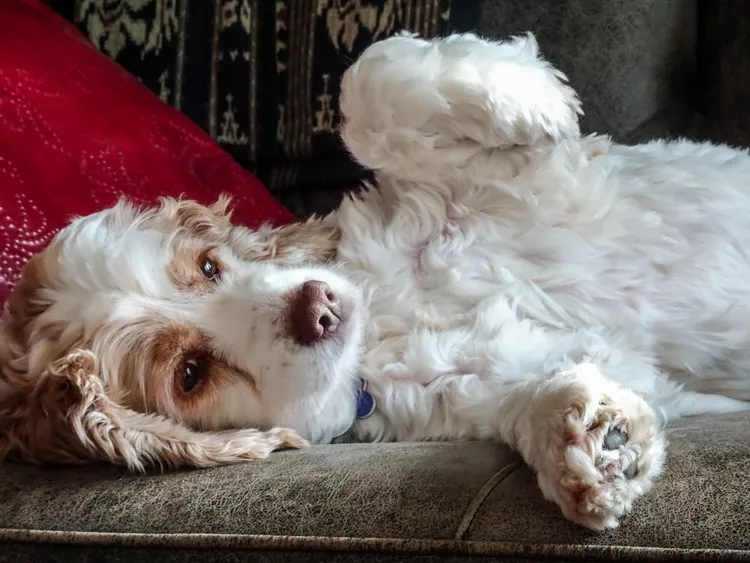
Bloat in Dogs
Bloat, or gastric dilation volvulus (GDV), is an emergency that generally affects large breed dogs. Learn the causes, treatment, and prevention.
Anemia in Dogs
Anemia is a low red blood cell count. In dogs, it can indicate various problems—some of them serious. Learn the causes, treatment, and prevention.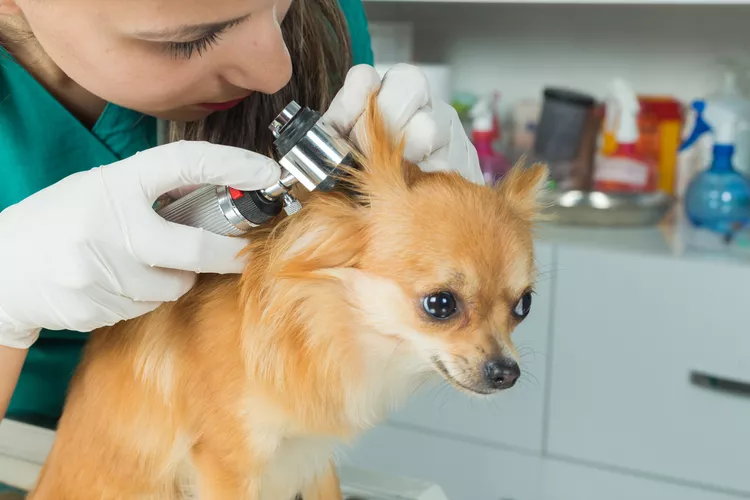
Ear Yeast Infections in Dogs
Ear yeast infections in dogs are common, uncomfortable, smell bad, and dangerous if untreated. Learn the causes, treatment, and prevention.
Neutering Your Dog Explained
What does it mean to neuter a dog? Learn about neutering or castration in dogs and why it is done. Find out what to expect when your dog is neutered.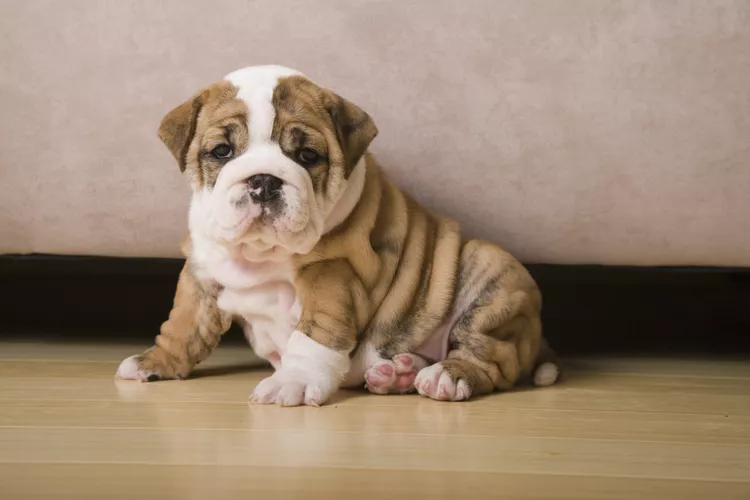
Pyoderma in Dogs
Pyoderma is a skin infection commonly seen in puppies that may indicate a compromised immune system. Learn the causes, treatment, and prevention.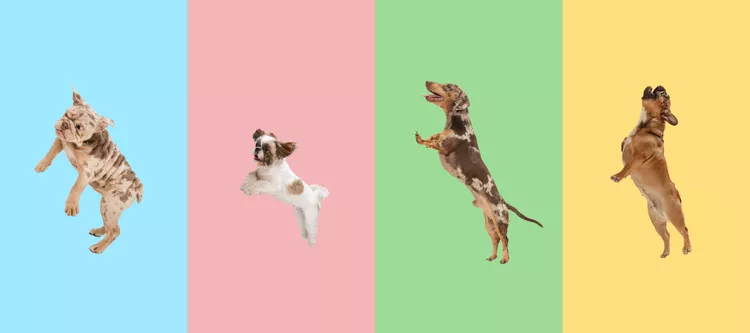
Dog Hiccups: How to Get Rid of Them
Dog hiccups in dogs are a fleeting nuisance in most cases, but sometimes they can mean something more. Learn what to watch for and find out how to get rid of dog hiccups.
5 Common Foods In Your Pantry That Are Not Safe For Your Pets
One potato chip is not going to hurt your pet, but there are other foods that can. Learn which to avoid and some safe foods that can be used as treats.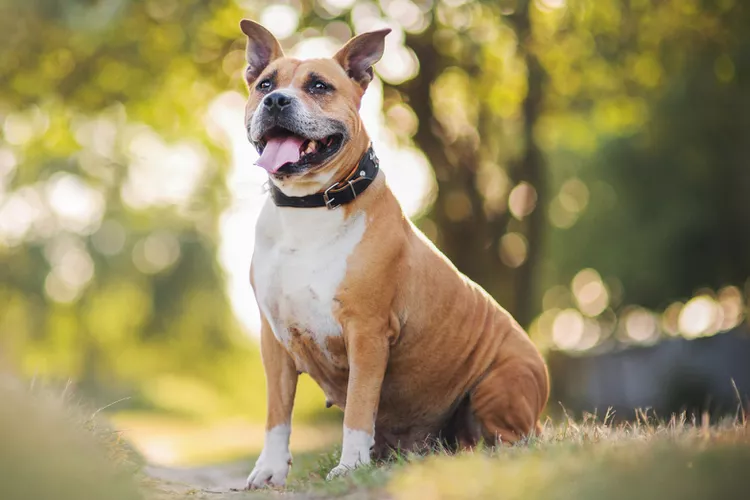
American Staffordshire Terrier: Breed Characteristics & Care
The American Staffordshire terrier is a type of pit bull with a friendly nature. Learn about the Am Staff's history, training, health, and more.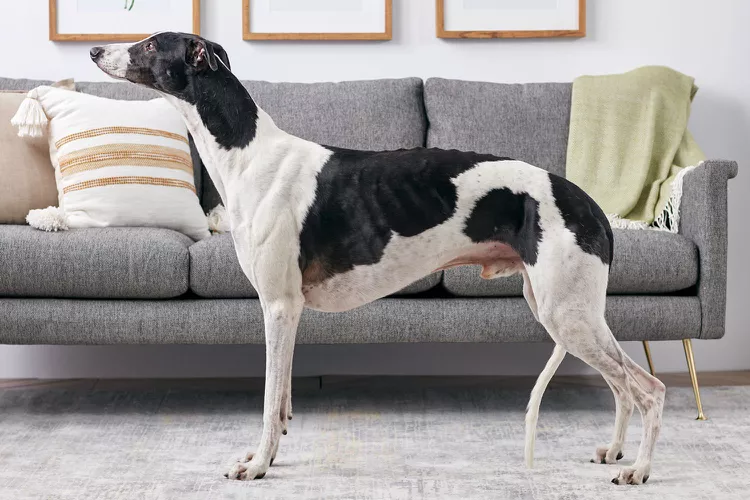
Greyhound: Dog Breed Characteristics & Care
Learn about the greyhound, the fastest dog breed in the world. They're also a loyal companion that's non-aggressive and good with children.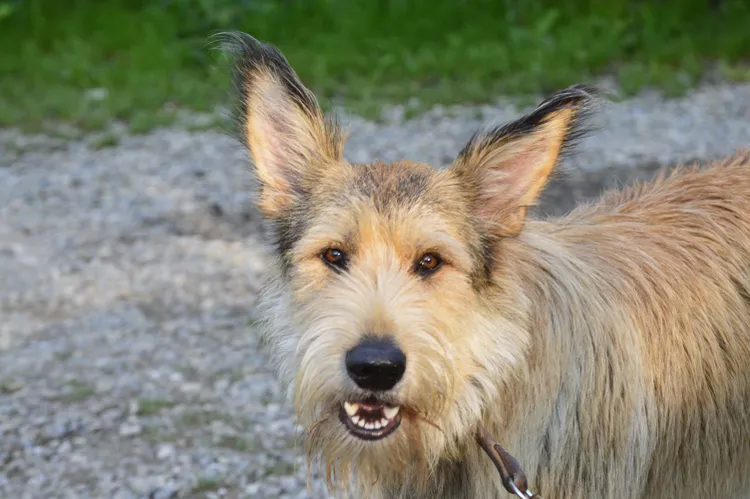
Berger Picard: Dog Breed Characteristics & Care
The Berger Picard is a French herding dog with a friendly smile and shaggy beard. Learn about its history, health, exercise needs, and more.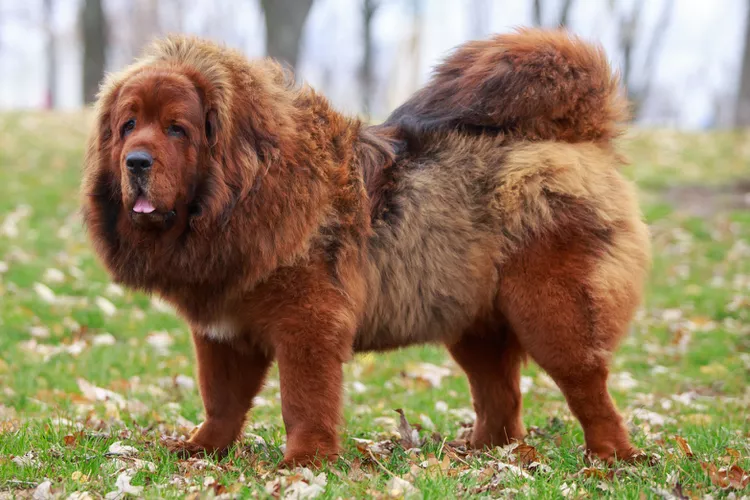
Tibetan Mastiff: Dog Breed Characteristics & Care
Learn about the Tibetan mastiff, an ancient guardian dog breed. This breed is known for their massive stature, flowing mane, and protective personality.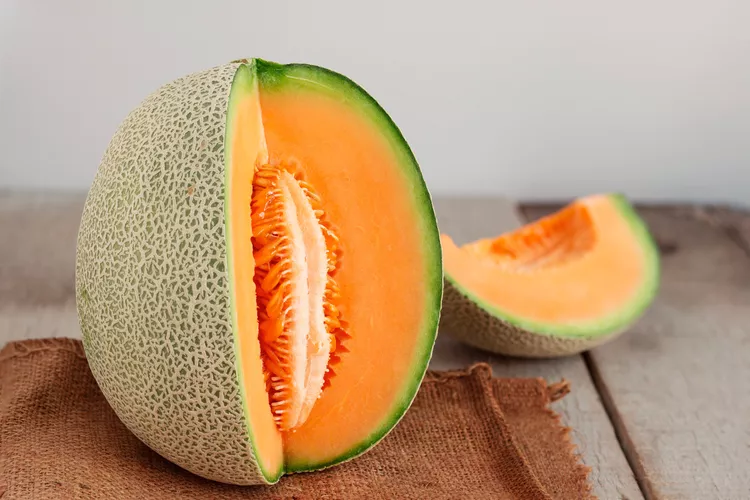
Can Dogs Eat Cantaloupe?
Find out if dogs can eat cantaloupe and if it's healthy. Learn how to feed dogs cantaloupe safely and what to watch out for.
Are Bones Safe for Dogs?
Are bones safe for dogs? Find out if it's really safe to give bones to dogs. Learn about the dangers of feeding bones to your dog.
Can Dogs Eat Kale?
Kale is rich in nutrients, but because it contains compounds that can harm dogs, veterinarians caution against making it a regular part of their diet.
Here’s How to Stop Your Dog from Jumping on You When Excited
Although it can be cute the first few times your dog jumps on you, it can quickly turn into a bad habit, especially if your pooch starts jumping on strangers. Here’s how to stop your dog from jumping on you when excited.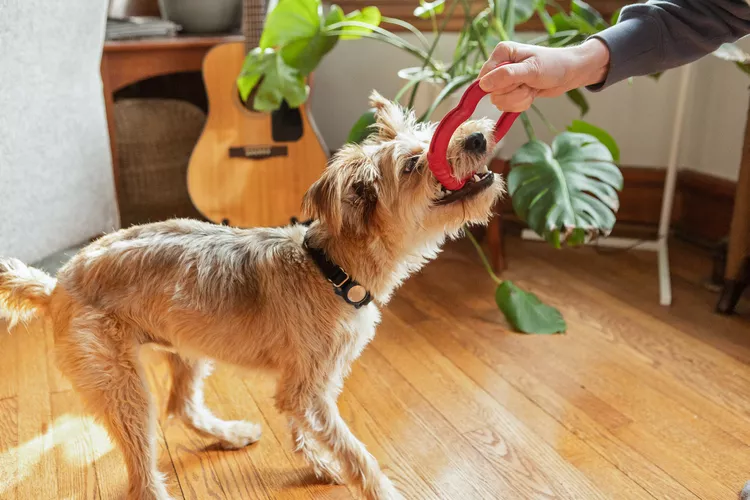
How to Stop Sudden Aggression in a Dog
It's not normal for a friendly dog to suddenly become aggressive. Sudden behavior changes may indicate a health problem and should not be ignored.
Different Meanings of a Dog's Wagging Tail
A dog wagging his tail is a common sight, but it may mean more than you think. Find out why dogs wag their tails and what canine tail wagging means.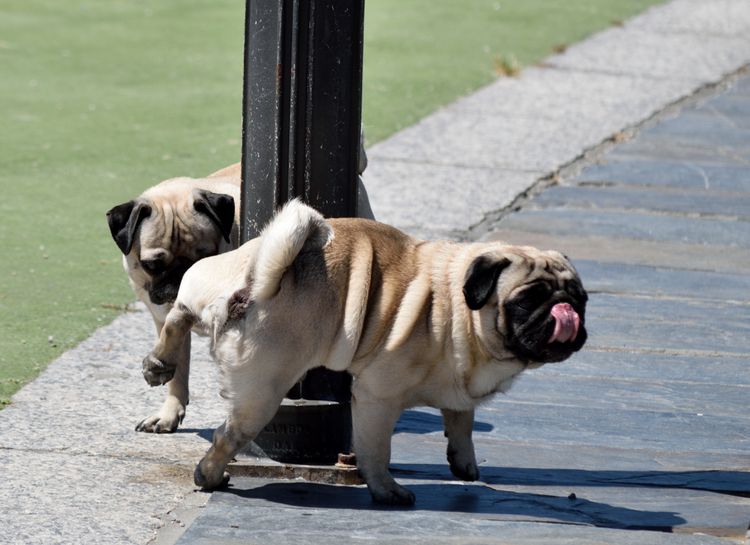
Why Do Dogs Lick Other Dogs' Pee?
Sometimes a dog will lick another dog's urine. Find out why dogs lick other dogs' pee and learn how to stop it.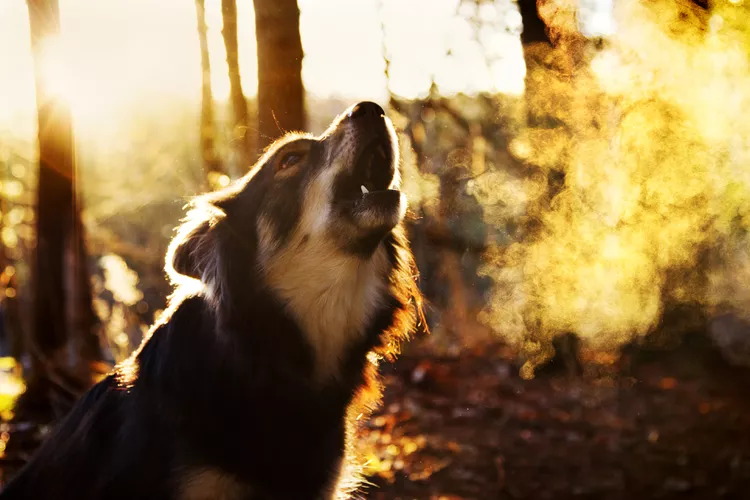
How to Stop Your Dog From Barking Excessively
All dogs bark, but excessive barking is a behavior problem. Learn how to help stop excessive barking and prevent it from happening all the time.



:strip_icc():format(webp)/top-giant-dog-breeds-1118141-hero-5dc6949626fd452a92f6434ba7aed692.jpg)
:strip_icc():format(webp)/GettyImages-172793627-5908e2f0aa8c4746b9204b002ca31a48.jpg)