Cats in heat experience a number of physical and behavioral changes. An unspayed female cat will eventually start having heat cycles, and during this time, she'll be able to become pregnant if she mates with a male. Here's how to tell if your cat is in heat, what to expect, and how to prevent unwanted pregnancy.
The hormonal changes that prepare female cats for breeding are called estrus or oestrus. A cat's first heat cycle typically begins when she is around six to 10 months old and continues well into old age. Cats are efficient reproducers, and their heat cycle can repeat every 14 to 21 days until they become pregnant or get spayed.
Cats are seasonal breeders; daylight affects their heat cycles. Although they can be fertile any time of the year, they typically experience heat cycles during seasons with longer days (spring and summer) and an inactive period when the days are shortest (late fall through early winter).
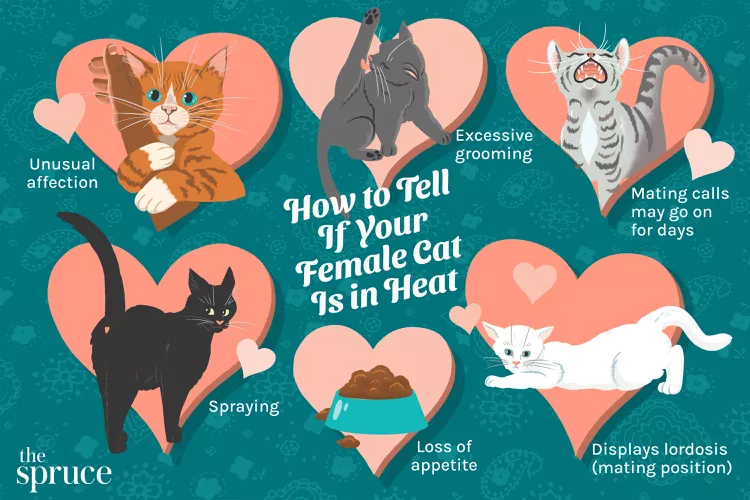
Cats in heat undergo several physical changes that affect their behavior. There's no easy way to measure a cat's hormone levels at home, but certain changes in her behavior can indicate she is in heat. You may notice one or more of the following signs during your cat's estrus:
Your female cat may become unusually affectionate when she is in heat. She may sidle and rub her hindquarters against furniture, stuffed toys, other cats, and maybe even you. You can distinguish this behavior from pure restlessness (a sign she may be in pain and need to see the vet) by the way she lifts her tail or even occasionally assumes the mating position.
A cat in heat may spend excessive time licking her genital area, even though there is no blood present. In fact, contrary to popular belief, a cat in heat should not bleed—unlike humans, cats do not shed the lining of their uterus during their cycle. Note that genital licking can also be a symptom of a urinary tract disorder, which can be serious if not treated promptly. If your cat exhibits only this behavior without any of the other signs of heat, a trip to the veterinarian is in order.
Cats in heat tend to vocalize loudly. This "calling" may go on for several days unless she mates. She will then assume the mating position: head down, forelegs bent, rear quarters raised to expose the perineum, and tail raised and held to the side of the body. This posture is called lordosis. And when she assumes it, her rear legs will tread rhythmically as if walking in place.
A cat in heat, similar to a male cat, may spray vertical surfaces to mark them with urine. To do so, she will back up to her surface of choice, raise her quivering tail, and may even perform the rhythmic treading described above. To the untrained eye, this looks like a sign of distress. Don't be alarmed, as this is normal behavior for a cat in heat (although a nuisance to you if you value your furniture).
Your cat in heat may exhibit a noticeable decrease in appetite. Frankly, her mind is on other things. Pure instinct shifts her bodily need towards reproducing, rather than feeding herself. But monitor her appetite, as this behavior should last no more than two weeks. Something else may be off if she won't eat at all or doesn't return to her normal eating pattern after about two weeks. When in doubt, contact your veterinarian.
When in heat, instinct drives your cat to pounce towards the door when it opens. Outside is where potential suitors lie and her need to attract and mate with them becomes apparent. During this time, it is not unlikely for an indoor cat to run away for more than one day and up to a week, or more. Make sure to seal all escape routes and watch her carefully. You may even want to distract her with play to divert her attention.
There's not much you need to do to help your cat while she is in heat. Keep her comfortable and enrich her environment with cat trees, scratching posts, toys, and games. If she likes catnip, sprinkle some down for her periodically to distract her from other behaviors. You can create a calming environment through the use of pheromone diffusers and sprays, such as Feliway.
Most importantly, if you don't want your cat to get pregnant, she should be kept indoors and away from unneutered male cats. If you do not intend to breed your cat, the best thing you can do for her is to have her spayed. In addition to preventing pregnancy, spaying your cat will spare her from the surge of hormones that drive her to display the above behaviors.
The reality is that unless you are a professional breeder of pedigreed cats, you should avoid letting your cat mate. A pregnant cat may give birth to several kittens, all of which will need good homes. Plus, your cat can get pregnant again very soon after giving birth.
Our country has a major pet population problem, so spaying and neutering are highly recommended to the average cat owner. Most veterinarians suggest spaying your female cat no later than six months of age.
Spaying will not only cease your cat's uncomfortable heat cycles, but it can also prevent future medical problems related to reproductive organs. A cat already in heat can still be spayed, but this slightly increases the risk of complications as well as the cost.
If spaying your cat seems like an expensive blow to your budget, some vets offer low-cost spay options subsidized by community organizations. Or, call your local animal welfare group and ask if they provide coupons for low-cost spays at regional vets. Your veterinarian can advise you on the most affordable options in your area—some that cost little more than your monthly cat food allowance.
No, cats in heat do not typically experience pain, but they may be uncomfortable or agitated. The vocalization and restless behavior you're seeing is caused by a hormonal drive to mate.
Heat in cats, called the estrus stage, lasts about a week but can go on for up to 21 days. Unspayed cats who do not become pregnant will continue to repeat their heat cycles, so it may seem like she is almost always in heat.
How to Dispose of Cat Litter
Cleaning cat litter is a necessary chore for all cat owners, but what's the best way to dispose of it? Generally, flushing is not a safe option.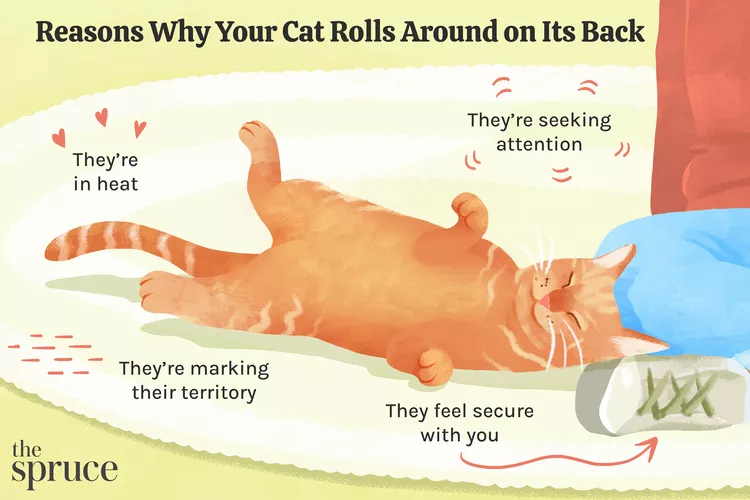
Why Your Cat Is Rolling Around on Its Back
When your cat rolls on its back, it could be telling you something. Rolling can signal the cat feels safe and might want some attention from you.
What Your Cat Is Saying With Its Eyes
Understand how cats communicate with their eyes, from arousal and trust to dominance and aggression.
Why Cats Like Being Pet
Why do some cats enjoy being pet and others don't? Learn why certain cats want you to pet them while others just want to be left untouched.
100+ White Cat Names
White cat names can pay homage to their wintry fur, like Snowflake or Frosty, but can also be playful, such as Marshmallow, or elegant, like Pearl.
The First 30 Days With Your New Kitten
The first month is full of changes and excitement for a kitten in a new home. Find out what to expect and what you can do for your new feline friend.
What Is the Difference Between Cat Hair and Fur?
Is there a difference between cat hair and cat fur? Learn the correct terminology and about five different kinds of hair found on your feline.
Explore the Sources of Your Cat's Personality
What influences your cat's personality? Genetics, history, and environmental factors can contribute to your cat's mannerisms and moodiness.
15 Best Movie-Inspired Cat Names
If you are bringing home a kitty and you are a big movie buff, then a cinematic cat name might be right up your alley for your new feline friend.
10 Most Intelligent Cat Breeds
Looking for a smart cat? Learn about the pros and cons of 10 intelligent cat breeds, including Burmese and Siamese, to decide if one is right for you.
8 Cute Pictures of Norwegian Forest Cats
Learn about the history of Norwegian forest cats, and check out cute pictures of Norway's national cat.
12 Fluffy Cat Breeds Perfect for Endless Cuddles
If you like long-haired cats and don't mind daily (or almost daily) brushing, you’ll love these fluffy cat breeds.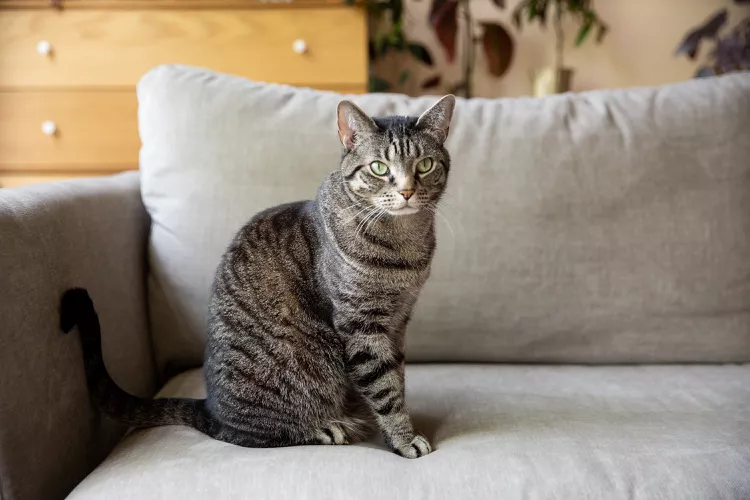
Feline Breeds, Domestic Shorthair Cats, and Color Patterns
Cat lovers often are confused about identifying terms, such as purebred, DSH, and tabby. Learn more about the differences between these terms.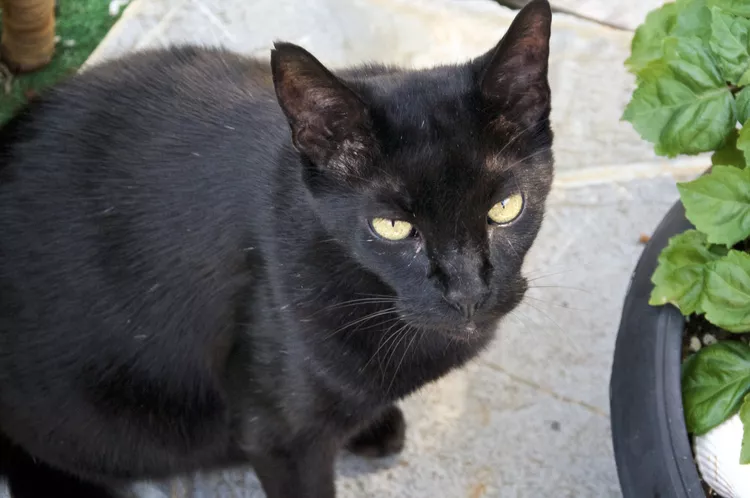
Havana Brown: Cat Breed Profile
The Havana Brown is a beautiful and rare cat breed with an interesting background.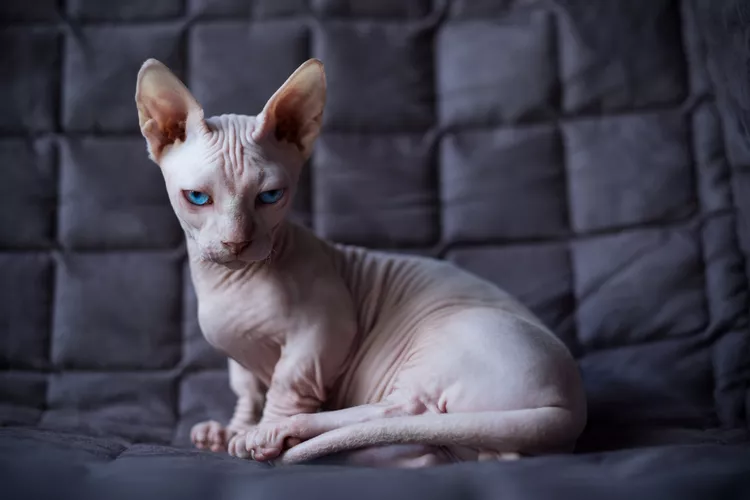
Bambino: Cat Breed Profile, Characteristics & Care
The bambino cat is a controversial cross between a hairless sphynx and the short-legged munchkin. Learn about the bambino breed.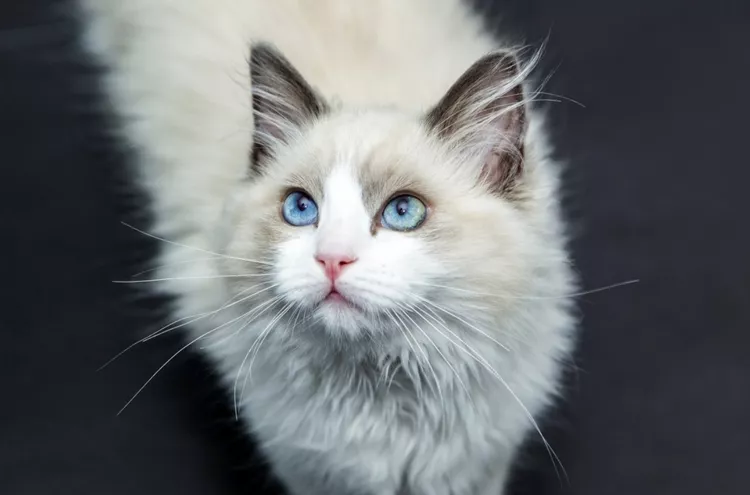
11 Cute Pictures of Ragdoll Cats
Ragdoll cats are known for their beautiful coats and bright, blue eyes. Learn all about the breed, and check out some cute pictures here.
Pictures and Facts About Bengal Cats and Kittens
Bengal cats are a cross between wild cats and domestic cats. Learn more about what they look like and pictures of this beautiful spotted breed.
Signs of Heat in Cats
A cat in heat will show several physical and behavioral signs. Here's how to tell if your cat is in heat and how to care for her during this time. Learn the signs and how to prevent pregnancy, even if her cycle has begun.
Why Is My Dog’s Ear Swollen? Causes and Treatment of Ear Hematoma
If your dog’s ear is swollen, it could indicate an ear hematoma. Learn the primary causes and treatments for ear hematomas in dogs straight from a veterinarian.
Are Snake Plants Toxic to Cats?
Snake plants can be toxic to cats, depending on the amount of plant ingested and other factors. If you suspect your cat has ingested any amount of a snake plant, seek veterinary attention immediately to prevent serious complications.