
Your cat is likely to have a basic personality but shows different mannerisms from day to day. If you want to better understand what makes your cat tick, consider these factors that influence their personalities.
It is only possible to fully know the genetics of pure-bred cats. Various cat breeds have been around long enough that their distinguishing characteristics such as body type and personalities are fairly consistent. Since cat breeders have made efforts to breed to type, colors within the breeds have also been consistent, according to breed standards. It is an interesting aside that colors in cats sometimes carry personality traits too.
Personalities within a given breed remain fairly consistent, other factors aside. As an example, the Cat Fanciers Association Persian Cat Profile describes its personality as "sweet," "gentle," and needing "an atmosphere of security and serenity."
Since the vast majority of pet cats are of the domestic or mixed breed variety, environment is the single most important factor behind their personalities. The single most important environmental factor for cats in their home is "What is the overall mood of the home?" A home where the human family members' interaction is normally on an even keel, whether it be quiet and harmonious or noisy and happily active, is the most desirable atmosphere for cats.
One of the things cats hate the most is change of any kind, and that includes changes in attitudes from day to day. If the humans are happy and active one minute, moody and distant the next, and perhaps arguing loudly the next, the cats will reflect these changes according to their own personalities. A shy, withdrawn cat may hide under the bed for days. A normally active cat may suddenly turn on his favorite feline housemate—sort of a variation on the redirected aggression syndrome.
Examples of changes that can affect your cat include:
Conversely, if the human family members are for the most part on an even keel, although it is not an automatic guarantee of peace within the cat population, the cats will feel free to interact according to their own temperaments.
Cats are fastidious creatures and don't tolerate dirty litter boxes or spoiled food. Untidiness is one thing, but a dirty, stinky house is entirely another. In that kind of atmosphere, most cats would become withdrawn, depressed, and likely physically sick. On the other hand, a clean home (not necessarily tidy), with nutritious food, cool, clear water, toys, and scratching posts, lays the foundation for happy cats, all other things being equal.
A cat's history plays a large role in his or her personality, as well as behavior. With most purebred cats obtained from a cattery, a complete pedigree going back several generations will be part of the purchase price. History is not just a pedigree, though; certainly, a purebred cat purchased from a backyard breeder (kitten mill) will have a much different personality than a cat raised "underfoot" in a reputable breeder's home.
With domestic cats, many of whom may have been found on the street, or adopted from animal shelters, often very little is known of the cat's history. A cat may have been in an abusive situation. He may have been loved by someone in his previous family, but someone else decided to get a dog, and the cat had to go. Or, the previous owners may have been evicted or had their house foreclosed by the lender. In these cases, it is not unusual for them simply to leave the cat behind or drop him off at the shelter.
Any combination of the above factors will have an effect on the various personality traits of the cats within a given home. A cat who was abused in a previous home will likely require special nurturing, but may eventually become a well-rounded cat with a sweet, loving personality. If he is dumped into a disorganized, dysfunctional atmosphere, or a home with numerous stress factors, he may always be a "fraidy cat."
Most multi-cat households have a pecking order, which may change from time-to-time and even day by day.
Cats are often enigmas, displaying first one personality trait, then another. With humans, we might call this sort of behavioral trait "moodiness." There are only three things about them that can be said for certain:
How to Dispose of Cat Litter
Cleaning cat litter is a necessary chore for all cat owners, but what's the best way to dispose of it? Generally, flushing is not a safe option.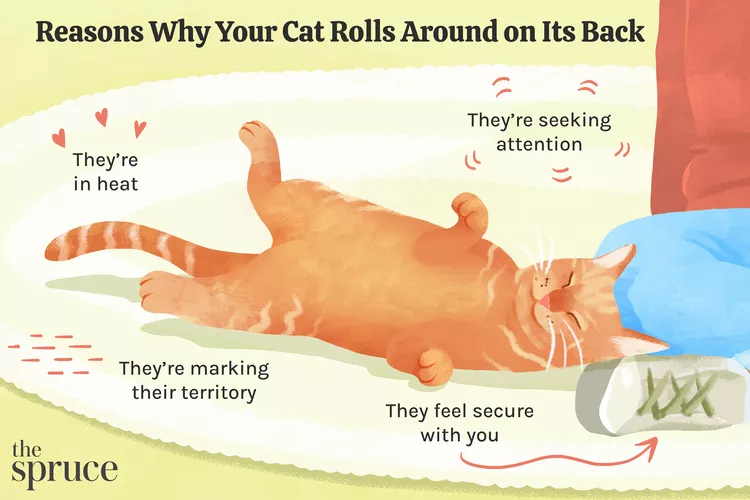
Why Your Cat Is Rolling Around on Its Back
When your cat rolls on its back, it could be telling you something. Rolling can signal the cat feels safe and might want some attention from you.
What Your Cat Is Saying With Its Eyes
Understand how cats communicate with their eyes, from arousal and trust to dominance and aggression.
Why Cats Like Being Pet
Why do some cats enjoy being pet and others don't? Learn why certain cats want you to pet them while others just want to be left untouched.
100+ White Cat Names
White cat names can pay homage to their wintry fur, like Snowflake or Frosty, but can also be playful, such as Marshmallow, or elegant, like Pearl.
The First 30 Days With Your New Kitten
The first month is full of changes and excitement for a kitten in a new home. Find out what to expect and what you can do for your new feline friend.
What Is the Difference Between Cat Hair and Fur?
Is there a difference between cat hair and cat fur? Learn the correct terminology and about five different kinds of hair found on your feline.
Explore the Sources of Your Cat's Personality
What influences your cat's personality? Genetics, history, and environmental factors can contribute to your cat's mannerisms and moodiness.
15 Best Movie-Inspired Cat Names
If you are bringing home a kitty and you are a big movie buff, then a cinematic cat name might be right up your alley for your new feline friend.
10 Most Intelligent Cat Breeds
Looking for a smart cat? Learn about the pros and cons of 10 intelligent cat breeds, including Burmese and Siamese, to decide if one is right for you.
8 Cute Pictures of Norwegian Forest Cats
Learn about the history of Norwegian forest cats, and check out cute pictures of Norway's national cat.
12 Fluffy Cat Breeds Perfect for Endless Cuddles
If you like long-haired cats and don't mind daily (or almost daily) brushing, you’ll love these fluffy cat breeds.
Feline Breeds, Domestic Shorthair Cats, and Color Patterns
Cat lovers often are confused about identifying terms, such as purebred, DSH, and tabby. Learn more about the differences between these terms.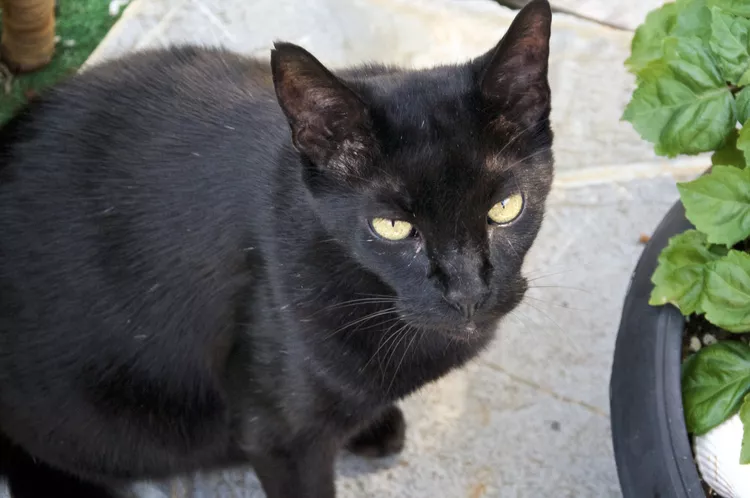
Havana Brown: Cat Breed Profile
The Havana Brown is a beautiful and rare cat breed with an interesting background.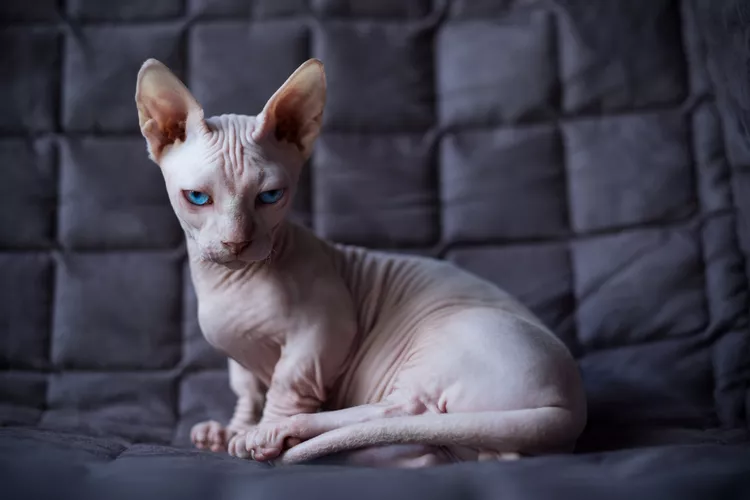
Bambino: Cat Breed Profile, Characteristics & Care
The bambino cat is a controversial cross between a hairless sphynx and the short-legged munchkin. Learn about the bambino breed.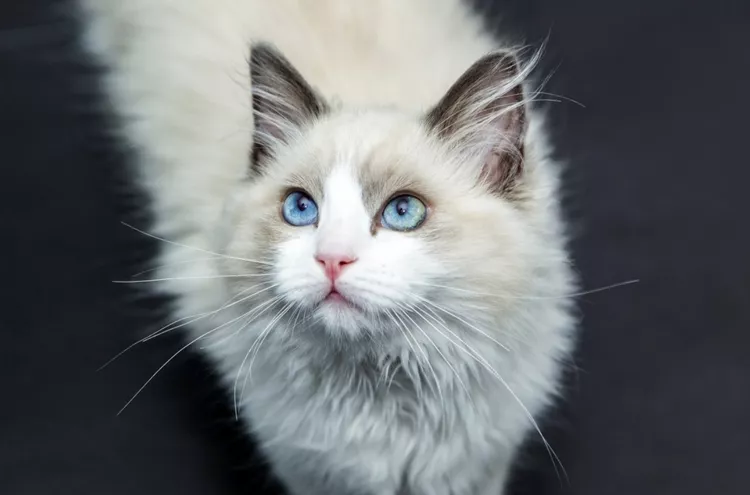
11 Cute Pictures of Ragdoll Cats
Ragdoll cats are known for their beautiful coats and bright, blue eyes. Learn all about the breed, and check out some cute pictures here.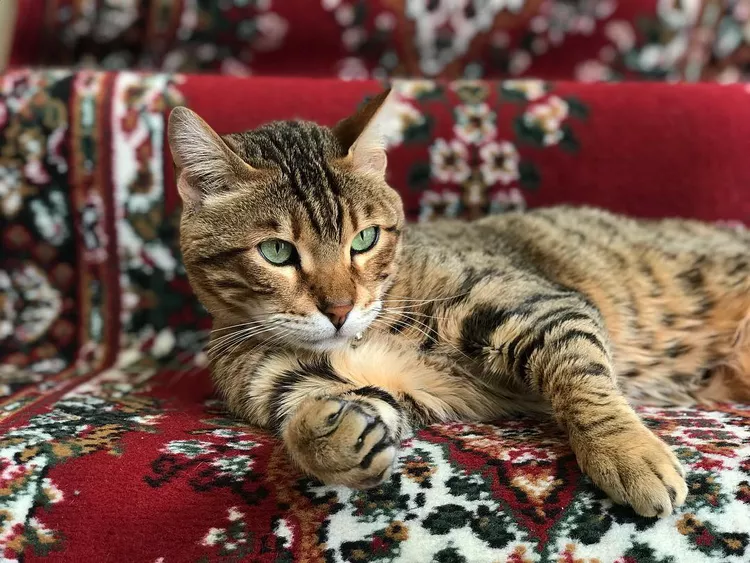
Pictures and Facts About Bengal Cats and Kittens
Bengal cats are a cross between wild cats and domestic cats. Learn more about what they look like and pictures of this beautiful spotted breed.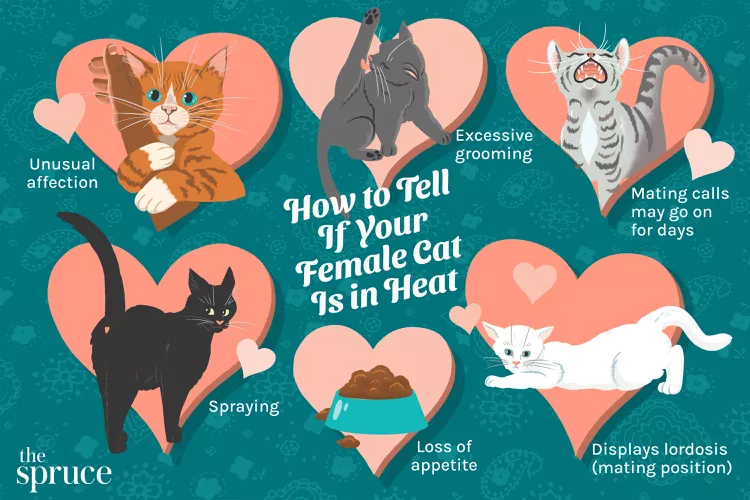
Signs of Heat in Cats
A cat in heat will show several physical and behavioral signs. Here's how to tell if your cat is in heat and how to care for her during this time. Learn the signs and how to prevent pregnancy, even if her cycle has begun.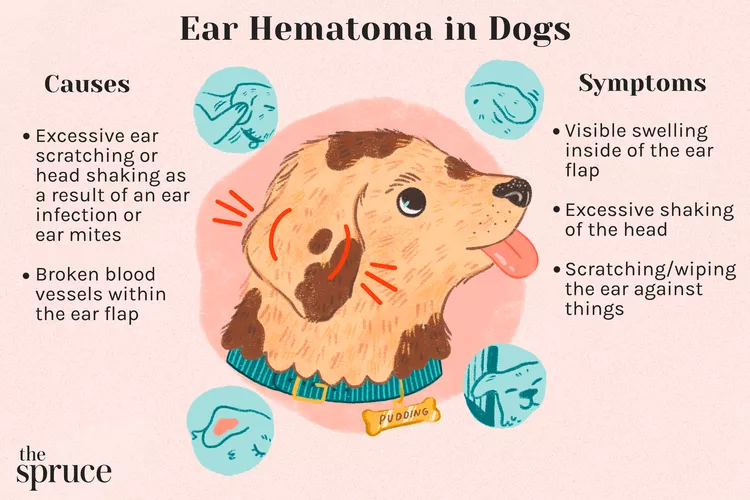
Why Is My Dog’s Ear Swollen? Causes and Treatment of Ear Hematoma
If your dog’s ear is swollen, it could indicate an ear hematoma. Learn the primary causes and treatments for ear hematomas in dogs straight from a veterinarian.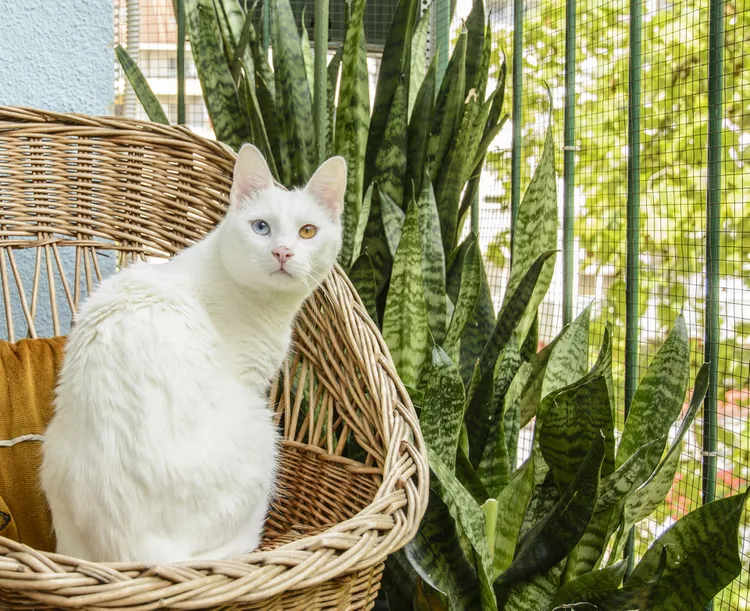
Are Snake Plants Toxic to Cats?
Snake plants can be toxic to cats, depending on the amount of plant ingested and other factors. If you suspect your cat has ingested any amount of a snake plant, seek veterinary attention immediately to prevent serious complications.



:strip_icc()/cats-and-phones-553907-hero-fc5be319a0eb4a7492718ee25b09ac5b.jpg)