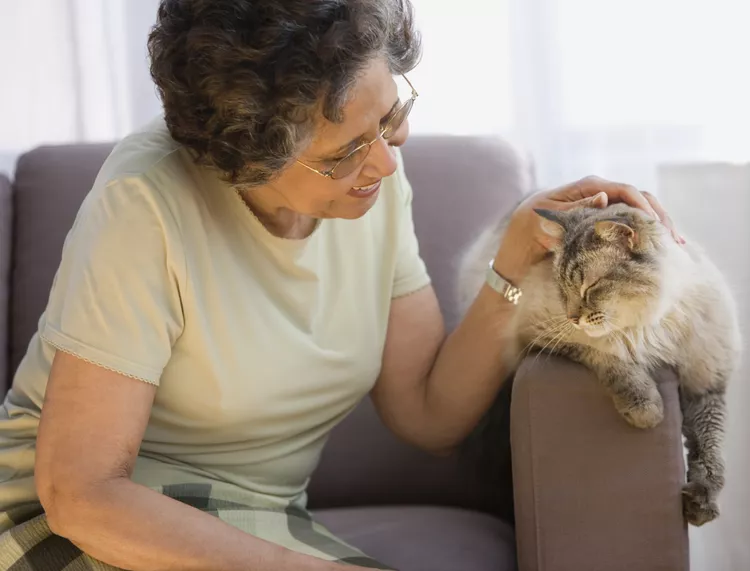
Thankfully, due to improvements in veterinary care and nutrition, our feline friends are living much longer than they used to. With our cats living longer, it is important to know the symptoms of common heath issues and when to see your veterinarian.
Many cats begin to encounter age-related physical and mental changes between seven and ten years of age and due to this, should see their veterinarian twice yearly for wellness exams and diagnostics. Bi-annual exams and diagnostics based on your veterinarian's recommendations are the best way to ensure your cat's health for various reasons including:
Below are some common changes you may note as your cat ages, which are a sign you should contact your veterinarian.
Your cat may be more withdrawn and even start hiding. Our cats are bonded to us and like to be engaged and present where we are. When your cat is suddenly not greeting you at the door, not sleeping with you, or not engaging in its normal activities, it may be a sign that something's wrong.
Another common behavior change that can be indicative of an underlying medical issue is a change in social interactions. A previously social cat may begin hissing anytime another pet in the house is around. A sick cat may avoid contact with the other animals or humans in the home, despite loving to sleep and interact with them in the past.
Cats can also uncharacteristically have episodes of aggression. A cat may begin to growl or hiss when people or other pets in the household approach it, may not be comfortable with being held, and may resent being brushed or combed. A painful cat may bite or scratch, especially if someone touches or moves the sensitive area or even if the cat anticipates that you may do it.
You may notice that your cat has less energy or decreased stamina to engage in previously enjoyable activities, such as playing with toys or chasing that red dot. Your cat may just lay on its side and paw at the wand toys verses chasing the toy. Your cat may be reluctant to jump, walk up or down stairs, have difficulty getting up from laying down, exhibit restlessness, or have difficulty finding a comfortable place to rest. You may also notice changes in sleeping patterns—the cat may sleep more or less, or may sleep in unusual positions and places. These can be symptoms of chronic pain or other medical issues.
Your formerly fastidious cat may begin missing the box occasionally or not using the box at all. Cats commonly will miss the litter boxes due to the pain associated with going in and out of the litter box, as well as difficulty squatting. Getting into a litter box and holding the squatting position can be very difficult for a cat with sore hips or knees. Other medical issues such as diabetes, inflammatory bowel disease, and kidney disease can cause cats to have increased frequency or urgency to use the the litter box, which can lead to accidents outside of the box.
Some conditions can cause a change in your cat's thirst or hunger. You may notice that you are filling your water bowls and fountains more often, or that your cat suddenly is a finicky eater or seems to be eating food constantly without gaining weight. If you notice any changes in your cat's eating and drinking habits, be sure to alert your veterinarian. This could be a sign of pain or various other serious medical issues including kidney disease, diabetes, and hyperthyroidism.
Some aging cats may seem lost or confused in a familiar environment. This can result in them becoming trapped in corners or behind furniture, vocalizing in the middle of the night, staring at walls or into space, or having difficulty finding their resources (food, water bowl, perch, or litter box).
These can be symptoms of cognitive dysfunction syndrome, which is a result of a decline in cognitive abilities as a result of aging changes in the brain. Cognitive functions include the mental processes of perception, awareness, learning, and memory, which allow an individual to acquire information about the environment and decide how to act. This is sometimes referred to as dementia, as in humans.
All of the above can be symptoms of a variety of illnesses and are often dismissed by cat caregivers as, “My cat is just getting older.” Changes in your cat's daily habits should not always be contributed to aging. Age is not a disease, but as your cat ages, it is more likely to be suffering from pain and other medical issues.
How to Dispose of Cat Litter
Cleaning cat litter is a necessary chore for all cat owners, but what's the best way to dispose of it? Generally, flushing is not a safe option.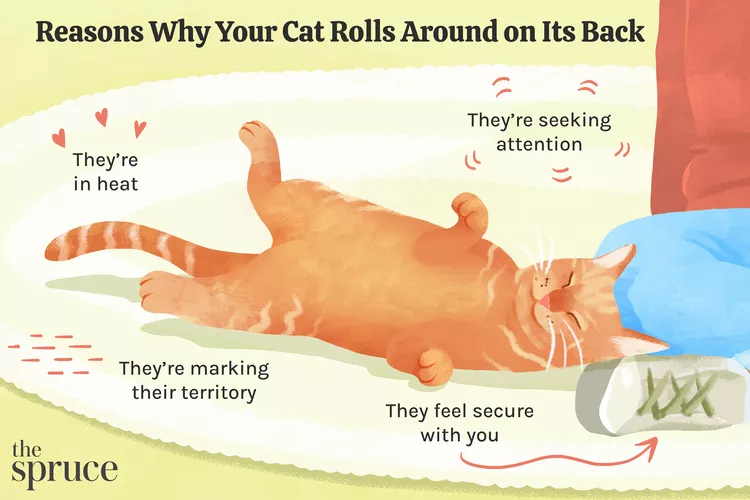
Why Your Cat Is Rolling Around on Its Back
When your cat rolls on its back, it could be telling you something. Rolling can signal the cat feels safe and might want some attention from you.
What Your Cat Is Saying With Its Eyes
Understand how cats communicate with their eyes, from arousal and trust to dominance and aggression.
Why Cats Like Being Pet
Why do some cats enjoy being pet and others don't? Learn why certain cats want you to pet them while others just want to be left untouched.
100+ White Cat Names
White cat names can pay homage to their wintry fur, like Snowflake or Frosty, but can also be playful, such as Marshmallow, or elegant, like Pearl.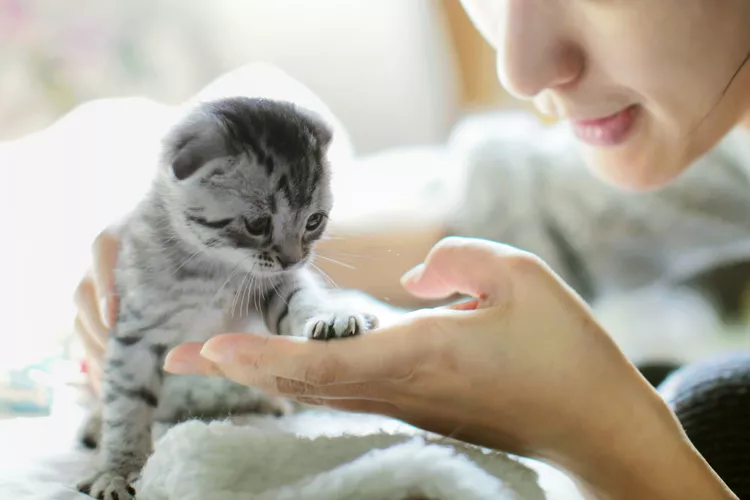
The First 30 Days With Your New Kitten
The first month is full of changes and excitement for a kitten in a new home. Find out what to expect and what you can do for your new feline friend.
What Is the Difference Between Cat Hair and Fur?
Is there a difference between cat hair and cat fur? Learn the correct terminology and about five different kinds of hair found on your feline.
Explore the Sources of Your Cat's Personality
What influences your cat's personality? Genetics, history, and environmental factors can contribute to your cat's mannerisms and moodiness.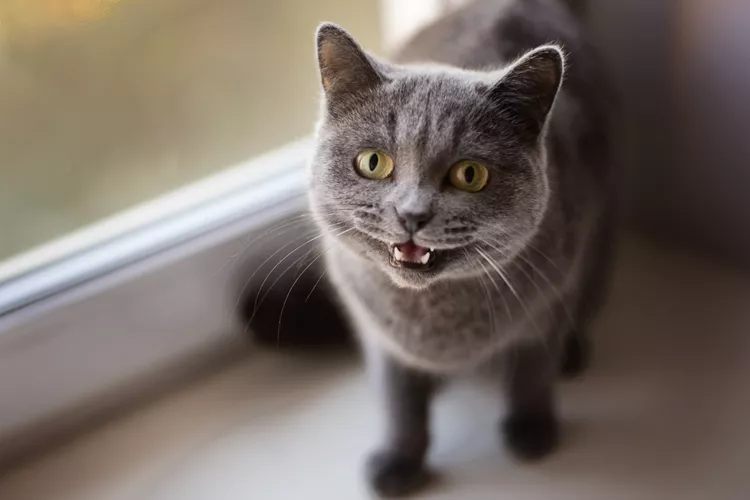
15 Best Movie-Inspired Cat Names
If you are bringing home a kitty and you are a big movie buff, then a cinematic cat name might be right up your alley for your new feline friend.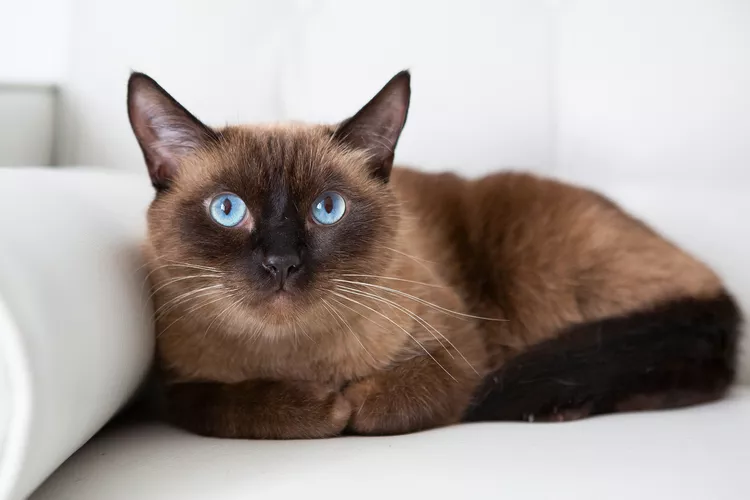
10 Most Intelligent Cat Breeds
Looking for a smart cat? Learn about the pros and cons of 10 intelligent cat breeds, including Burmese and Siamese, to decide if one is right for you.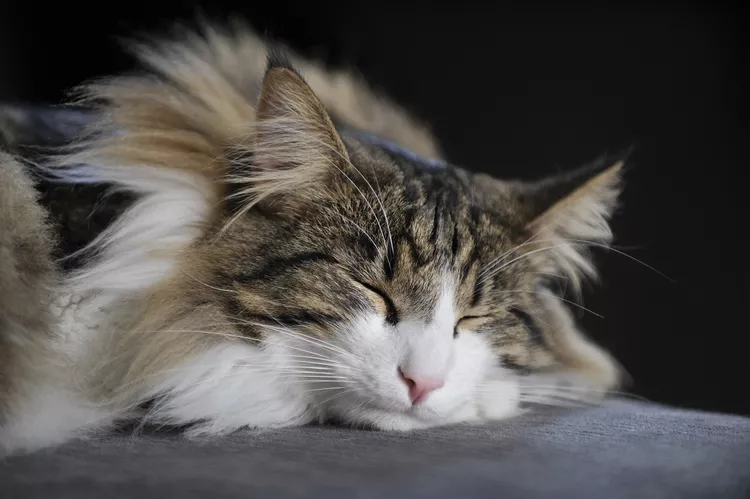
8 Cute Pictures of Norwegian Forest Cats
Learn about the history of Norwegian forest cats, and check out cute pictures of Norway's national cat.
12 Fluffy Cat Breeds Perfect for Endless Cuddles
If you like long-haired cats and don't mind daily (or almost daily) brushing, you’ll love these fluffy cat breeds.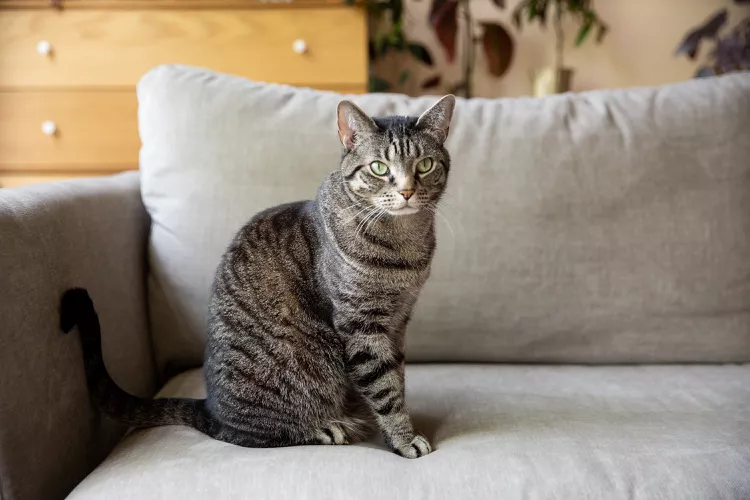
Feline Breeds, Domestic Shorthair Cats, and Color Patterns
Cat lovers often are confused about identifying terms, such as purebred, DSH, and tabby. Learn more about the differences between these terms.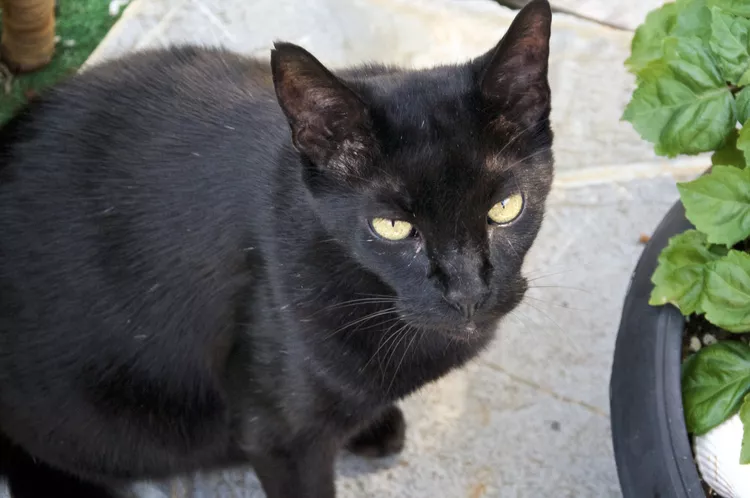
Havana Brown: Cat Breed Profile
The Havana Brown is a beautiful and rare cat breed with an interesting background.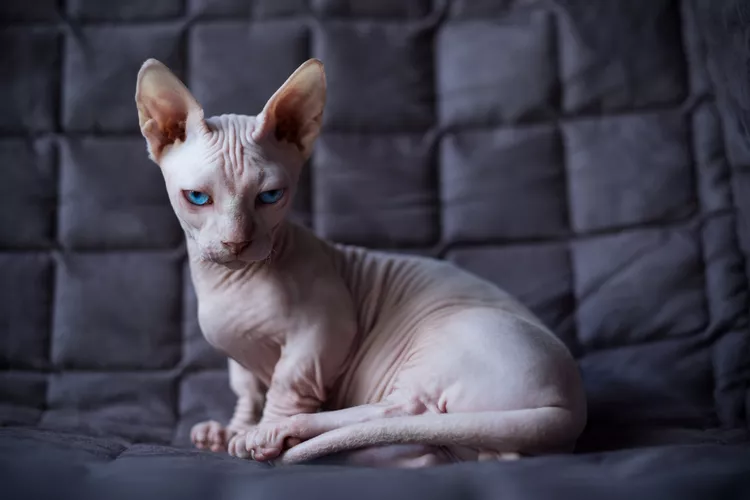
Bambino: Cat Breed Profile, Characteristics & Care
The bambino cat is a controversial cross between a hairless sphynx and the short-legged munchkin. Learn about the bambino breed.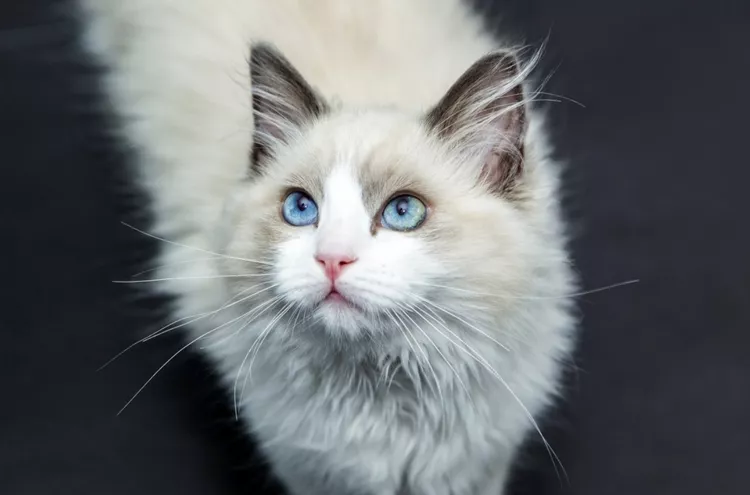
11 Cute Pictures of Ragdoll Cats
Ragdoll cats are known for their beautiful coats and bright, blue eyes. Learn all about the breed, and check out some cute pictures here.
Pictures and Facts About Bengal Cats and Kittens
Bengal cats are a cross between wild cats and domestic cats. Learn more about what they look like and pictures of this beautiful spotted breed.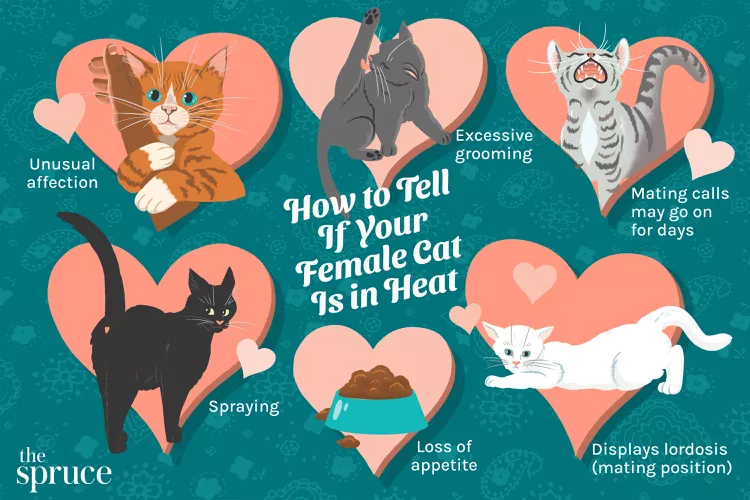
Signs of Heat in Cats
A cat in heat will show several physical and behavioral signs. Here's how to tell if your cat is in heat and how to care for her during this time. Learn the signs and how to prevent pregnancy, even if her cycle has begun.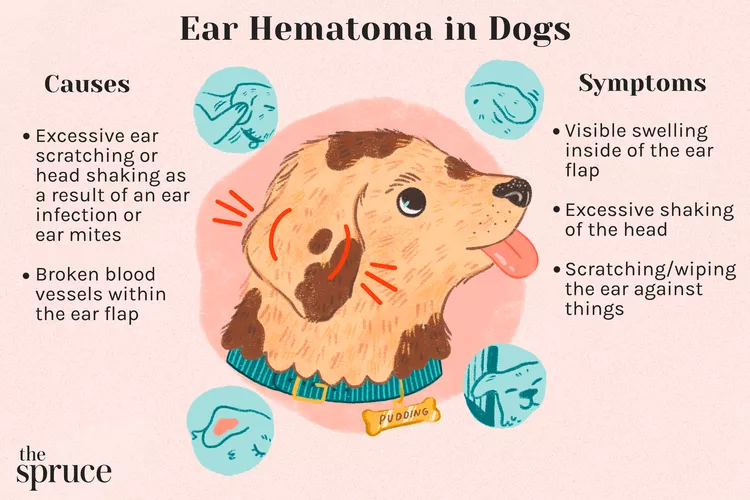
Why Is My Dog’s Ear Swollen? Causes and Treatment of Ear Hematoma
If your dog’s ear is swollen, it could indicate an ear hematoma. Learn the primary causes and treatments for ear hematomas in dogs straight from a veterinarian.
Are Snake Plants Toxic to Cats?
Snake plants can be toxic to cats, depending on the amount of plant ingested and other factors. If you suspect your cat has ingested any amount of a snake plant, seek veterinary attention immediately to prevent serious complications.