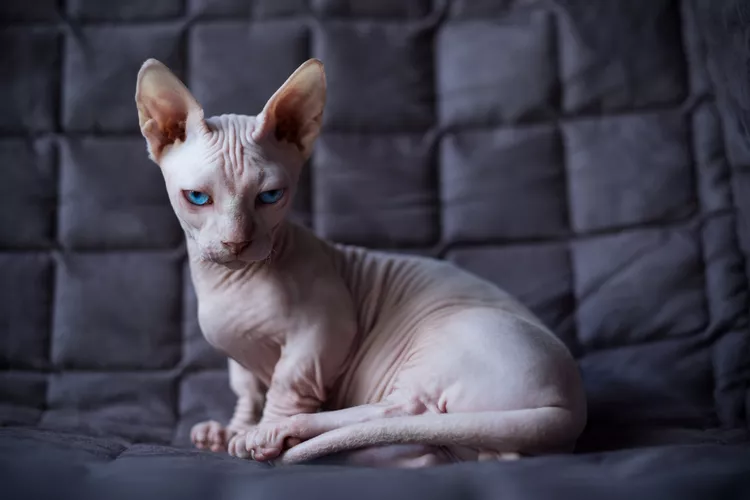
The bambino is a controversial new cat breed that crosses the hairless sphynx with the short-legged munchkin. It is essentially a perfect mix of the two breeds, bearing the general appearance of a sphynx atop its shockingly short legs.
The controversy surrounding this breed stems from the concern that deliberately bred short-limbed cats are vulnerable to health problems and pain due to their anatomical abnormality. In addition, the sphynx breed carries its own set of hereditary issues and is prone to skin damage from the sun. For these reasons, the breed is considered "experimental" and is discouraged by the Cat Fanciers' Association.
Personality: Affectionate, active and playful but not overly energetic
Weight: Up to 9 pounds
Length: Up to 17 inches
Coat Length: Hairless
Coat Colors: Black, white, cream, brown, fawn
Coat Patterns: Solid, pointed, shaded, bicolor
Eye Color: Blue
Lifespan: Up to 12 years
Hypoallergenic: Yes (somewhat)
Origin: United States
The bambino is affectionate and full of character, enjoying the company of its family and reluctant to be alone for very long. This small to medium-sized cat enjoys playing but doesn't need too much exercise. Because it is hairless, the bambino is more vulnerable to injuries than other cats and should be protected from other pets' bites or scratches as well as excessive sun exposure (even through windows), which might burn the bambino's delicate skin.
The bambino breed was launched in 2005 by Stephanie and Pat Osborne, owners of the Holy Moly Cattery in Arkansas, which is no longer in operation. The Osbornes bred sphynx cats, carrying the recessive hairless gene, with munchkin cats that carried the dominant short-legged gene. They called the new breed bambino (the Italian word for "baby").
The International Cat Association (TICA) recognized the bambino as an "experimental" breed in 2006. But, neither the Cat Fanciers' Association (CFA) nor the American Cat Fanciers' Association (ACFA) will allow the breed's registry because they don't want to encourage the propagation of genetic abnormalities for aesthetic reasons.
The intentional breeding of genetically disfigured cats like the short-legged bambino and munchkin is a controversial and divisive practice among cat professionals, veterinarians, and the public. Even so, the bambino appears to be gaining popularity as a "fad" breed.
Some people are attracted to the bambino for its hypoallergenic potential, but no cat is completely hypoallergenic, and the bambino still produces some dander that may irritate sensitive individuals. Surprisingly, the slight "down" of the bambino's coat also needs more care than most people think.
Because they lack a normal absorbent coat, bambinos' skin tends to be oily, making them more susceptible to skin problems like bacterial or fungal infections. Regular bathing and gentle wipes with a moist cloth will help keep their skin and downy coat clean.
Despite their short legs, bambinos are known for being energetic and surprisingly agile. They enjoy playing with toys and having other forms of kitty enrichment around their home. Their shorter legs can tire more easily than "normal" cats, so they don't need tons of exercise, but they still like to scratch and climb on low cat trees (jumping from high surfaces is not a good idea and shouldn't be encouraged).
Bambinos are likely to get sunburned outdoors. If you do take your bambino outside, use a vet-approved feline sunscreen (human sunscreen is toxic to pets) or avoid direct sunlight for more than a few minutes. Cold weather is also dangerous for this hairless cat, and their skin can get injured more easily on brambles or sticks. Overall, bambinos are best suited to an indoor lifestyle.
Because the bambino is such a new breed, the extent of its genetic health problems is not yet known. However, it is safe to assume it may be prone to issues that affect both the sphynx and munchkin breeds. These include:
All cats need to be fed a quality diet, and the bambino will be no exception. They are obligate carnivores, and their food needs to be a high-protein one specifically developed for cats. In addition, it's important to offer measured portions at scheduled meal times (twice per day) so that the bambino does not become overweight, which puts extra pressure on the spine and increases the likelihood of developing feline diabetes.
Bambino cats are still rare, so you may encounter waiting lists or need to travel to buy a kitten. Because of the rarity and increasing popularity of the breed, watch out for unscrupulous "backyard" breeders with less-than-ethical practices that seek to take advantage of the market. Kittens from these breeders are more likely to be inbred or carry undocumented health problems.
Some reputable sphynx breeders also specialize in bambinos, so they are a great resource when looking for a bambino kitten.
Bambinos are known for being very playful and affectionate. They love to be surrounded by company and may become depressed if left alone for more than a few hours. They enjoy homes with gentle children and pets, as they are sociable and friendly, but care must be taken to protect bambinos' delicate skin from injury when playing.
Their skin requires more care than the average cat because of its tendency toward oiliness. Otherwise, the bambino is a fairly low-maintenance cat that is well-suited to indoor life.
Playful and affectionate
Minimal dander (somewhat hypoallergenic)
Moderate energy level
Controversial breed due to genetic deformity
Skin is easily injured
Downy coat and skin need regular bathing
If you’re interested in similar breeds, check out:
Otherwise, check out all of our other cat breed profiles.
It is legal to own a bambino cat, but the Cat Fanciers' Association (CFA) discourages ownership and breeding because it is unethical to propagate genetic characteristics (short legs and hairlessness) that impair a cat's ability to function naturally.
These cats have relatively low activity levels and like to cuddle, so being held is just fine—as long as care is taken not to scratch their tender skin.
A bambino kitten from a reputable breeder can cost between $1,800 and $3,000 due to the breed's new status and rarity.
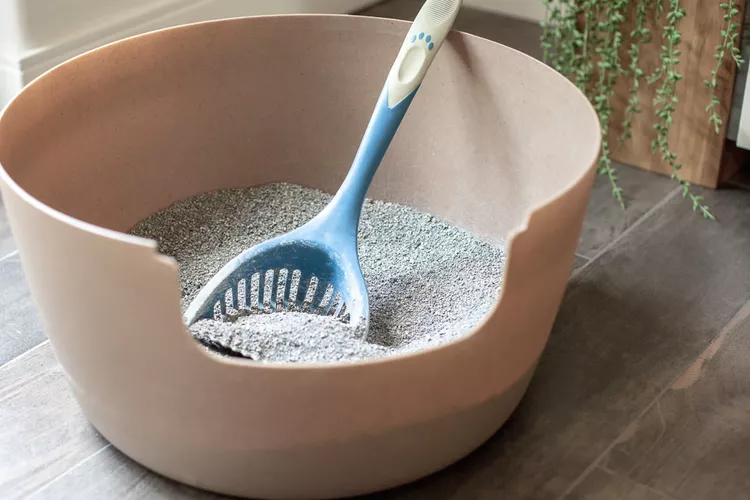
How to Dispose of Cat Litter
Cleaning cat litter is a necessary chore for all cat owners, but what's the best way to dispose of it? Generally, flushing is not a safe option.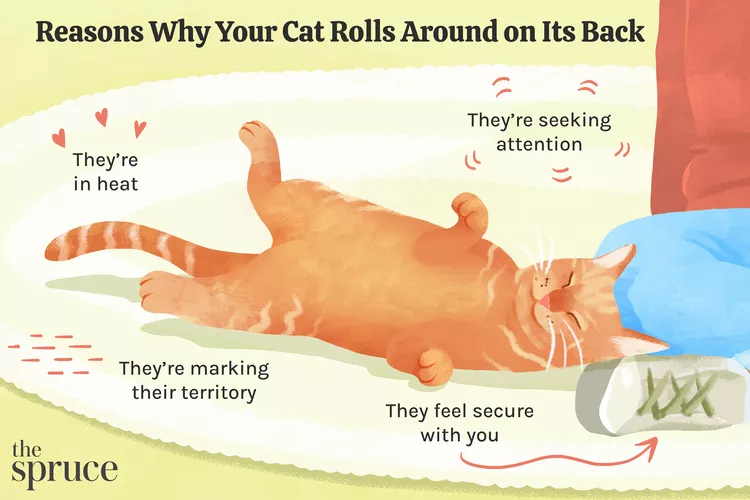
Why Your Cat Is Rolling Around on Its Back
When your cat rolls on its back, it could be telling you something. Rolling can signal the cat feels safe and might want some attention from you.
What Your Cat Is Saying With Its Eyes
Understand how cats communicate with their eyes, from arousal and trust to dominance and aggression.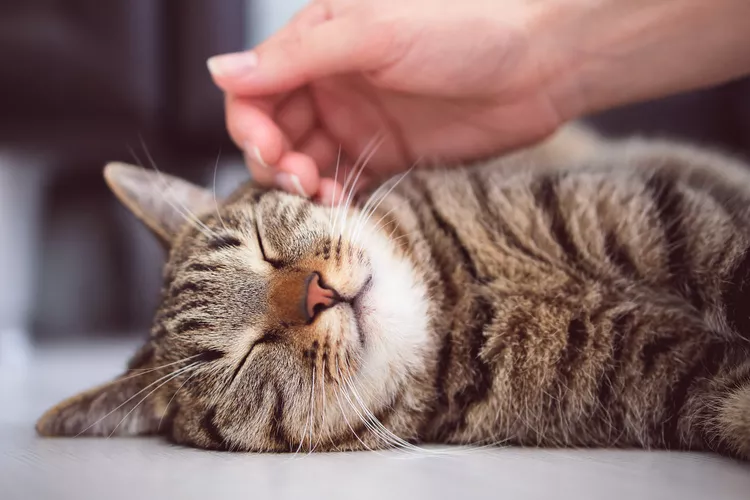
Why Cats Like Being Pet
Why do some cats enjoy being pet and others don't? Learn why certain cats want you to pet them while others just want to be left untouched.
100+ White Cat Names
White cat names can pay homage to their wintry fur, like Snowflake or Frosty, but can also be playful, such as Marshmallow, or elegant, like Pearl.
The First 30 Days With Your New Kitten
The first month is full of changes and excitement for a kitten in a new home. Find out what to expect and what you can do for your new feline friend.
What Is the Difference Between Cat Hair and Fur?
Is there a difference between cat hair and cat fur? Learn the correct terminology and about five different kinds of hair found on your feline.
Explore the Sources of Your Cat's Personality
What influences your cat's personality? Genetics, history, and environmental factors can contribute to your cat's mannerisms and moodiness.
15 Best Movie-Inspired Cat Names
If you are bringing home a kitty and you are a big movie buff, then a cinematic cat name might be right up your alley for your new feline friend.
10 Most Intelligent Cat Breeds
Looking for a smart cat? Learn about the pros and cons of 10 intelligent cat breeds, including Burmese and Siamese, to decide if one is right for you.
8 Cute Pictures of Norwegian Forest Cats
Learn about the history of Norwegian forest cats, and check out cute pictures of Norway's national cat.
12 Fluffy Cat Breeds Perfect for Endless Cuddles
If you like long-haired cats and don't mind daily (or almost daily) brushing, you’ll love these fluffy cat breeds.
Feline Breeds, Domestic Shorthair Cats, and Color Patterns
Cat lovers often are confused about identifying terms, such as purebred, DSH, and tabby. Learn more about the differences between these terms.
Havana Brown: Cat Breed Profile
The Havana Brown is a beautiful and rare cat breed with an interesting background.
Bambino: Cat Breed Profile, Characteristics & Care
The bambino cat is a controversial cross between a hairless sphynx and the short-legged munchkin. Learn about the bambino breed.
11 Cute Pictures of Ragdoll Cats
Ragdoll cats are known for their beautiful coats and bright, blue eyes. Learn all about the breed, and check out some cute pictures here.
Pictures and Facts About Bengal Cats and Kittens
Bengal cats are a cross between wild cats and domestic cats. Learn more about what they look like and pictures of this beautiful spotted breed.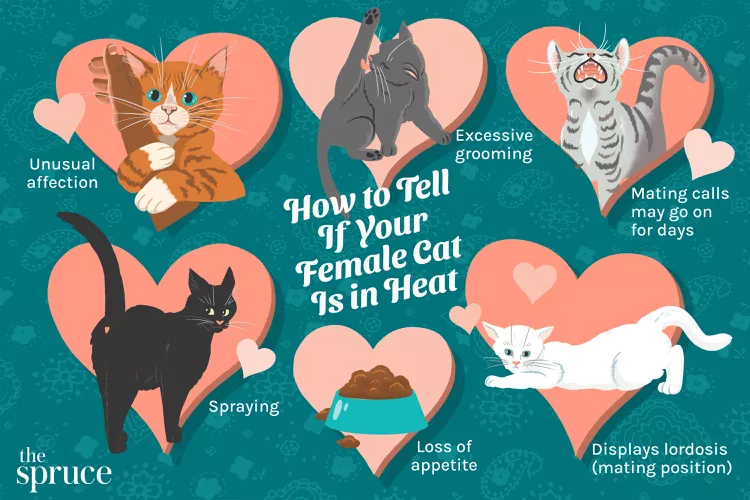
Signs of Heat in Cats
A cat in heat will show several physical and behavioral signs. Here's how to tell if your cat is in heat and how to care for her during this time. Learn the signs and how to prevent pregnancy, even if her cycle has begun.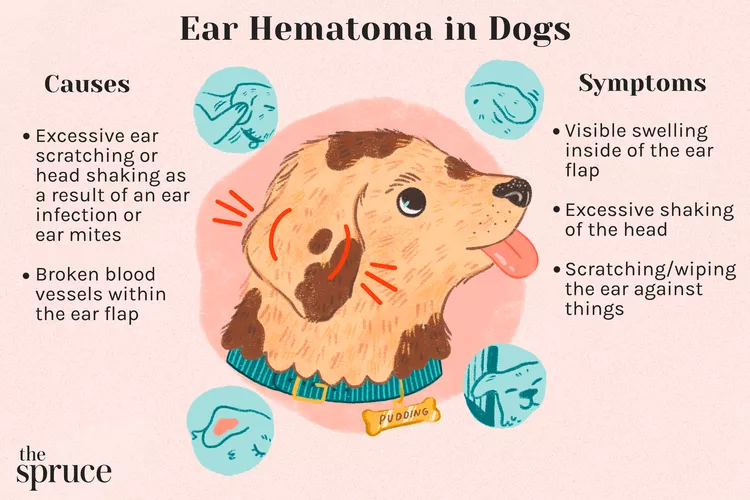
Why Is My Dog’s Ear Swollen? Causes and Treatment of Ear Hematoma
If your dog’s ear is swollen, it could indicate an ear hematoma. Learn the primary causes and treatments for ear hematomas in dogs straight from a veterinarian.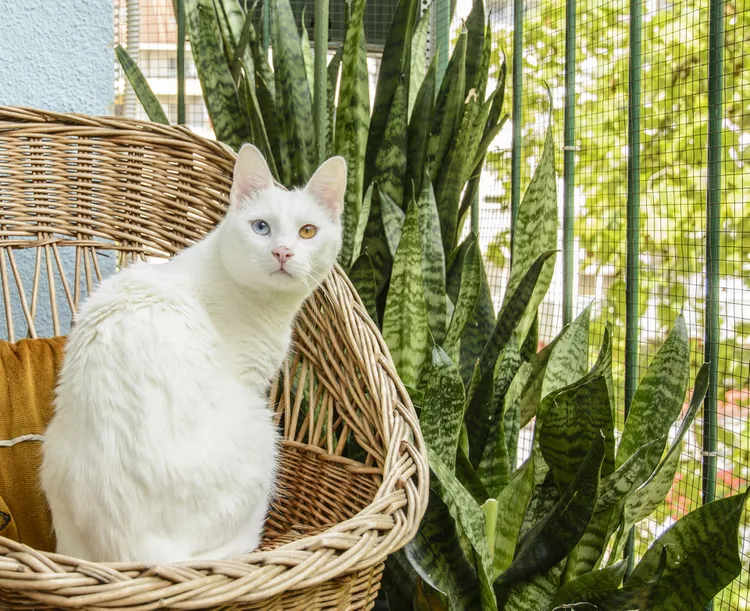
Are Snake Plants Toxic to Cats?
Snake plants can be toxic to cats, depending on the amount of plant ingested and other factors. If you suspect your cat has ingested any amount of a snake plant, seek veterinary attention immediately to prevent serious complications.



:strip_icc():format(webp)/GettyImages-991035432-637f561c6d7c418f8ebc2e17d94ebb89.jpg)