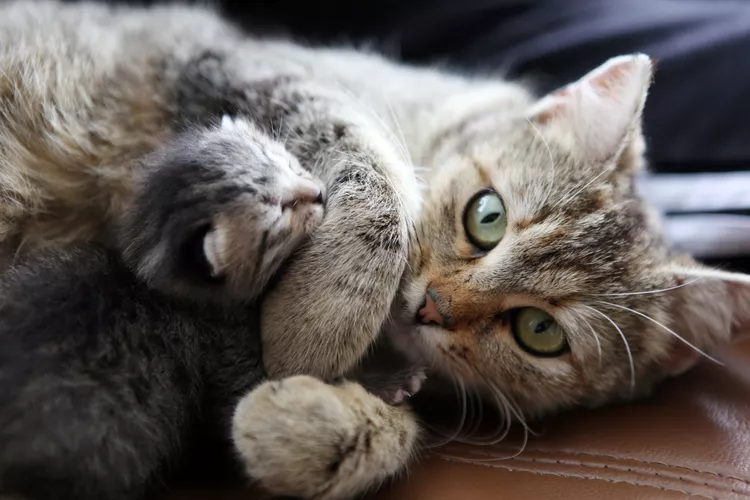
In most cases, responsible pet ownership involves spaying and neutering cats. Not only does spaying reduce the number of unwanted cats, but it also protects your own cat from developing various diseases, like breast cancer and uterine infections, that can occur in the reproductive system. However, if you find yourself caring for a pregnant cat, no matter if the breeding was intentional, understanding the stages of pregnancy will ensure a healthy gestation period for both mom and her kittens.
In order for a cat to conceive, it must first be receptive to mating, which occurs in estrus, or when cats are "in heat." An unspayed cat's heat cycles can start anytime after 4 months of age and most often occur seasonally between February to April in the Northern Hemisphere, but can extend through the late fall in some cases. When your cat is in estrus, it is ready to mate and will be receptive to males for approximately seven days, but this timeframe can vary greatly. During this time your cat will generally be much more vocal and affectionate. Your cat may also urinate more frequently or mark objects with urine. Cats are “induced ovulators,” which means the act of mating stimulates their ovaries to release eggs to be fertilized, so mating does not have to be timed to a set ovulation event.
The fertilization of a cat's egg (ovum) involves several steps. Once a sperm and egg fuse, it is called a zygote. Then, many rounds of cell division occur to form the initial cells that will give rise to all the structures of the embryo. Each step brings a new stage in the embryo's development. Implantation in the lining of the uterus occurs roughly two weeks after fertilization. Embryos implant along the uterine horns in an evenly spaced formation.
As the embryos continue to develop, cells migrate and specialize to form precursors of all the structures within the body. This starts as three distinct layers of cells that will eventually form the skin and nervous system, the intestinal organs, and the rest of the organs. The placenta begins to form at the time of implantation and allows for the exchange of nutrients and waste products between the mother and embryo. Each embryo has its own amniotic sac and placenta. They reach about 2.5 cm in diameter by the third week of pregnancy and may be palpable by an experienced veterinarian during a physical exam.
Within the first month of gestation, as the embryos continue to develop, your cat will gain weight and increase her intake of food. As pregnancy progresses, your cat's nipples may become swollen and darker in color, and she may have behavior changes including signs of nesting. It is important to provide good quality cat food that is labeled for use in pregnant cats or a kitten food that will have more nutrients and calories to offer
As your queen nears her due date (approximately nine weeks from fertilization, or 65 days after mating), she will exhibit signs of impending labor. This includes nesting—snooping around in closets and secluded areas for an appropriate place to bear her kittens and bringing soft materials into her chosen area to create a warm, soft, nesting area. It is a good idea for you to help prepare an area in a private, quiet place, with a box or basket lined with soft towels or other safe bedding materials.
From now until birth, the growth of the fetuses will be your cat's main objective, requiring a great deal of her body's energy. Make sure to provide high-quality food intended for pregnant cats, or feed a higher calorie kitten food. She should also be kept indoors and stress should be minimized.
Increased affection is another sign of impending labor. Your cat may want to be around you all the time. Other signs that your cat is about to go into labor include behavioral changes such as restlessness, pacing, panting, nesting behavior, continuous purring, and being unfriendly toward strangers and other cats.
About 24 to 48 hours before birth, your cat may have milky discharge coming from her nipples. This indicates "go time"—kittens are on their way.
Once labor begins, it is usually fairly quick, with all the kittens being delivered in 6-8 hours. The mother should continue to deliver kittens every 60 minutes or less until they are all delivered. If she is pushing for more than 60 minutes without a kitten born, it could be a sign of a problem and you should contact your vet right away. Sometimes cats can temporarily pause their labor if they are stressed, so it is very important to provide that safe, quiet space and give them as much privacy as possible to reduce stress. If labor is paused, no pushing would be observed, so this would be different from a cat who is pushing unsuccessfully.
If you are caring for a pregnant cat , take her to the vet for a "well-check" immediately. Make sure she is up to date with routine health screenings, including FIV (Feline Immunodeficiency Virus) and FelV (Feline Leukemia Virus) testing, and discuss other preventative health measures that are important and safe for a pregnant cat.
Assuming your cat is healthy, proper care during pregnancy includes a diet high in nutrients, along with fresh, clean water. Your cat should also be kept indoors at all times. During pregnancy, switch your pregnant cat to premium-quality kitten food or a food labeled for use in pregnant and nursing cats, and continue feeding her this way until after the kittens are weaned.
Problems with pregnancy or birth are rare, but can be serious if they occur. For this reason, it is important to have the phone number and location of the closest emergency veterinary clinic on hand.
In general, any unusual symptoms during gestation should be followed through with a call or visit to your veterinarian. This is an important part of the care of a pregnant cat. Although many pregnant cats go through gestation trouble-free, there are potential problems that can occur. Learn to spot the specific symptoms of trouble and what action to take to ensure the health of a pregnant cat and her fetuses. The following are a few conditions to be aware of so that you can spot the symptoms, if they should occur, and take proper action.
The depletion of calcium can result in eclampsia, a life-threatening condition, which most often occurs when the kittens are one to four weeks of age and the mother is producing the most milk. It can also occur prior to delivery. Pregnant or nursing cats that show any of these signs should see a vet right away. Treatment includes calcium supplementation and supportive care. It can be more severe in subsequent pregnancies so this is something to keep in mind.
Eclampsia is a veterinary emergency, and the cat should be seen immediately by a veterinarian at the first signs of symptoms.
Poor health of the pregnant cat, including certain infections may result in spontaneous abortion. If this happens early in the pregnancy, the embryos are simply resorbed by the mother's body and no symptoms occur. If symptoms do occur, they may include fever, bleeding or green discharge from the vagina, and depression.
After a spontaneous abortion, your cat will need to be monitored carefully. The cat should be examined in case there are additional fetuses, alive or dead, or signs of a uterine infection.
Resorption is an interesting phenomenon in which a dead embryo is completely absorbed by the queen's system early in pregnancy. There are rarely any outward symptoms when resorption occurs. Since there are usually multiple kittens in a litter, you may never know this occurred as the birth of the rest of the kittens will proceed as normal. If fewer kittens than expected were born, a veterinary visit is essential to ensure that there are no remaining fetuses inside the queen.
Dystocia is the term for difficulty giving birth. When a cat in labor is actively pushing for more than an hour without a kitten being born, this may be a sign of dystocia. Dystocia can occur for many different reasons including especially large litters, especially small litters, older queens, an abnormally large kitten, or congenital abnormalities with one or more kittens. It is important to contact your vet right away if you suspect more than an hour has passed between deliveries. In some cases, a C-section may be necessary to save both the mother and the kittens.

How to Dispose of Cat Litter
Cleaning cat litter is a necessary chore for all cat owners, but what's the best way to dispose of it? Generally, flushing is not a safe option.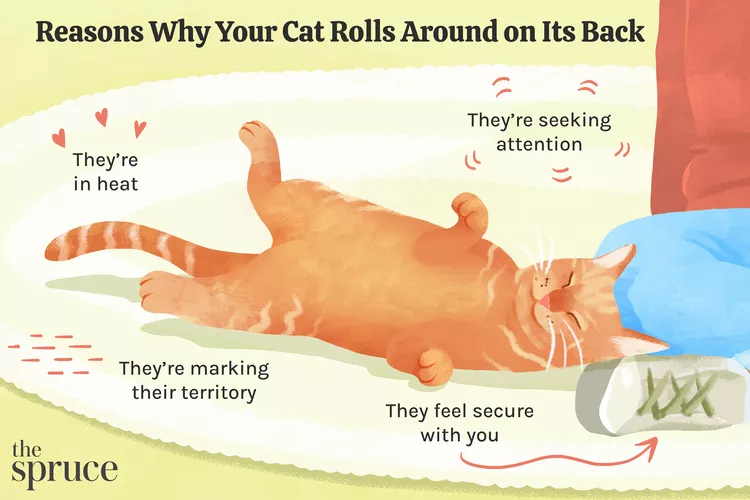
Why Your Cat Is Rolling Around on Its Back
When your cat rolls on its back, it could be telling you something. Rolling can signal the cat feels safe and might want some attention from you.
What Your Cat Is Saying With Its Eyes
Understand how cats communicate with their eyes, from arousal and trust to dominance and aggression.
Why Cats Like Being Pet
Why do some cats enjoy being pet and others don't? Learn why certain cats want you to pet them while others just want to be left untouched.
100+ White Cat Names
White cat names can pay homage to their wintry fur, like Snowflake or Frosty, but can also be playful, such as Marshmallow, or elegant, like Pearl.
The First 30 Days With Your New Kitten
The first month is full of changes and excitement for a kitten in a new home. Find out what to expect and what you can do for your new feline friend.
What Is the Difference Between Cat Hair and Fur?
Is there a difference between cat hair and cat fur? Learn the correct terminology and about five different kinds of hair found on your feline.
Explore the Sources of Your Cat's Personality
What influences your cat's personality? Genetics, history, and environmental factors can contribute to your cat's mannerisms and moodiness.
15 Best Movie-Inspired Cat Names
If you are bringing home a kitty and you are a big movie buff, then a cinematic cat name might be right up your alley for your new feline friend.
10 Most Intelligent Cat Breeds
Looking for a smart cat? Learn about the pros and cons of 10 intelligent cat breeds, including Burmese and Siamese, to decide if one is right for you.
8 Cute Pictures of Norwegian Forest Cats
Learn about the history of Norwegian forest cats, and check out cute pictures of Norway's national cat.
12 Fluffy Cat Breeds Perfect for Endless Cuddles
If you like long-haired cats and don't mind daily (or almost daily) brushing, you’ll love these fluffy cat breeds.
Feline Breeds, Domestic Shorthair Cats, and Color Patterns
Cat lovers often are confused about identifying terms, such as purebred, DSH, and tabby. Learn more about the differences between these terms.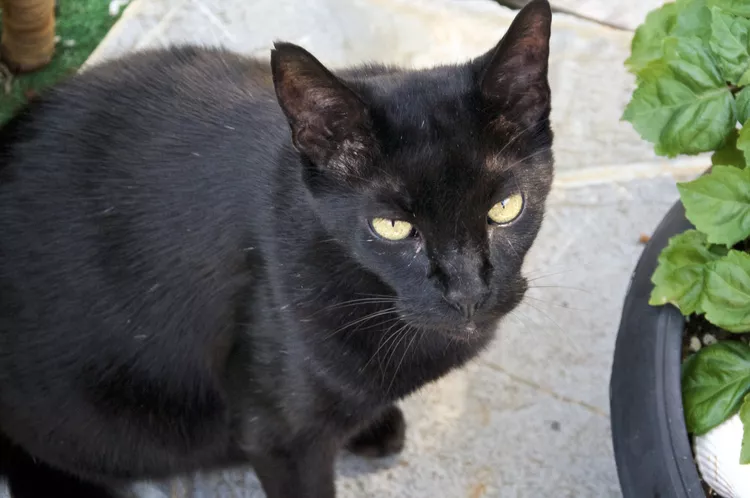
Havana Brown: Cat Breed Profile
The Havana Brown is a beautiful and rare cat breed with an interesting background.
Bambino: Cat Breed Profile, Characteristics & Care
The bambino cat is a controversial cross between a hairless sphynx and the short-legged munchkin. Learn about the bambino breed.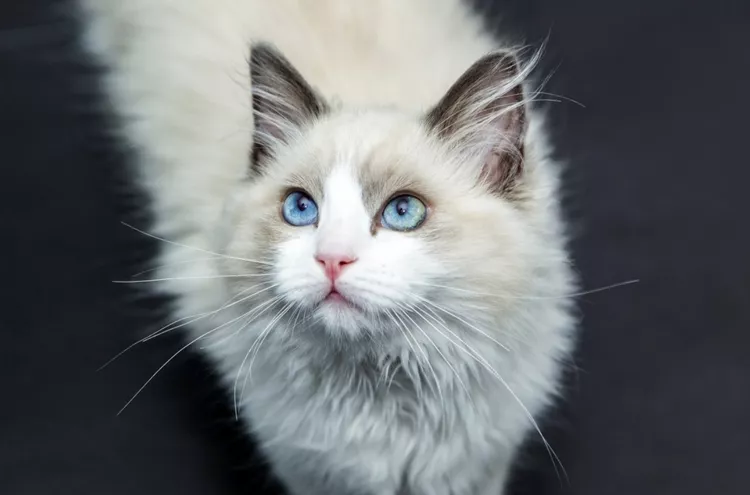
11 Cute Pictures of Ragdoll Cats
Ragdoll cats are known for their beautiful coats and bright, blue eyes. Learn all about the breed, and check out some cute pictures here.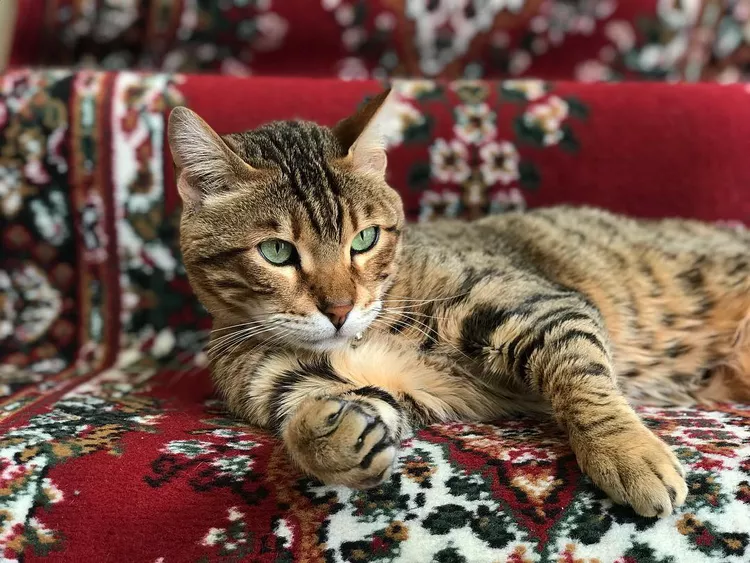
Pictures and Facts About Bengal Cats and Kittens
Bengal cats are a cross between wild cats and domestic cats. Learn more about what they look like and pictures of this beautiful spotted breed.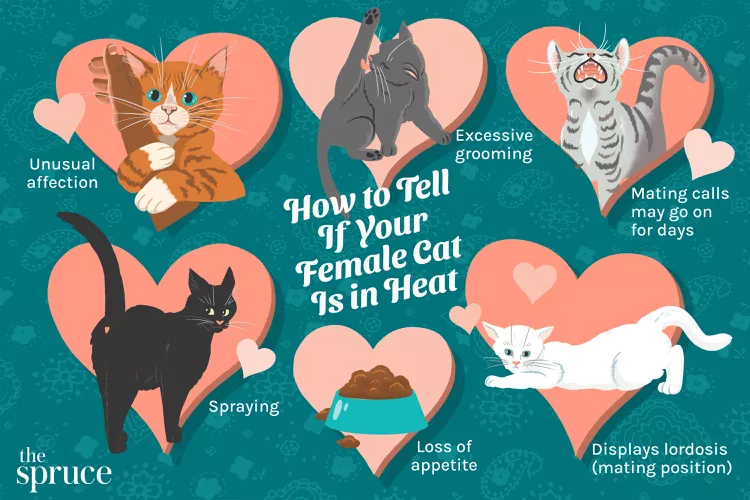
Signs of Heat in Cats
A cat in heat will show several physical and behavioral signs. Here's how to tell if your cat is in heat and how to care for her during this time. Learn the signs and how to prevent pregnancy, even if her cycle has begun.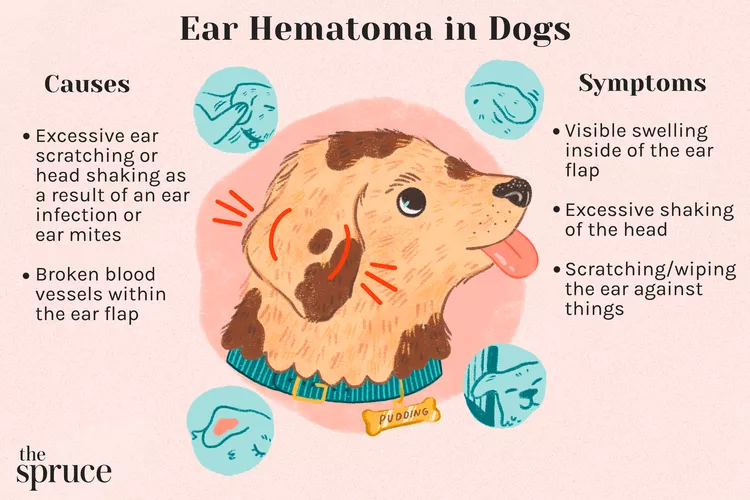
Why Is My Dog’s Ear Swollen? Causes and Treatment of Ear Hematoma
If your dog’s ear is swollen, it could indicate an ear hematoma. Learn the primary causes and treatments for ear hematomas in dogs straight from a veterinarian.
Are Snake Plants Toxic to Cats?
Snake plants can be toxic to cats, depending on the amount of plant ingested and other factors. If you suspect your cat has ingested any amount of a snake plant, seek veterinary attention immediately to prevent serious complications.