Historically, people often think every year of a cat's life is equivalent to seven years of a human's life, but cats actually age much faster than that. And with age, we know that diseases often follow.
On top of that, cats also act differently at certain life stages. Because of these things, it's not only helpful but also important to be able to understand what your cat is going through at each stage of its life.
Use the below chart as a guide to understand how your cat's age translates to human years.
The first six months of a kitten's life are filled with eye-opening experiences—literally. A kitten's eyes and ears open shortly after birth at around 1 to 2 weeks of age, and from there, its physical and mental development takes off. A kitten is exposed to sights, sounds, and smells just like that of a human infant. Each new animal, person, and object it comes in contact with helps to form its personality. Over the next few weeks, the socialization skills of a kitten are greatly affected depending on all of these interactions and exposures.
After a kitten leaves its mother at about 2 to 3 months of age, it will start to become more independent and curious. It will explore its surroundings, get into a little trouble, and potentially chew on things it shouldn't while its adult teeth are starting to erupt. Growth happens fast during these months and by the time a kitten is 6 months old, they are comparable to a 10-year-old child in age.
A series of vaccinations will need to be performed and kittens are typically spayed or neutered around 6 months of age. Most hereditary or congenital issues are usually discovered by your veterinarian during this time if there are any at all.
Since a 6-month-old kitten is already comparable to a double-digit human child, older kittens and younger adult cats will continue to test their boundaries as they grow into adults. By the time your cat is 1 year old, it will have reached its adult size, and its preferences, habits, etc. are typically established.
A 1-year-old cat is physiologically similar to a 15-year-old human, and a 2-year-old cat is like a 24-year-old person. Adult cats don't need as many vaccinations as a kitten needs and are usually healthy, but this age period is a good time to get some baseline blood work performed to know what your cat's normal values look like. You'll thank yourself when your cat is older and you have something to compare its blood work to. Occasional grooming, dental cleanings, and annual check-ups with a veterinarian are typically all that is necessary to keep a young adult cat healthy.
A 3 to 6-year-old cat is still an adult but not a senior cat yet. These years are usually trouble-free in regard to health concerns, but some cats do have chronic health issues or congenital concerns that need to be addressed.
A prime cat may benefit from early joint support supplements to keep its hips and knees working as they should, will need annual vet check-ups with regular vaccinations, and may experience an occasional health concern, but overall this age period is usually a healthy one.
A 5-year-old cat is comparable to a human in their mid-30s, so these are its prime years as an adult.
Once your cat reaches about 7 or 8 years of age, some veterinarians may start referring to it as a senior, but we know that since cats typically live into their late teens, they're not yet senior citizens. While cats who are 9 or 10 years of age might have been eligible for an AARP card if they were humans, they haven't quite reached retirement age yet.
This is an important age period to ensure your aging cat is getting proper nutrition because obesity is common in middle age. Also check that your cat hasn't developed dental disease, kidney issues, or a heart murmur, and is still able to jump on and off things easily. Blood work should be compared to that which was done during the younger years to ensure there are no trending changes in organ function and more frequent check-ups with your veterinarian are recommended.
Your cat is finally a true senior when it reaches 11 years of age. Joint issues are a commonly hidden concern that owners of aging cats should be addressing and organ functionality may start to decrease. Blood work should be monitored at the recommendation of your veterinarian to ensure common problems seen in senior cats are caught early. Dietary changes may also be recommended at this age since older cats typically need different nutrition as their bodies change.
Some older cats seem to get crabby as they age, but this is often simply because a senior cat may be experiencing pain, joint discomfort, or even brain changes and confusion. Be sure to discuss any observed changes with your veterinarian, as they may be an indicator of something else going on with your cat.
Cats live a long time. A 15-year-old cat is comparable in age to a human in their mid-70s, and by the time they are 20, they'd almost be 100 years old if they were a person. Any cat that is 15 or older is considered geriatric and should be visiting the veterinarian at least once every six months. These cats may be on medications or special foods and supplements to support various bodily systems. Geriatric cats often have decreased hearing and vision abilities and sleep for the majority of the day.
Cognitive decline is not uncommon in cats of this age, just like a human in their 90s might experience. Signs of cognitive dysfunction in cats include crying at night and urinating or defecating near, but not in, the litter box, among others.
While it's more common for a cat to live into its 20s than it is for a dog, a cat this old is still an accomplishment and special attention should definitely be paid to these geriatric felines.

How to Dispose of Cat Litter
Cleaning cat litter is a necessary chore for all cat owners, but what's the best way to dispose of it? Generally, flushing is not a safe option.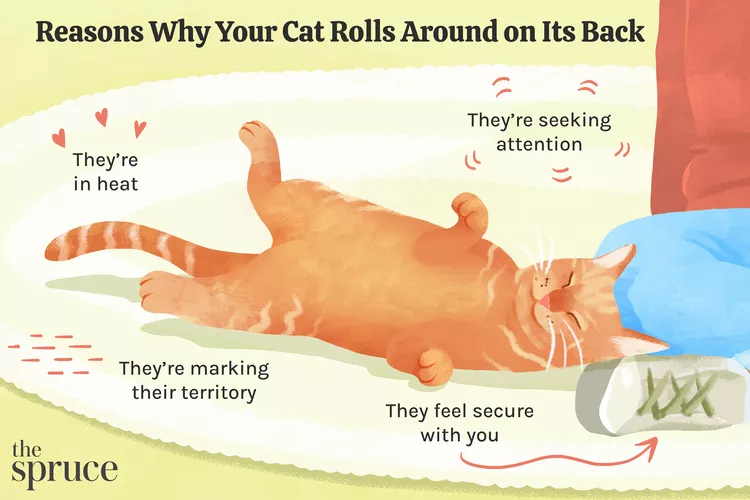
Why Your Cat Is Rolling Around on Its Back
When your cat rolls on its back, it could be telling you something. Rolling can signal the cat feels safe and might want some attention from you.
What Your Cat Is Saying With Its Eyes
Understand how cats communicate with their eyes, from arousal and trust to dominance and aggression.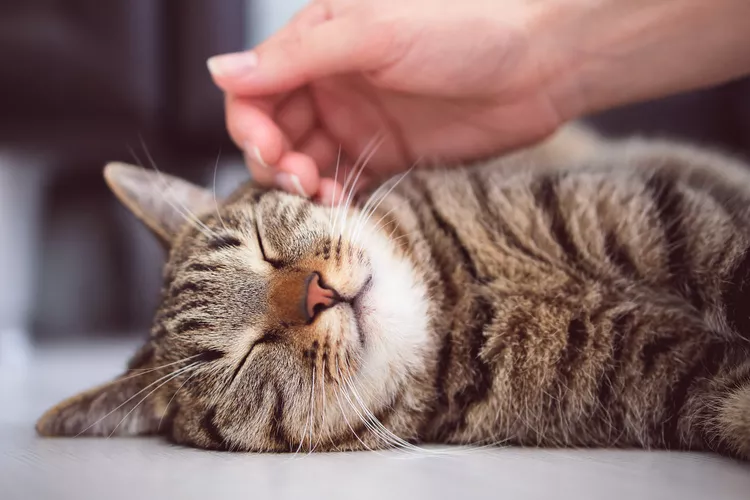
Why Cats Like Being Pet
Why do some cats enjoy being pet and others don't? Learn why certain cats want you to pet them while others just want to be left untouched.
100+ White Cat Names
White cat names can pay homage to their wintry fur, like Snowflake or Frosty, but can also be playful, such as Marshmallow, or elegant, like Pearl.
The First 30 Days With Your New Kitten
The first month is full of changes and excitement for a kitten in a new home. Find out what to expect and what you can do for your new feline friend.
What Is the Difference Between Cat Hair and Fur?
Is there a difference between cat hair and cat fur? Learn the correct terminology and about five different kinds of hair found on your feline.
Explore the Sources of Your Cat's Personality
What influences your cat's personality? Genetics, history, and environmental factors can contribute to your cat's mannerisms and moodiness.
15 Best Movie-Inspired Cat Names
If you are bringing home a kitty and you are a big movie buff, then a cinematic cat name might be right up your alley for your new feline friend.
10 Most Intelligent Cat Breeds
Looking for a smart cat? Learn about the pros and cons of 10 intelligent cat breeds, including Burmese and Siamese, to decide if one is right for you.
8 Cute Pictures of Norwegian Forest Cats
Learn about the history of Norwegian forest cats, and check out cute pictures of Norway's national cat.
12 Fluffy Cat Breeds Perfect for Endless Cuddles
If you like long-haired cats and don't mind daily (or almost daily) brushing, you’ll love these fluffy cat breeds.
Feline Breeds, Domestic Shorthair Cats, and Color Patterns
Cat lovers often are confused about identifying terms, such as purebred, DSH, and tabby. Learn more about the differences between these terms.
Havana Brown: Cat Breed Profile
The Havana Brown is a beautiful and rare cat breed with an interesting background.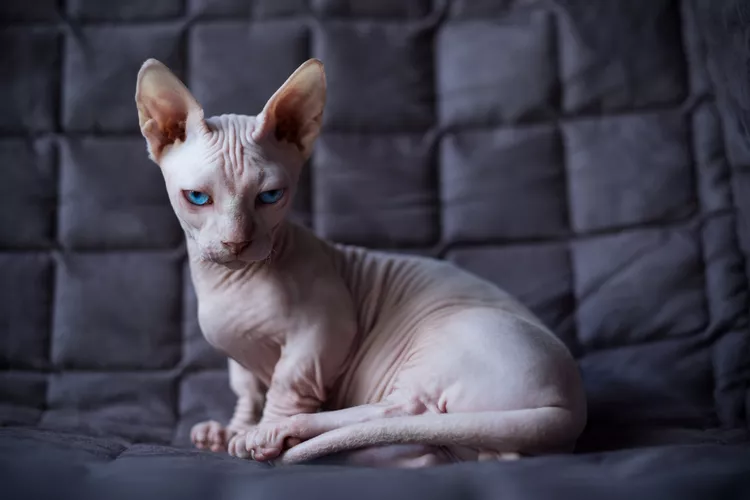
Bambino: Cat Breed Profile, Characteristics & Care
The bambino cat is a controversial cross between a hairless sphynx and the short-legged munchkin. Learn about the bambino breed.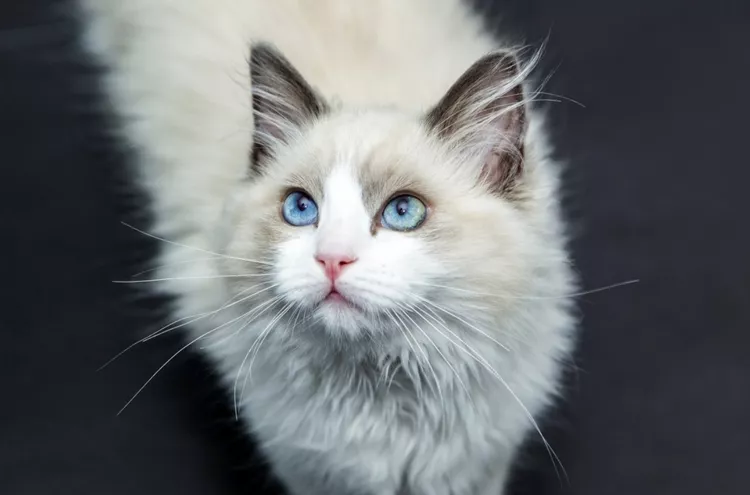
11 Cute Pictures of Ragdoll Cats
Ragdoll cats are known for their beautiful coats and bright, blue eyes. Learn all about the breed, and check out some cute pictures here.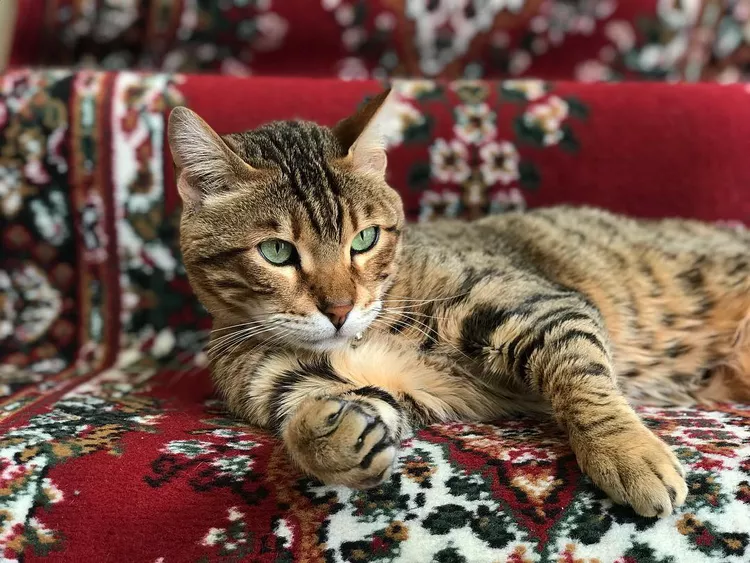
Pictures and Facts About Bengal Cats and Kittens
Bengal cats are a cross between wild cats and domestic cats. Learn more about what they look like and pictures of this beautiful spotted breed.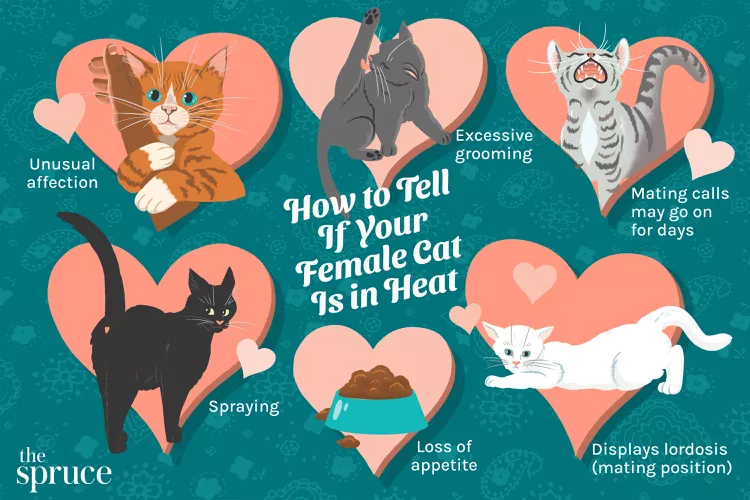
Signs of Heat in Cats
A cat in heat will show several physical and behavioral signs. Here's how to tell if your cat is in heat and how to care for her during this time. Learn the signs and how to prevent pregnancy, even if her cycle has begun.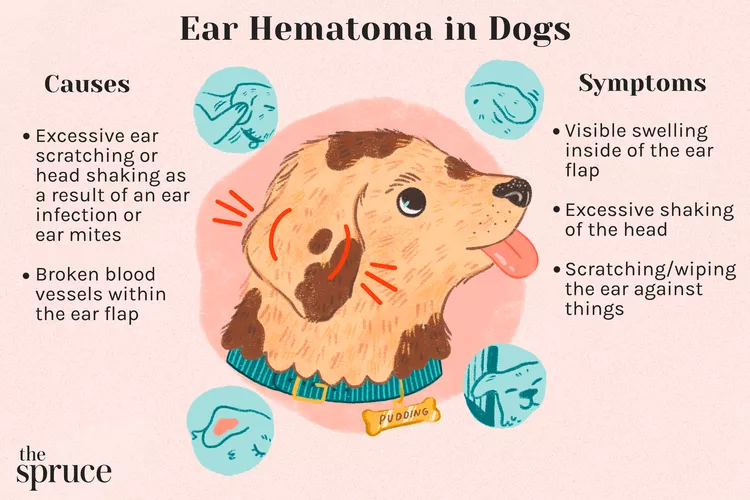
Why Is My Dog’s Ear Swollen? Causes and Treatment of Ear Hematoma
If your dog’s ear is swollen, it could indicate an ear hematoma. Learn the primary causes and treatments for ear hematomas in dogs straight from a veterinarian.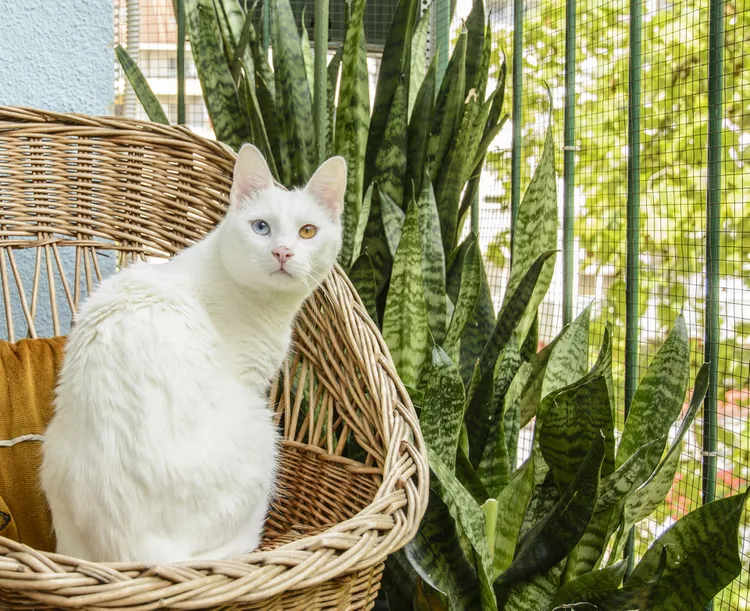
Are Snake Plants Toxic to Cats?
Snake plants can be toxic to cats, depending on the amount of plant ingested and other factors. If you suspect your cat has ingested any amount of a snake plant, seek veterinary attention immediately to prevent serious complications.