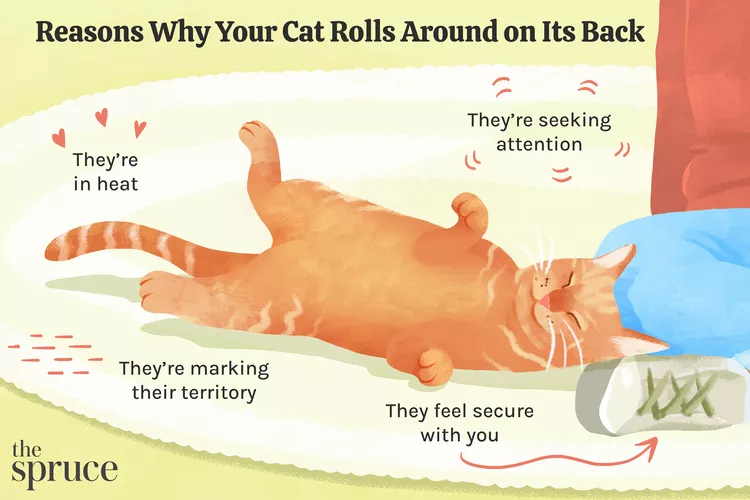
Cats roll on their back when they are feeling playful, itchy, or in need of a good stretch. Sometimes the rolling is accompanied by purring, rubbing its head against the floor, and meowing.
No matter the reason why your cat is rolling on its back, this movement is often a positive signal. The rolling-over motion typically means the cat feels safe and maybe wants some attention from you. Here's more about what it could signal.
A cat doesn't roll over on its back unless it feels safe and secure. In fact, a cat rolls over on its back when it's in its most relaxed state. Think of it as kitty zen mode. If a cat rolls over in front of you, it's a good sign. This is your cat's way of saying, "I trust you." Exposing the belly and/or sensitive parts is a very vulnerable moment for your cat, which is an opportunity for both of you to bond.
Consider the timing, location, and circumstances that may have your cat rolling on its back. For instance, if your cat flips over every morning, and right in front of you as you get ready for the day, this is a sign that it wants some attention. Spend some quality time with your cat if you see it rolling on top of its back, your feet, or the floor.
Giving your cat that attention "pays" your kitty for rolling—that's positive reinforcement of the behavior. Thus, your cat will repeat the rolling movement again the next time more attention is wanted. Cats love routine, so once a pattern is established, the rolling becomes a comforting ritual.
Rolling on the ground can spread the cat's scent. Because cats primarily communicate through the way someone or something smells, they use the scent glands on their cheeks, paws, and flanks to put a personal scent on stuff. This behavior is seen in both domestic cats and large cats.
When your cat rubs its head and cheeks on the floor, it can be leaving its scent markers on the house and over your feet. This tells other cats that they've been there, claimed their spot, and have already marked you (so other cats need to back off). Marking is used as a way to keep any potential enemies or rivals away.
Many cats feel an instinctive urge to mark their territory through rubbing and scratching. However, if your cat is marking territory with urine, you'll want to teach your cat how to stop.
If you've ever given your cat some catnip, you may have noticed similar rolling behavior. The catnip herb usually incites a strong reaction in cats. Its active compound nepetalactone is a potent scent that triggers a cat's sexual desires. This is what makes them enjoy rolling around on the ground after inhalation.
You'll also find that many female cats roll around and rub against things when they're in heat or after mating. It is likely related to hormones and ovulation. Any frenzied motions may also mean your cat is trying to remove the scent of a male cat before possibly moving on to another male cat.
Many dogs roll onto their back as a sign of deference or submission, unlike cats. When cats roll over, it usually is more of a solicitation for attention than submission. If you have another animal in the house, like a dog, your cat may do a back roll when the other pet isn't around, so that you know it wants some love.
Never assume your cat is asking for a tummy rub the way dogs do when they roll over. Otherwise, your hand may get grabbed and kicked into submission. Most cats love a scratch behind the ears, so it's best to lead with that instead.
There may be other reasons why your cat is rolling around on the ground. Since cats have a higher body temperature, they'll likely sunbathe or sleep near a heater. Because of this, cats may easily get overwhelmed by the sensation and need to cool down. This includes drinking a lot of water, resting in cool places, and rubbing on cool floors.
Your cat could also be protecting its digestive system by rolling around in the dirt, coating its fur with bacteria, and ingesting it by licking its coat. Whatever your cat is doing, it's probably for a good reason.
How to Dispose of Cat Litter
Cleaning cat litter is a necessary chore for all cat owners, but what's the best way to dispose of it? Generally, flushing is not a safe option.
Why Your Cat Is Rolling Around on Its Back
When your cat rolls on its back, it could be telling you something. Rolling can signal the cat feels safe and might want some attention from you.
What Your Cat Is Saying With Its Eyes
Understand how cats communicate with their eyes, from arousal and trust to dominance and aggression.
Why Cats Like Being Pet
Why do some cats enjoy being pet and others don't? Learn why certain cats want you to pet them while others just want to be left untouched.
100+ White Cat Names
White cat names can pay homage to their wintry fur, like Snowflake or Frosty, but can also be playful, such as Marshmallow, or elegant, like Pearl.
The First 30 Days With Your New Kitten
The first month is full of changes and excitement for a kitten in a new home. Find out what to expect and what you can do for your new feline friend.
What Is the Difference Between Cat Hair and Fur?
Is there a difference between cat hair and cat fur? Learn the correct terminology and about five different kinds of hair found on your feline.
Explore the Sources of Your Cat's Personality
What influences your cat's personality? Genetics, history, and environmental factors can contribute to your cat's mannerisms and moodiness.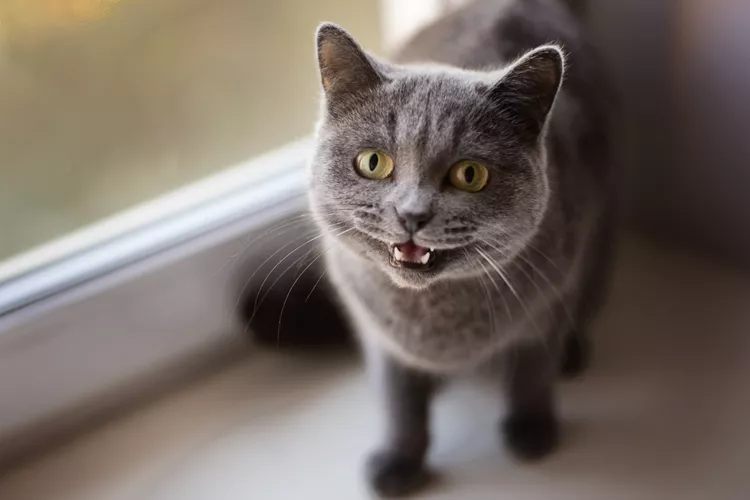
15 Best Movie-Inspired Cat Names
If you are bringing home a kitty and you are a big movie buff, then a cinematic cat name might be right up your alley for your new feline friend.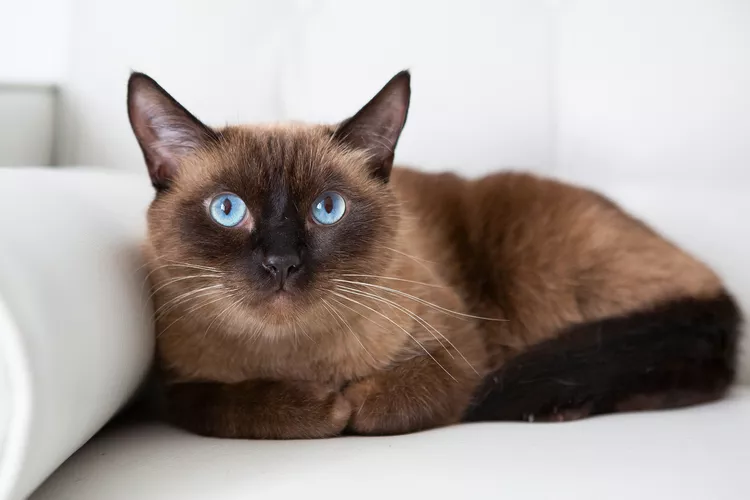
10 Most Intelligent Cat Breeds
Looking for a smart cat? Learn about the pros and cons of 10 intelligent cat breeds, including Burmese and Siamese, to decide if one is right for you.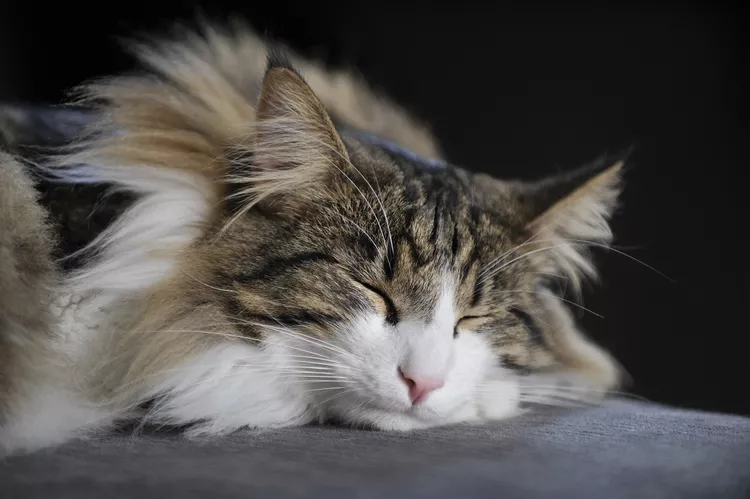
8 Cute Pictures of Norwegian Forest Cats
Learn about the history of Norwegian forest cats, and check out cute pictures of Norway's national cat.
12 Fluffy Cat Breeds Perfect for Endless Cuddles
If you like long-haired cats and don't mind daily (or almost daily) brushing, you’ll love these fluffy cat breeds.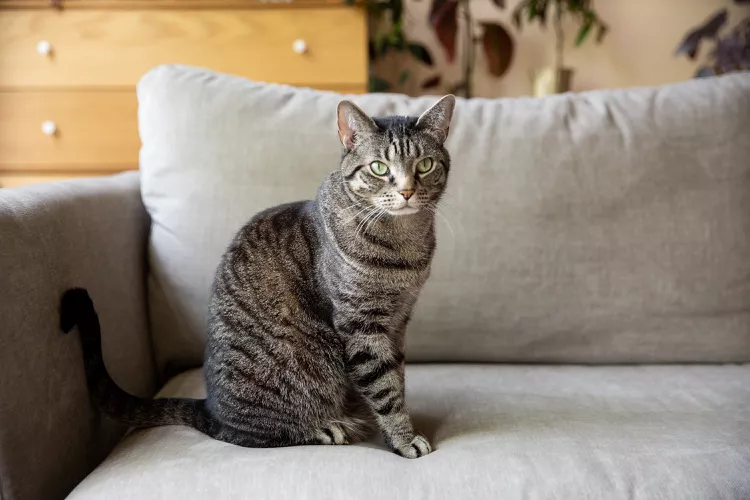
Feline Breeds, Domestic Shorthair Cats, and Color Patterns
Cat lovers often are confused about identifying terms, such as purebred, DSH, and tabby. Learn more about the differences between these terms.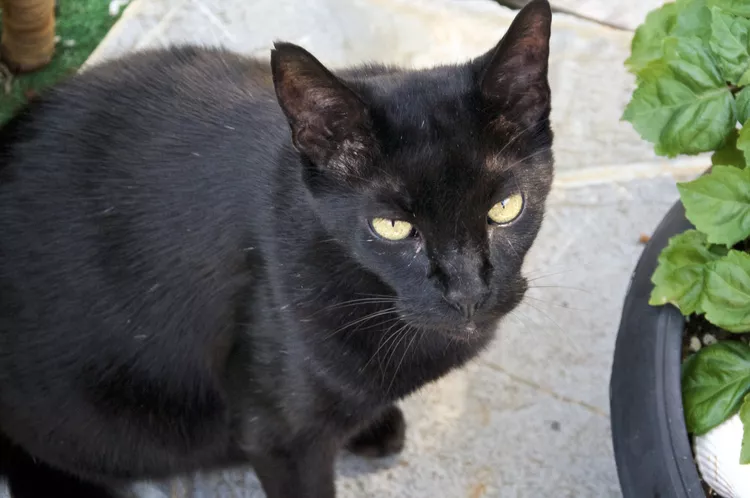
Havana Brown: Cat Breed Profile
The Havana Brown is a beautiful and rare cat breed with an interesting background.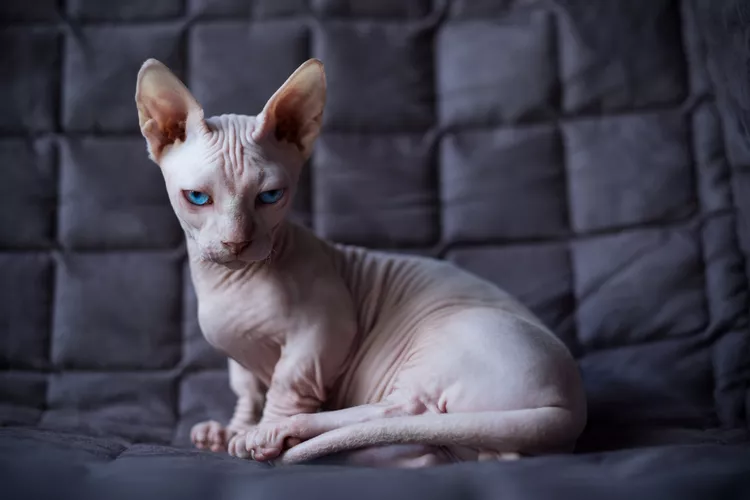
Bambino: Cat Breed Profile, Characteristics & Care
The bambino cat is a controversial cross between a hairless sphynx and the short-legged munchkin. Learn about the bambino breed.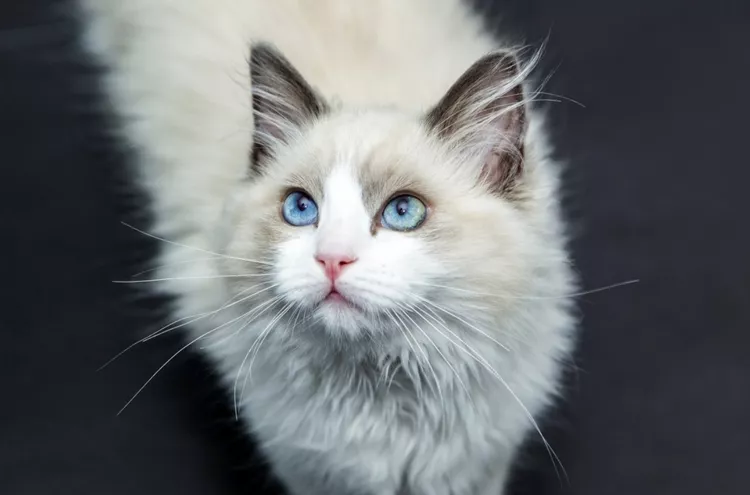
11 Cute Pictures of Ragdoll Cats
Ragdoll cats are known for their beautiful coats and bright, blue eyes. Learn all about the breed, and check out some cute pictures here.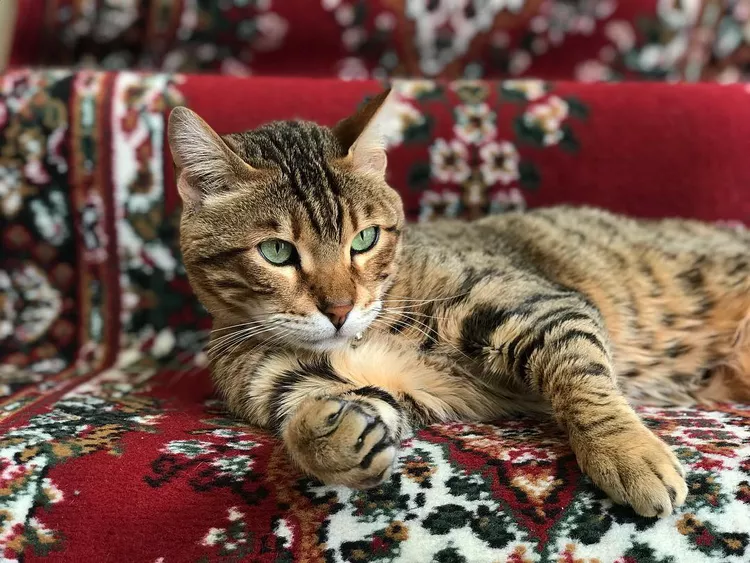
Pictures and Facts About Bengal Cats and Kittens
Bengal cats are a cross between wild cats and domestic cats. Learn more about what they look like and pictures of this beautiful spotted breed.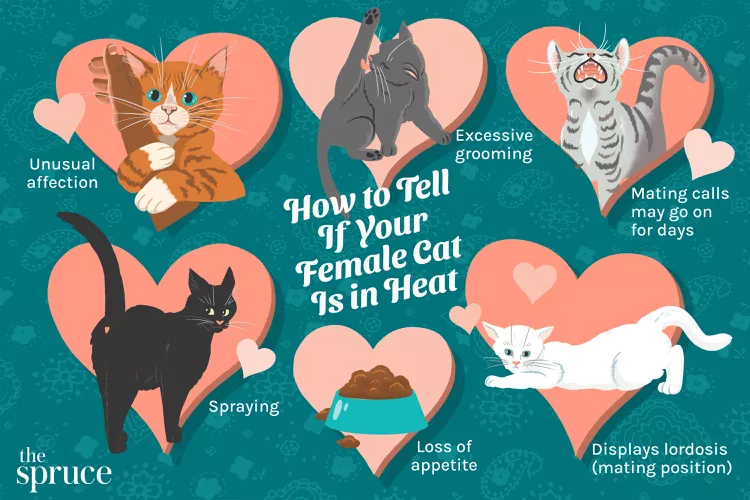
Signs of Heat in Cats
A cat in heat will show several physical and behavioral signs. Here's how to tell if your cat is in heat and how to care for her during this time. Learn the signs and how to prevent pregnancy, even if her cycle has begun.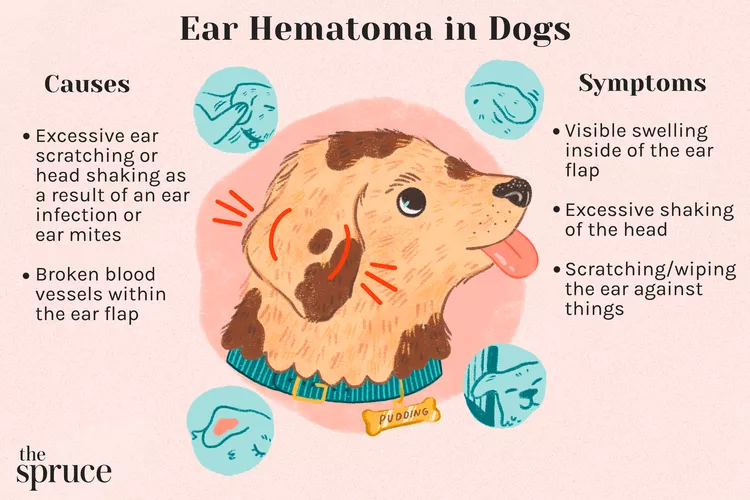
Why Is My Dog’s Ear Swollen? Causes and Treatment of Ear Hematoma
If your dog’s ear is swollen, it could indicate an ear hematoma. Learn the primary causes and treatments for ear hematomas in dogs straight from a veterinarian.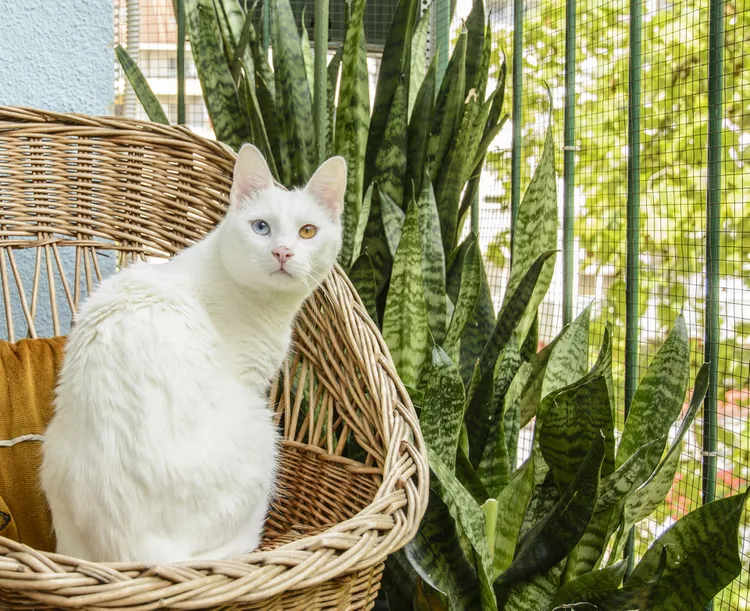
Are Snake Plants Toxic to Cats?
Snake plants can be toxic to cats, depending on the amount of plant ingested and other factors. If you suspect your cat has ingested any amount of a snake plant, seek veterinary attention immediately to prevent serious complications.