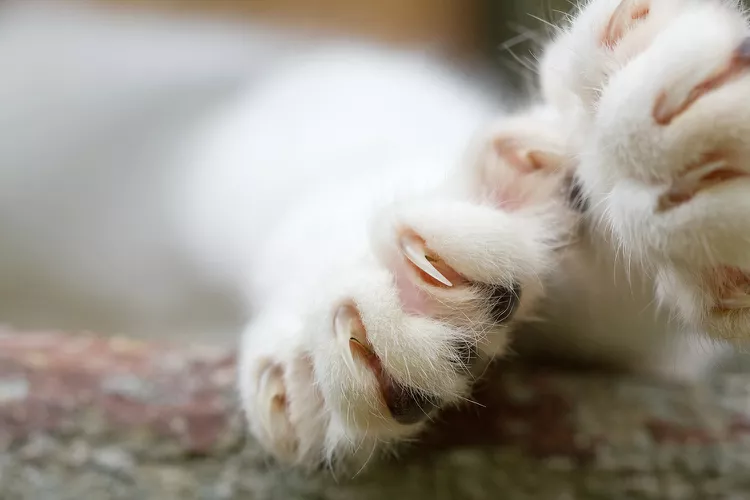
Whether or not to declaw your cat is a hotly debated topic. People can be very passionate about how they feel about declawing. Some cities, states, and and even countries have banned it. While it's a nuanced topic, here are the pros, cons, and other alternatives to declawing your cat.
Declawing is an elective procedure in which the distal phalanx (the end of the digit) is removed from a cat’s paw. Some people choose to have this procedure performed on their cats to avoid scratches on their furniture or their skin. It’s unclear when the declaw procedure first began to be taught in veterinary schools, but veterinary journals were publishing articles regarding the procedure as far back as the late 1960s.
There are three methods to declaw a cat:
In all three methods, the bone of the third phalanx is completely excised. The toes are then sutured closed to heal. Most veterinary offices will keep a cat hospitalized for at least one night post-declaw procedure. In the following weeks, it’s important to try and prevent your cat from jumping up or down from things. Jumping off of high countertops, shelves, and ledges is especially warned against as the force of landing can open those toes up.
Cat declawing does have some obvious pros, including:
Sometimes people declaw their cat because it's been a common procedure for years, and it's just an automatic decision. Some cat parents might also worry if a new cat in their home with claws intact could be a danger to their current cats who are declawed.
A study from an Austin, Texas, animal shelter discovered that only 11.1% of cats were surrendered because of "destructive tendencies." Although cats were more often (56.9%) surrendered due to personal reasons (moving, medical issues of the adopter, or inability to afford basic care), the fact that cats are surrendered for destructive behavior at all, on the surface, seems like a last line argument for declawing.
Over the past few decades, there has been more and more pushback on declawing. The original belief was that there were no consequences to declawing. Unfortunately, we now know that isn’t true. Aside from the post-operative pain and complications of toes opening up, research has uncovered some longterm complications with and consequences of declawing cats.
Bits of bone left behind from the distal phalanx can lead to bony spurs within the toes. One study showed that up to 63% of cats had residual bone show up on X-ray. Another 8% had bone remodeling, or those bony spurs, evident on X-ray.
The study showed that declawed cats were also three times more likely to have back pain, barbering (over-grooming), and aggression as compared to non-declawed cats. It’s speculated that the back pain arises from changes in gait to accommodate for walking on painful toes. The barbering is thought to be a self-soothing mechanism, like when you massage a sore area.
Declawed cats with residual bone fragments were also almost 10 times more likely to pee and poop outside of the litter box. It's thought that cats with painful toes may not appreciate having to walk and dig in sandy, gravel-like litter, the crystal variety litter even more so. As anyone who has struggled with a house-soiling cat can tell you, it’s difficult to completely resolve this, and as any shelter volunteer will tell you, it’s difficult for a cat with house soiling issues to get adopted.
It's hypothesized that aggression is derived from guarding behavior, as cats in pain may have their fight or flight senses more cued up. Additionally, because they no longer have claws, declawed cats are potentially more likely to bite, but this has been studied with conflicting results. One study of 122 cats showed no significant difference in incidence of adverse behavior while another study of 877 cat owners purported that declawed cats were not any more likely to bite than clawed cats.
Folks against declawing will tout that scratching is a normal cat behavior. As such, we as cat owners should find ways our cats can "appropriately" exhibit it.
Providing your cat with ample scratching surfaces is vital. Cats are all about texture. One cat may love sisal rope while another prefers cardboard scratchers. Try a bunch of different textures and items to see what your cat prefers. Orientation of the scratcher is also important. Cats may scratch and pluck at horizontal carpeting, but they also like vertical surfaces like drapes and furniture.
The scratching surface should also be stable and stay in one spot while your cat scratches it. Those doorknob cat scratch carpet pads are good in theory, but you might find that your cat uses them more if you secure it to the wall with Command strips instead of just hanging it from a doorknob, as intended.
If you find your cat still prefers the couch over a scratching pad, they might need a little more encouragement and training. If they love the couch, try to mimic that feel with a scratching area for them. You can use a feline pheromone plug-in or spray, and talk to your vet or a cat behavioralist if you aren't making any progress.
Keeping your cat's nails trimmed can also help minimize destructive scratching. Most vet offices offer cat nail trims for a nominal fee if you can’t trim them yourself. There are also nail caps that you can apply to your cat’s freshly trimmed nails to prevent destructive scratching. As the nail grows out these either fall off or they can be trimmed off with the nail.
How to Dispose of Cat Litter
Cleaning cat litter is a necessary chore for all cat owners, but what's the best way to dispose of it? Generally, flushing is not a safe option.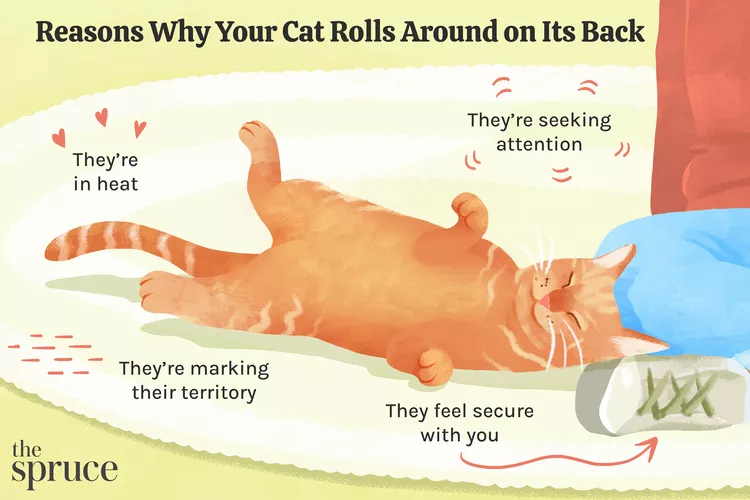
Why Your Cat Is Rolling Around on Its Back
When your cat rolls on its back, it could be telling you something. Rolling can signal the cat feels safe and might want some attention from you.
What Your Cat Is Saying With Its Eyes
Understand how cats communicate with their eyes, from arousal and trust to dominance and aggression.
Why Cats Like Being Pet
Why do some cats enjoy being pet and others don't? Learn why certain cats want you to pet them while others just want to be left untouched.
100+ White Cat Names
White cat names can pay homage to their wintry fur, like Snowflake or Frosty, but can also be playful, such as Marshmallow, or elegant, like Pearl.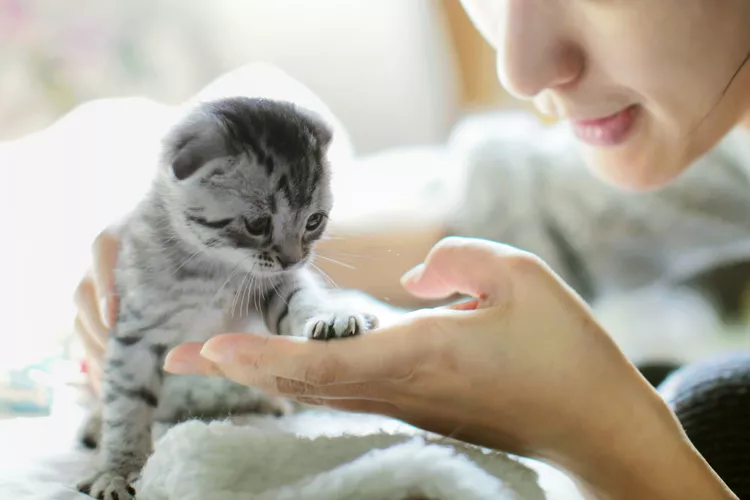
The First 30 Days With Your New Kitten
The first month is full of changes and excitement for a kitten in a new home. Find out what to expect and what you can do for your new feline friend.
What Is the Difference Between Cat Hair and Fur?
Is there a difference between cat hair and cat fur? Learn the correct terminology and about five different kinds of hair found on your feline.
Explore the Sources of Your Cat's Personality
What influences your cat's personality? Genetics, history, and environmental factors can contribute to your cat's mannerisms and moodiness.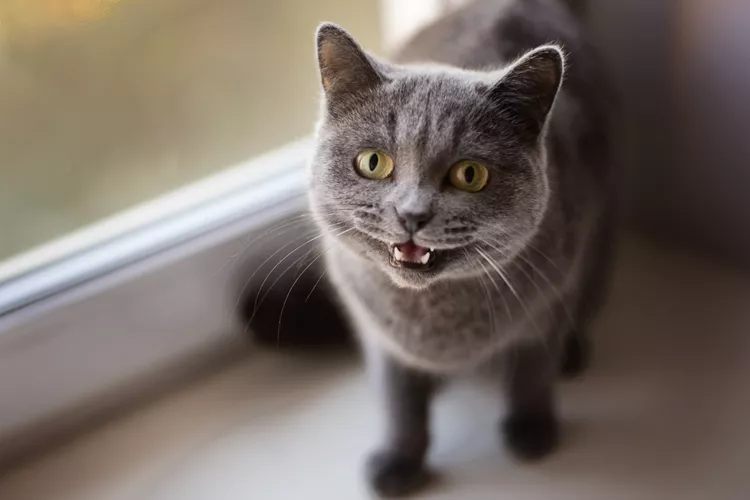
15 Best Movie-Inspired Cat Names
If you are bringing home a kitty and you are a big movie buff, then a cinematic cat name might be right up your alley for your new feline friend.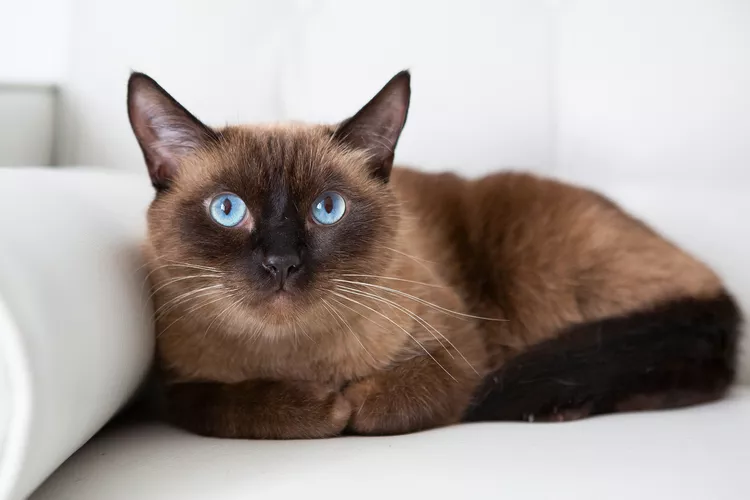
10 Most Intelligent Cat Breeds
Looking for a smart cat? Learn about the pros and cons of 10 intelligent cat breeds, including Burmese and Siamese, to decide if one is right for you.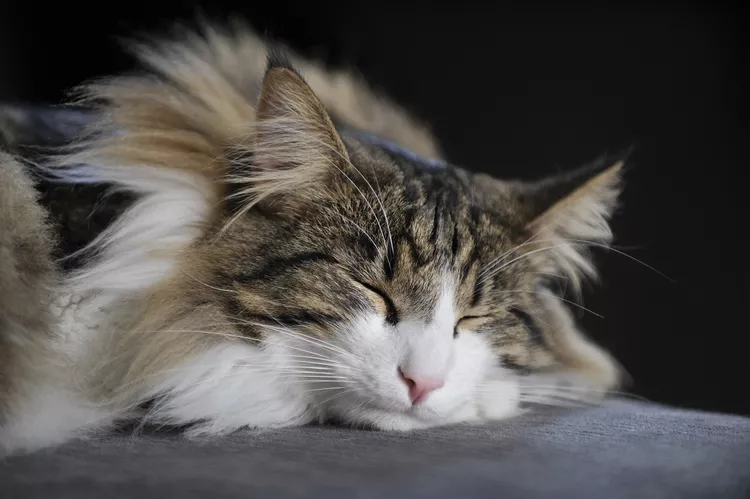
8 Cute Pictures of Norwegian Forest Cats
Learn about the history of Norwegian forest cats, and check out cute pictures of Norway's national cat.
12 Fluffy Cat Breeds Perfect for Endless Cuddles
If you like long-haired cats and don't mind daily (or almost daily) brushing, you’ll love these fluffy cat breeds.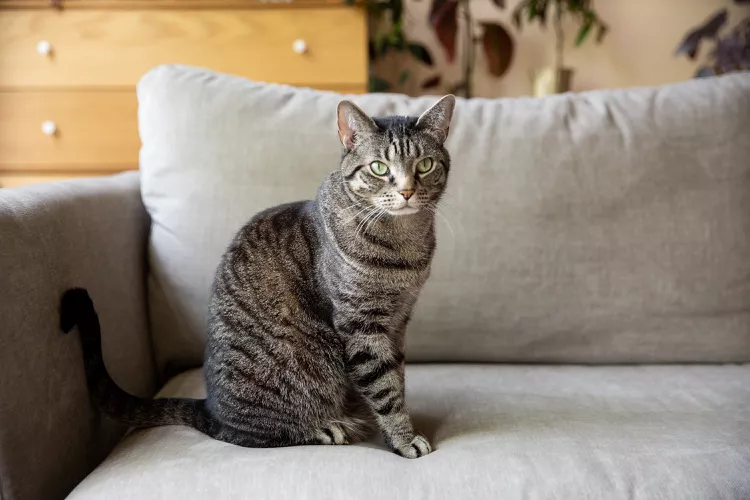
Feline Breeds, Domestic Shorthair Cats, and Color Patterns
Cat lovers often are confused about identifying terms, such as purebred, DSH, and tabby. Learn more about the differences between these terms.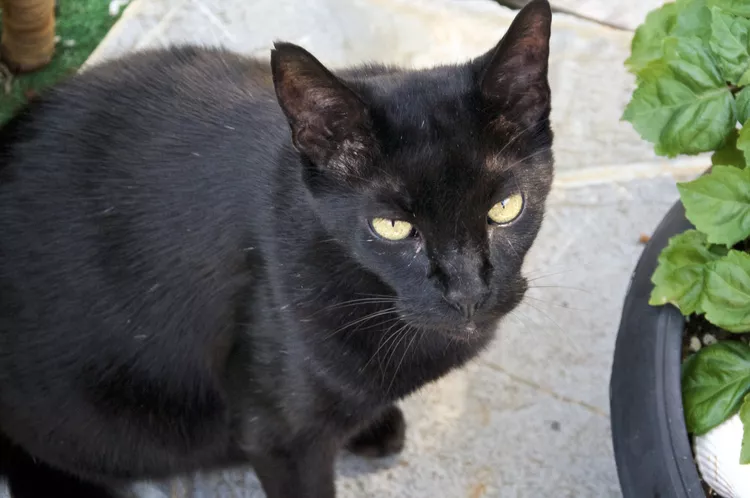
Havana Brown: Cat Breed Profile
The Havana Brown is a beautiful and rare cat breed with an interesting background.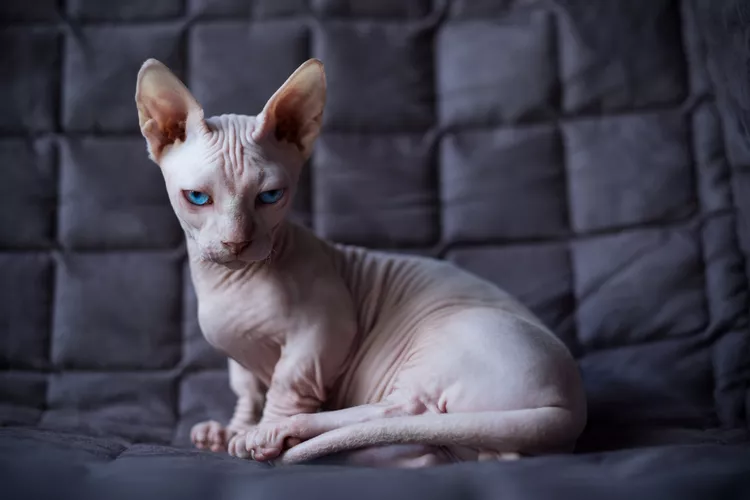
Bambino: Cat Breed Profile, Characteristics & Care
The bambino cat is a controversial cross between a hairless sphynx and the short-legged munchkin. Learn about the bambino breed.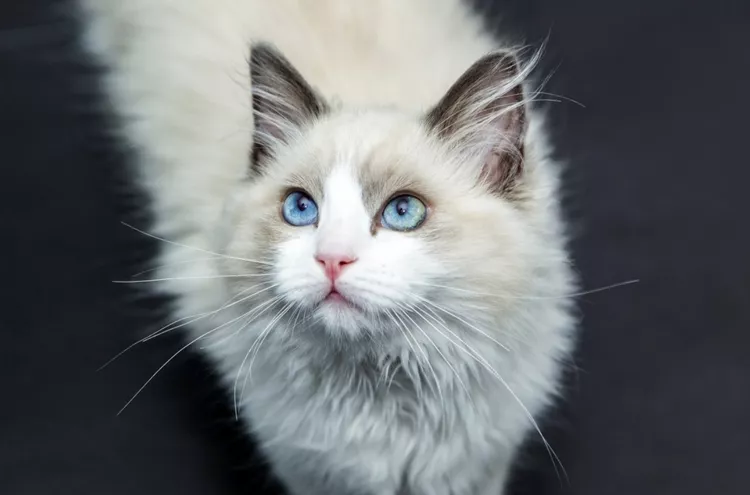
11 Cute Pictures of Ragdoll Cats
Ragdoll cats are known for their beautiful coats and bright, blue eyes. Learn all about the breed, and check out some cute pictures here.
Pictures and Facts About Bengal Cats and Kittens
Bengal cats are a cross between wild cats and domestic cats. Learn more about what they look like and pictures of this beautiful spotted breed.
Signs of Heat in Cats
A cat in heat will show several physical and behavioral signs. Here's how to tell if your cat is in heat and how to care for her during this time. Learn the signs and how to prevent pregnancy, even if her cycle has begun.
Why Is My Dog’s Ear Swollen? Causes and Treatment of Ear Hematoma
If your dog’s ear is swollen, it could indicate an ear hematoma. Learn the primary causes and treatments for ear hematomas in dogs straight from a veterinarian.
Are Snake Plants Toxic to Cats?
Snake plants can be toxic to cats, depending on the amount of plant ingested and other factors. If you suspect your cat has ingested any amount of a snake plant, seek veterinary attention immediately to prevent serious complications.