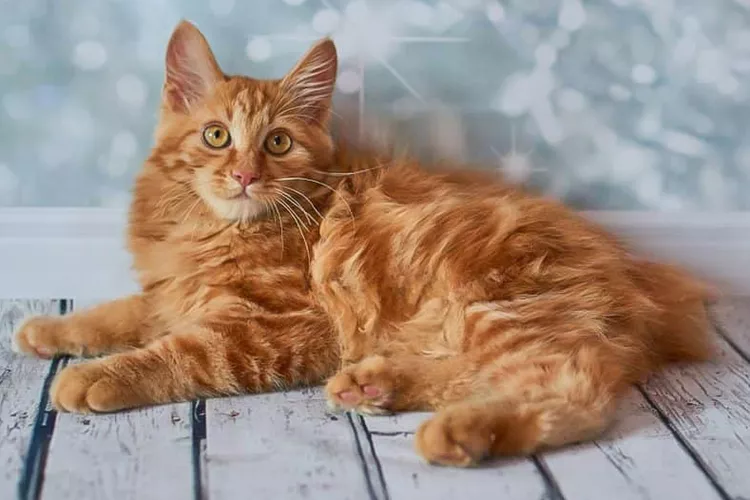
A short tail and lynx-like features distinguish the American bobtail from other tabby cat breeds. Despite their wildcat looks, American bobtails are often referred to as the "golden retrievers of the feline world" because of their affectionate, docile personalities. What's more, they generally love to fetch toys and can be leash-trained. These cats make great companions for single people as well as families with kids and other pets; they also adapt well to unusual living quarters like RVs, semi-trucks, and sailboats.
Learn more about the characteristics, history, care needs, and more of the American bobtail.
Personality: Affectionate, sociable, playful, adaptable, and intelligent
Weight: Up to 16 pounds
Length: Up to 30 inches
Coat Length: Short hair, long hair
Coat Colors: Any color, but breed standard favors "wild" colors
Coat Patterns: Any, but breed standard favors "wild" markings
Eye Color: Copper, gold, yellow, green, blue
Lifespan: Up to 15 years
Hypoallergenic: No
Origin: United States
American bobtails are ideal pets for just about anyone in any living situation. These sturdy, large cats adapt beautifully to family life with kids or other pets, but they also bond deeply with single humans. Because of their open, friendly temperaments—even with strangers—American bobtails are often employed as therapy cats.
They need only moderate amounts of exercise, so they can be happy living in smaller homes and have been known to enjoy mobile lifestyles alongside truckers, RVers, and even sailors.
Because bobbed tails are the result of a natural—and harmless—genetic mutation in felines, these cats have naturally bred worldwide throughout history. It wasn't until the 1960s that the American bobtail became an officially developed and recognized breed.
Vacationers John and Brenda Sanders adopted a bobtailed cat while visiting Arizona and allowed him to mate with their female when they returned home to Iowa. The result? A litter of kittens with short tails and sweet personalities.
After the original American bobtail litter, other breeders followed suit, selectively breeding cats for shortened tails, sturdy bodies, "wild" markings, and super-sweet dispositions. Proponents of the breed broadcast the fact that pedigreed cats have never been used in bobtail breeding, so the gene pool is extremely diverse. Breeders simply adhere to the practice of breeding unregistered long-haired and short-haired domestic cats with desirable bobtail traits.
Since their development in the 1960s, American bobtails have been officially recognized by the International Cat Association (TICA), the Cat Fanciers; Association (CFA), and the American Cat Fanciers' Association (ACFA).
American bobtails are relatively low-maintenance cats with basic grooming and exercise routines.
You can expect to brush your bobtail once or twice per week to remove shed hair and skin and keep their coat shiny and healthy. Twice a year, bobtails will shed more than usual due to seasonal changes, and they may require more frequent brushing during these times.
In any breed of cat, poor dental hygiene can lead to periodontal disease, so it's important to brush your bobtail's teeth at least once per week. Supplementing with plaque-controlling treats can help maintain dental health, but should never be the only method of dental hygiene you use on your cat.
American bobtails are docile cats with moderate energy levels and minimal exercise requirements. They do appreciate daily playtime, which should be around 30-60 minutes per day. Like dogs, bobtails love to play with toys, fetch small items like faux mice, and try their paws at puzzle games. Many American bobtails enjoy going on leisurely leashed walks, too.
American bobtails are hearty cats that have no breed-specific health conditions. Of course, that doesn't mean that every American bobtail will remain perfectly healthy throughout their life. Bobtails with no tail may experience spinal issues leading to fecal incontinence. If you're buying a bobtail from a breeder, ensure they have a written health guarantee, which can offer some assurance against spinal issues.
In addition to spinal conditions, American bobtails may experience other common feline health issues like:
If you're concerned about health issues in your cat, be sure to talk to your vet about preventative measures you can take to ensure a long, healthy life.
The American bobtail breed can vary in appearance, but they generally boast a relatively large, sturdy build that is well-muscled and powerful-looking. They have a broad head, wide eyes, and alert ears.
The most prominent feature of this cat is their short tail, ranging in length from under an inch to a few inches long. According to the breed standard, the tail should be long enough to be visible above the back when held straight up.
The cat's hair may be short and dense or long and shaggy. Ideally, it is brownish or gray with tabby-type patterning that resembles a wild lynx or bobcat.
Your American bobtail's diet will depend on a variety of factors, including age, activity levels, and general health, but in general, they should be fed high-quality, high-protein food. If you'd like to add some variation to your bobtail's diet, you can try mixing some wet food in with the dry food a few times per week.
Obesity is a common problem in all breeds of cats, so it's important to follow feeding guidelines closely and give treats in moderation. If you're not sure how much to feed your bobtail, your vet will be able to provide some helpful guidelines.
The American bobtail cat breed is relatively rare in the United States, making it difficult to find a reputable breeder. The American Cat Fanciers' Association maintains a breeder list that currently only contains two US breeders—one in North Dakota and the other in Wisconsin.
Check with other local cat breeders and online networks to track down breeders with established businesses and positive reviews. If you're not overly concerned with owning a registered breed, you might also explore adoption sites to find a bobtailed cat that captures your heart.
The American bobtail cat is a coveted breed among its enthusiasts for several great reasons. These genetically diverse and healthy cats have wonderful personalities and are adaptable to myriad living situations. They tend to get along with everyone and are so friendly with strangers that they make excellent candidates for therapy pets. As wildly beautiful as they are affectionate, bobtails are pretty much a perfect pet for anyone who craves a feline companion.
If you’re interested in similar breeds, check out:
Although these cats look wild, they are extremely friendly and sociable with just about everyone. They make great family companions.
Yes—their tails are short because of a natural (and harmless) genetic mutation.
You can expect to pay between $600 and $1.200 for a registered American bobtail from a reputable breeder. You might be able to find one at a rescue organization or local shelter.

How to Dispose of Cat Litter
Cleaning cat litter is a necessary chore for all cat owners, but what's the best way to dispose of it? Generally, flushing is not a safe option.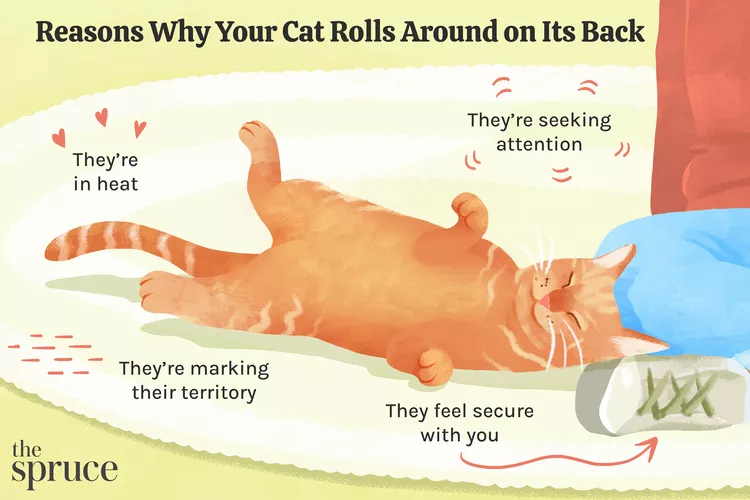
Why Your Cat Is Rolling Around on Its Back
When your cat rolls on its back, it could be telling you something. Rolling can signal the cat feels safe and might want some attention from you.
What Your Cat Is Saying With Its Eyes
Understand how cats communicate with their eyes, from arousal and trust to dominance and aggression.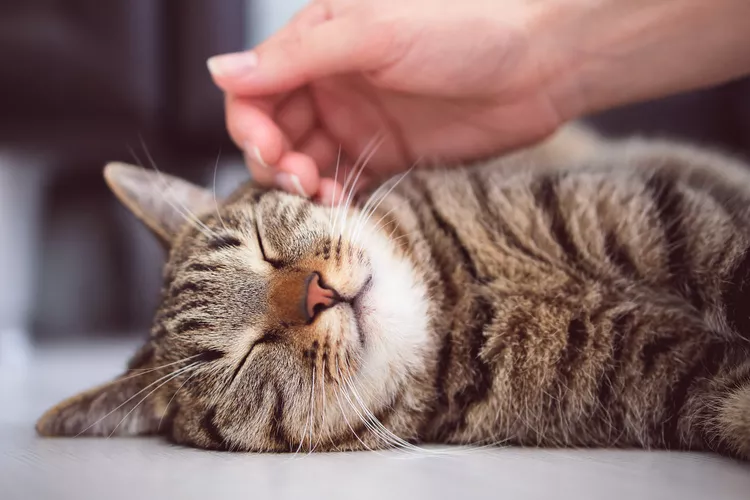
Why Cats Like Being Pet
Why do some cats enjoy being pet and others don't? Learn why certain cats want you to pet them while others just want to be left untouched.
100+ White Cat Names
White cat names can pay homage to their wintry fur, like Snowflake or Frosty, but can also be playful, such as Marshmallow, or elegant, like Pearl.
The First 30 Days With Your New Kitten
The first month is full of changes and excitement for a kitten in a new home. Find out what to expect and what you can do for your new feline friend.
What Is the Difference Between Cat Hair and Fur?
Is there a difference between cat hair and cat fur? Learn the correct terminology and about five different kinds of hair found on your feline.
Explore the Sources of Your Cat's Personality
What influences your cat's personality? Genetics, history, and environmental factors can contribute to your cat's mannerisms and moodiness.
15 Best Movie-Inspired Cat Names
If you are bringing home a kitty and you are a big movie buff, then a cinematic cat name might be right up your alley for your new feline friend.
10 Most Intelligent Cat Breeds
Looking for a smart cat? Learn about the pros and cons of 10 intelligent cat breeds, including Burmese and Siamese, to decide if one is right for you.
8 Cute Pictures of Norwegian Forest Cats
Learn about the history of Norwegian forest cats, and check out cute pictures of Norway's national cat.
12 Fluffy Cat Breeds Perfect for Endless Cuddles
If you like long-haired cats and don't mind daily (or almost daily) brushing, you’ll love these fluffy cat breeds.
Feline Breeds, Domestic Shorthair Cats, and Color Patterns
Cat lovers often are confused about identifying terms, such as purebred, DSH, and tabby. Learn more about the differences between these terms.
Havana Brown: Cat Breed Profile
The Havana Brown is a beautiful and rare cat breed with an interesting background.
Bambino: Cat Breed Profile, Characteristics & Care
The bambino cat is a controversial cross between a hairless sphynx and the short-legged munchkin. Learn about the bambino breed.
11 Cute Pictures of Ragdoll Cats
Ragdoll cats are known for their beautiful coats and bright, blue eyes. Learn all about the breed, and check out some cute pictures here.
Pictures and Facts About Bengal Cats and Kittens
Bengal cats are a cross between wild cats and domestic cats. Learn more about what they look like and pictures of this beautiful spotted breed.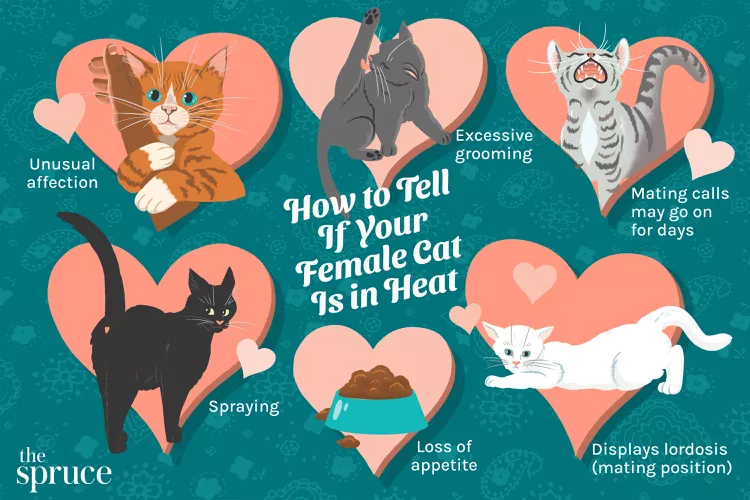
Signs of Heat in Cats
A cat in heat will show several physical and behavioral signs. Here's how to tell if your cat is in heat and how to care for her during this time. Learn the signs and how to prevent pregnancy, even if her cycle has begun.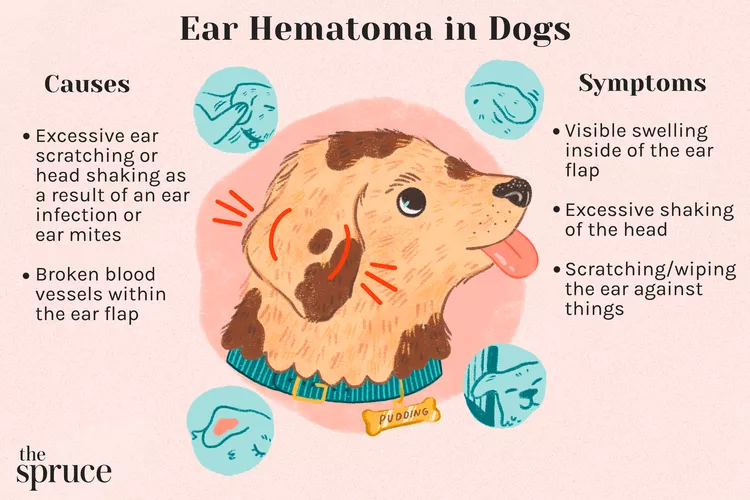
Why Is My Dog’s Ear Swollen? Causes and Treatment of Ear Hematoma
If your dog’s ear is swollen, it could indicate an ear hematoma. Learn the primary causes and treatments for ear hematomas in dogs straight from a veterinarian.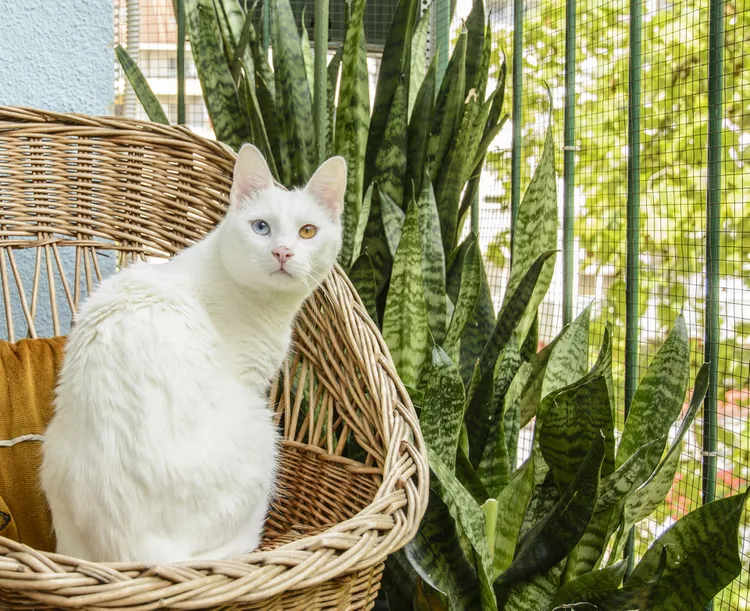
Are Snake Plants Toxic to Cats?
Snake plants can be toxic to cats, depending on the amount of plant ingested and other factors. If you suspect your cat has ingested any amount of a snake plant, seek veterinary attention immediately to prevent serious complications.